Gravity
Some connections don't need maintenance.
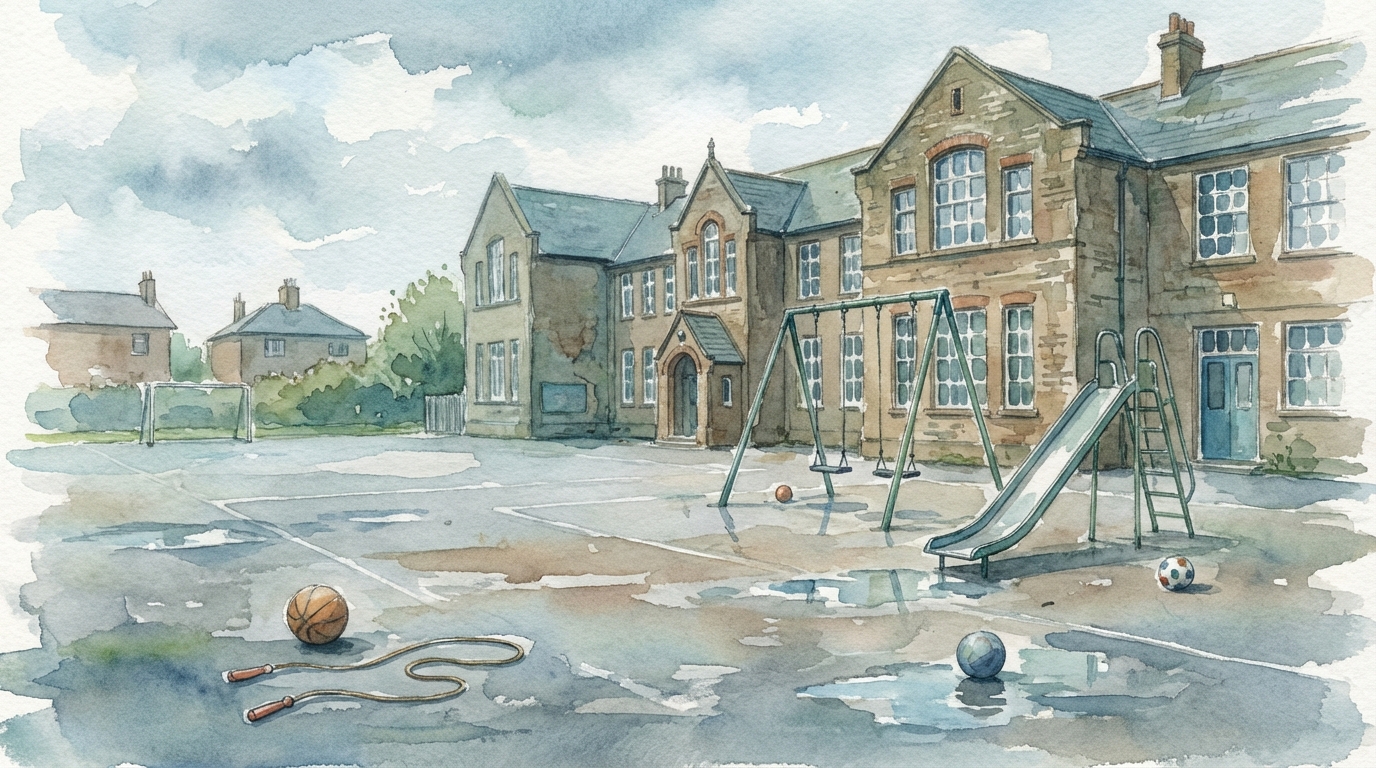
I was mid-conversation with a group of guests when I spotted them out of the corner of my eye, two old friends walking into the room. Something shifted in my chest before my mind caught up. A giddiness, almost childlike, the kind of excitement I haven't felt in decades. Probably the same excitement I would have felt at ten years old, spotting them across the schoolyard.
The celebration was at a golf club in Toronto, about two hundred people gathered for an evening together, everyone dressed up, candles on the tables, the hum of overlapping conversations filling the room. Friends from every chapter of my life were there. Business colleagues, university friends, people from different cities and different eras. And yet, the moment those childhood friends appeared in the doorway, something in me reorganized. The room had a new center of gravity.
I've known these people for more than half my life. That phrase sounds ordinary until it lands. More than half my life. There was a time when I saw them every single day, for hours, without ever getting bored. Our lives were simple then. We didn't have much to talk about in any grand sense, no careers, no countries lived in, no stories of reinvention. And still we never ran out of things to say.
Since those years, I've moved to New York, to Australia, to Portugal. I've built companies, traveled through dozens of countries, shed identities and picked up new ones. Through all of that movement, these friendships didn't keep pace. There were no regular calls, no group chats buzzing with updates. I couldn't name their kids, couldn't say with certainty what they did for work these days. The ordinary infrastructure of staying close had quietly dissolved years ago.
And none of that mattered. Within minutes of seeing each other, we were somewhere familiar, a place that didn't require catching up to reach. There was no awkward reintroduction, no performance of who we'd become. It was more like walking into a room I hadn't visited in years and finding everything exactly where I'd left it.

Two of them, I learned, hadn't seen each other in twenty-five years. I had assumed they'd stayed in touch. When they told me they hadn't, I was genuinely surprised. Watching them talk, though, I wouldn't have guessed it. There was an ease between them that seemed immune to time, a warmth that didn't need recent context to sustain itself.
What is it about the connections we form in childhood that carry this kind of weight?
I think part of it is that those friendships were built before we learned to perform. Before we had titles or ambitions or curated identities. Before we knew how to network, how to position ourselves, how to be strategic about who we spent time with. We were just there, fully, with nothing to prove and nothing to protect. The connection wasn't built on shared interests or professional overlap or mutual benefit. It was built on proximity and presence and the simple fact of growing up in the same rooms.
That foundation, it turns out, is almost impossible to replicate later in life. The friendships I've built in my thirties and forties are real, meaningful, important. But they rest on a different substrate. They know who I became. My childhood friends know who I was before I became anyone. There's a particular kind of safety in being known by someone who remembers the version of you that existed before you started constructing versions of yourself.
Nobody checked their phones. Nobody seemed distracted or scanning the room for someone more important to talk to. There was a quality of attention that felt rare, a genuine curiosity about each other that didn't need to be manufactured. We weren't catching up on the details of our lives so much as confirming that the thing between us still existed.

These friends stayed until the very end. Long after other guests had said their goodbyes, after the room had thinned and the energy had shifted from celebration to something quieter, they were still there. Each of them has kids, responsibilities, early mornings, every reason to leave. And they stayed.
I've been thinking about why that matters to me so much. In a room full of two hundred people I care about, from every era and geography of my life, the ones who pulled me in with the most force were the ones from the very beginning. The ones who knew me when life was small and uncomplicated and entirely local.
There's a nostalgia in that, certainly. A warmth that comes from remembering who I was and who we were together. But I think it's more than nostalgia. These friendships are evidence that something in me hasn't changed, even though almost everything else has. The part of me that felt giddy seeing them walk into a golf club in Toronto is the same part that felt giddy seeing them walk into a classroom thirty years ago.
I'm still processing what the evening stirred in me. The easy intimacy of it, the way decades collapsed into minutes, the strange ache of realizing how much of life happens between the moments we share with the people who shaped us first. Our lives have grown in different directions, different cities, different rhythms. And yet the thread between us didn't snap. It just went slack for a while, waiting to be picked up again.
Some connections don't need maintenance. They need only a room, an evening, and the willingness to walk through the door.