Two Sides
The impatience was mine. The urgency was manufactured.
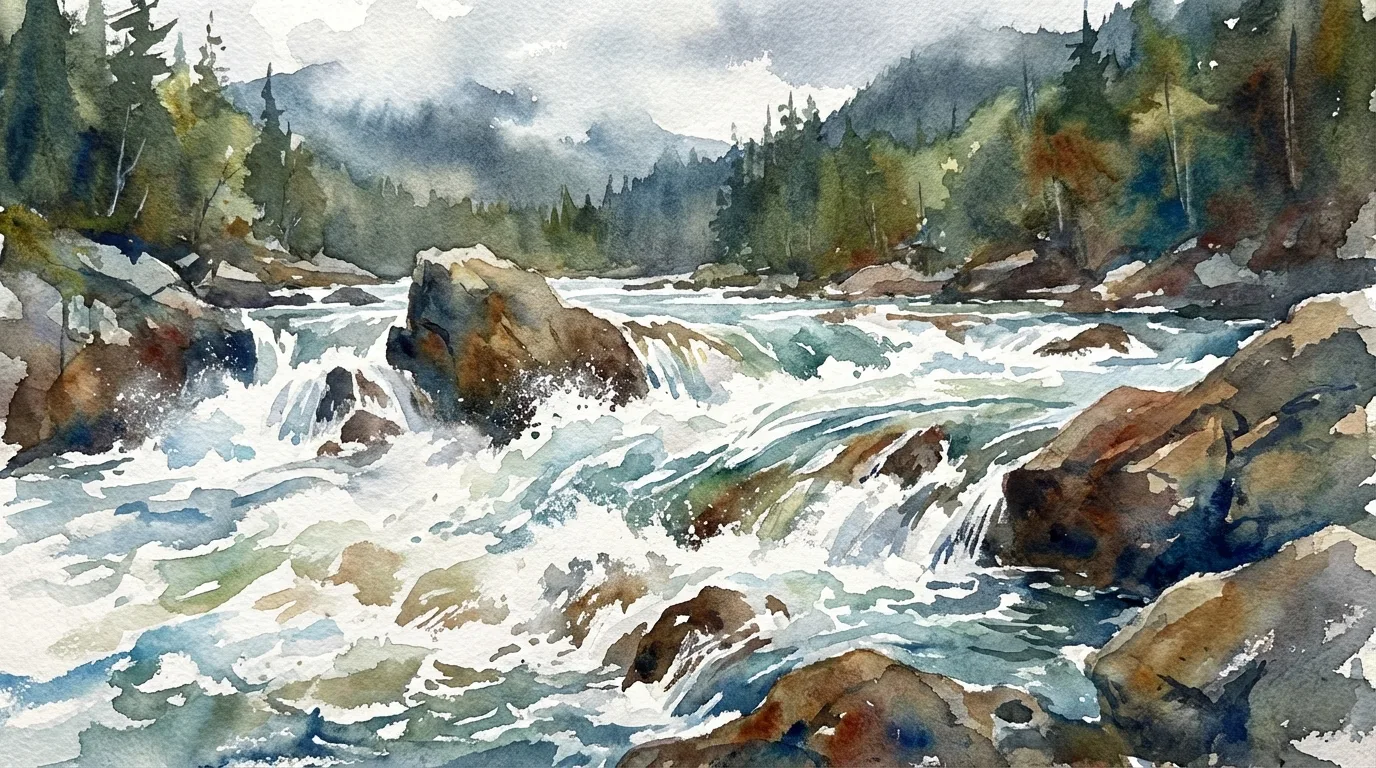
I was lying on the massage table, face pressed into the cushion, when I noticed my mind had stopped steering.
It had been ninety minutes of pressure and release, the therapist working through weeks of tension I hadn't realized I'd been carrying. Somewhere between waking and sleeping, my thoughts had loosened from their usual formation. They were drifting, reorganizing, replaying scenes from the previous week without my permission or direction. Not problem-solving. Not planning.
I wasn't in the driver's seat anymore. I'd slid over to the passenger side, and my mind was taking me somewhere I hadn't chosen. There was something deeply unfamiliar about it, letting the thinking happen without directing it. Watching the scenery of my own week pass by the window without reaching for the wheel.
The week before had been intense. Early mornings, the kind where I'd wake up before the sun with a buzzing energy that felt like motivation but was closer to compulsion. I'd sit down at my desk with my ginger tea still too hot to drink and throw myself into a project I'd been pouring weeks into. The hours stretched long. The output piled up. And by evening, I'd feel that particular exhaustion of someone who has been running hard on a treadmill and ended up exactly where they started.
The next morning, the cycle repeated. Wake up early, feel driven, push hard, collapse by nightfall. There was a pattern forming that I couldn't see while I was inside it. The quality of my work was slipping. Decisions I was making weren't aligned with what the project actually needed, with what the people around me needed. I was moving fast in a direction that served one person: me. Both hands white-knuckling the wheel, convinced that if I just drove harder, faster, more aggressively, I'd arrive somewhere that mattered. My impatience had become so loud it was drowning out everything else, and I mistook that loudness for urgency.
I thought I was pushing toward the work. I was pushing toward a feeling.

The dopamine hit of finishing something. The satisfaction of crossing a line. The small, private thrill of proving I could make it happen through sheer force. None of these had anything to do with the project itself. They had everything to do with a craving inside me that dressed itself up as professional dedication.
On the massage table, with the therapist's hands moving slowly across my face and scalp, encouraging blood flow in ways that had nothing to do with ambition, something shifted. My breathing slowed. My jaw unclenched. And in that unclenching, a thought arrived with the quiet clarity of something obvious that had been waiting patiently for me to stop talking long enough to hear it.
The project needs sequencing. It needs patience. And the impatience was never coming from the project.
The facts of the situation hadn't changed. The same challenges existed. The same people were involved. The same timeline applied. What changed was the filter through which I was receiving all of it. A week of fight-or-flight had narrowed my perception to a single point: get it done, get the hit, move faster. From a parasympathetic state, lying still in a warm room with nothing required of me, the same situation looked entirely different. There was a clear sequence. There were steps that couldn't be rushed without damaging what came after. The project didn't need more of my intensity. It needed less of my urgency.
This is the part that surprises me every time, even though I've encountered it before. My sympathetic nervous system, my stress response, doesn't just change how I feel. It changes what I see. The same person, the same event, the same set of external facts can arrive as a threat or an invitation depending on the state in which I receive them. When I'm activated, the world looks like a series of problems requiring force. When I'm settled, the same world reveals its own order, its own timing, its own logic that has nothing to do with me.
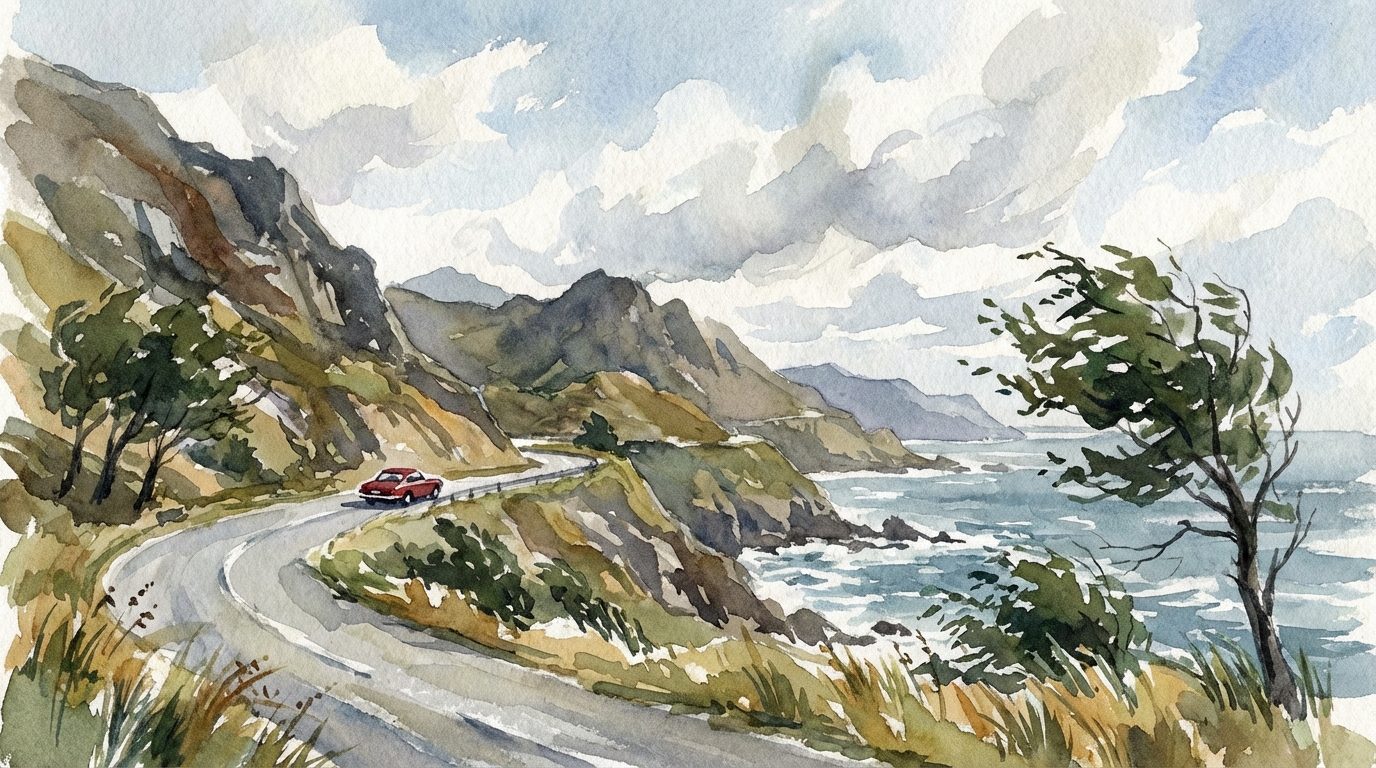
I have almost no control over what happens outside of me. The project will unfold at its own pace. Other people will need what they need. Markets will move, timelines will shift, surprises will arrive. But I have real influence over the state in which I meet all of it. And that state, I'm learning, isn't a minor variable. It's the lens through which every external reality passes before it becomes my experience of that reality.
The week of pushing had felt productive. It felt like dedication, like grit, like the kind of effort that's supposed to be rewarded. From the inside, it carried all the textures of meaningful work. Only from a different state could I see what it actually was: a person chasing their own internal reward while the thing they were building quietly suffered for it.
The impatience was mine. The urgency was manufactured. The project had been waiting for me to arrive, not as a force, but as a listener.
I got dressed, walked out into the Lisbon afternoon, and felt that particular lightness that comes not from having solved something but from having finally seen it clearly. Our street looked the same as it had that morning. The light was the same. The sounds were the same. Everything outside of me was identical to the world I'd woken up in, restless and ready to push.
The only thing that had changed was the one thing I could actually change.