Business Card
The card hadn't aged a single day.
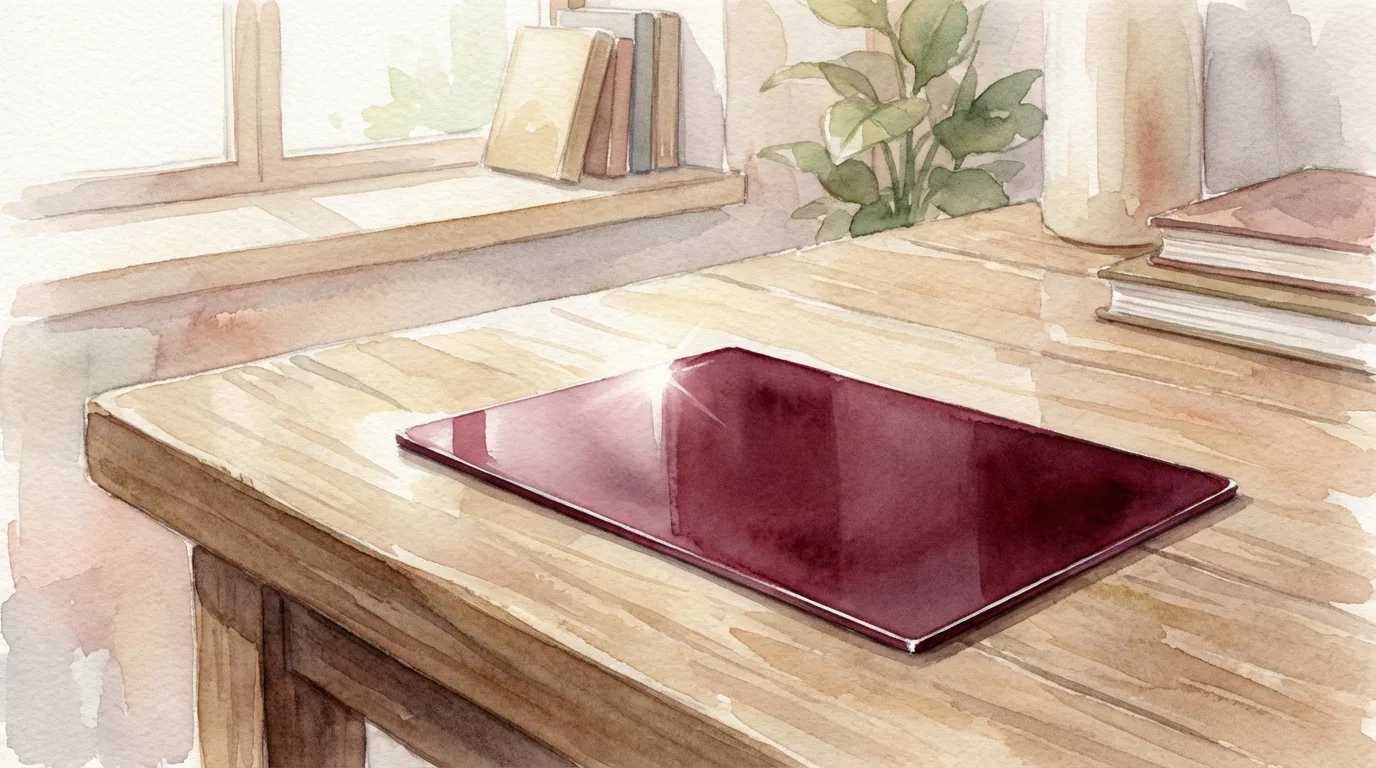
A big smile crossed my face before I even understood why. My wife and I were upstairs at my parents' home, sorting through boxes that had been collecting dust for decades, and near the bottom of one I found a business card. My old business card.
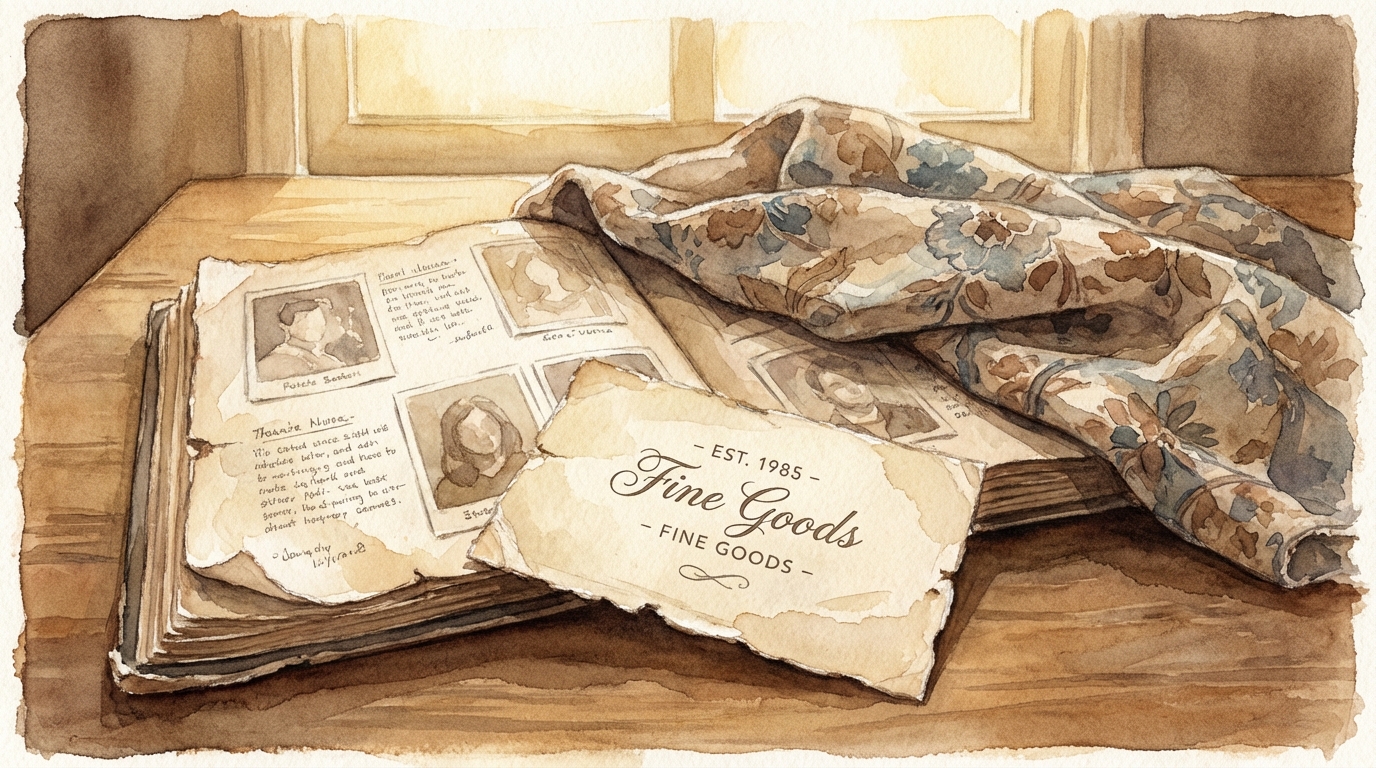
Glossy. Deep maroon red on the back, almost shiny under the light. The logo of Impact, a student entrepreneurship group I'd started twenty-five years ago. My name was printed on the front, alongside a title I must have chosen with great seriousness: Founder and President. There was a phone number, a fax number, and an email address. Everything a young person in the early 2000s would have put on a card to signal that he was modern, that he was real, that he meant business.
The card hadn't aged a single day. The colours were crisp, the edges still sharp. I turned it over in my hands and felt something close to admiration. I was serious. Even then, before I knew what any of it would become, I was building something. The fax number alone told me how long ago it was, but the intention behind it felt completely current. That student who wanted to be taken seriously, and looking at his card, I think he deserved to be.
My wife was watching me hold it, this small rectangle glossy paper from a life she'd never known. She didn't say much. She didn't need to. There's something about sharing a private artifact with someone who loves you but wasn't there for any of it. The object can become a bridge between the person you married and all the versions that came before.
Further down in the box, I found a suit. A blazer, really, with trousers that matched in a way I clearly thought was sharp at the time. The fabric was heavier than anything I'd wear now, the cut generous in places where fashion has since learned restraint. I held it up against myself and realized it was bigger than me. I'm thinner today than I was twenty years ago, and for a brief moment I made a quiet deal with myself: these should never fit again.
My wife looked at the suit and started laughing, warmly, the way you laugh with someone about who they used to be. She had comments about my sense of style back then. I laughed too, because she was right, and because the deeper humour was this: I genuinely thought it was good. I walked the streets of New York in my early twenties wearing that suit, pounding the pavement looking for clients, and I felt sharp. I felt like someone who belonged in the rooms I was trying to enter.
The funny thing is, it worked. The clients signed. People took me seriously. Whatever the suit lacked in tailoring, the person inside it made up for in conviction. The packaging was wrong and the product delivered anyway. In hindsight, this is more reassuring than it should be.
Deeper still in the box, I found yearbooks from middle school. Thirty years ago. The pages had that particular smell of old paper and ink, and when I opened to the class photo, rows of small faces stared back at me from what felt like another century. I handed it to my wife and asked her to find me.
She found me almost immediately. Faster than I could find myself, which surprised me. I had to scan the rows, searching for something I recognized, trying to match the boy in the photo to the person I see in the mirror now. She saw me right away. Whatever it is she recognizes in me, whatever thread connects the man she marreid to the child in that photograph, it was visible to her in a way it wasn't as visible to me.
I sat with that for a while. The business card, the suit, the yearbook. Three objects spanning different decades, none of them changed. The maroon was still glossy. The suit was still oversized. The boy in the photo still had that same face, caught mid-smile, frozen in a moment he'd long since forgotten.
The objects hadn't changed. I had.
There's something about physical keepsakes that photographs on a phone can never replicate. A city builds statues and monuments so that generations can return to the same fixed point and measure the distance they've traveled. The landmark doesn't change. That's the whole point of it. It holds still so that everything around it can register how far it's come.
These were my private landmarks. A business card with a fax number. A suit that no longer fits. A yearbook photo where my wife can find me faster than I can find myself. None of them remarkable to anyone else. All of them holding something still, something fixed, so I could feel, turning them over in my hands, just how much I've changed.
I closed the box eventually. Not everything went back in. Some things I kept out, placed where I could see them for a few more days. Not because I wanted to go back to who I was. Because I wanted to remember that he existed, that he was earnest and overdressed and brave enough to print a fax number on a business card and hand it to strangers.
He got me here. The least I can do is admire his work.