Five Oranges
Each answer made sense where it came from
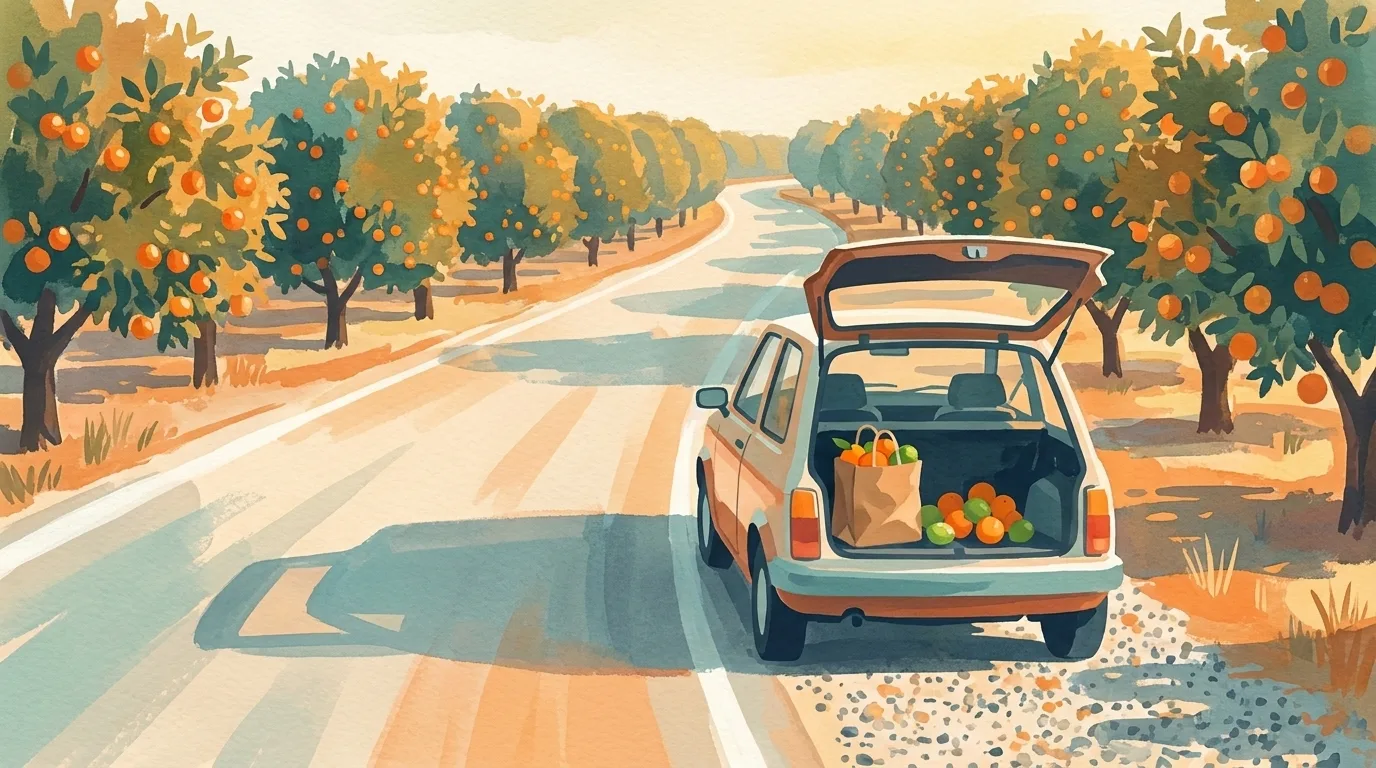
A few weeks ago, my wife and I took a short road trip into the Portuguese countryside, and somewhere along the way the trees began to appear. Rows and rows of them lined empty stretches of road for what felt like miles. From the car they looked like lemon trees, but closer up they turned out to be orange trees and lime trees, full of fruit, with no one around them in any direction.
We had spent most of that stretch of the drive commenting about the trees, admiring how endless and beautiful they were. Eventually I pulled over. My wife turned to me and asked what was wrong. I told her that after all this time admiring them, we should just take some fruit home. She said, "What?" and I said, "Yes, let's."
To her credit, she opened her door without hesitation, walked up to the nearest tree and started picking. She's a little shorter than I am, so it wasn't long before I was out of the car too, reaching for the higher branches. We came away with five oranges and four limes, put them in a bag in our trunk and drove off, both of us enjoying the small, unexpected delight of a spontaneous moment.
Somewhere down the road, I started thinking, this is exactly what my parents would have done. I had seen them do things like this, and I had seen the joy it gave them. "We're becoming like our parents," I said to my wife with a grin.
We called her parents in Australia, described the empty road and the rows of trees, and asked whether they would have stopped. Her parents said, "Sure, if it was allowed."
We then called my parents and asked the same question. No surprise, they didn't even answer and just laughed. We all knew exactly what they would have said., "No harm, some joy, why not."
Both responses were reasonable, expected yet different. Hearing them back to back though made me realise how much our environment shapes us.
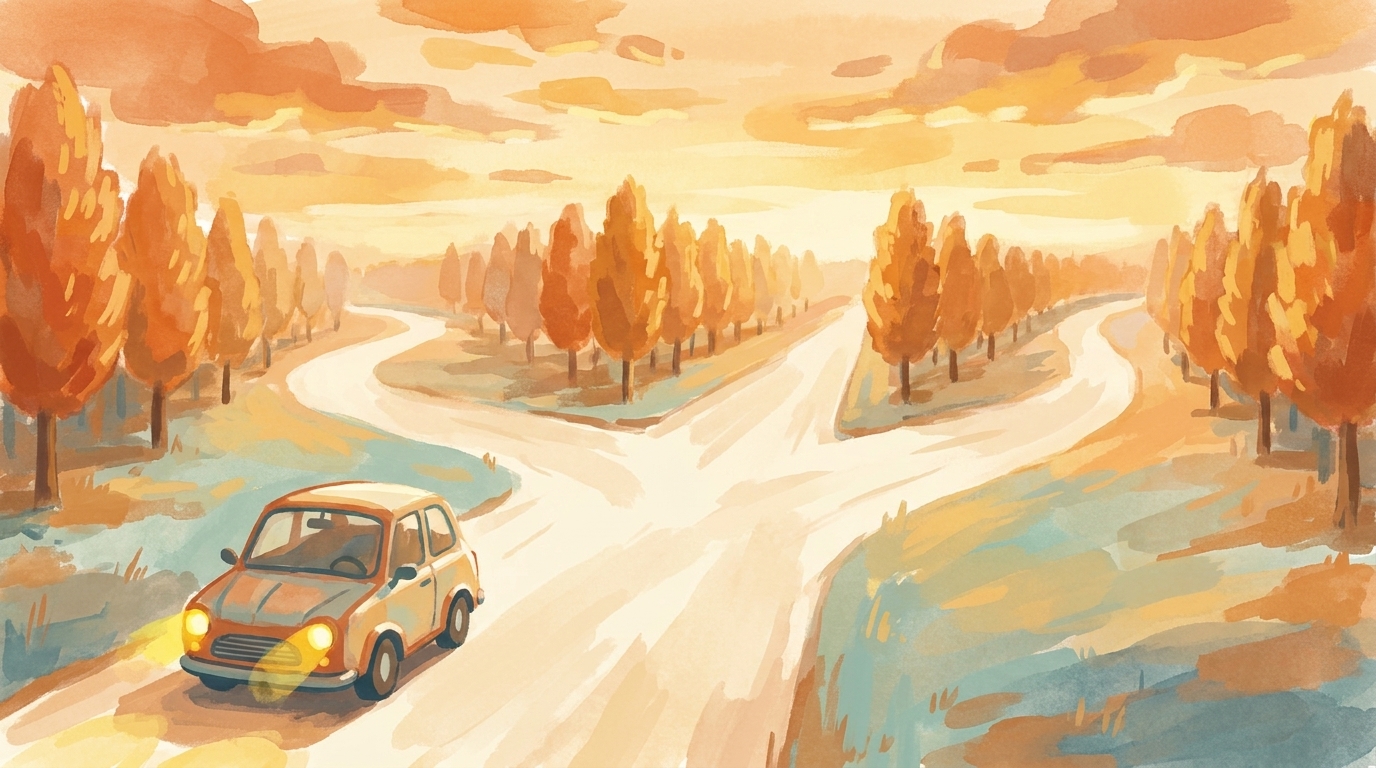
My family is originally from India, and a city like Delhi has more than twenty million people and very few traffic lights. Nobody worries much about speed limits because the traffic sets its own. Things can be rough, and life finds its way around them. In a place like that, a rule becomes one consideration among many, and if it harms no one, why not? is a sensible way to move through the day.
Canada, where I was born and raised, runs on a different principle. There is a book, and it's a big one. We all learn it, we learn the system around it, and a whole culture grows up assuming everyone will follow it. My wife's parents' answer would have made complete sense to me as a kid in Canada. I grew up between two books though, with parents shaped by one place and a childhood shaped by another. Maybe that's why both answers felt so familiar.
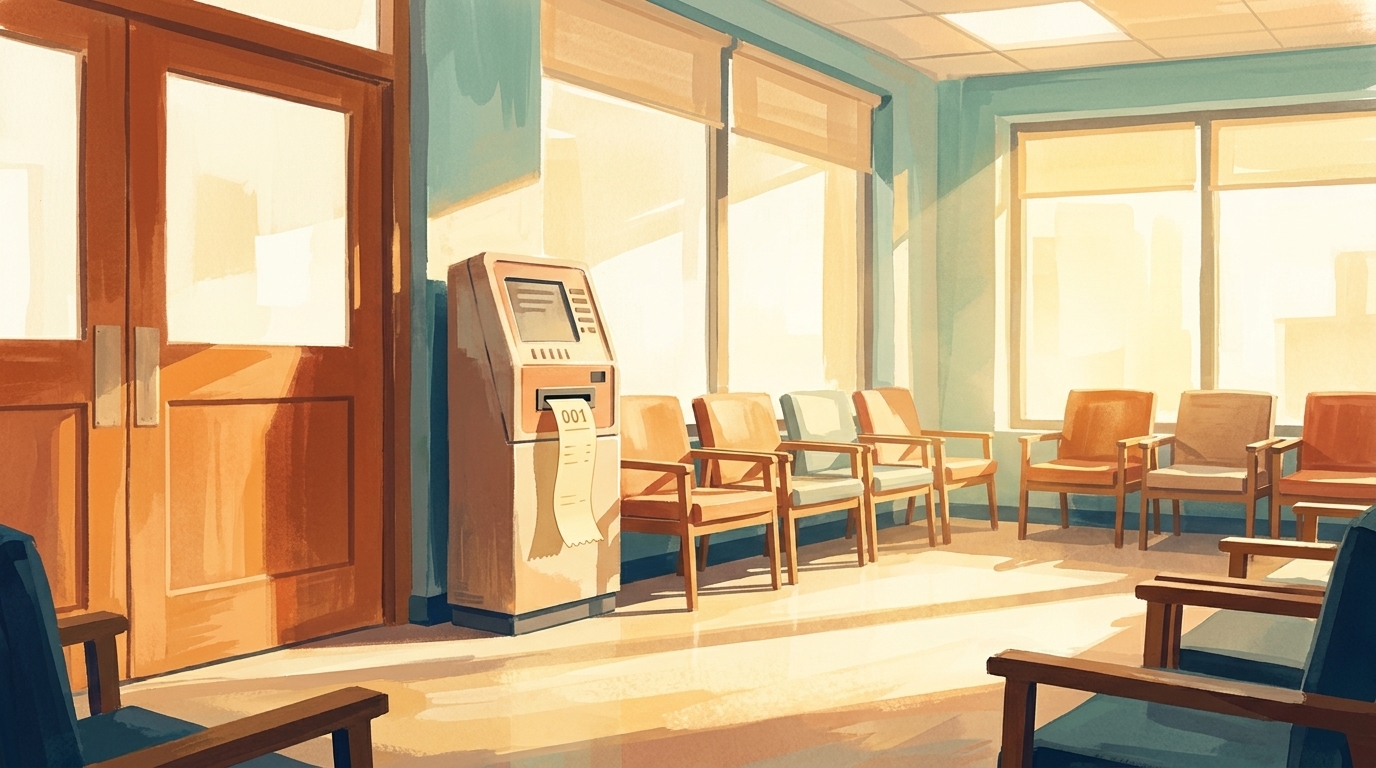
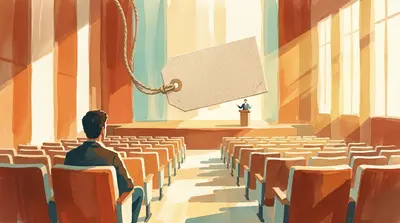
Portugal, where I've lived for the last five years now, sits somewhere in between these two books. There's definitely a book here, though it isn't always followed. It's not uncommon to see a driver treat a red light like a stop sign, or to find cars parked illegally along the side of a street, or to hear stories about how society actually functions that I was not expecting. Then I walk into a pharmacy, a doctor's office or the post office, and there's a ticket machine waiting by the door. Even with no line at all, I have to take a number and wait for it to be called.
Living in Lisbon, I've had to learn which rules a place keeps and which ones it quietly lets go. It can be an uncomfortable skill for someone who has lived inside the book his whole life. I imagine it's equally uncomfortable for someone raised outside it, standing at a ticket machine in an empty room and wondering why they're following any rules at all.
Driving home with five oranges and four limes in our trunk, I kept thinking how neither set of parents were wrong. Each answer made sense where it came from, and the longer I sat with it, the more it looked like a question about our environment. We carry the rules of the places that raised us, and they can feel a lot like morality. However it is not a question of morality. It is a question of beliefs, and each of our beliefs may be slightly different based on how we were raised and where we grew up.
The fruit came home with us, along with the question. I picked those oranges the way my parents would have, on a road where my wife's parents would have kept driving, in a country where I still take a ticket number in an empty waiting room at a pharmacy. There's space within me for all three places, and I'm still learning which one to listen to at the side of each road.