
Our Dirty Car
The dirt never once had to wait

Two months was enough to change what a five-year-old could hear
Someone honked on the street outside my parents' home in Toronto, and my nephew noticed. He is five and a half, and he had just spent two months in Japan with his parents earlier this fall. In Japan, people don't honk, he told us, without anyone asking. To me it was one more car on one more street, the kind of sound I grew up with and stopped hearing a long time ago.
Over the next few days, his observations kept coming up, unprompted, in the middle of ordinary moments. In his classroom in Japan, every child raised a hand before speaking, and everybody followed the rule. It was quieter, he said, and he liked that because it felt calming.
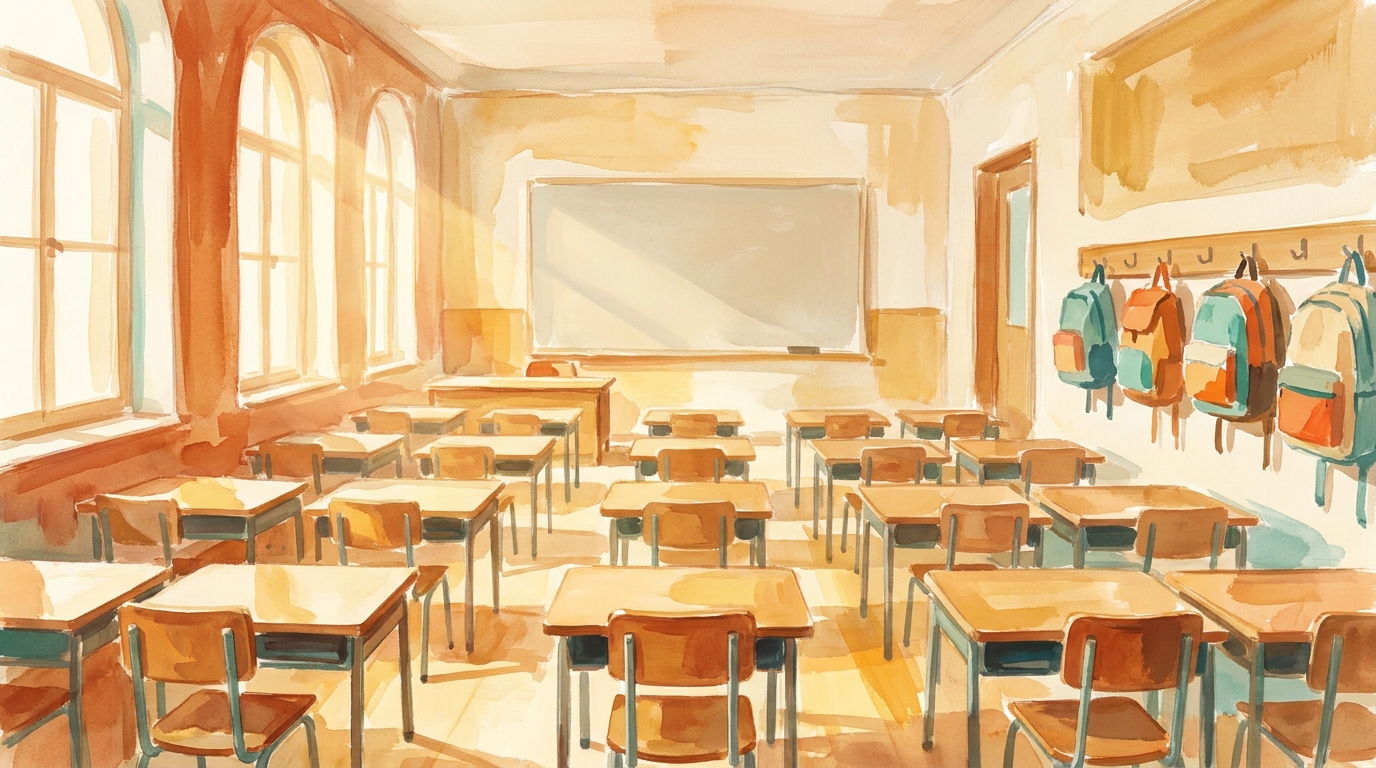
In Canada, the kids shout, and the teachers end up shouting over them. I asked him, "What else do you notice that's different?" He told me there were a lot more trains and buses, and that every metro station had a bathroom, a clean one, so he never had to wait until he got home.
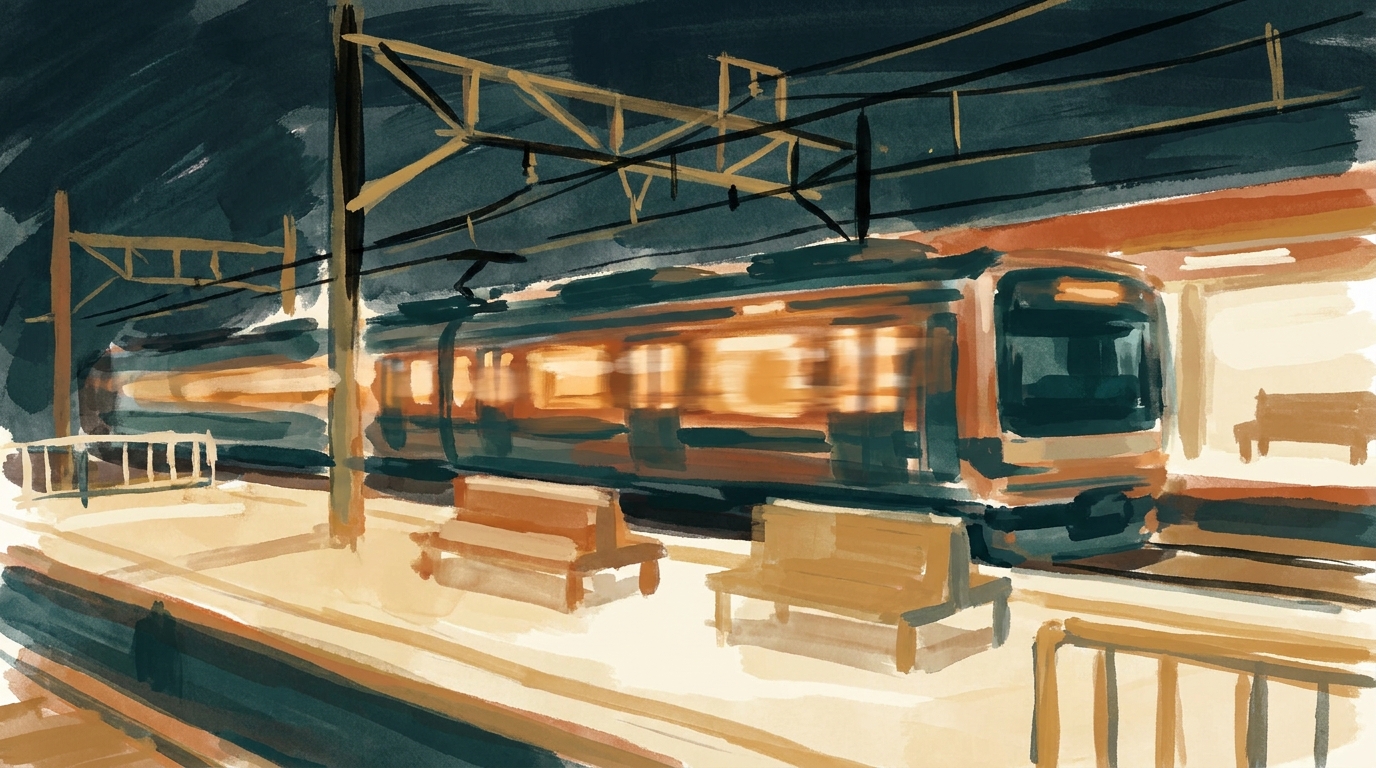
The trains made sense to me. Like most five-year-old boys, he is fascinated by anything that moves on wheels, though I think he has gone a little blind to ordinary cars because he sees them and rides in them every day. A train still stops him. In Japan, he would make my sister walk with him to the station at night so they could watch the trains go by. I wondered what I had stopped seeing the way he had stopped seeing cars. The bathrooms made sense too, in a different way. Most cities I've been to have no public bathrooms in their transit systems, and where there are, it's hard to consider using them.
The honking stayed with me longest though. He had spent nearly his whole life in a city where horns are part of the background, and two months somewhere else had made the sound strange to him. Two months was enough to change what a five-year-old could hear. How long would it take me?
Horns have been part of nearly every city I've spent real time in. New York was full of them, London had its share, and even in Lisbon there's the odd busy roundabout where everyone leans on theirs as a matter of course. Somewhere across those years the sound stopped meaning anything to me. The tuning out happened without anyone teaching it, the same way the raised hands found their way into him, and I couldn't tell anyone when it happened.
Enjoying this? Get the next Unlearning reflection in your inbox.
His two months in Japan were full of newness. Every train was an event and every clean bathroom a small discovery, and he could feel the difference while it was happening. Five years in Lisbon has worked the other way for me. Whatever settled in did so a little each week, with no moment I can point to clearly. A child can notice a raised hand in a few weeks and may drop it by next spring. My habits seem to come in more slowly and stay longer, and I rarely notice them on the way in or on the way out.
For my nephew to notice the differences required two things. A contrast strong enough to become curious, and someone to engage with his curiosity. The honking and the classroom came out on their own, but the trains and the bathrooms came after I asked what else was different. There's a short window after coming home from anywhere when ordinary things look a little strange, and for most of us it closes within a day or two, usually because nobody asks and we're too busy unpacking to ask ourselves. I travel enough that the contrast is always available to me, and still I rarely stop long enough to name it. When did I last ask myself what else is different?
There's another difference between us that I keep noticing. When the hand-raising thing settled, there was nothing to agree or disagree with. He didn't have decades of reasons for doing things the old way, or a picture of himself that the new habit had to get past. I have plenty of both. When I do catch something I've absorbed, my first instinct is to explain it: where it came from and why it still makes sense. By the time I've finished explaining, my old habit has usually survived. He never had to win an argument with himself to start raising his hand.
None of this makes one place better than another place. The quiet classroom has its costs somewhere, and so does the loud one, and the clean stations come with their own rules and trade-offs. Every place asks something of the people living in it. What I keep coming back to is how few of those asks I ever agreed to. Most of them I said yes to without hearing the question. Seeing it is the only thing that gives me a say in whether I keep it.
He'll stop hearing the horns soon, the way he stopped seeing the cars. For a few days at my parents' home, his ears picked up something mine had stopped hearing years ago.


Unlearning, the podcast
My wife and I talk this post through
The newsletter
My public journal where I share weekly reflections on how I’m unlearning.