
Light
Knowing what matters has never been the hard part

The dirt never once had to wait
"A healthy person has a thousand worries. An unhealthy person has only one."
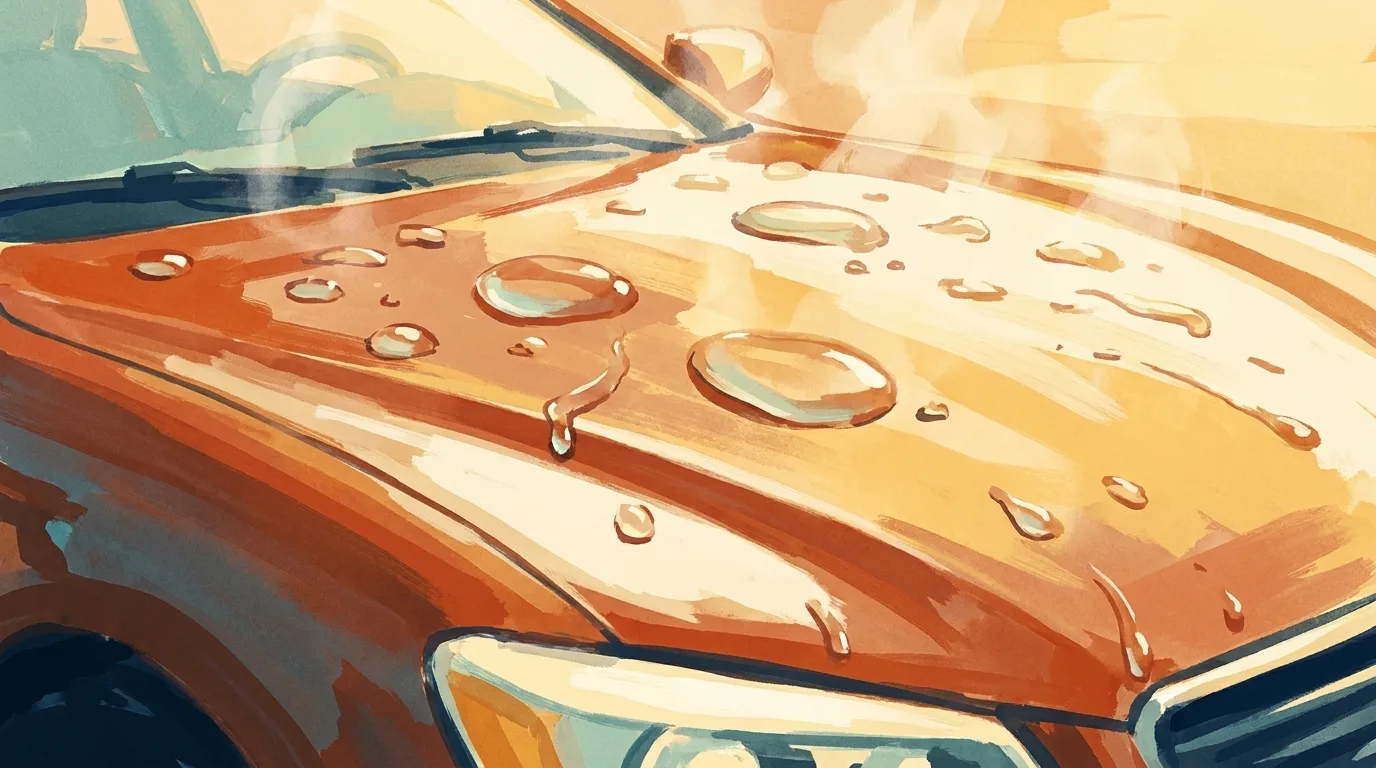
We were in a rush to get to the grocery store. We went down to our garage, got into the car, and as I pulled out I said to my wife, "The car looks quite dirty." She said, "Yeah, I noticed that too." I said, "Yeah, I've been noticing that for the last few weeks. I forgot to mention it." It had been months since our cleaner last washed it.
Then another thought came that I wasn't expecting. When was the last time I noticed our car clean? After a wash, I notice it clean for a few seconds as I walk up to it, step inside and then it's gone. The next time I get in, I don't see the clean car at all. The dirt I see though, every time I walk toward the car, open the door, or look through the windshield, and it gets the same small reaction from me each time.
It's the same car and the same eyes. One state gets a few seconds of my appreciation yet the other gets repeated thoughts of dislike. The dirt never once had to wait its turn. My mind treats things going well as background noise and anything that's not to my liking as important news. And it's not only with our dirty car...
For fifteen years, my job was finding what was broken and fixing it. Running a company, there was always something wrong, and that kind of attention was useful there. Our car isn't a company though. Nothing about the dirt needed fixing today, and my eyes go to it anyway.
My body is another clear example. On a normal day nothing hurts, and I don't think about my health very much. When my shoulder was hurting, I thought about it every time I moved my arm. When the pain went away, I was glad for about as long as I'm glad about the clean car, and then my shoulder went back to being background noise. When did I stop being grateful that it works?
Enjoying this? Get the next Unlearning reflection in your inbox.
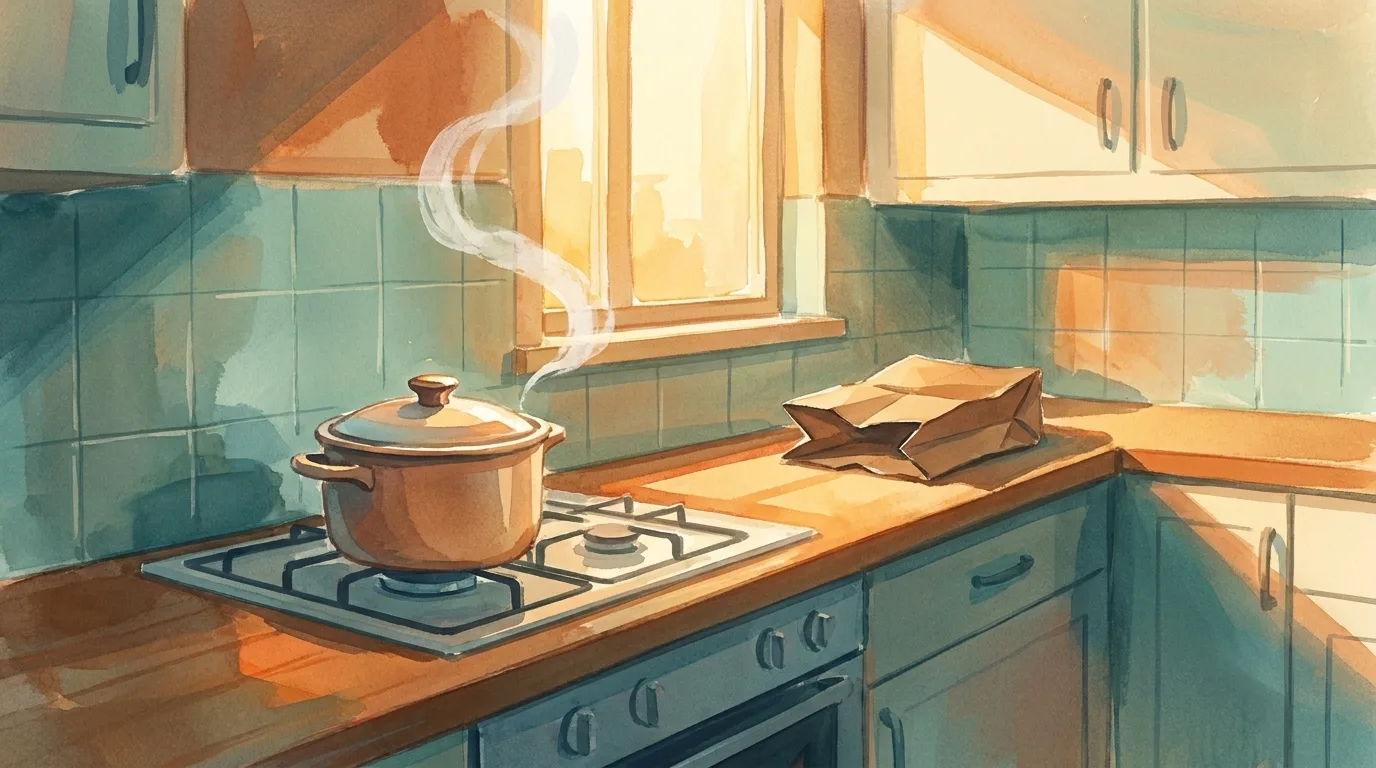
Our marriage is where it costs the most. My wife and I make meals for each other, and neither of us keeps count. After we eat, we clean up the kitchen. The groceries we were rushing to buy that day would become some of those meals. It happens so often that I don't see it anymore.
In the car, I said something out loud about the dirt, even if it took me a few weeks. I'm not sure how often I say anything about our effortless meals, or the clean kitchen, or the fact that nobody is counting. What else am I only mentioning when it's wrong?
If the only things I name are the things that bother me, then the story I tell myself, and maybe the story my wife hears from me, is that I'm mostly feeling bothered. The car seems dirtier than it is, my shoulder weaker, our marriage harder, yet none of it is true.
Noticing the dirt has its uses. It's how the car eventually gets washed. Noticing it takes no effort because it shows up on its own. Noticing the clean car takes a decision, made fresh every time, because a clean car never asks for my attention or action.
The next time our cleaner washes the car, I want to see how long I keep seeing it, whether that's a few seconds or a day or longer, and whether I say something to my wife while I still do. It will probably fade, the way it always does. I'd like to have said it before it does.

Unlearning, the podcast
My wife and I talk this post through
The newsletter
My public journal where I share weekly reflections on how I’m unlearning.