Wild life
What we need
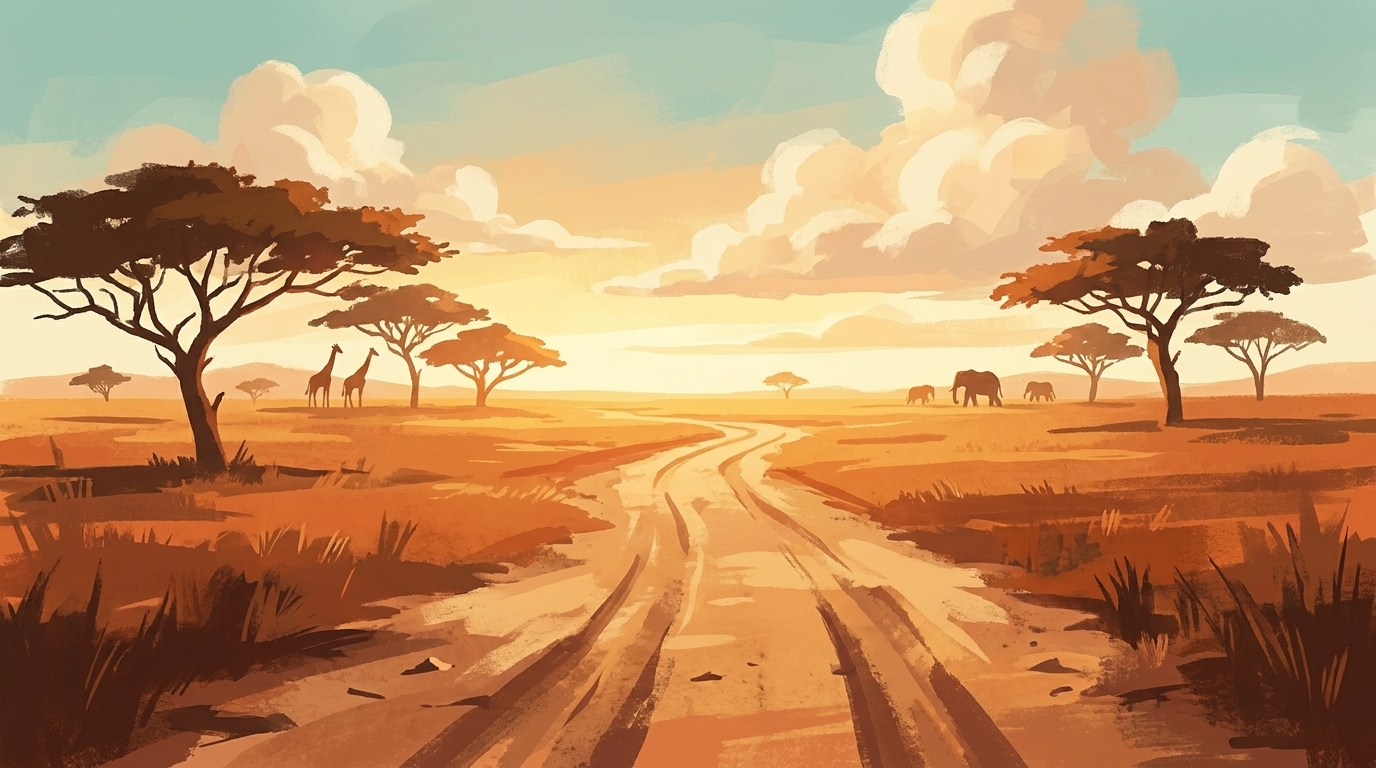
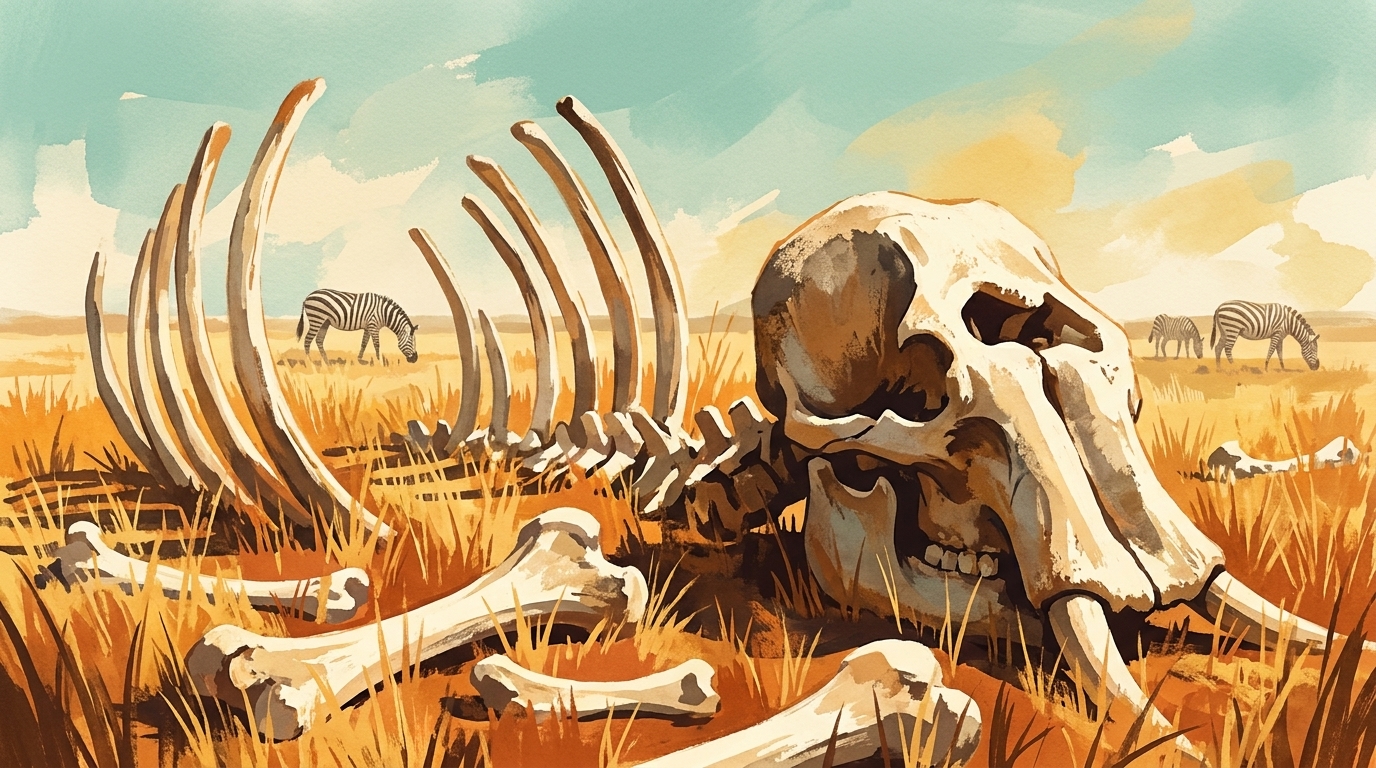
A few days into our trip, our guide slowed the truck beside a scatter of white shapes in the grass. Elephant bones. A skull the size of an armchair, ribs curved like the frame of an overturned boat, everything bleached and half swallowed by the plain. Six months, he guessed, maybe a little longer. What remained were the parts too big for anything else to want.
My wife and I stood in the safari truck and looked at it for a while. There was no marker, no ceremony, no story attached. Forty meters away a small group of zebra kept grazing, heads down, entirely unbothered by the enormous skeleton beside them. Nobody here is mourning.
The first time we rolled up on a pride of lions, my body did what bodies do. Shallow breath, hands finding the edge of the seat, a quick calculation about how high the sides of the truck actually were. By the fifth day of safari, we were parked in the middle of thirteen lions. Two meters away, close enough to hear one of them chewing, close enough to see the flies on their faces. None of them noticed us.
There's a particular feeling that comes from being completely irrelevant to a lion. We had driven into the middle of their afternoon and it had changed nothing. To them, our truck was a strangely shaped rock that occasionally smelled of people. Our guide said the pride had eaten two days earlier and would sleep until hunger moved them again. Thirteen animals, an entire afternoon, an entire week, organized around one appetite that hadn't arrived yet. Waiting to be hungry is a full calendar out here.
A buffalo stood alone in the mud one afternoon, old and enormous and entirely by himself, no herd anywhere in the frame. Our guide barely slowed the truck for it, because there was nothing unusual to see. He explained how a pride works, how one dominant male holds it, how the young males get pushed out once they are old enough to be a threat. The whole arrangement exists to keep the bloodline from folding in on itself, and everything about who stays and who goes serves the next generation rather than the animal doing the leaving. We passed male elephants walking their own routes, alone for years at a time. The picture I had carried since childhood, of animals living in families the way we imagine families, was wrong in a way that was hard to unsee. Solitude out there is the price of keeping the line clean.
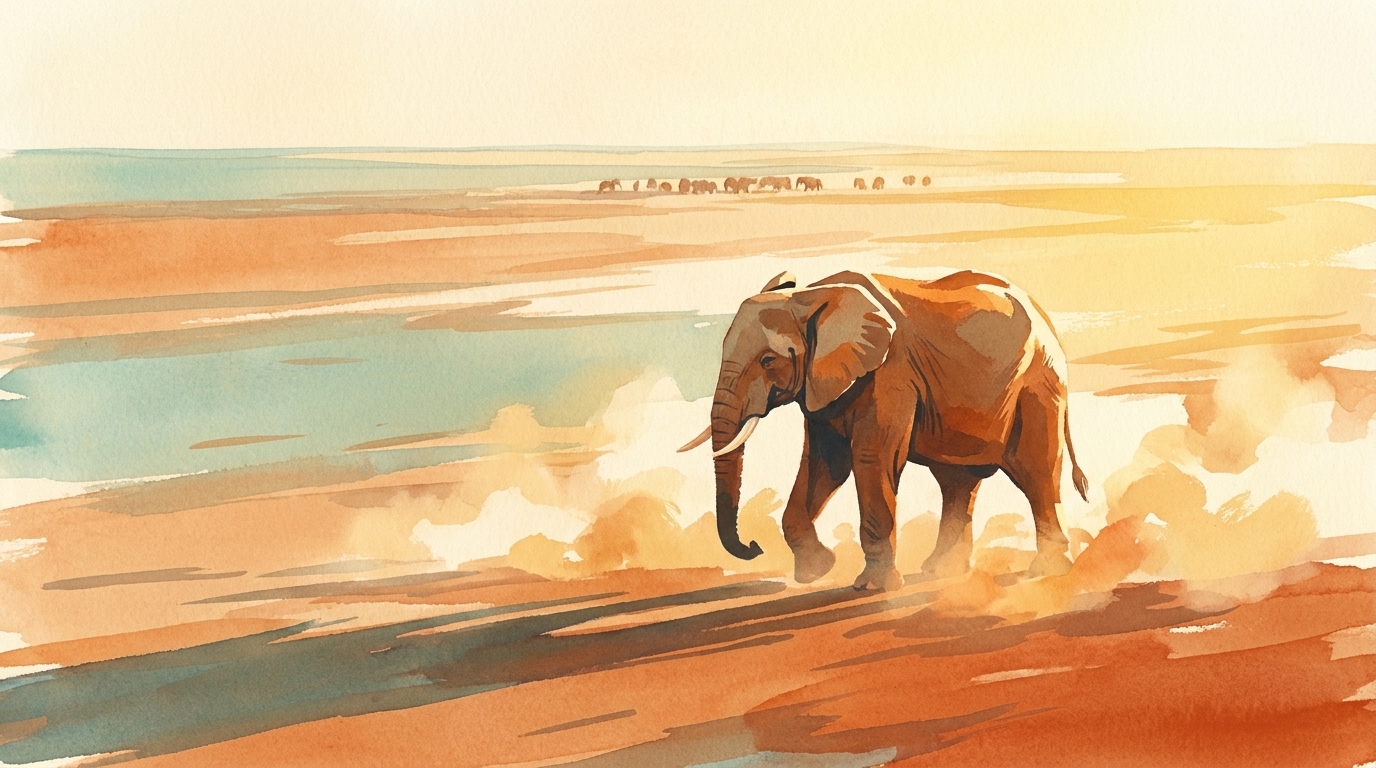
A calf walked tucked between the legs of the bigger elephants, small enough to vanish underneath them entirely. He wouldn't survive without his mother for years, our guide said. She teaches him the water routes. She teaches him what is safe to eat. Everything she gives him is in service of keeping him fed long enough to have calves of his own, and then his own calves after that. The father contributed his genetics and walked away into the rest of his life. I thought about my own mother more than I expected to on a safari.
Death was everywhere and nobody was making anything of it. At a river crossing, we watched crocodiles take wildebeest out of the current while the rest of the herd kept pouring down the bank and kept climbing the other side. A lion killed a zebra. Another lion killed a vulture. Carcasses lay in the grass in various stages of becoming grass again. Within an hour of any of it, the animals nearby were eating, walking, resting. No processing, no meaning-making, no story about what it meant for the future.
By the end of the trip, everything our guide had spent two weeks explaining fit onto a very short list. The hunger that set the schedule for thirteen lions. The arithmetic of who stays and who gets pushed out, all of it in service of the next generation. The bones in the grass that nobody stopped for. They eat. They procreate. They die. Nothing out there was carrying anything extra.
My own days hold food and love and mortality too, and then somewhere on top of that sits everything else. An email I've been avoiding. A market I check for no reason that would survive scrutiny. The way a sentence landed in a conversation three weeks ago that I'm still turning over. Plans for a year that hasn't happened. Opinions about people I'll never meet. Preferences about how a room should look, how a morning should go, how I should be perceived by someone whose name I'd struggle to recall in a decade.
I'm not romanticizing wildlife. Life there is short and often brutal, ending in teeth. Hunger is real and constant, and there's no version of me that wants to trade the thermos of ginger tea for the honest simplicity of being eaten. The complexity we've built has bought us medicine and music and the ability to fly to East Africa for the express purpose of looking at animals.
But somewhere in that trade, the appetite kept growing past what it was for. The needs became wants, the wants became expectations, and the expectations became the daily weather of my inner life. I sometimes feel I spend more energy managing my opinions about my life than living it.
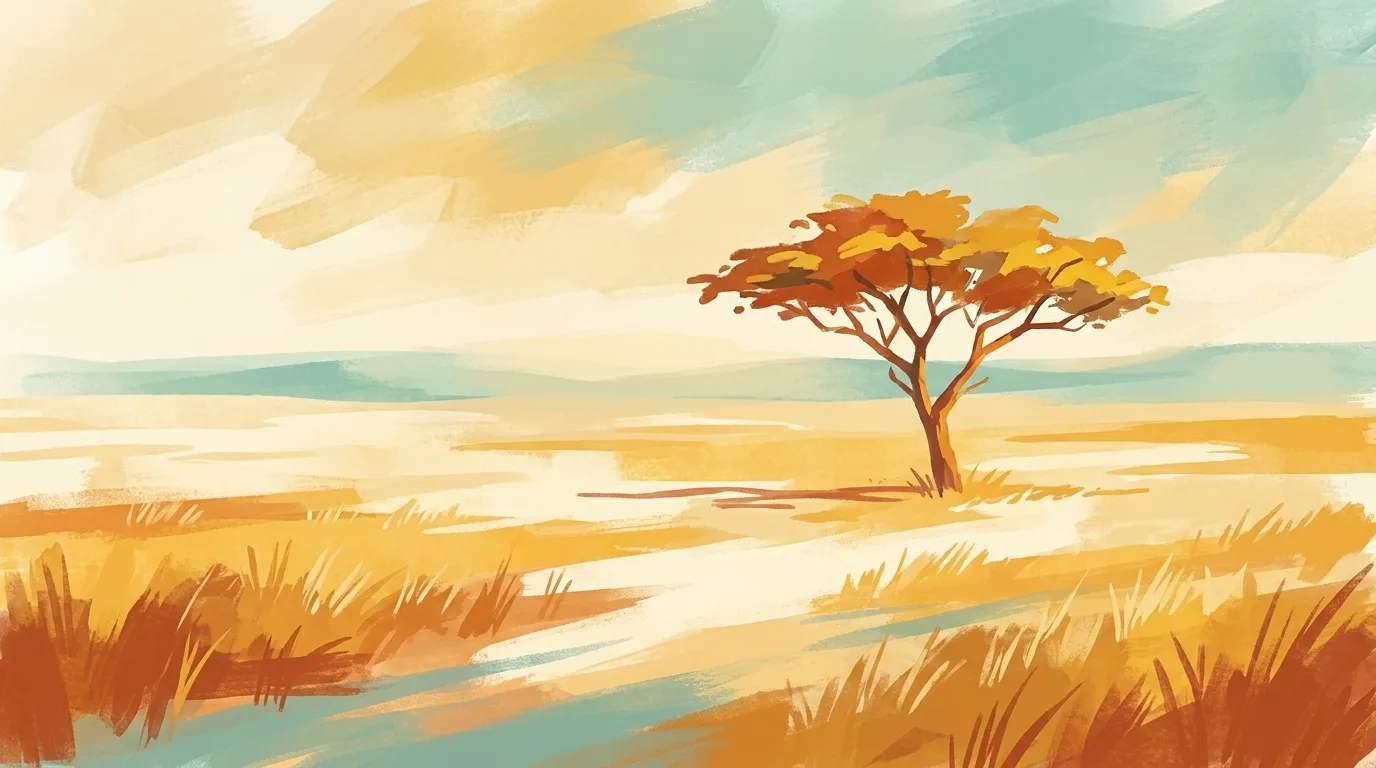
On our last morning, before the drive to the airstrip, the light came up over the grass and a hyena trotted past the camp with somewhere to be. My wife was still asleep. The kettle was heating. Everything out there was starting its day with the same short list it had started every other day with, and the list had been enough for a very long time.