
ChatGPT or Claude?
The irrelevant question

Relearning how to work in an AI era
Just five minutes. It's what I tell my wife when I'm going back to check on my coding agents. They've been working while I've been away from the screen, and it feels about time to see how they're getting on. A quick look, a few instructions, then back to whatever we were doing. Twenty minutes later, I'm still there, and by the time I leave I've given them enough work to bring me back again.
For fifteen years running a company, my workday had a structure that was well understood. Eight in the morning until six in the evening, five days a week, connected and focused, in front of a screen or in front of people. Ten hours a day that I could point to and call work. There was a workday, and I knew when I was inside it. And when I was not.
Now my team is made of Claude Code and Codex agents, and twenty minutes is enough to get twenty agents started. It's the equivalent of having twenty one-minute meetings with direct reports, explaining what needs doing and sending everyone off to do it. Once they're working, there's little reason for me to sit there watching. Breakfast with my wife, tidying our apartment, something ordinary I can do while the work continues without me.
After a while, there's an itch to check on them, like remembering something is baking in the oven. They've probably had enough time. Back at the screen, roughly a quarter of the agents have done something that makes me frustrated. Another quarter need encouragement, which mostly means typing, "You can do it without me. Stop asking me for permission." Half have finished and are ready for review, followed by another assignment. This isn't that different to managing a team of humans.
I then spend time correcting, encouraging, checking and briefing, and everyone is working again. It's surprisingly familiar after running a company.
Then I can shower, spend forty minutes meditating and doing yoga, get changed, and come back for another burst. The intervals vary with whatever I'm doing and whatever the agents need, but the pattern carries on from five in the morning until eleven at night. Add up the time I'm actively working and it's perhaps only five or six hours, but spread across sixteen hours. My wife absolutely hates it.
Enjoying this? Get the next Unprompted dispatch in your inbox.

The part I keep trying to explain is how productive this feels. My estimate is that I get four times as much done this way as I would sitting at my computer or in meeting rooms for eight hours straight. It isn't a controlled experiment, just the difference I feel. Twenty team members keep making progress while I'm doing something else, and my attention only goes where they need judgment or direction. Why stay at the desk when the work doesn't need me there?
My usage numbers have become absurd. Eight Max plans, spread evenly between Claude Code and Codex, with limits I hit every day, a week's allowance gone in about eight hours, and I estimate over one billion tokens a day. Most of that happens while I'm away from the screen. Counting my work hours no longer tells you how much work is happening.
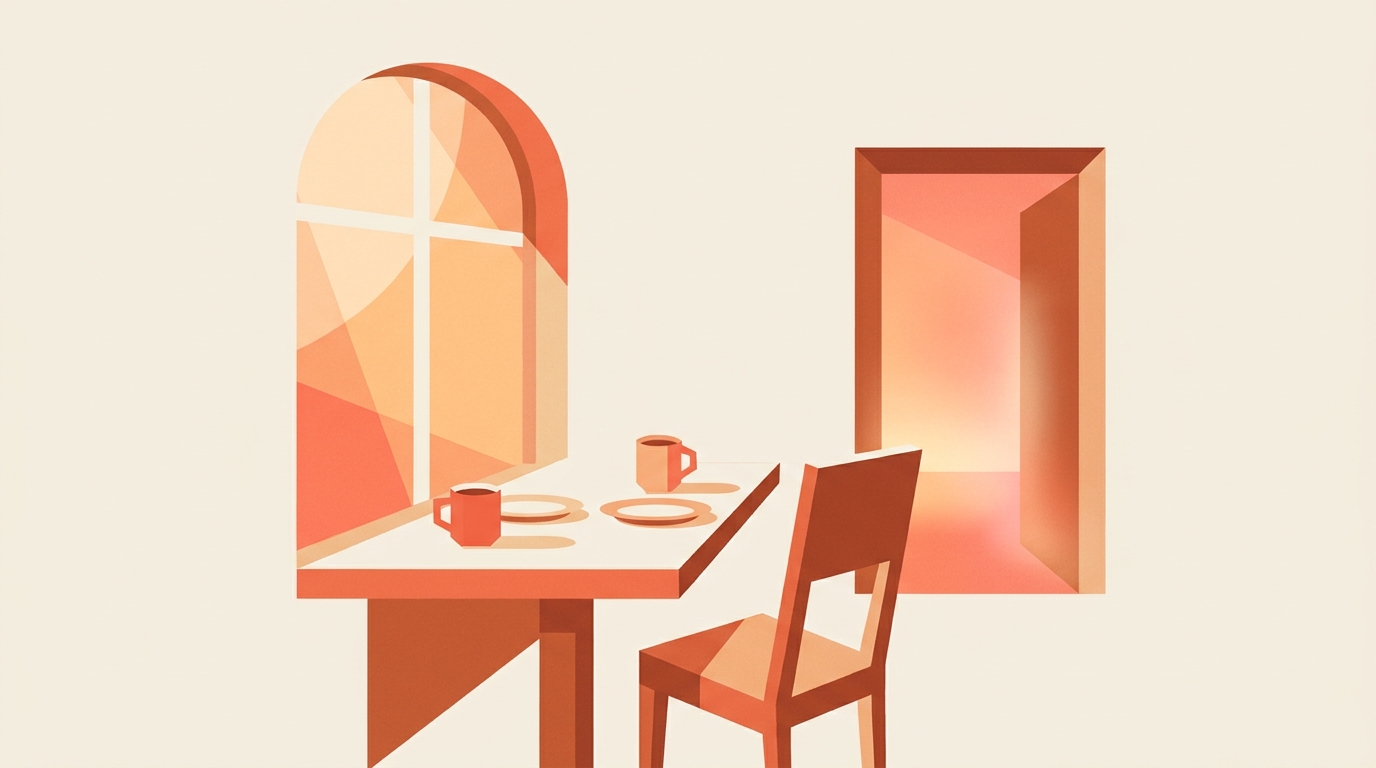
From my perspective, there's more room in the day for ordinary life. From my wife's perspective, there's a husband who says he'll be five minutes, comes back twenty minutes later, and does it again an hour after that. Both perspectives are true. Breakfast together is a real gain. Never quite knowing when I'll disappear back to the agents is a real cost, and my math doesn't cancel it out.
What I didn't see coming is how hard it has become to be finished. Every review can become a new assignment, and every assignment is a reason to come back. Even a good run leaves me with something to check and a decision about what's next. One more review and then I'm done is easy to believe, right up until the review gives me another idea. The agents will keep going as long as I keep feeding them. I have to supply the ending myself.
Our calendars still assume there's a stretch of time when you're working and another when you're available. My days don't split that way anymore. Even a free hour has work running somewhere, and the chance I'll be pulled back to it.
"Just five minutes" is a small promise that I continue to break, throughout the day, every day. I'm either lying to myself and my wife, or getting a preview of what working in an AI era might actually feel like for the masses. Or both.
Unprompted, the podcast
This post, as a conversation
The newsletter
Dispatches from building with AI every day.