Expiry
Somewhere around four in the morning, I woke up in
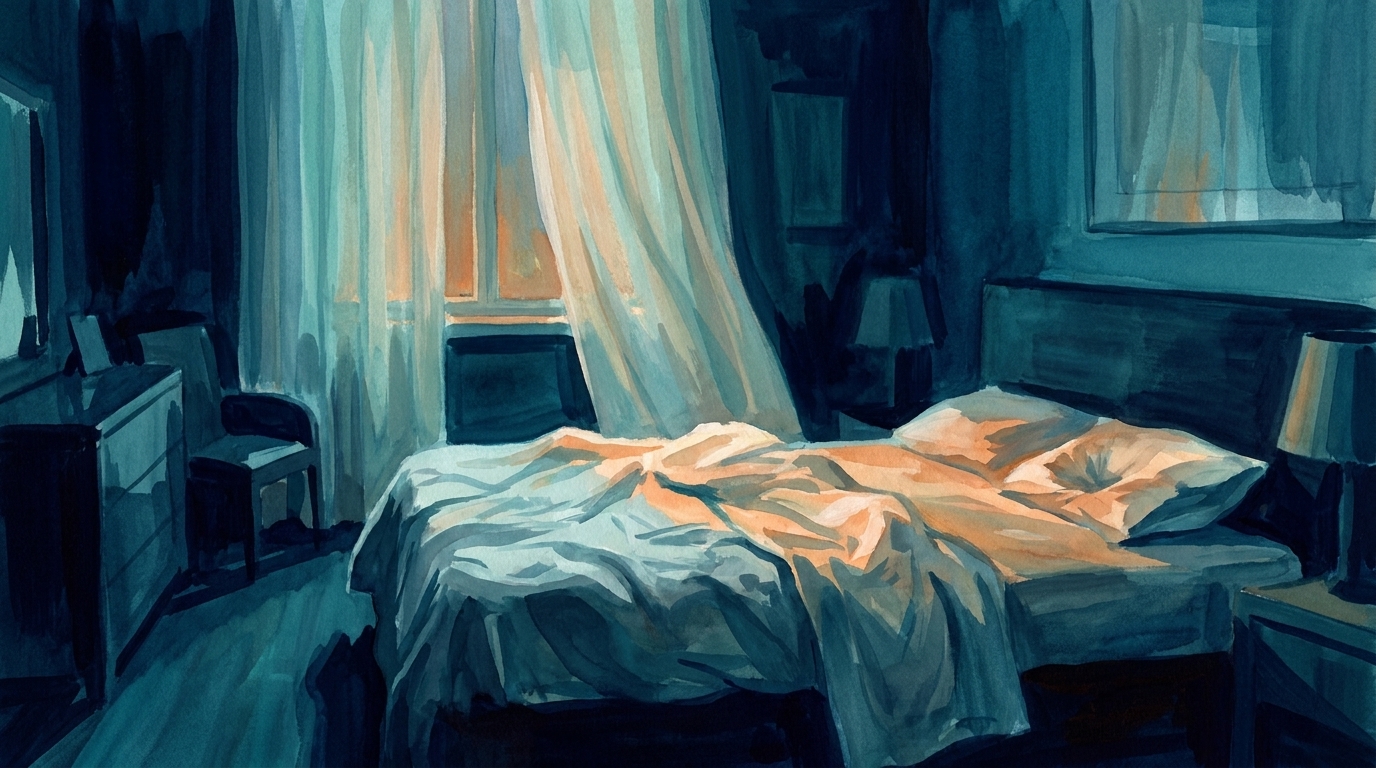
Somewhere around four in the morning, I woke up in our bedroom in Lisbon with my chest tight and my hands cold, certain that someone I loved had died.
The room was still dark. My wife was asleep beside me, breathing slowly, entirely fine. In the dream, there had been a death, and the strange part is that I couldn't tell who. Just the fact of an absence and my whole body reacting to it.
What I remember most clearly is that I felt angry.
In the dream I was furious that they had left me, as though a decision had been made without consulting me, as though I had been abandoned rather than survived. Mad at someone for dying. Lying there in the dark, I couldn't get past how telling that was.
I stayed on my back for a long while and let the feeling run its course. Breathless is the word for it. I started imagining the practical shape of a life without some of the people I love in it, the mornings without our kitchen noise, the calls I wouldn't make, the person I would no longer be reflected back to.
But I couldn't imagine it. I genuinely could not construct the picture. I am dependent on the people around me for companionship, for love, for the sense that I exist. That dependency has always felt like a kind of wealth. At four in the morning it felt like a liability.
I rolled out of bed, went to the dining room table, turned on a lamp and started to journal.
The question that came up was knowing that I feel so dependent on my loved ones, what do I do about it?
One option is to close up. Need less, let fewer people in, keep the circle small enough that no single loss could take me down. I've watched people build this and I understand the logic of it. It also feels like enormous work, holding a door shut for the rest of a life, and the reward for all that effort is loneliness with better insulation.
Another option is to pretend. Carry on as though nothing changes, keep everyone inside a bubble I've drawn around our life, and grip them tightly enough that time can't reach in. If I'm honest, this is the door I actually live behind most days. It's comfortable. It's also why I get impatient when my parents repeat a story, why I correct my wife on details that don't matter, why I occasionally treat the people closest to me like they will be around me forever. Gripping doesn't feel like fear from the inside. It feels like ordinary domestic irritation.
The third option is harder to hold and it's the one the dream pushed me toward. To love what I have while knowing it ends. To feel the depth of it now, fully, and accept that the arrangement is temporary, that one of us will go first, and that no amount of care changes the sequence.
That sounds like something to believe. What I noticed the next morning is that it's really something to act on.
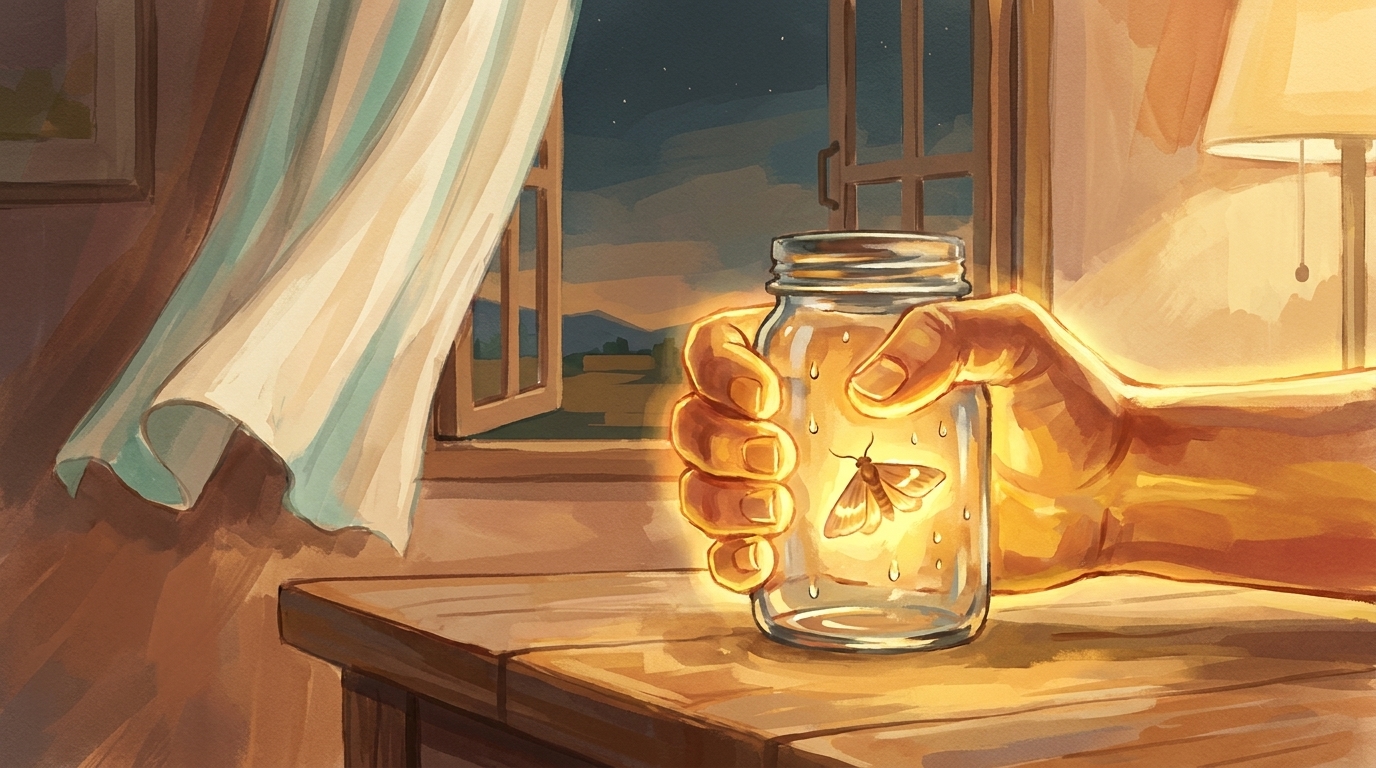
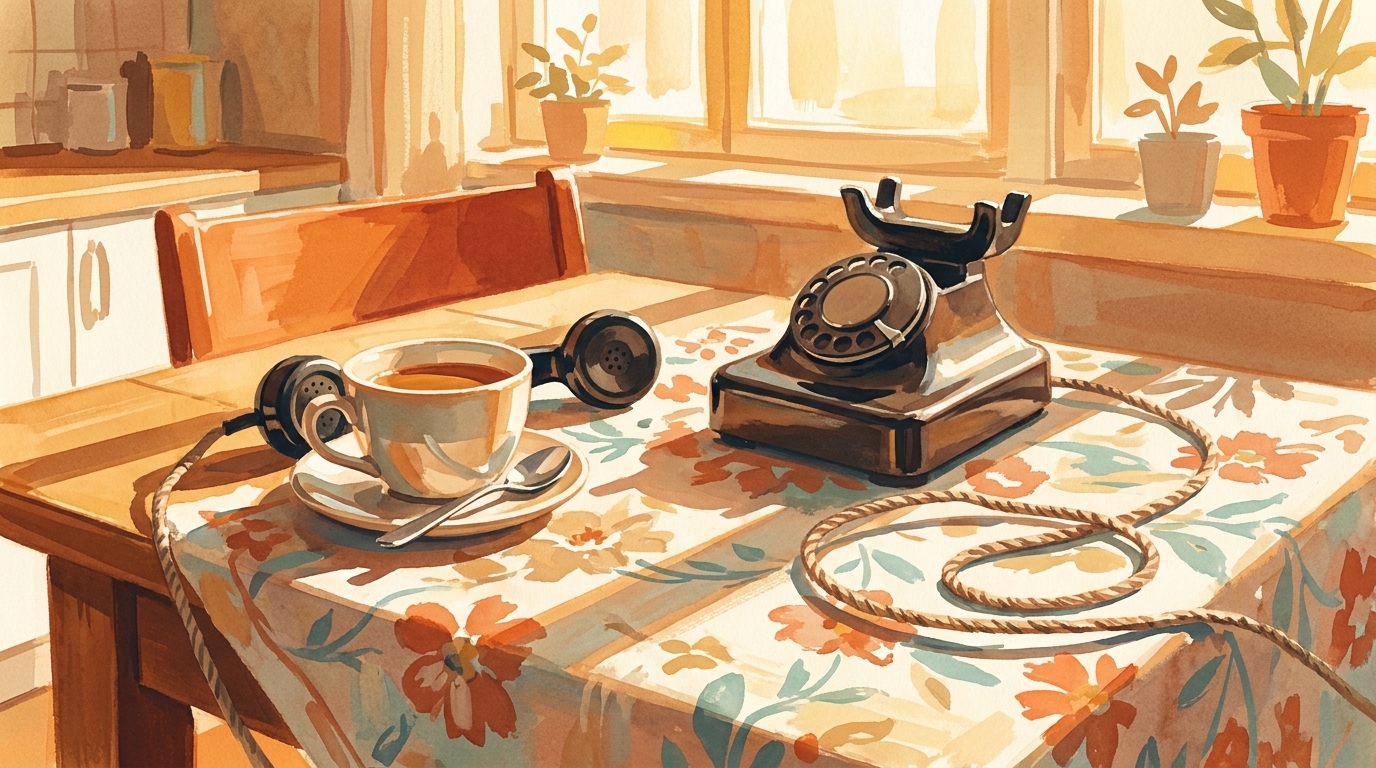
We had breakfast at our table around eight, the light coming in the way it does in the summer, and my wife started telling me about a conversation she'd had with a friend the day before. I'd heard a version of it already. Some part of me was ready to say so, to move things along, to be efficient with a story I already knew the ending of. I didn't. I sat there and listened to all of it, including the parts I'd heard, and watched her face while she told it. Her hands move when she gets to the part that matters to her. I've been married to those hands for a bit now and I'm not sure I'd ever looked at them during a story I found repetitive.
Later I called my parents. My mother told me about the neighbours, the weather, a doctor's appointment she'd already described last week. The old reflex was there, the one that wants to redirect the call toward something substantive. Substantive for whom. We talked for forty minutes about nothing and I let her have all of it.
There's a version of me that would call this morbid, spending a Tuesday thinking about the mortality of everyone I love. It didn't feel that way. It felt more like patience. Less judgement, fewer expectations, a longer fuse, more tolerance for the ordinary personalities of the people I've been given a chance to be around.
Somewhere in that call I caught myself doing a thing my mother does, asking a second small question about a small thing so the other person keeps talking, and I have no memory of learning it. My father is in there too, in the phrases I reach for when an argument tightens, phrases I've heard come out of my mouth and disliked and gone on using anyway.
The body has an expiry date, and whatever a person actually is seems to keep moving without it, installed in the people who spent enough hours nearby, running quietly underneath how they hold a fork or end a phone call. None of that softens the thing I was rehearsing at four in the morning. It does suggest the loss isn't total, that some part of an arrangement outlives the arrangement, carried forward by people who never agreed to carry it.
I still don't know who died in that dream, and I've stopped trying to work it out. Everyone in my dream though was in my next day, passing food, telling stories I'd heard before, and nothing between us had changed overnight except that I could finally see the reality I'd been living under the whole time. It will all change.