Play
We had just finished dinner.
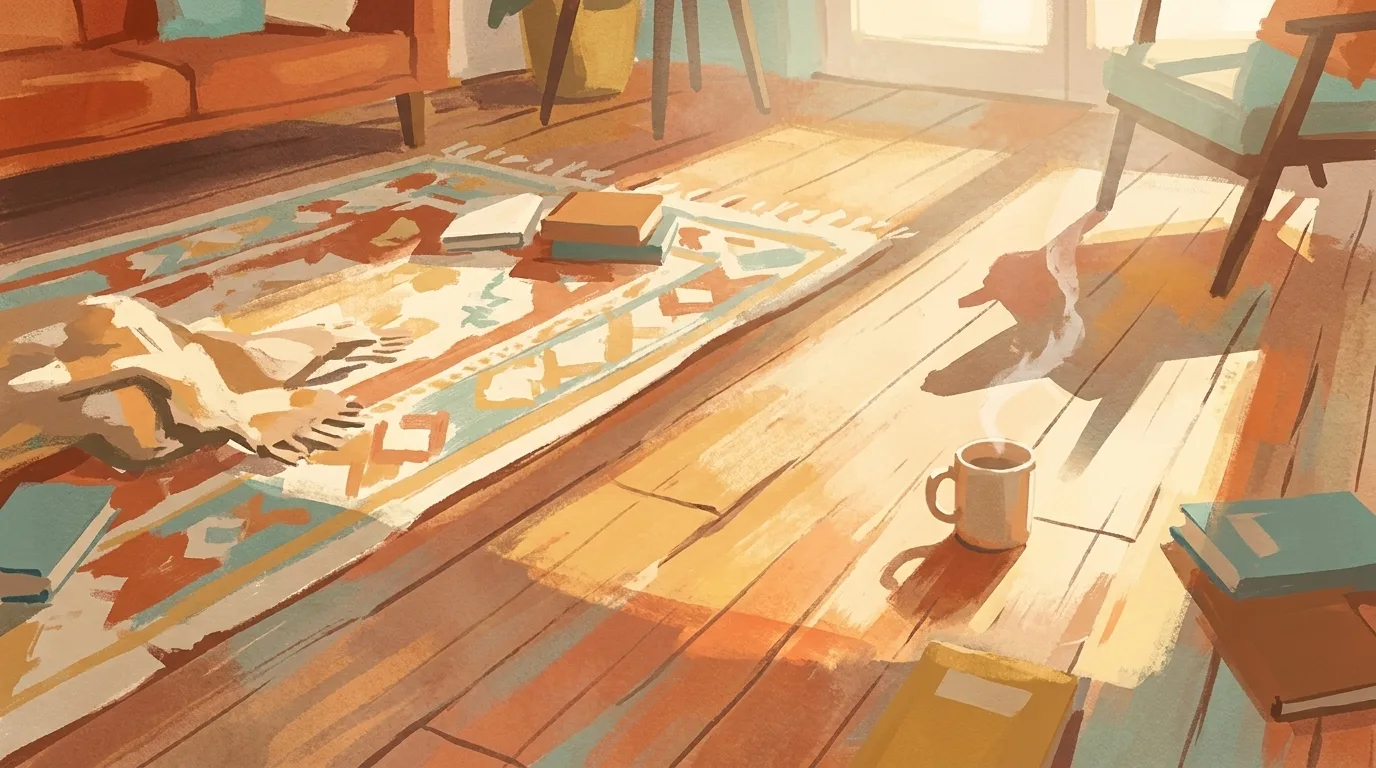
We had just finished dinner. The plates were still on the table, our guest's legs swinging under his chair, my wife wiping something off his cheek.
I felt a sudden urge and reached for my phone, opened Spotify, and turned the music up louder than I usually would in our apartment. Then I pulled his chair out into the open space of the living room.
His tiny feet started to move. My not-so-tiny feet followed suit. What ensued was a full-blown, spontaneous dance party, the kind I'll probably remember for years to come.
The next night, we did it again. And the night after that. And the night after that.
My five-year-old nephew was staying with us for the past week in Lisbon while my sister and brother-in-law traveled to a friend's wedding in Europe. It was our first time we took care of him alone, and we had gone in bracing for something much harder than it turned out to be. Not because he was easy, kids are never simply easy, but because I discovered something I hadn't expected. He was fun in a way I hadn't quite let myself experience before. A fun that I think can only be found with your own kids or with family close enough that the distinction stops mattering.
He was enrolled in a summer camp for the week. After the first day, I turned to my wife and said, I don't really want him to go to camp. I actually just want to play with him. I picked him up early on the second day. Earlier on the third. By the fourth and fifth, we didn't bother going to camp at all. We instead moved through Lisbon together, but mostly stayed home, and let the hours find their own shape.
Eating a meal became a game. Brushing teeth became a performance. The bedtime routine had negotiations, plot twists, and small ceremonies. Things I do without noticing became, in his presence, things worth doing with attention. He was just curious. The ordinary was interesting because he hadn't yet decided it wasn't.
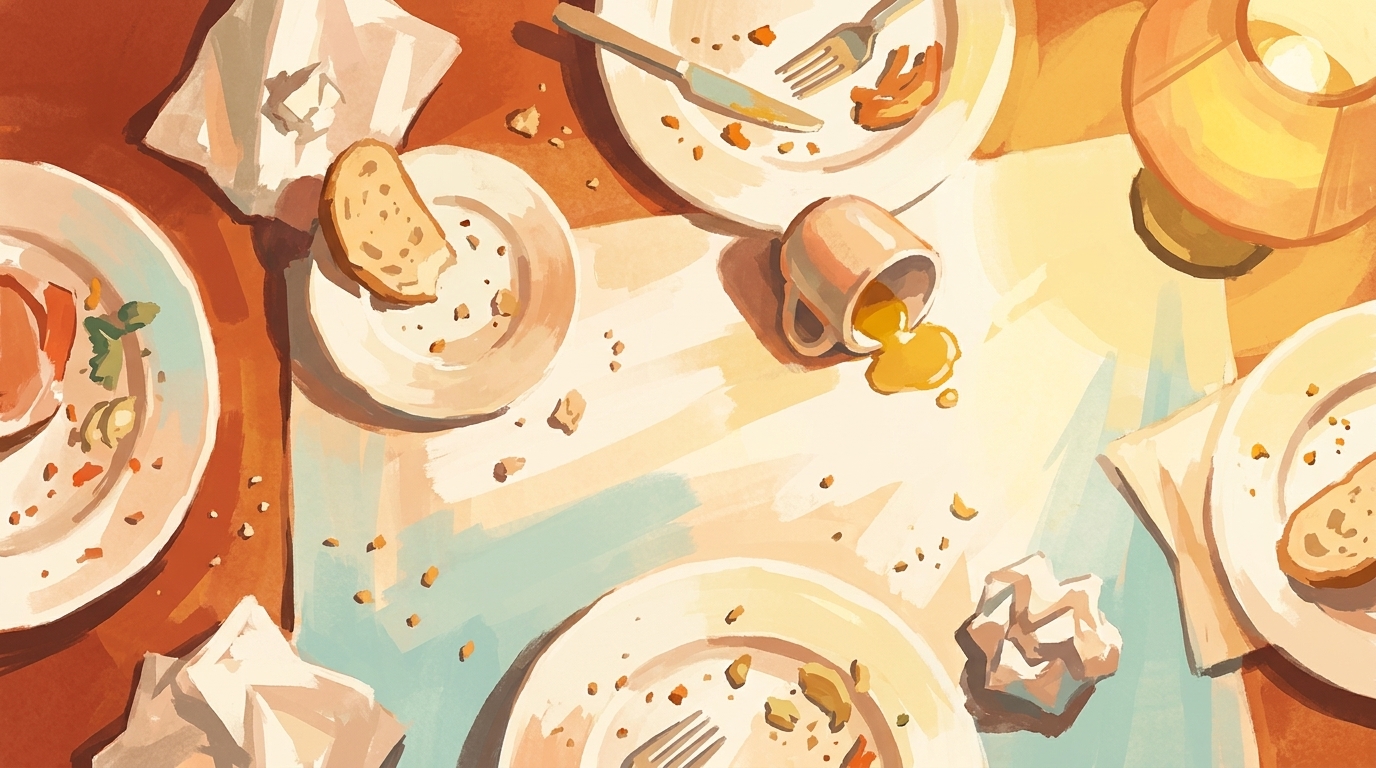
Our apartment isn't set up for children. We don't have the shelves of toys, the play mats, the bright walls, the color-coded bins I see at my sister's house and at friends' homes with kids. I had assumed this was going to be a problem. A week in, I realized it wasn't. He found things. He made things. A cushion became a fort. A wooden spoon became a microphone. The music on my phone became a dance floor.
After the second day of us keeping him fed, clean, safe and entertained, my wife said something to me in bed that night something that I'm still holding onto. My nephew was bringing out my playful side. Sides she was really happy to see me experience.
I didn't realize it until she named it.
Over the last few months I've been talking with my wife, my friends, my therapist, about a kind of seriousness that's been settling into me. A doing energy. The difficulty of sitting through a two-hour movie without reaching for something else. The subtle pull to make every open hour productive. Not workaholism exactly, but rather a slow narrowing of what feels acceptable to do with a day.
And with my nephew in the house, that narrowing just dissolved. Not because I decided it should. Because there was no room for it. His energy displaced mine.
I've written about play before, most recently after a night at an arcade in Lisbon with a friend. That night taught me something about presence, about how play removes the performance of adulthood for a few hours. But this week taught me something different. Play at the arcade is a destination. I go there to play. I leave and the play stays behind, waiting for the next visit.
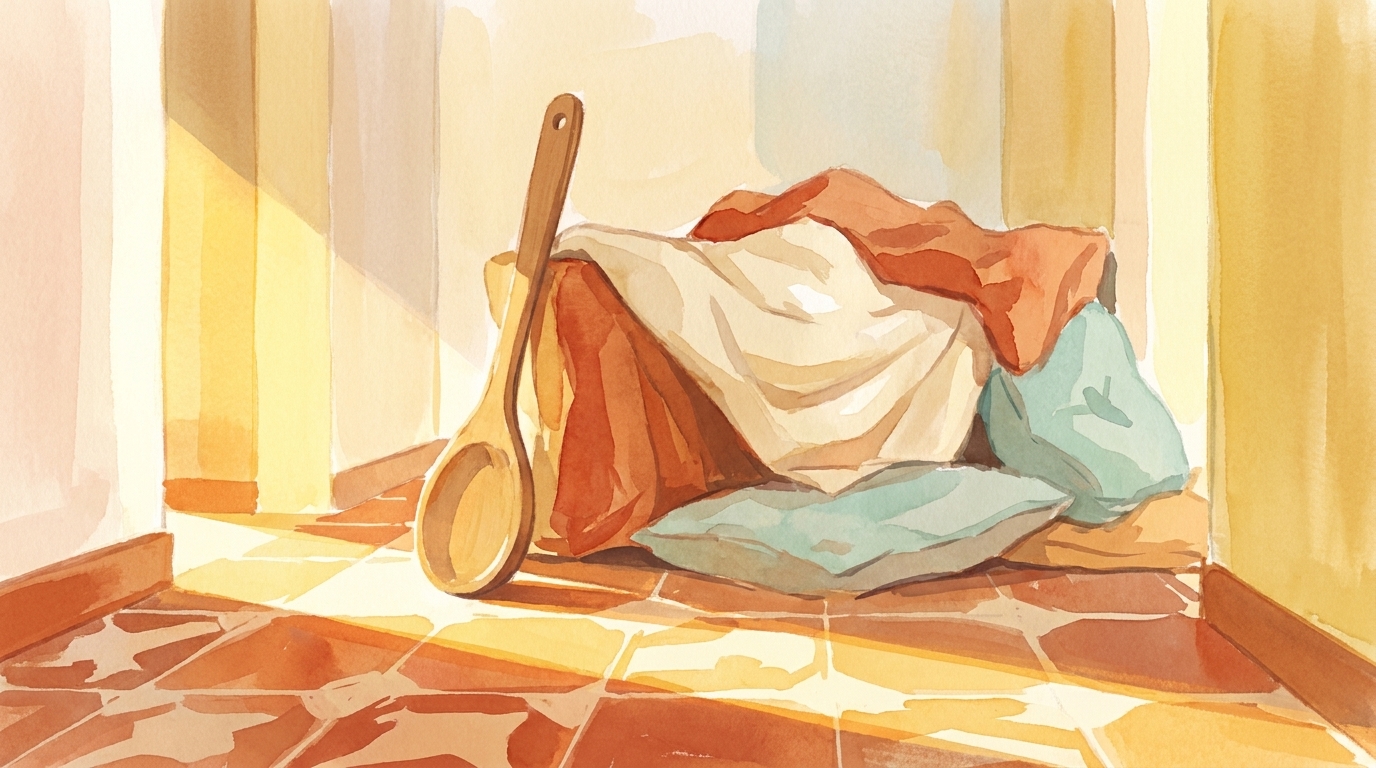
Play with my nephew wasn't a destination. It was a mode. It came with him into every room, into every task, into moments I would otherwise have treated as boring logistics. He didn't need special equipment or a designated play area or a scheduled activity. He brought play the way some people bring warmth into a house just by walking in.
I keep thinking about that. About how many parents I know have built elaborate infrastructures for their children's play, and how much of that infrastructure might be about the parents' creativity more than the children's needs. My nephew wasn't lacking anything in our apartment. He had a wooden spoon and a cushion and two adults who loved him. That was enough.
Maybe it's enough for me too.
The playful energy I felt this week isn't going to come back by going to more arcades or booking more concerts. Those are good. They're not the thing. The thing is quieter and closer. It's whether I can brush my teeth the way my nephew brushes his teeth, with a small measure of interest in the fact that I'm brushing my teeth at all. Whether I can turn up the music after dinner without needing a reason. Whether I can let a meal become a game, or let a walk become a wandering, or let an ordinary Tuesday evening become a dance party, just because someone I love is standing in the room.
My sister and brother-in-law came back and took him for the next leg of their European summer adventure. Our apartment is now quiet again. My wife and I sat at the table where we'd eaten a hundred meals before, and it felt, for the first few days, a little too quiet and still.
The house is still empty of toys. It always had everything we needed.