Underground
The Lisbon I knew was never the whole picture
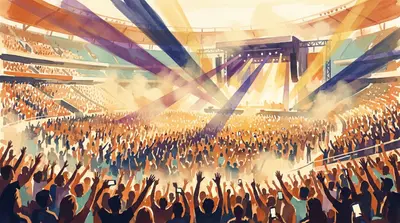
Yesterday, my wife and I were walking through our neighbourhood during the Festival of the Sardines, the one that takes over Lisbon every June. Most years I've been somewhere else when it happens. This year we were here, weaving through streets thick with grilled smoke and music and people pressed shoulder to shoulder, sardines on paper plates, plastic cups of beer, the whole city out in its summer clothes.
We kept telling ourselves we'd call an Uber from the next corner up. Then the next one. Each street we turned onto was closed to cars, barricaded, claimed by the festival. The further we walked, the fewer options we had.
Unsure of how to get home, the thought came to me of taking the metro. I've never actually taken the metro in Lisbon. I've tried a few times over the years and something has always been wrong with it. Flooded once. Delayed another time. Closed for repairs the time after that. I'd started to assume the Lisbon metro was more of an idea than a reality, and I'd built my life around not needing it.
We found the entrance and walked down. One level, then another, then another. Three or four flights below the street, the way the Paris metro descends. I had no idea Lisbon went that far underground. I had no idea what to expect at the bottom, no idea how to pay, no idea where we were going. We just kept descending.
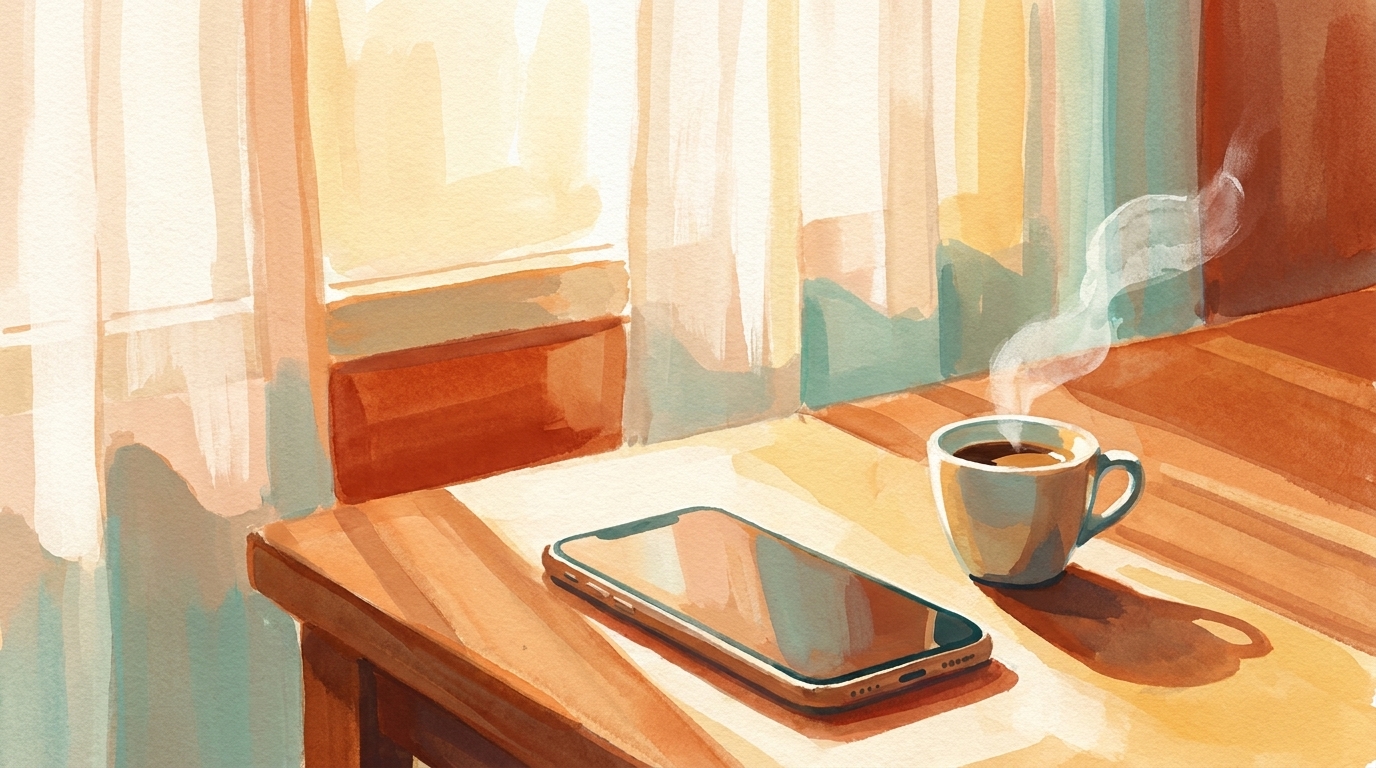
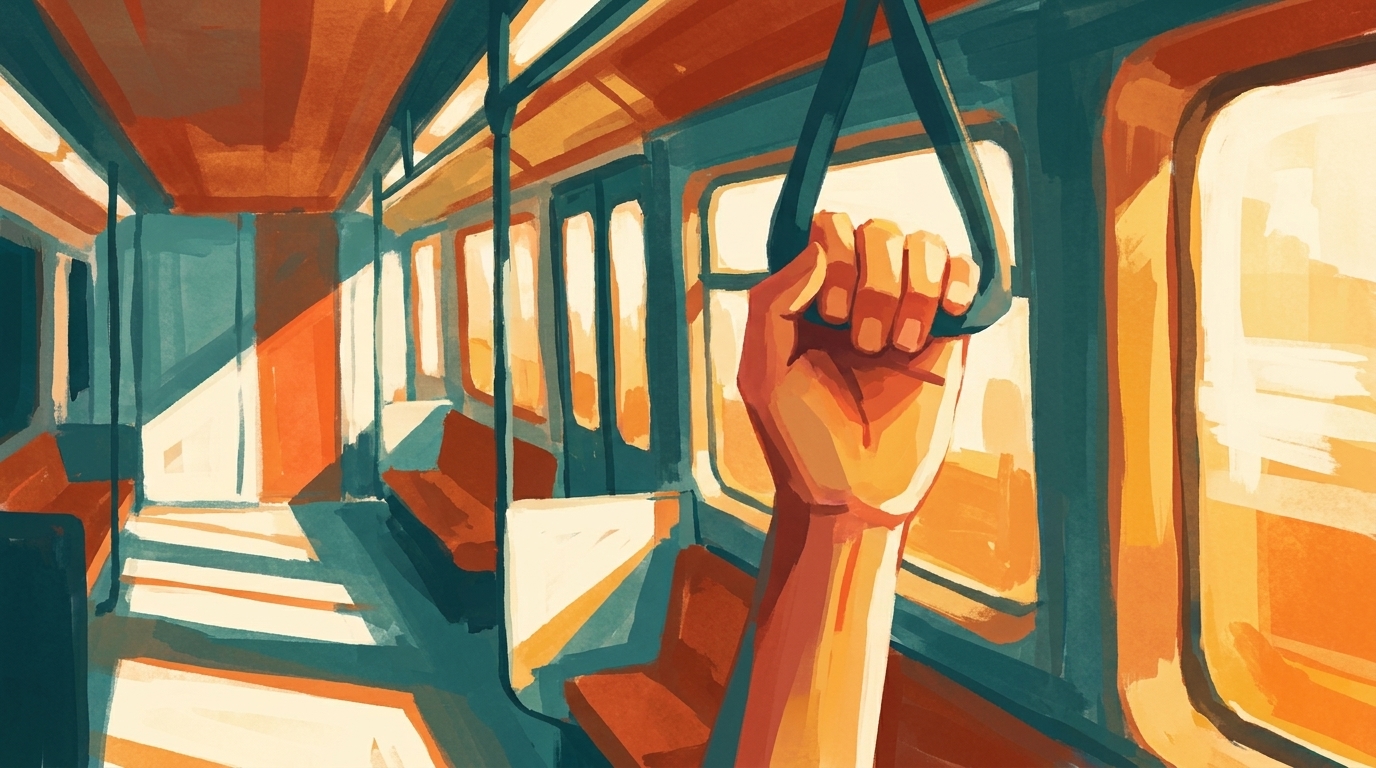
The platform was full of locals waiting for the next train. Phones out, headphones in, the practiced patience of people who do this every day. For them, this was Lisbon. This was how they got to work, how they came home, how their city actually moved. And standing there, waiting for the train, I completely forgot I was in Lisbon at all. It felt like New York. It felt like London. It felt like any of the big cities I'd spent years in, descending into the earth to be moved through it.
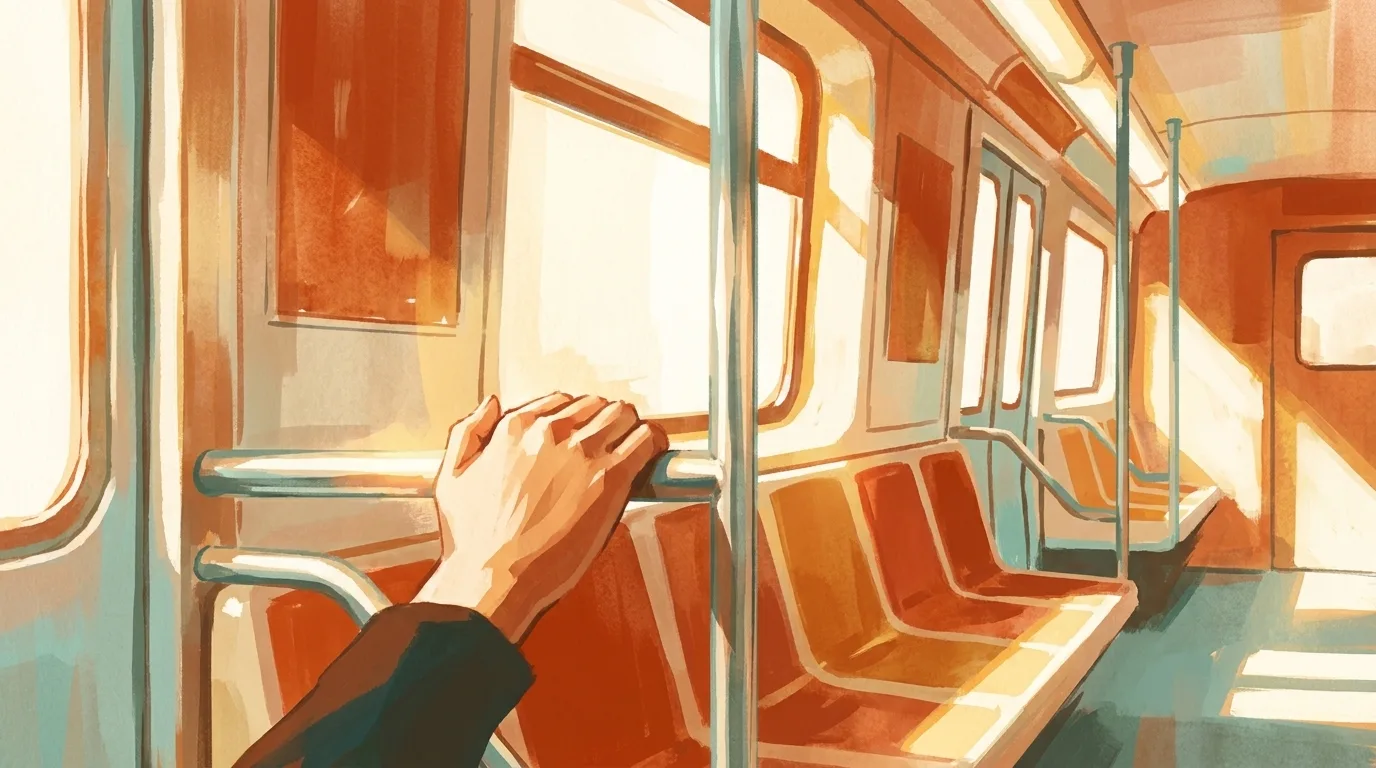
The train arrived. We got on. And something tightened in my chest that I hadn't felt in a long time.
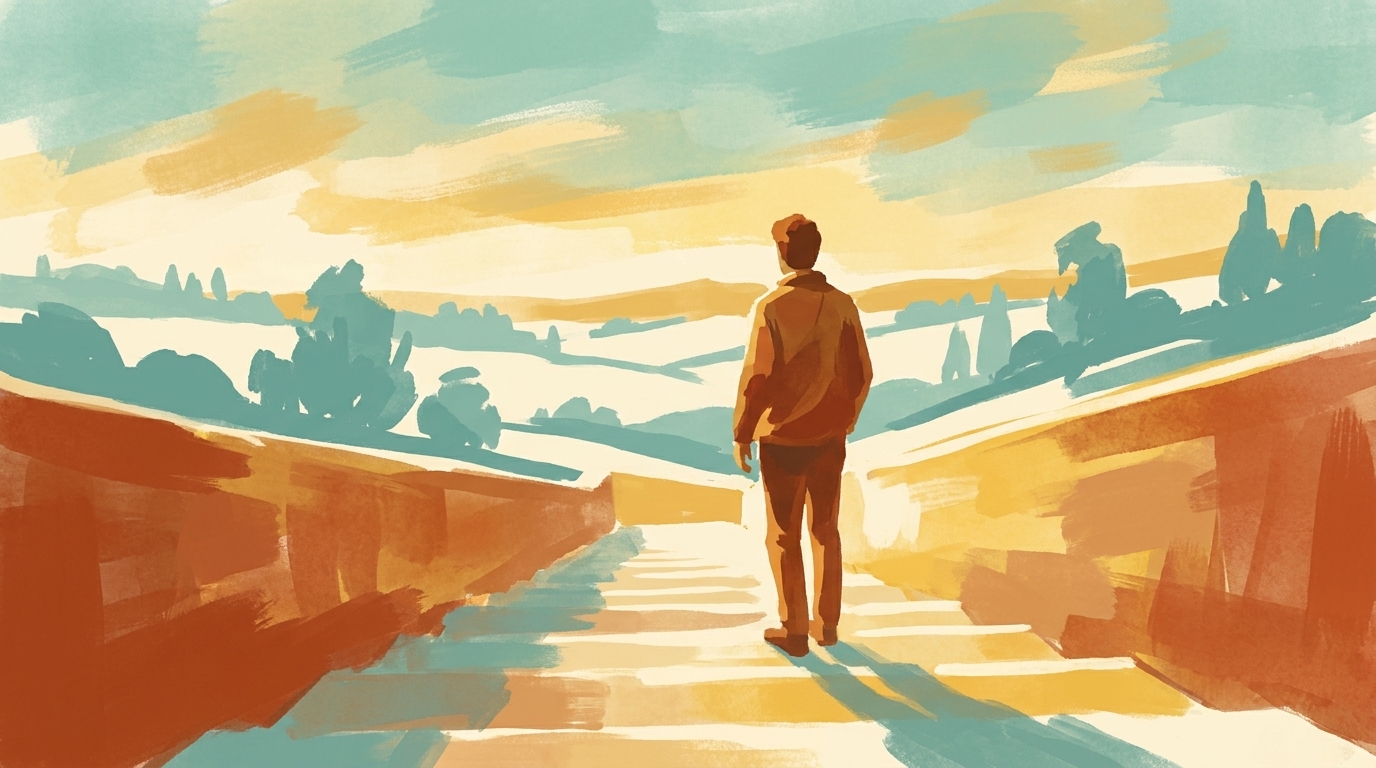
I lived in New York for nearly a decade, riding the subway sometimes four or five times a day. I was in London last week and rode the Tube from a station that still feels familiar in my body. There's a particular sensation to standing on a crowded platform in a big city. The air pressure changing as the train approaches. The collective shuffle toward the doors. The way time gets organized around departures and arrivals rather than seasons or meals. My body remembered all of it instantly. Faster than I wanted it to.
I came to Portugal to get away from this. That's the story I've been telling for five years now. I left the grind. I chose slowness. The Lisbon I'd chosen to see was cobblestone streets and steep hills and tiny cafes selling pastéis de nata. Espressos for a euro. Yellow trams clanking past at walking speed. A city that physically wouldn't let me rush.
The metro had been running under my feet for all of those years. Full of people commuting because they couldn't afford to live where they worked, the same way they commute in every big city on earth. Lisbon is not actually a slow village built for tourists and expats. It's a city of nearly three million people, and most of them are not sipping ginger tea in a courtyard at eleven in the morning. They're underground, moving.
I'd told myself the metro was unreliable. Maybe it was unreliable because I needed it to be. Maybe the broken metro was a story I'd been telling so I didn't have to confront the city that existed beneath the one I'd curated.
Standing on that train, watching the locals stare at their phones the way I used to stare at mine on the F line, the old rhythm found me instantly. It hadn't been waiting for me back in New York. It had been here the whole time. The hustle wasn't a city I'd left. It was a posture I'd carried, and the cobblestones had just made it harder to notice.
There's a version of this we all do, I think. We pick a place, or a job, or a relationship, and we tell ourselves we've chosen it for what it is. But often what we've really chosen is what it lets us not look at. The slow city lets me believe I'm slow. The new job lets me believe I've grown. The new relationship lets me believe the old patterns belonged to the old person.
And then something closes the streets we usually walk. A festival, a delay, an unexpected detour. We end up somewhere we'd been routing around for years, and the part of ourselves we thought we'd left behind is already there waiting, holding a phone, staring at the floor, perfectly at home.
We got off at our stop. Walked up the levels, back into the festival smoke and the warm evening, the Lisbon I recognized. My wife said something about how easy that had been, how we should use the metro more often. I nodded. I wasn't sure yet whether I would.
Five years of telling people I'd outgrown the big city, and the big city had been running underneath me the whole time. I just hadn't taken the stairs down.
The metro will still be there tomorrow. So will I.