Status Quo
It is that way because we choose it to be.
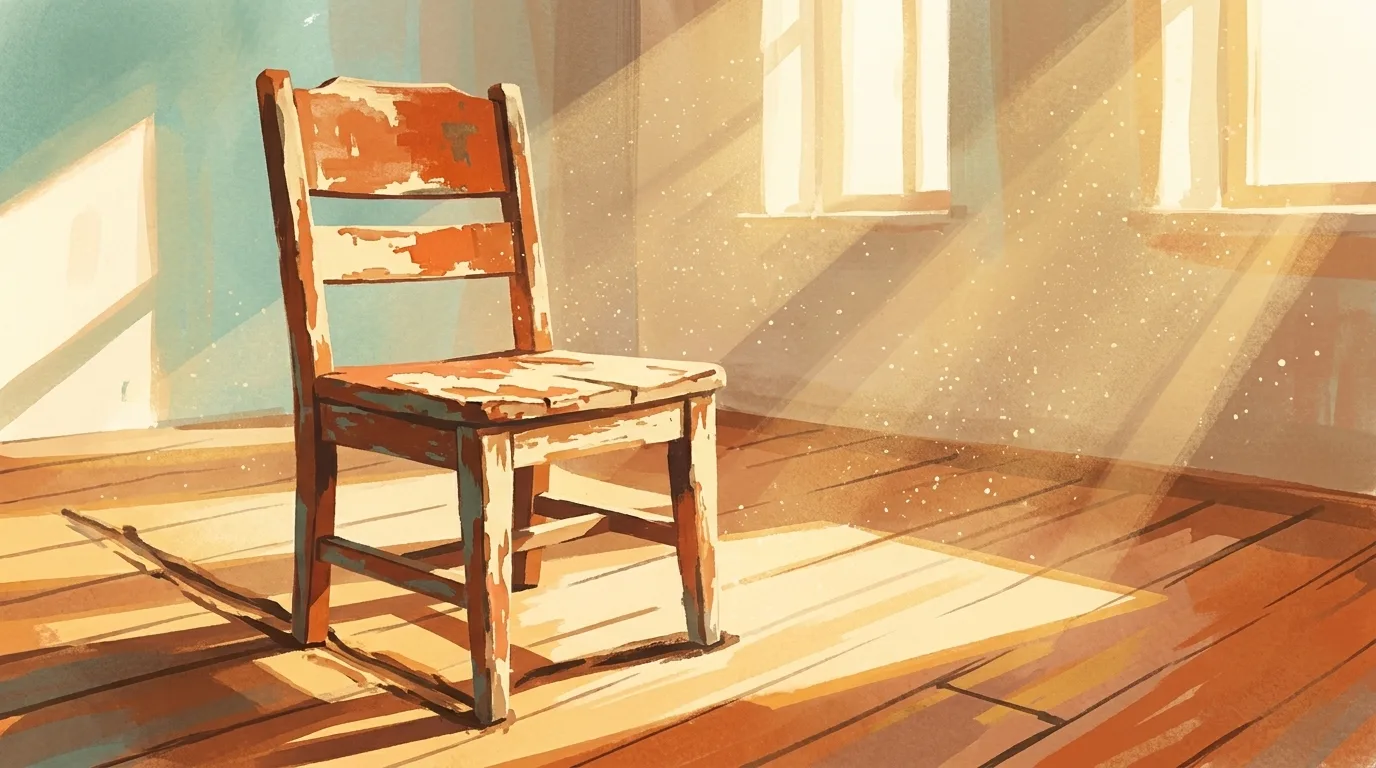
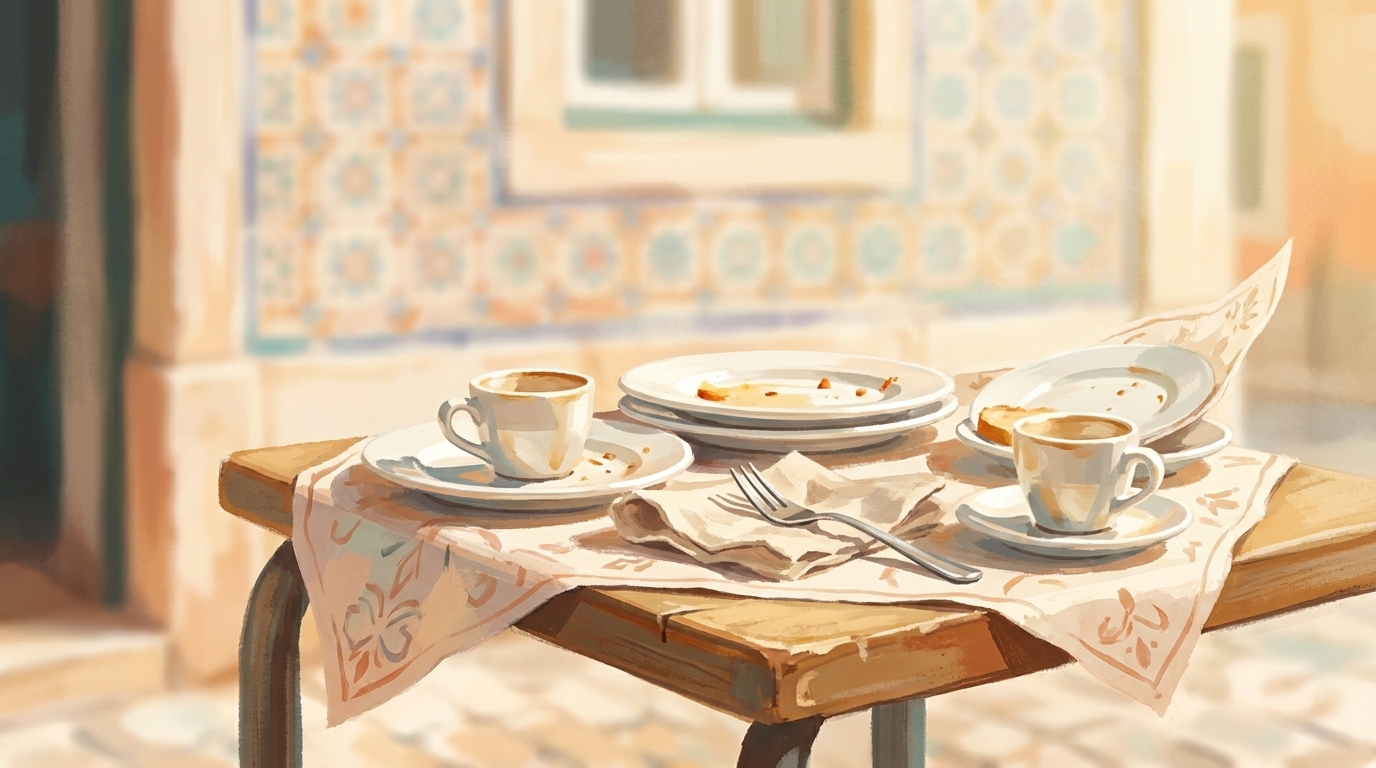
We were at lunch last week in Lisbon, outside, at one of those places where the tables are small enough that plates overlap and the waiter keeps apologizing for the wind.
My friend was describing his company's AI rollout, how they bought licenses for everyone, ran training sessions, set up a channel for tips and prompts, and then watched most of it go quiet. Six months later a handful of people use it, and the rest have returned to doing the work the way they did it before.
He was frustrated in the specific way people get frustrated about their own workplace, where the criticism is really a form of loyalty. Then he put his fork down and said something closer to the bone, that he didn't think most of his colleagues actually wanted this to work.
I nodded, then stopped nodding. What if that's the whole answer.
Resistance to change has a hundred respectable explanations, all of which treat the current status quo as something happening to people, a weather system nobody ordered. Sitting there with the wind pushing my napkin around, a less flattering reading started forming, one I've been carrying for over a decade now.
Consider what fills a knowledge worker's week, the meetings, the emails and the Slack messages, the meeting about the Slack thread, the recap email about the meeting. There's marginal utility in most of it, maybe a bit of real coordination happening, some genuine thinking done out loud, but we swung far past that point years ago. The time, energy and emotion tied up in the machinery of communication now dwarfs the thing being communicated about.
The comfortable story is that we're trapped in it, and the uncomfortable one is that we built it and keep rebuilding it every Monday morning because the alternative asks more of us.
Strip away every meeting, every thread, every notification, and what's left is the actual work.
Harder, quieter, with nowhere to look busy. A full calendar is one of the safest places to spend a career, and a tool that empties the calendar isn't offering relief so much as presenting a bill.
Fewer distractions means fewer excuses. That reads like a slogan on a productivity poster until it gets turned around and pointed inward, and then it lands as a threat. More cognitive load, more exposure, more hours in which the only thing standing between a person and their own capability is their own capability.
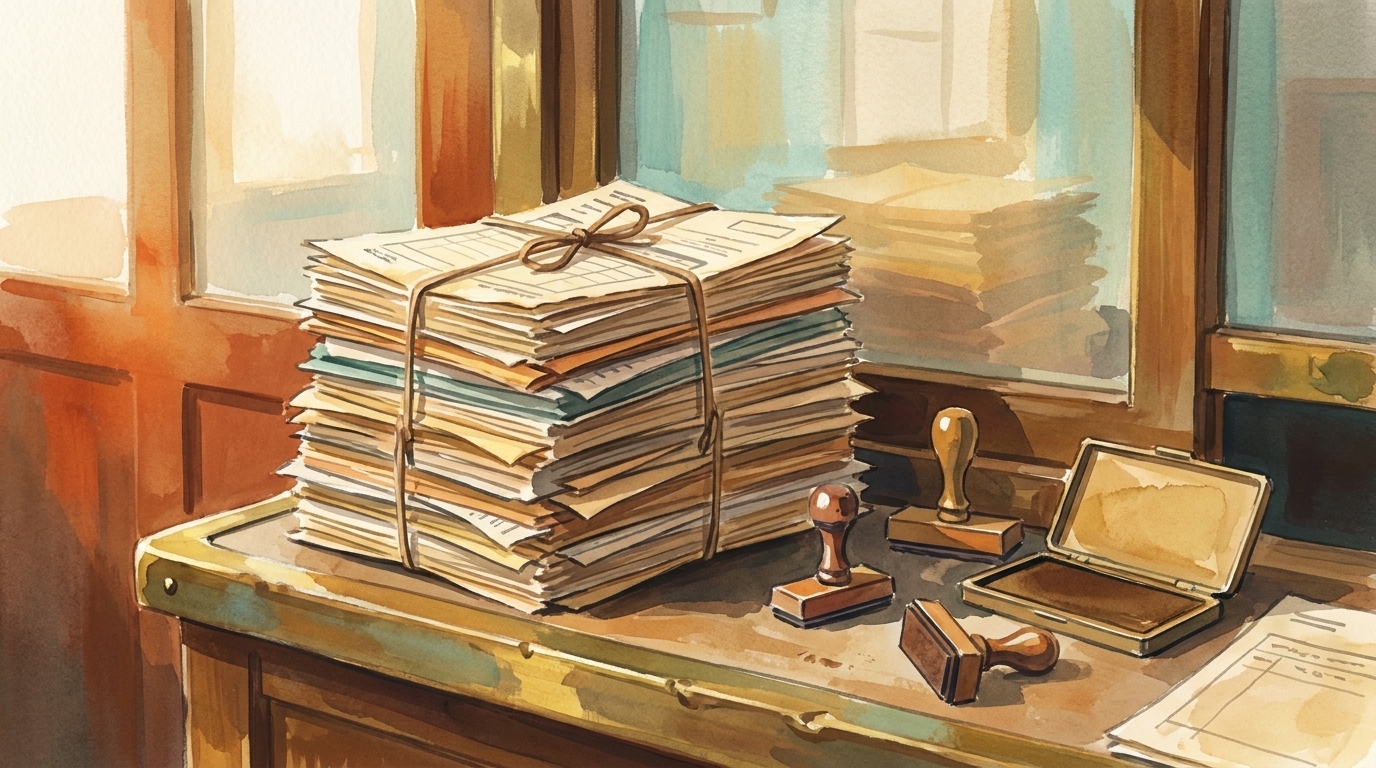
Living in Portugal has given me a longer version of the same thought. Five years in and the bureaucracy still delights and defeats me, the paper forms, the stamps, the office that closes at three and reopens sometimes on Tuesday, the document that must be requested in person from a building where the number machine is broken. Every foreigner I know has a story, and the stories all end with the same shrug about inefficiency, as though a system this consistent could be an accident.
I've stopped believing it's an accident. Every one of those steps is somebody's role, somebody's salary, somebody's pension, somebody's afternoon, and the people best positioned to streamline the process are the same people who would be streamlining themselves out of a job. Nobody is being malicious, nobody is even being lazy. The system is doing precisely what a collective wants it to do, which is to keep a great many people employed and a great many days predictable. Efficiency is a story told by whoever isn't standing in the line.
Pull that thread and it runs through everything, the zoning laws that keep housing scarce, the airline boarding process that could be fixed in an afternoon, the insurance forms, the school schedules built around an agricultural calendar nobody farms anymore. Each one survives because enough people, mostly quietly and mostly without admitting it, prefer the version that already exists.
Which means the status quo is the status quo for a reason, and calling it inertia lets everyone off too easily. It's a result, updated daily, by all of us, through what we tolerate and what we choose and what we vote for with our afternoons.
There's a gap here I keep circling, between what people say they want and what they select when the moment arrives. My friend's colleagues will say they want to be more productive, on a survey, at an all-hands, in a performance review, and handed a tool that delivers exactly that they went back to the old way, because the old way is doing something for them that productivity doesn't.
I drove back through the city that afternoon, past a queue outside a government office that stretched around the corner, forty people standing in the sun to have a piece of paper stamped. Nobody looked angry. Everybody looked accustomed.
The world isn't broken, it's finished for now, at exactly the level of comfort we've collectively agreed to. Something better sits within reach in a dozen directions and we keep not reaching, because better and comfortable are different destinations and we've been choosing the comfortable one for a very long time.
Change arrives when the discomfort of staying exceeds the discomfort of moving. Everything I look at and call stuck is a world getting exactly what it wants for the moment, including from me.