Size of my room
Mistaking familiarity for the full picture
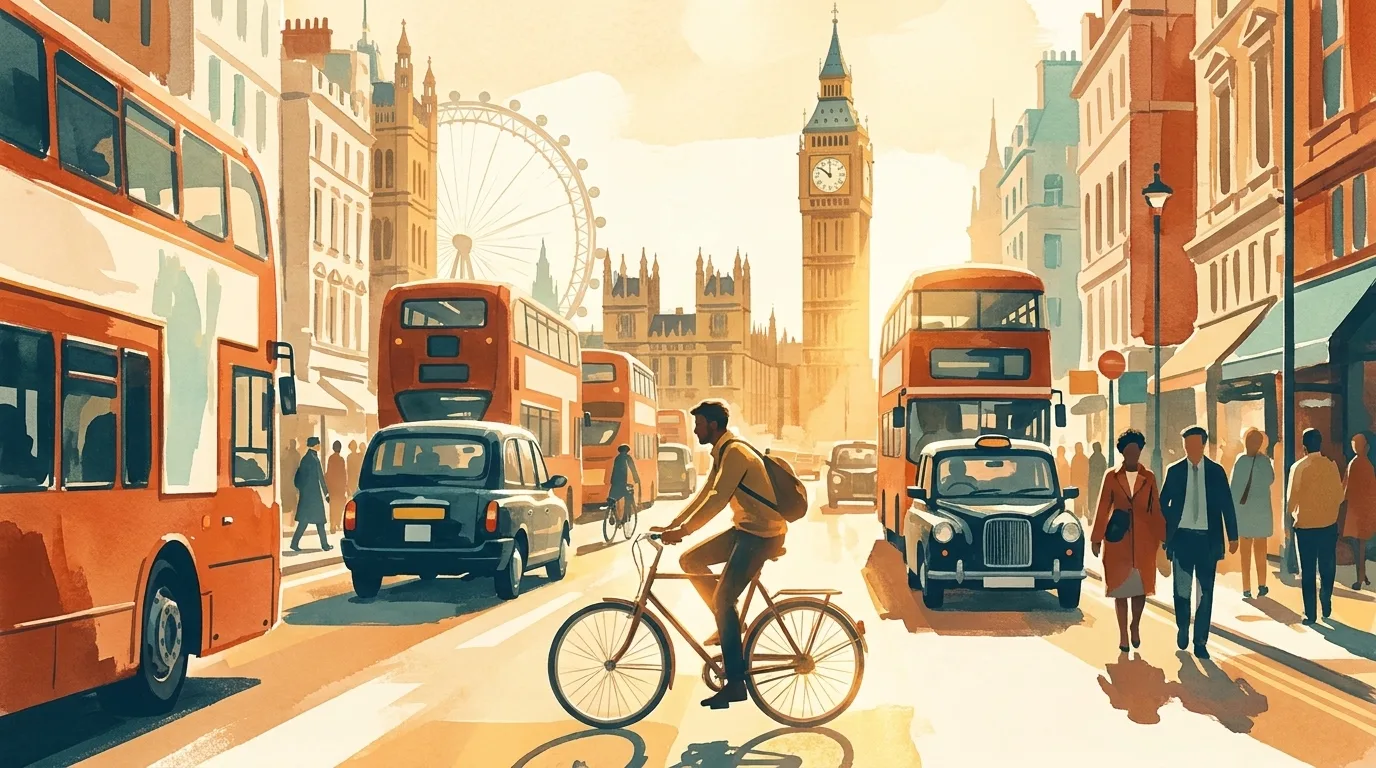
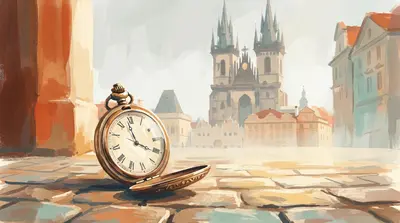
I was sitting across from a friend at breakfast in London last week, the kind of morning connection that makes you forget you have somewhere to be next. The conversation had that pleasant looseness of two people who hadn't seen each other in a while. And then, somewhere between bites of avocado toast and sips of herbal tea, I checked the time and felt my stomach drop.
I was going to be late.
My next appointment was across town, and I was not going to make it. I miscalculated everything. The length of breakfast. The tube strike I'd half-registered when I landed. The morning traffic that was already moving the city into stillness.
My mind started oscillating in that familiar way. Public transit, but the strike. A cab, but the traffic. Cancel, but then what was the point of being here at all. I ran through each option twice, three times, looking for the one that wasn't there. The trapped feeling of three bad doors and no good one.
A younger version of me would have made a decision in silence, picked the least bad option, and moved through the morning with a low hum of stress humming under everything. I would have performed competence. I would have figured it out alone.
Instead, I said to my friend, "Hey, I'm not actually sure what I should do for this next appointment."
It was such a small sentence. But it landed in a different way than the silent calculation would have. Something opened just by saying it out loud.
My friend thought for a moment and said, "Why don't you take a bike?"
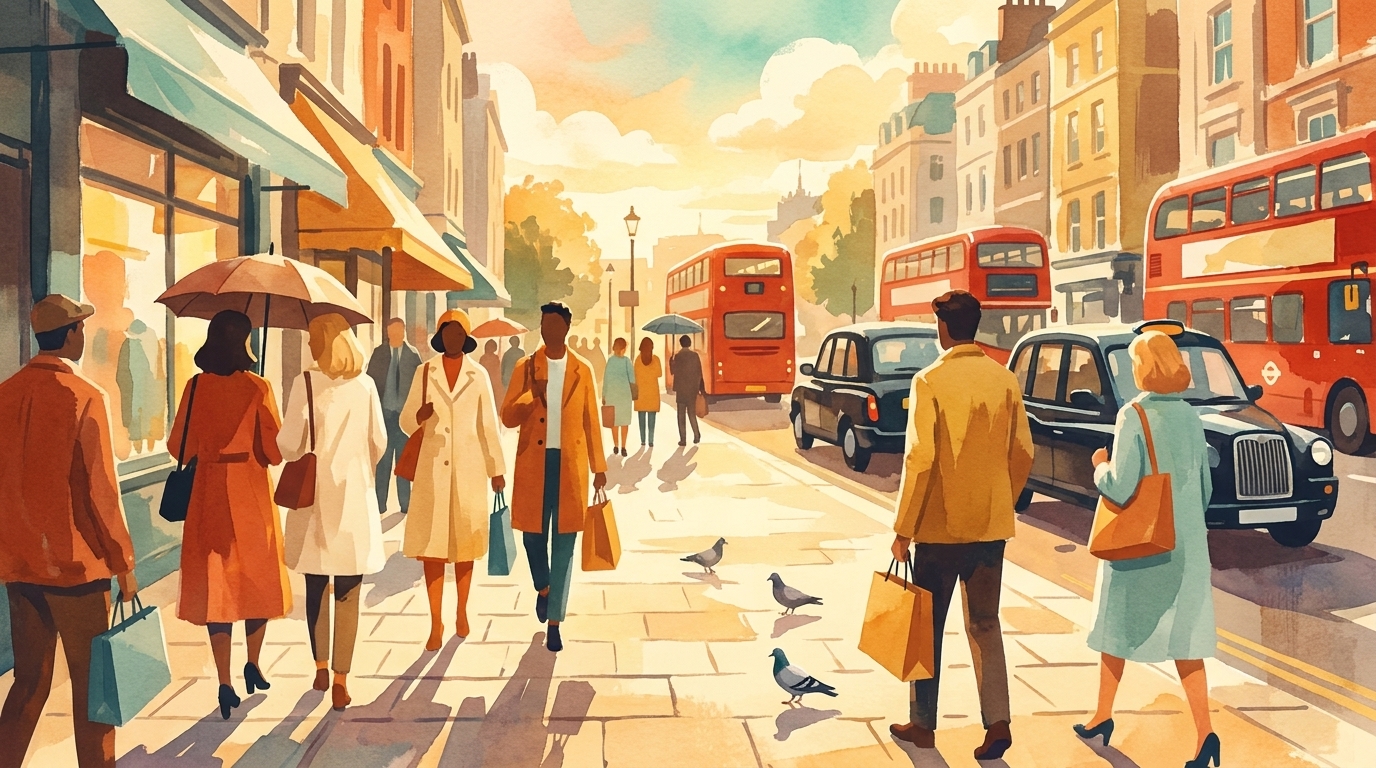
I laughed out loud. Biking in London, to me, was a category of activity adjacent to base jumping. I'd seen the bikers weaving through buses, the aggressive lane changes, the traffic flowing on the wrong side of the road. I knew how to bike. I did not bike in London.
I didn't respond.
"Trust me," he said, noticing my hesitation. "Based on where you're going, it's really not that bad."
I felt a familiar tightening, the small refusal that arrives the moment something unknown is offered. No, thank you. I have my reasons. But underneath it, almost at the same time, something else stirred. Curiosity. The faint pull of an opening I hadn't expected to find.
"I'll come with you," he added, sensing the hesitation.
The fear didn't disappear, but it moved aside enough for something else to step forward. I said yes.
We got on the bikes, and for the first few minutes my whole nervous system was on high alert. I tracked my friend ahead of me. The buses on my right. The cars behind. The other bikers slipping past. My shoulders were tight, my grip too firm, my eyes scanning for every threat I'd imagined for years.
And then, somewhere on a quiet stretch of street, it landed. I am biking in London. I have been to this city dozens of times. I have walked these streets, taken these cabs, ridden these buses. And I have never once seen it from this angle. The same buildings looked different at bike height and speed. The same streets felt different. The city I thought I knew intimately had a whole layer I had never touched.
We turned into Hyde Park, and the chaos of the streets dropped away immediately. The park was full of people walking in the mid-morning light, the trees holding the sound the way only parks can. My grip loosened and my breathing slowed. The flow state that comes with movement started to settle over me, and my mind began to wander, dream, expand. I had expected to feel locked down and fearful on a bike in London. Instead, I felt light.
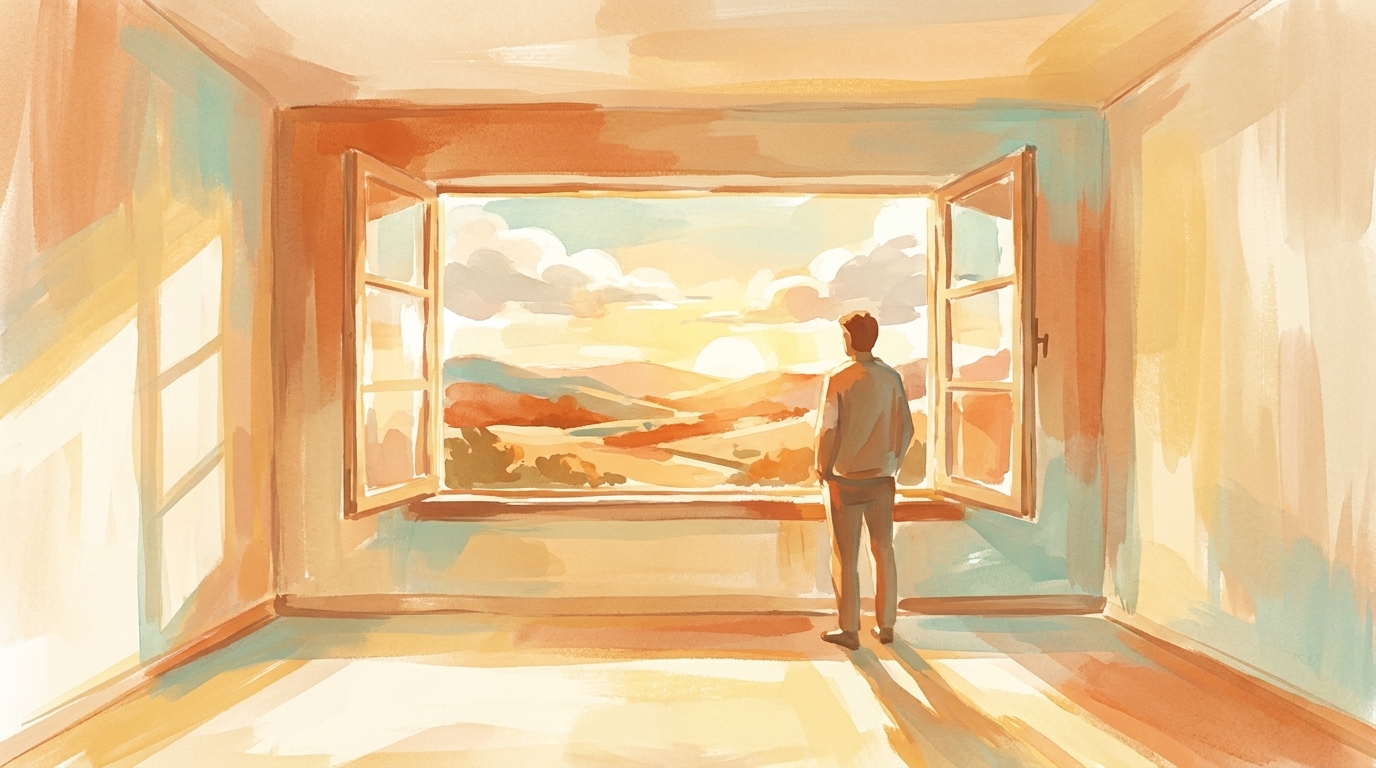
It struck me that this was what openness actually does. It doesn't fix the situation. It changes the size of the room I'm standing in.
I had been in a small room at breakfast. Three bad doors and no good one. The moment I said "I don't know what to do," a fourth door appeared. The moment I said yes to the bike, the city itself got bigger. The Hyde Park stretch wasn't a new piece of London. It had been there the whole time, on every trip, waiting for me to arrive at it from a different angle.
I think this is what fear actually costs. It doesn't just make me anxious. It shrinks the world to the size of what I already know. Every "no, thank you" trims the edges of the map a little further in. Every automatic refusal narrows the city, the relationship, the life I'm living until I'm operating inside a room so small I forget there was ever anywhere else to stand.
And openness does the opposite. Not in a dramatic way. Not in a way that announces itself. Just by saying yes to one thing I would have said no to, the morning rearranged itself. The friend became closer. The city became larger. The appointment, which I made on time, became almost beside the point.
London didn't change last week. I had been there dozens of times. The bike lanes had always existed. Hyde Park had always been beautiful in the mid-morning light. My friend had always been someone I could be honest with. None of it was new.
I keep thinking about how often I've done the opposite. How often I've stayed in the small room of what I already know, mistaking familiarity for the full picture. How often the refusal arrives before the curiosity has even had a chance to speak.
The size of my life, I'm starting to see, is the size of my yeses.