AI, cognitive load and the things we no longer have to do
Chapters
Quotes
Host
Ross Dawson
Futurist, keynote speaker and founder of Humans + AI, a community and podcast on how AI can amplify human thinking.
Podcasts, talks and interviews where someone else held the microphone.
PodcastHumans + AI Futurist, keynote speaker and founder of Humans + AI, a community and podcast on how AI can amplify human thinking.
 Video podcastIn The Blink of AI
Georgie Healy hosts In The Blink of AI on the Day One network, talking to people shaping how we live with AI.
 Video podcastThe Seen
Kaia Tham’s show about people building unusual lives and companies.
 Video podcastThe Seen
Kaia Tham’s show about people building unusual lives and companies.
 TalkBetter Societies
Adrien Harrison’s Better Societies: a how-to guide for building better societies.
 Video podcastA Success of Our Own
Natalie Ruskin’s show for anyone ready to create their own authentic version of success.
Kunal It was a moment where I realized, now looking back, I wasn't satisfied. I wasn't feeling the way I expected to feel after achieving everything that I was trying to achieve. So it was a moment of, of definite confusion, of feeling lost, looking for answers, and I turned inwards for the first time in my life.
Natalie Ruskin Welcome to A Success Of Our Own. A Success Of Our Own is an invitation for us to courageously define our own version of success beyond the mainstream metrics we've been told we should want, so that we can create a sustainable and joyful success that we can finally relax into. I'm your host, Natalie Ruskin. I'm a journalist with an inquiring mind, a meditation teacher seeking the divine, and a community gatherer, helping others live life more inspired. This podcast offers you the opportunity to learn and grow through inspiring personal stories of transformation, ideas, and practices.
Natalie Ruskin As you listen to this podcast, breathe it in and let it slow you down even a bit. Trust that simply listening in this less effortful way, you'll experience a shift. You'll find that puzzle piece you've been seeking. Join me in this moment, and let's take a risk together at living a success of our own.
Natalie Ruskin Kunal Gupta is a master of non-attachment in a mainstream world. He's the portrait of business success, and yet monk-like in his detachment from his results, and I'm fascinated by how Kunal does this, because I was conditioned to care so much about my results.
Kunal In business, there are lots of milestones to achieve, whether it's the size of the company, the revenue, the profitability, the value, et cetera, et cetera. That's changed completely now for me.
Natalie Ruskin Early in our friendship, Kunal shared that he'd been couch surfing for the last while and hadn't bought a new pair of shoes for nearly a year, and in that moment, I knew that there was something different about this guy. On the one hand, Kunal was this 20-something hotshot founder and CEO of Polar, a 50-plus employee tech company which provided digital advertising software to global media publishers. On the other hand, Kunal attended 10-day silent meditation retreats. He didn't own a smartphone, and he started off meetings with new business prospects by asking if they'd like to meditate together. As the years went on, Kunal moved his team out of the big, beautiful CN Tower-facing Toronto office.
Natalie Ruskin He removed himself from the mold of his social and family network, and eventually, he moved out of his role as CEO of his company. Kunal currently lives in Portugal and is more detached than ever from the mainstream success metrics which he once so arduously strived to achieve.
Kunal To have a business idea, to take on a business challenge, to dream big, but be detached from the outcome, be detached if it's gonna happen, that's a pretty big shift.
Natalie Ruskin There's a term in meditation circles called equanimity, which refers to our ability to bring calmness of mind and neutrality to any given situation. I've been meditating for over 20 years, and I still struggle in certain situations to find that neutrality. Like, perfect example, yesterday my son was frustrated about his brother touching his baseball card, and so he decided to run away. Literally, he ran away. I mean, I secretly knew intuitively that he was just going around the block, but for that 15 minutes, I was like, "Where the is he?" And, uh, yeah, I think we understand that is not neutrality. I love that everyone's laughing in, in the control room.
Natalie Ruskin So what I wanted to know from this deeply wise, yet scary smart human in my life, Kunal, is how he brings so much equanimity to his own definition of success. Most of your meetings, I know you start with meditation for sometimes the uninitiated new business, uh, contacts. You say, "I'd like to start this meeting with a meditation."
Kunal That is correct.
Natalie Ruskin Would you be so kind as to start, uh, this meeting of sorts with a short minute or two meditation to help us all arrive in this present moment?
Kunal Yes, let's do it. All right, so sit up tall. Bring your feet firmly on the ground. Close your eyes, and take a deep inhale,
Kunal and a slow exhale. Relax your shoulders. Relax your fingertips. Relax your toes.
Kunal Begin to visualize where you are. Feel the floor under your feet,
Kunal chair under your seat,
Kunal the weight of your legs, your arms.
Kunal Allow your chest to expand as you inhale.
Kunal Gently contract as you exhale.
Kunal Take a deep inhale,
Kunal and a slow exhale.
Kunal You can gently wiggle your fingers, wiggle your toes, and slowly open your eyes and come back into your space.
Natalie Ruskin Thank you so much. That was beautiful, and I could hear the wind from your- ... unobserved tower.
Kunal Yes.
Natalie Ruskin I'm so curious, what is the view right now of where you're sitting, Kunal?
Kunal It is this tall building that overlooks the entire city and the river and the bridge. What's really unique about it is that you can't see any streets from my place, which means from the streets you don't see this building. It's like a hidden building.
Natalie Ruskin I wondered if we could start, Kunal, with a memory. Do you remember where you and I first met?
Kunal It was a meditation class that you were leading in downtown Toronto. It was an 8:00 AM meditation class, and I was, I was maybe, like, two months into-
Natalie Ruskin Wow
Kunal ... my meditation practice, and I came up to you afterwards and asked you a million questions.
Natalie Ruskin I do remember that, and I remember after that many get-togethers and kind of just Q&A sessions where you would ask me a lot of questions, and, uh, it was such a fun experience, and I'm thinking back to where you were at in your life and career at that time that brought you to seek out meditation. Could you speak about that moment in time for you and what was going on that led you to meditation?
Kunal Yes. It was a moment that is clear to me now looking back-
Natalie Ruskin Mm
Kunal ... but at the time I had no awareness of it. At that moment, reached the, the top of a mountain I was climbing-
Natalie Ruskin Mm
Kunal ... figuratively, and the things that I thought were important to me in life, both professionally and personally, I could check the box on, and that's thanks to a lot of hard work and a lot of support and a bunch of luck. And it was a moment where I realized, now looking back, that I wasn't satisfied. I wasn't feeling the way I expected to feel after achieving everything that I was trying to achieve. So it was a moment of, of definite confusion, of feeling lost, looking for answers, and I turned inwards for the first time in my life.
Natalie Ruskin Mm.
Kunal Meditation was one of the first tools that helped me start to look within, and since then I've discovered many other related tools, broadly in mindfulness. But it's really symbolic that I connected with you at the start of this introspective journey that has really shaped how I've moved through life over the last eight years.
Natalie Ruskin I wonder if you could get even more specific, to the extent that you're comfortable, about what were some of the metrics for success that you had reached at the top of that mountain, and conversely, what specifically were you feeling when you talk about feeling lost?
Kunal My life looked great. I didn't feel great, and that disconnect was the hmm moment.
Natalie Ruskin Mm-hmm.
Kunal Anybody who's started a business, big or small, as an entrepreneur will recognize this feeling of spinning plates. Working on this issue-
Natalie Ruskin Mm-hmm
Kunal ... solve it, go solve another issue, solve it, go solve another issue, and then that other issue is broken again, and it's constantly spinning plates. And for the first time, actually, everything in the business was working. Uh, team was happy, clients were happy, business was making money, product actually worked, and there was this like, "Wait, what else do I fix or do?"
Natalie Ruskin Mm-hmm.
Kunal I don't know. Every- Oh, this is it. This is what I've been working so hard for seven years towards. Everything is finally working. Personally, I was in a serious relationship. We were living together, beautiful apartment, big social life, sister, f- parents nearby, working with a trainer, so physically healthy. You know, l- life looked great professionally and personally, yet I didn't feel that, that sense of satisfaction, that sense of success that I was expecting to feel. That was confusing, and it was at a unconscious level-
Natalie Ruskin Mm-hmm
Kunal ... that I started to reject the values and beliefs that had led me to that point, and still to this day, it's been a process of choosing values and choosing beliefs and rebuilding the inner compass and guide, uh, where kinda growing up like a sponge, soaking in everything around me, teachers, culture, religion, parents, society, and that was a moment of squeezing out the sponge for me, and I'm slowly, yeah, slowly deciding what to put back in.
Natalie Ruskin A lot of people reach that point of fullness, like the sponge is full, and they've absorbed all the conditioning, the mainstream metrics, the striving, salary, status, and to them, there might be a whisper of feeling lost, but there's just this, "Okay, I guess this is it," no judgment here. Maybe that is w- they've kind of reached that pinnacle, or maybe there's certain comfort habits that they developed to sustain that level of success, which is i- in some ways ... too much for them. For you, though, there was, as you said, a feeling of loss. It didn't sit okay with you to have that i- incongruity with, on the one hand, this external, made it, all the boxes are ticked, and internally something is not aligned.
Natalie Ruskin As you look back now, what's your sense of what was unaligned for you?
Kunal There's this thing I heard about happiness defined as being two parts, being happy with your life and being happy in your life.
Natalie Ruskin Mm.
Kunal And so the with your life is the, the checkbox, the Instagram, the CV, the lifestyle, the home, the people. That's the outward in-
Natalie Ruskin Mm-hmm
Kunal ... uh, view. And, you know, at that moment, very happy with my life, yet the happy in my life was not in the place where I felt like I'm actually generally happy on the inside, even though on the outside everything adds up.
Kunal I will say, like, I've since then had many moments where I've been happy in my life and not as happy with my life-
Natalie Ruskin Mm. Wow
Kunal ... and vice versa. Uh, so it's, it's a dance for sure.
Natalie Ruskin And when you notice that moment in yourself, whether it's I'm happy in or with, and there's not, and I'm s- sure it's oftentimes that not both are perfectly attuned, how do you navigate that now based on your practice and much deeper self-awareness through all the personal and professional work you've done? How do you allow for those two pieces to maybe not feel where you want them to be or-
Kunal I've noticed this beautiful thing about awareness. I- it's that awareness is 90% of what's required.
Natalie Ruskin Mm.
Kunal For me, when I'm, when I'm aware, when I focus my energy on awareness, and mindfulness practices help cultivate the skill of awareness, when I'm aware, then I naturally will begin to take actions aligned with that awareness, and that awareness-
Natalie Ruskin Mm
Kunal ... could be of the current state, it could be of my intention, and then it could be of the disconnect or the, the gap between my current state and the intention. Journaling and reflection through meditation helps me with awareness, but also I'd say in, in recent years, conversations with close friends where I feel safe and-
Natalie Ruskin Mm-hmm
Kunal ... comfortable to be fully vulnerable, sometimes with a therapist as well.
Natalie Ruskin Mm-hmm.
Kunal And in those moments, I become aware of, because I just observe myself speaking out loud and speaking my truth and realizing, oh, okay, that's interesting. I, I feel that way, and that's not exactly how I wanna feel. And just that, that understanding seems to be enough-
Natalie Ruskin Mm
Kunal ... 'cause then I start to take choices that in- i- invite change into my life.
Natalie Ruskin I love that, and there's just, like, this sense I have as I take in what you're saying that you're entering more into a flow with that conversation with yourself and being witnessed by others, where it's more of this fluid, ever-evolving trajectory versus, oh, now I'm, now I'm good, now I'm not good. Now I'm in, now I'm not in. There's less rigidity, which brings me to this question I have around... Y- you can debate me on this, Kunal, but you are a very determined and committed human when it comes to pursuing something. How did those parts of yourself cause suffering in Kunal success V1 with respect to striving and status and money?
Kunal I would say the striving for what I defined at the time as success created a lot of sacrifice, and that sac- and that sacrifice is the suffering.
Natalie Ruskin Mm-hmm.
Kunal It's a lot of words that start with S there. Striving for success led to sacrifices- ... but I found suffering.
Natalie Ruskin We're giving the sound editor a tough day with all the, the S sibilant stuff.
Kunal I won't do it in Portuguese.
Kunal So in that striving was sacrifice, and at times it was the sacrifice of physical health, which in my 20s I thought, "Ah, who cares?"
Natalie Ruskin Mm.
Kunal And now in my mid to late 30s, I care a lot-
Natalie Ruskin Mm. Mm-hmm
Kunal ... and notice things. There was definitely sacrifice in, in connections and relationships. But I would say the biggest one that I, I'd say I'm still learning now, you know, 15 years into a professional career, is how to have fun.
Natalie Ruskin Mm.
Kunal It sneaks up on you because, and for me, business is fun-
Natalie Ruskin Mm
Kunal ... but it's a specific type of fun. It's one that's tied to achievement and dopamine from the sense of satisfaction by achieving. And I realize now in my 20s and, and even early 30s when I frankly had a lot more, uh, energy and I had, you know, reasonable amount of, of means, I didn't have a lot of fun outside of my business, and it was very single directional.
Kunal So that's something that I, I realize now looking back I missed, and what I say to others as well, especially younger people, is to not forget to have fun in a diverse and variety of ways.
Natalie Ruskin So what is fun now in your business that maybe wouldn't have shown up on your radar in the past? How do you find the fun there?
Kunal I find so much fun, and it, it comes from a place of, of detachment, actually.
Natalie Ruskin Mm.
Kunal And this is where the meditation practices of the last 10 years have really supported me. But to have a business idea, to take on a business challenge, to dream big, but be detached from the outcome, be detached if it's gonna happen, that-
Natalie Ruskin Mm
Kunal ... that's a pretty big shift. The first, like, 10 years, I was very much attached to my projections and forecasts and ideas for my professional life-
Natalie Ruskin Mm-hmm
Kunal ... which was my business. And I think what happened over time was I started to dream small, or put better, dream realistically. But dreams aren't meant to be realistic, they're meant to be unrealistic. So as I became more jaded... Actually, what's coming up for me-
Natalie Ruskin Mm
Kunal ... is a conversation I had with an early mentor a year before I started my business, and I was still in school, and I went to him. He was probably about 10 years older than me, and I asked him, "Hey, do you think I should start a company? I kind of want to, but it feels h- high risk. Or I can, like, get a job." And he went, "Like, start a company. Because you're so naive, you're going to do it." "Whereas if you go get a job, you're gonna learn how hard it is, you're gonna get jaded, and then you're never gonna do it."
Natalie Ruskin Wow.
Kunal I'm now that old guy who's jaded. But I'm so glad that I did it when I was naive.
Natalie Ruskin I mean, it's like why it's so much harder as an adult to start to learn how to swim or ride a bike, and that idea of how do we bring that, whether we wanna call it naivete or just that purity of that youth to what we face in our life today, is just such a great shift in perspective to bring.
Kunal I think it's important to keep trying new things for me. So a few hours ago, I had a salsa dance lesson.
Natalie Ruskin That's awesome.
Kunal And three minutes into it, the teacher... It was a private one-on-one. She said, she said, "Watch my feet. They're small. Don't step on them."
Kunal 'Cause I almost stepped on her feet twice-
Natalie Ruskin No
Kunal ... and she was scared. And by the end of it, she said, "You got this." And I saw a big improvement in myself-
Natalie Ruskin Oh my gosh
Kunal ... and I felt encouraged, and I was smiling, where at the start I was nervous. I don't need to become a, a salsa dance professional, but what I appreciated about just the one-hour experience was it was a reminder that I can learn something new.
Natalie Ruskin I love that. I have a daily practice of writing future self gratitudes, like imagining the dream of what I want in the future, and so it gets me engaged with the energy that I wanna be in. It sort of fools my mind to thinking that I'm already in that future mode, the same way that athletes will do these very specific visualizations of themselves winning a race. Their mind doesn't know the difference. You know, the mind thinks that they're winning the race, and then it has an impact on their overall performance. So I do that, and one area that has really shifted for me, which is coming up when you share about the salsa lesson, is what I write about my two young boys.
Natalie Ruskin I write about how they are my greatest teachers for fun, patience, and deep connection, and that I take time every day to drop into their world. And so in the past when they would be like, "Mom, come and play basement sports with us. We're gonna blast AC/DC and kick the soccer ball around," honestly, a lot, most of me was like, "No, man. That is not something I wanna do right now." But now, because I've inserted that marker in my consciousness when they suggest something, it's like they are my... It's like a robot. I'm like, "They are my greatest teachers. That is fun." "I must go do that." And then I go do it, and I end up... Because like you said earlier, I'm unattached.
Natalie Ruskin I'm just doing it because it's something I've put out as an intention. Oftentimes the outcome is, it, beyond what I could imagine. So I love that idea of just having that practice of fun being this kind of orientation for yourself.
Kunal Yeah.
Natalie Ruskin How has your definition of success shifted since that turning point you shared with us? What's no longer part of how you qualify or quantify success?
Kunal I used to think success was the, the byproduct of achievement. Um, for sure. That was... And that could have been in grade school, the achievement of a good report card. It could have been in sports, the achievement of winning a game. I, I didn't do too many sports though.
Natalie Ruskin Mm.
Kunal And then in business, there are lots of milestones to achieve, whether it's the size of the company, the revenue, the profitability, the value, et cetera, et cetera.
Kunal That's changed completely now for me. And we just talked about being detached from the outcomes of our ideas. Success for me is, it's choice. It's a sense of freedom. It's a sense of flow. It's a feeling. It's not a state. It's not a marker. It's not a, a trophy or pin or badge or letters or number. It's a feeling that's not quantified but is one that has become increasingly familiar for me, where I, I feel,
Kunal I feel success inside.
Natalie Ruskin What's coming up for me is, okay, I get this. I get what you mean about the feeling, and then the fear comes in of- Is the feeling enough? Can that be enough? And even for me, that's part of the experiment of this podcast. And you've witnessed me, Kunal, over the years calling you about business ideas I have and my fear, is this gonna generate income? I want to be transparent and vulnerable in this podcast in that I haven't figured it out. That's part of why I'm on this experiment. What I would love to hear, seriously, is how do you let yourself be in the feeling
Natalie Ruskin and the trust that, like maybe the achievement piece is released, but there's still that piece of contributing financially, wanting to, you know, provide for your now growing team, 'cause you have, every time I talk to you, you're just so amazing at creating new concepts and thriving in your business. How do you approach this now?
Kunal Hearing you speak is helpful because something else just, just came up on, on this, and that's the difference between effort and outcome.
Natalie Ruskin Mm.
Kunal The journey versus the destination. I really do believe now success for me has evolved to knowing that I tried. And in some cases it's not even that I tried with my best, so I'm not even suggesting that, but knowing that I tried. So I'll give you a personal example.
Natalie Ruskin Mm.
Kunal There was this woman in Portugal ... that I was getting to know and, as friends, and I total- I had a total crush on her for months. I didn't have any expectations, so just seeing like where the connection would, would go. And then probably like three or four weeks ago it turned romantic for like a week, and it was a lot of fun and it was this rush and thrill, and then she said to me, "Let's just be friends."
Natalie Ruskin Mm-hmm. Mm-hmm.
Kunal And it was cool, and at the time I was disappointed, and then afterwards I think the way I got over my disappointment was actually feeling successful that I tried-
Natalie Ruskin Mm
Kunal ... and that I put myself out there, not feeling like I was a failure because, or that it was a failure 'cause we didn't connect in a very specific way that I might have been hoping for.
Kunal So that was a perfect example where it'd be so easy, and maybe in the past I would have labeled it as not successful, but I actually after a minute labeled it as successful, reframed it, and created that re-encouragement loop for myself of I tried, 'cause that means next time I will try again, versus feeling discouraged and saying, "I'm not gonna try."
Natalie Ruskin Ugh, I just have the biggest smile on my face, and I love that example. And you are, you're rewiring your brain from this very specific but still totally subjective and arbitrary belief of, "Oh, it's a failure," by virtue of focusing on a different metric, which is that I tried, seeing that experience as successful. Okay. Here's my vulnerable piece. We did a podcast pre-chat, um, last week, and I casually asked you about the role of metrics to evaluate your success, and then you went into Deep Space Nine talk about metrics, and I went into my old wiring of, "Oh my God, Kunal is that smart math, science guy that I just couldn't understand in high school when they got deep into the knowledge."
Natalie Ruskin But I'm curious, and I want to understand, as someone who has my own business and for the benefit of those listening who are evolving their own metrics, like even though I find it, it intimidating, could you speak to the role of metrics from a more layperson approach? And I looked up layperson. It's politically correct. So that maybe those listening can crack something open in a good way by hearing you speak about something that I think you're quite masterful around.
Kunal Metrics are a tool. They're not the outcome. Like, they're not the goal. Like, achieving the metrics doesn't mean anything. It's more metrics is like a planning tool. It's a way to really set intentionality.
Kunal There's lots of ways to set intentions. I want the intention to grow. I want the intention to go in this direction. I want the intention to learn this thing. Metrics could help, but metrics aren't always required. But what is required is intentionality, 'cause intentionality sets a direction, intentionality provides a North Star, intentionality helps one make all the little choices that shape the direction that they go in. So like for example, a business will commonly set like a revenue goal or a profit goal for, you know, maybe the year.
Kunal The actual number I don't think matters that much. I, I, but I think the number relative to what the number was last year matters. So is it growing or shrinking? Um, is it growing by a large margin or a small margin? What does that number represent in terms of the investment required or the, the pacing to get there? So it's thinking of the metric as a tool to really go much, much deeper and to understand what's actually, what are we actually trying to do? Like, okay, let's say it's a business and they're doing a million in revenue, and the next year they're like, "We're gonna do two million in revenue." I mean, how, how do you do the two million in revenue? There's so many ways to do that. You can just keep doing what you're doing.
Kunal Maybe that's one path. Maybe another path is you need to build new products or services. Maybe another path is you need to increase your pricing with your existing clients. But making those decisions in a bubble where the obsession is only we need to hit two million isn't gonna work, because what's gonna happen the year after that and the year after that? And you could end up, and this is what my first few years in business were, is just constantly zigzagging because-
Natalie Ruskin Mm
Kunal ... it became a short to medium term focus. And then what happens, what happened to us is we ended up making choices on clients and products and even pricing models that might have served the short term, but didn't help us in the long term, and kind of hooped us and got us stuck in places that we didn't want to be. But I had to go through that, I had to do that for, like, five years -
Natalie Ruskin Mm-hmm
Kunal ... and learn it the hard way to then be more, more strategic and, and thoughtful. So metrics is a tool to set intentions. The guidance is to really, really focus on the in- the intentions and the implications of those intentions, and the how, and those intentions could come to life, and then allow the metrics to just be a tool to help measure the intention and the plan to get there.
Natalie Ruskin Well, okay, number one, I get it. Thank you for explaining it so clearly, and the analogy that comes to mind for me is this idea of a giant spotlight that runs on it, the energy, that it's the, the quality of energy that it's given, and that spotlight is our intentionality. So then we can choose what color lens we're gonna put on that spotlight, which is the metric, the different metric. Um, but the piece that is most important is really about fueling that spotlight, and then committing to the metrics that we want to use over time, versus switching the metrics and not really having a strong intention behind them.
Kunal Uh, something that an early advisor shared with me that has really stuck with me now for 15 years. He ran a large 3,000 person organization, and here I am with a few guys just out of school, starting a company. And he said, "A lot of people are going to tell you to make a 12-month business plan." And he said, "I don't believe in it, and I've actually never made one." And it was kind of 40-year career. I was like, "What do you mean?" And he's like, "What I, what I do is, is take a three-year vision," which is really on a three-year time scale, that's just directionally, like, okay, we're going in this direction, but you can't really be precise. You can't-
Natalie Ruskin Mm
Kunal ... have, like, we're gonna have this many employees, and this many clients, and this much revenue, this much profit. Maybe things are defined in a range, but the, the, the general strategy and vision is like, okay, we're going in this direction over the next three years. It's a long-term view. And, you know, if you ask, you know, the, the classic job interview question, like, "Hey, where do you see yourself in five years?" Most people stumble on that question, or give a, a fluff answer. But i- if you say for your business, like, "Hey, three years, like, what's the direction?" That's very helpful. And then the next three months, the next 90 days, here's the plan.
Natalie Ruskin Mm-hmm.
Kunal And within 90 days, you could, you could pretty much, you know, predict with 90% accuracy, you know, the size of your business and your hiring needs, and if you have to fire people, or clients, or products or services, you could define it pretty well. So it's, it's the three-year and the three-month, and anything in between is kind of irrelevant. And that's really served me well. That's really served me well over the last 15 years. 'Cause every three months, which I line into the calendar quarters, I zoom out. I zoom out and then say, "Okay, let's look at where we're trying to go next three years, and then now go back in for the next three months."
Natalie Ruskin And yeah, that's just a really refreshing way of approaching it. I love that. I kind of want to go do that right now after this- ... recording. So this is the kind of provocative question, and you can, you can challenge me, 'cause we're at this point in our friendship. So your business success is still based on a capitalist model, and yet whenever I'm in your presence, the way you speak and what you speak about feels very sacred. So how do you negotiate the sacred and profane for yourself when you still operate very much in a capitalist world?
Kunal My business sells software for advertising, so it's very much on the bleeding edge of capitalism.
Natalie Ruskin Mm-hmm.
Kunal I think now we serve, like, something like 60 billion advertisements a year, uh, using our software.
Kunal So my answer to this question has changed over time, which is a reflection of just me changing.
Natalie Ruskin Mm-hmm.
Kunal The business, the products, the service, the clients, all the same. So 10 years ago, the way that I explained it to myself was we make the internet free.
Natalie Ruskin Mm-hmm.
Kunal And without a free internet, if everything was behind a paywall, only a subset of society would have access to news and information, and then that would have a pretty big impact on, on democracy and elections and, you know, people's views of, of their own country and city and, and, and the world. So there is a, a viewpoint of, uh, very practical that, like, this enables an important part of a functioning society and, and democracy. I don't feel that way anymore. Uh, that's what I, I, I felt.
Natalie Ruskin Mm.
Kunal I genuinely felt that for, for several years, and then, mm, I felt satisfied, or maybe we hit a size and scale where I, I felt like, okay, there's, there's no more impact to make in that regard.
Natalie Ruskin Mm.
Kunal Or the lack of size and scale, I realized actually we're just kind of a drop in the bucket, which in reality we are, so things would still be fine even if we didn't exist.
Kunal I then probably moved to a place of, okay, on one hand, let me learn how to make money in the current system, and on the other hand, let me choose How to allocate some of that. And that's when I got involved with CAMH and the mental health cause, and was active as a fundraiser for the cause broadly, you know, big and small organizations for over five years, and felt I did a lot of change and a lot of good. So it's kind of like, you know, it's wearing two hats.
Natalie Ruskin Mm.
Kunal And then I, I felt satisfied with that, so I no longer feel that any- anymore. Uh, and then I got to a, a place of, of job creation, which was like, okay, I create jobs, and I create a lot of jobs, and really good jobs, and opportunities for people to grow, and to learn new skills, and to be marketable and, you know, supporting their families, et cetera, et cetera. And, and now, you know, living in Portugal and I'm starting a few companies here, uh, the economy here is not as, as developed, uh, as, as places I'm used to living and working. So I definitely see my professional identity tied to, to job creation and creating opportunities for people the same way others created opportunities for me. So I share these three different examples to show that it, it keeps changing.
Natalie Ruskin Mm.
Kunal And at a certain moment in time, there might be an answer that resonates for me, and then at other moments in time, the answer might be different, and I think that's, that's fine. It's fine for the way I feel about things to change, even if the thing doesn't change, but the way I feel about it changes.
Natalie Ruskin I also would add that, you know, o- off the top of our episode, you led the meditation, and that's something that you do in a lot of meetings where people, that's their first encounter with a more of a reflective, contemplative way to approach business. You are the message. The medium is the message, and you carry that and bring that energy, the values of what it's like to be someone prioritizing intentionality and consciousness in all areas of your life. And so that also, I think, is a way that you are changing the capitalist model by virtue of just how you simply show up.
Kunal Thank you. And I think of my profession as a form of expression, as a form of creativity. For me, business is not work, it's play, it's creative. It's an idea, like an artist has an idea for a painting, and the business just happens to be my canvas.
Natalie Ruskin Mm.
Kunal And it involves other people, and just like an artist makes a piece of art, they're doing it to express themselves, but they know that there's a chance that this art might inspire or touch or connect with other people in, in profound ways. I'm no different whatsoever. Building products and services and realizing a vision or in culture, and then that does have an impact. It has a ripple effect on other people, and that's, that's really meaningful. That's really purposeful, um, to, to see myself as an artist, and this is just my canvas.
Natalie Ruskin It's that shift moving from competing to creating. I've, like, been exploring. I know you're a yogi and did your yoga teacher training, and I was very jealous when we first did that meditation together 10 years ago 'cause you sat perfectly in lotus, and I still, my, my knees are higher than anybody else in the yoga studio. So I still have the competitive edge in me. But when you look at the crow pose versus the eagle pose in yoga, the crow, y- there's this sort of little tale about how the crow pecks at the eagle, but as the eagle ascends higher, the crow falls away. The crow competes, the eagle creates. And when you think of the yoga pose of crow, it feels like a lot more effort versus the eagle, which is all about both grounding and ascending and balancing.
Natalie Ruskin And what you're doing is you're shifting out of that more kind of traditional capitalist idea of competition into this more evolved, I might say feminine way, which is available to men and women, this feminine way of creating, of nurturing, of sustaining.
Kunal Yeah, completely. Just by the way, Natalie, in meditation, it doesn't matter how you sit 'cause everyone closes their eyes. Nobody sees you.
Natalie Ruskin What are you saying? I had my eyes open when we were meditating? Are you calling me on that?
Kunal I do open my eyes when I teach because I need to check in on everybody. But I always wonder, is somebody else gonna open their eyes? But because I'm the teacher, then kind of, I guess, you know, they're gonna feel more embarrassed than I am. But yeah.
Natalie Ruskin W- would you leave us with one piece of advice for people who are wanting to reframe their own success? What would your one piece of wisdom be for them?
Kunal I'm working on a book based on my, my writings, and the last chapter, so I'm going straight to the end now. The last chapter is called-
Natalie Ruskin Mm
Kunal ... How to Be Happy.
Natalie Ruskin Mm.
Kunal And I thought about leaving, like, literally the pages blank.
Kunal Not everybody may get that, but the chapter, and I was, like, writing part of it this morning, so it's on, on my mind. The punchline is that life is not conditional. It's not conditional on fixing my health, or earning money, or having, you know, kids, or kids, you know, graduating, or p- parents' health, you know, being fine, or this thing with politics, or that thing with the weather, or anything. Like, life is not conditional. It's not meant to be conditional. We make it conditional. Um, we're conditioned to make it conditional. But- The moments that I let go of this conditionality of life are the moments when I feel present and I ease and relax into the moment, and those are the moments I realize that I'm living.
Natalie Ruskin Thank you for bringing that unconditional perspective to this conversation. It's been such a treat, as always, to spend time in this way with you, Kunal.
Kunal Thank you for continuing to inspire me, to tolerate me- ... and for sharing yourself and your journey with all of us.
Natalie Ruskin And Kunal, if you can let people know how to find out more about you, is there one spot they can go to for that?
Kunal My website, uh, bykunal, B-Y-K-U-N-A-L, .com. And if you want to see the view that I'm looking at right now, if you go to my LinkedIn, it's my wallpaper.
Natalie Ruskin Oh, cool. I wondered what that was. Kunal, thank you, my friend.
Kunal This was so much fun. It was almost as much fun as the salsa class.
Natalie Ruskin I'm here to support you beyond what you hear in these conversations, so check out my website. I've got some practical guides and worksheets, yes, I said worksheets, to help you create the changes you want in your life. You can find all of that at natalieruskin.com. That's N-A-T-A-L-I-E-R-U-S-K-I-N.com. On the topic of success, I want this podcast to be successful, and I've realized that one of my metrics for success is being able to share this message with those who may need it most. So if you feel inspired by what you've heard here, like it, or let's say a friend or colleague comes to mind, share it with them.
Natalie Ruskin And finally, I'm a work in progress here, people, and I would love to hear from you what topics, what themes around success would you like to hear more on. Send me an email. I'm at natalie@natalieruskin.com.
 Video podcastTheStevePodcast
Conversations with the authentic unprofessionals who are changing industries.
 InterviewSander Recommends
For people thinking about moving abroad, buying property, starting a business or investing internationally.
Jon Davids talks to entrepreneurs and creators about how they made it.
 Video podcastThe Red Chair
Índico Capital Partners, a Lisbon venture firm, hosts a monthly close-up conversation in two big red chairs.
 Video podcastThe Business Leadership Podcast
Edwin Frondozo interviews business leaders on how they lead and grow.
 PodcastThe Growth Suite Leadership Podcast
Jonathan Spiess on leadership and building high-growth teams.
 PodcastStigma Podcast
Stephen Hays on mental health, and the people working to remove its stigma.
 PodcastSober Company
Nik and Lacey on living alcohol-free, with guests on the habits that replace drinking.
 PodcastAdExchanger Talks
The podcast of AdExchanger, the trade publication for advertising and marketing technology.
 Video podcastThe JOMOcast
Christina Crook, author of The Joy of Missing Out, on living well with technology.
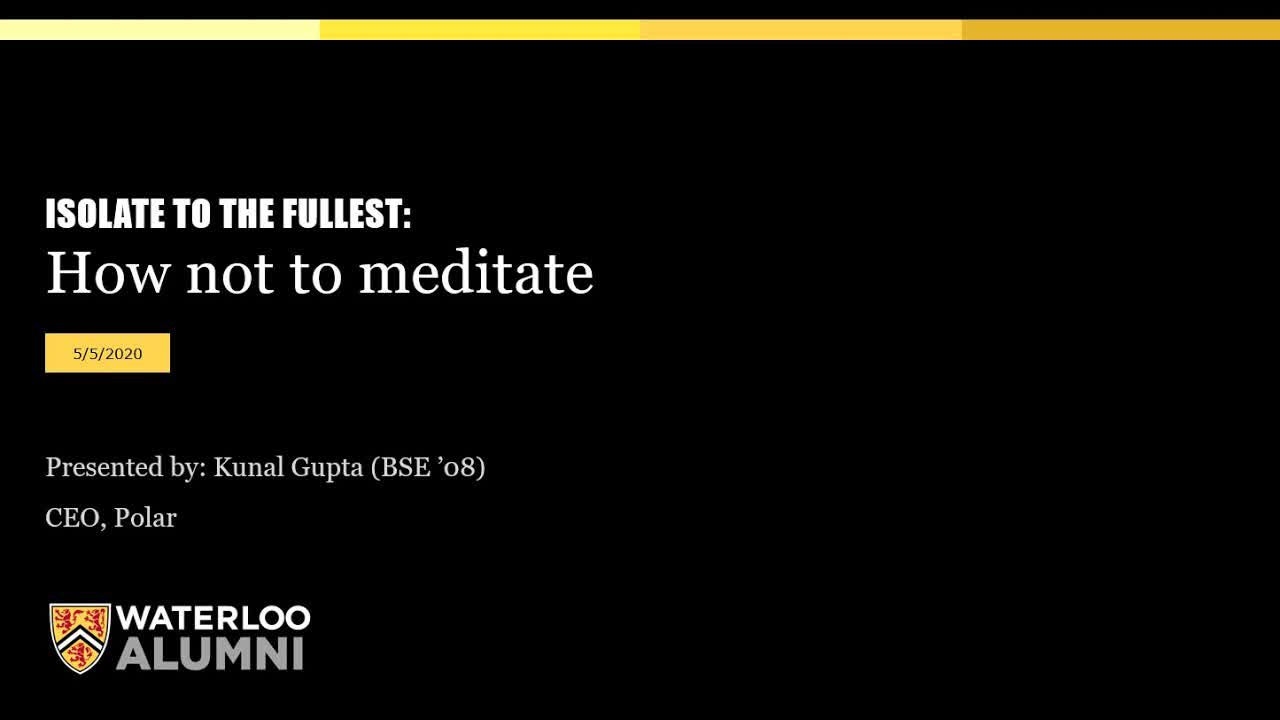 TalkUniversity of Waterloo
The University of Waterloo’s alumni webinar series. Kunal studied software engineering there.
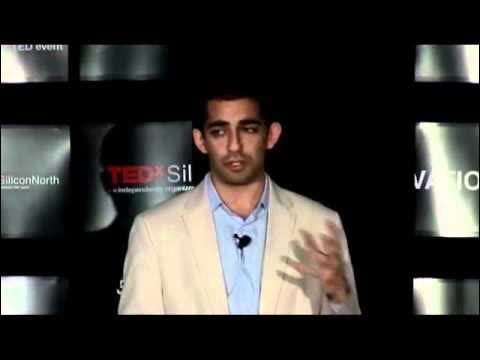 TalkTEDxSiliconNorth
An independently organised TEDx event for Canada’s tech community.
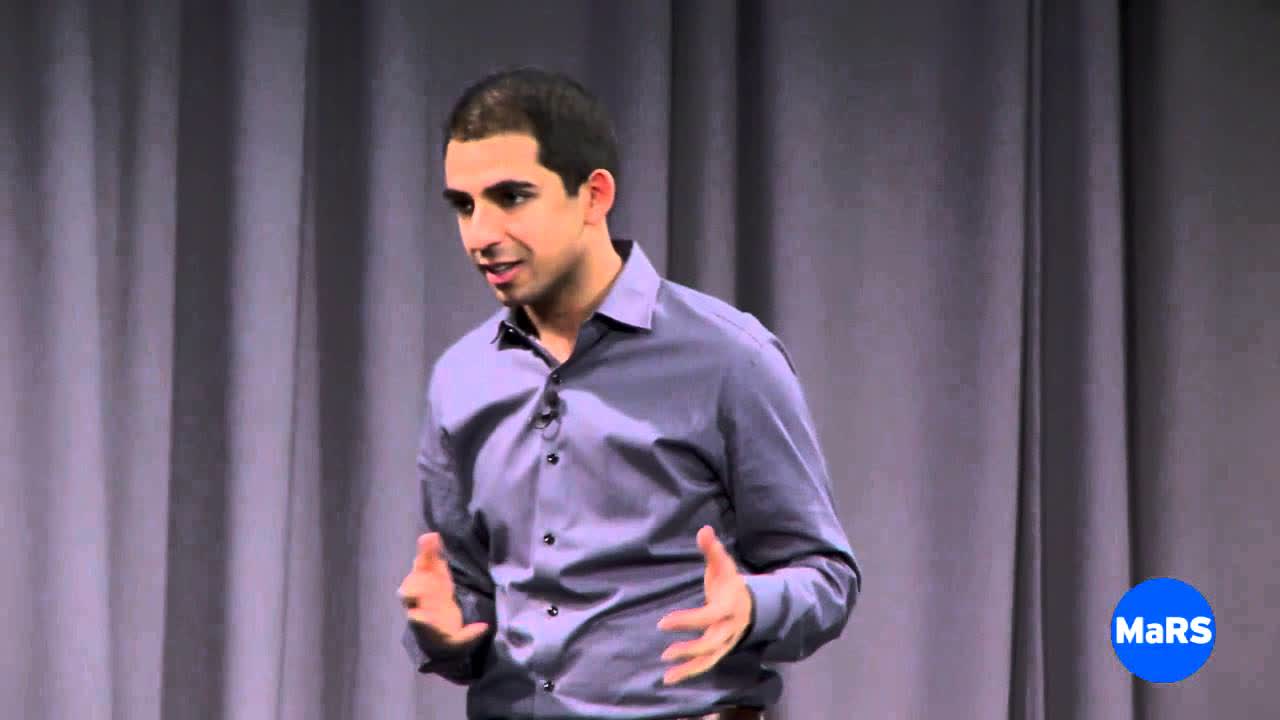 TalkMaRS Entrepreneurship 101
MaRS, Toronto’s innovation hub, and its Entrepreneurship 101 lecture series.
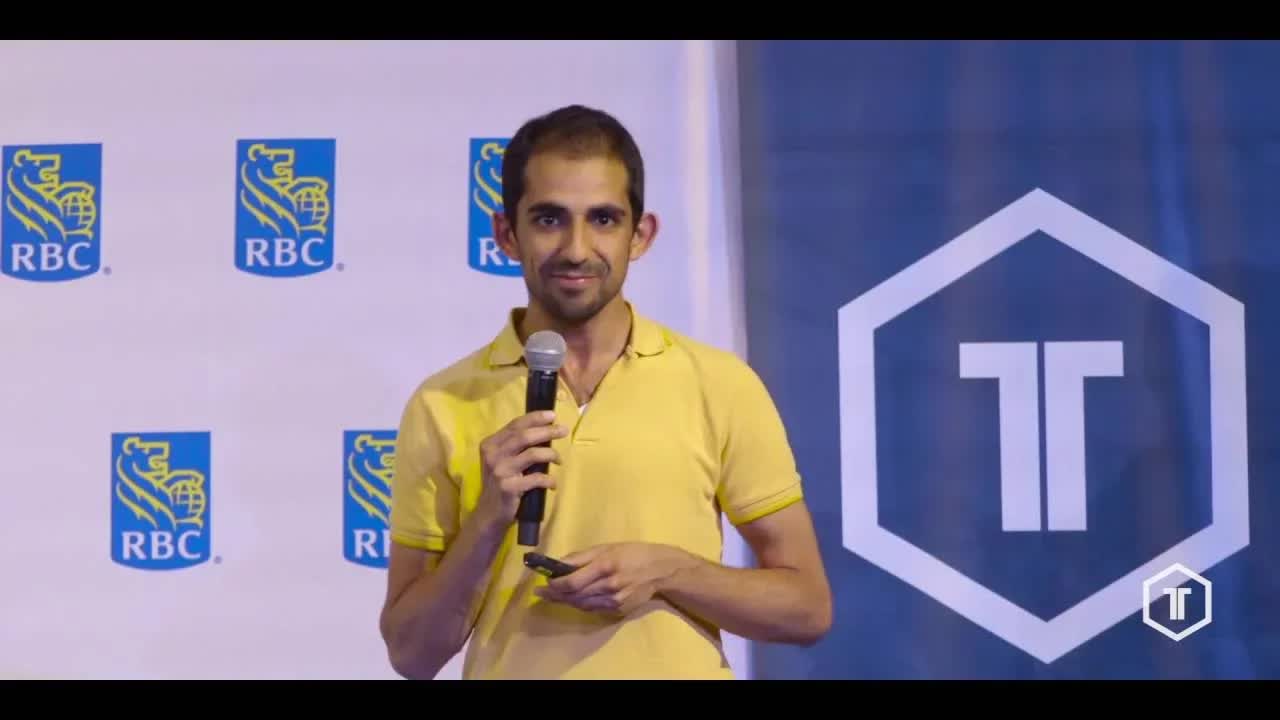 TalkTechTO
Toronto’s monthly tech community meetup.
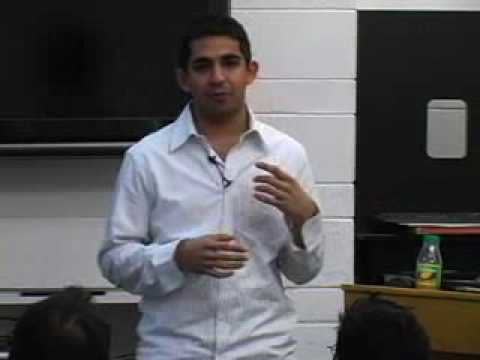
The University of Waterloo’s startup programme.
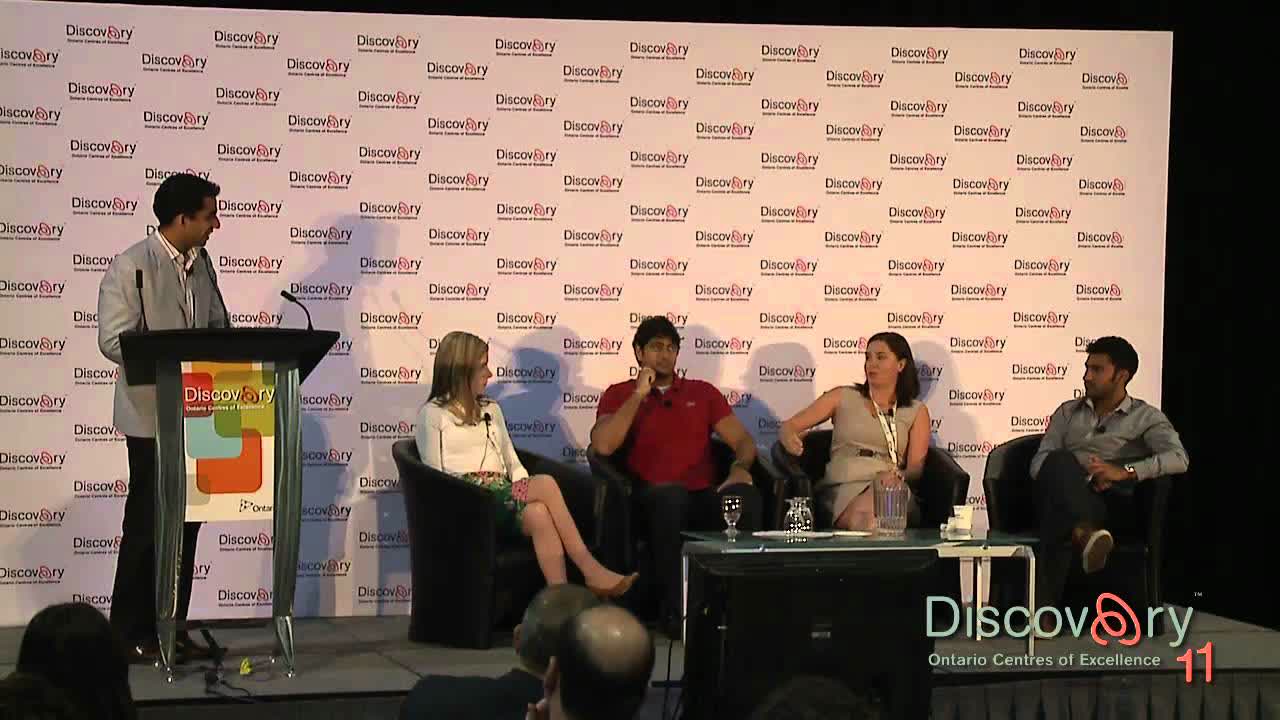
Ontario Centre of Innovation’s annual Discovery conference. Kunal moderated.
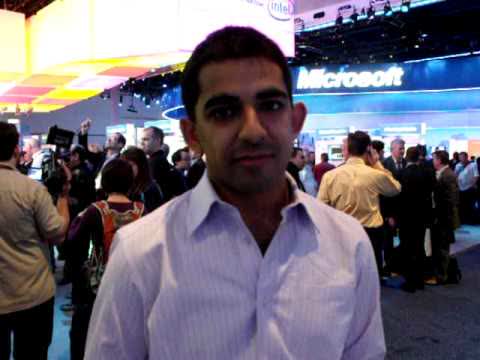
The Financial Post’s technology desk.
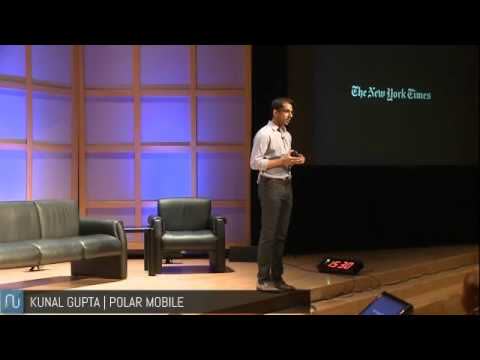
A show about the mobile industry and the people building it.
Canadian technology news for business leaders.
The national voice of Canada’s universities.
No conversations in this format yet.