AI, cognitive load and the things we no longer have to do

Chapters
Quotes
Host
Ross Dawson
Futurist, keynote speaker and founder of Humans + AI, a community and podcast on how AI can amplify human thinking.
Podcasts, talks and interviews where someone else held the microphone.
PodcastHumans + AI Futurist, keynote speaker and founder of Humans + AI, a community and podcast on how AI can amplify human thinking.
 Video podcastIn The Blink of AI
Georgie Healy hosts In The Blink of AI on the Day One network, talking to people shaping how we live with AI.
 Video podcastThe Seen
Kaia Tham’s show about people building unusual lives and companies.
 Video podcastThe Seen
Kaia Tham’s show about people building unusual lives and companies.
 TalkBetter Societies
Adrien Harrison’s Better Societies: a how-to guide for building better societies.
 Video podcastA Success of Our Own
Natalie Ruskin’s show for anyone ready to create their own authentic version of success.
 Video podcastTheStevePodcast
Conversations with the authentic unprofessionals who are changing industries.
 InterviewSander Recommends
For people thinking about moving abroad, buying property, starting a business or investing internationally.
Jon Davids talks to entrepreneurs and creators about how they made it.
 Video podcastThe Red Chair
Índico Capital Partners, a Lisbon venture firm, hosts a monthly close-up conversation in two big red chairs.
 Video podcastThe Business Leadership Podcast
Edwin Frondozo interviews business leaders on how they lead and grow.
 PodcastThe Growth Suite Leadership Podcast
Jonathan Spiess on leadership and building high-growth teams.
 PodcastStigma Podcast
Stephen Hays on mental health, and the people working to remove its stigma.
 PodcastSober Company
Nik and Lacey on living alcohol-free, with guests on the habits that replace drinking.
 PodcastAdExchanger Talks
The podcast of AdExchanger, the trade publication for advertising and marketing technology.
 Video podcastThe JOMOcast
Christina Crook, author of The Joy of Missing Out, on living well with technology.
 TalkUniversity of Waterloo
The University of Waterloo’s alumni webinar series. Kunal studied software engineering there.
Waterloo Warrior Webinars Hello, everyone.
Waterloo Warrior Webinars I'm so pleased to be hosting this discussion on mindfulness, reflection, and finding your zen, and I'm really glad that you've joined us today. During unprecedented and challenging time in history, we could all use a little bit of support in helping us make the most of this time, and so that's what we're here to do today. This is the third and final event in this series brought to you by Alumni Relations at the University of Waterloo. So this has been wonderful to have you here with us. It's our hope at Alumni Relations at the University of Waterloo to directly to alumni of impact in these important areas, with the goal of helping you get the very most out of this strange new experience of isolation, and in true Waterloo fashion, perhaps even throw in some personal growth.
Waterloo Warrior Webinars I'd like to introduce myself. My name is Patricia Duguay, and I'm the senior alumni officer in charge of outreach at the University of Waterloo in the central office. Besides being a proud alumnus myself, I've worked at, in advancement at the University of Waterloo for close to 19 years, helping to keep alumni in, connected to each other and connected to the university as well. So as we begin today, I would like to acknowledge that we live and work on the traditional territory of the Neutral, Anishinaabe, and Haudenosaunee peoples.
Waterloo Warrior Webinars University of Waterloo is situated on the Haldimand Tract, the land promised to the Six Nations that includes 10 kilometers on either side of the Grand River. I got a couple of housekeeping points for you. You're going to want to grab a pen and paper. Today's presentation is interactive, so we want you to be prepared to get the most out of it. So if you have a pen and paper handy, you'll, uh, be able to participate to the fullest. If you would like to submit a question for our speaker to respond to today, I would ask that you please use the Q&A tab instead of the chat tab. The Q&A tab is located along the side of your screen near where the participant list is.
Waterloo Warrior Webinars To get to that Q&A, you may need to click on the small arrow that is beside Q&A in order to expand that box, and you can just type your questions for Kunal right in there.
Waterloo Warrior Webinars Also of note, we're going to be sending a survey out to everyone that registered for this series following today's presentation. So please f- watch for this and take a moment to share your thoughts with us. I can assure you that we take what you say into the deepest of consideration when we plan our programming, and we really would like to know what kind of programming you'd like to see from us during this time. Is there something specific that you would like to see more of, or how can we help you make the most?
Waterloo Warrior Webinars So now it is my great pleasure to introduce Kunal Gupta, who graduated from the University of Waterloo in 2008 with a BSE. Kunal's journey is one of great success, and we couldn't be more proud. As an undergraduate student in software engineering, Kunal was heavily involved on campus in so many facets of student leadership. Upon graduation, he turned his attention to his entrepreneurial interests. Kunal is the founder and CEO of Polar, a technology platform provider whose mission is to enable a business model for the trusted web. He's a volunteer and board member of CAMH, which is the Center for Addiction and Mental Health, and he's also the founder and chair of the Board of Impact Entrepreneurship Group.
Waterloo Warrior Webinars And finally, Kunal is also a mindfulness practitioner. It's in this area where Kunal ties all aspects of his life together. Kunal, what a great privilege it is to connect with you here today and have you here to help us all find our footing during this unsettling time. I leave it to you.
Kunal Thank you, Pat. Um, thank you for that warm introduction, and it's nice to have everybody with us today. I've got quite a large group, and I'm super excited to share with you all something that's become, um, part of my identity over the last many years. So I'd like to invite everybody to, um, for our time today, this will be a chance to really get into practice. Uh, think of it as like the co-op versus being, like, on campus and studying. This is the experiential part and, uh, practice. So take a deep breath and just settle yourself. Like, relax your shoulders, relax your face. Get comfortable wherever you're sitting.
Kunal Give yourself the, the space to, to focus and let go of distractions from your devices, your phones, um, other screens,
Kunal and really set yourself up to, to be present and focused with what we cover today. So to start us off, I would like to invite every person here to share with me through the chat window one word, and one word to describe just how you're feeling in this moment. I'd like to take a moment to take a deep inhale. And slow exhale. Just to check in to see what's going on. How does your body feel? How does your mind feel?
Kunal And go ahead in the chat window and share in one word your current state.
Kunal I'll read out some of the words. And once you've shared, shared your word, you can take a moment to read some of the other words that fellow alum have shared, and this will give us all a sense of the energy, of the mood, and how we're, how we're feeling.
Kunal Some are sharing in the chat window or the QA window, totally fine.
Kunal If you haven't yet, or if you just joined, the prompt is to share in one word how you're feeling.
Kunal Recognize some of the names. It's nice to see you, Shanak and Heather and
Kunal Meg, and nice to have some friends here as well.
Kunal Okay.
Kunal So I'd like to... We're gonna jump into a meditation practice in a couple of minutes. I'd like to start by sharing a bit about myself so, uh, you know, you know me and have a bit of an idea of why I'm passionate about mindfulness and some of the things I've learned along the way. I was in Waterloo, feels like a long time ago, um, graduated in 2008, and was very active, uh, as a student on campus and a lot of leadership roles. Um, but definitely if I, like, paint my journey and pa- shared a couple of the activities and organizations I've been involved with and have led, um, probably what's more interesting is, like, the state of my mind. And as, as a student...
Kunal So first of all, I can't imagine being a student today, uh, in terms of the, the additional, like, pressures that, that may be felt. Um, you may relate to this. For me as, as a student, my mind was, was very busy and very worried, very hurried, and that manifested through me being very active and always doing something. Uh, and then after, after Waterloo, I started a business and this was at a time when it wasn't cool to start a company as a young person. The world has changed big time, thankfully. Uh, but it was quite challenging and that led to even more agitation and stress for me mentally. And it was, it wasn't until about six years into the business that, um, I got to a point where in life I felt that everything that I was working towards had presented itself.
Kunal Uh, professionally, for the first time, this was six years into the journey, everything was kind of working, and that rarely happens when you start a company. But with lots of hard work and a bit of luck and a lot of support, things were, were working. There was an ease to it. And then personally, everything that I had hoped for and wanted for at that stage of my life was also there.
Kunal And there's this one day, it was in August 2014, and I, I remember walking into my office in Toronto and this feeling of boredom and confusion came up, realizing that everything I wanted for, everything I'd been working for was already there. And then I asked myself, like, "What do I do? What do I focus on? What's next?" And I could not think of anything. Anything I could think of was, was there. Uh, and it is in that moment that I realized that, oh, maybe I've made it. Maybe I've made it to the top of this mountain that I've been climbing. Maybe I've made it across the finish line of this race that I've been running my entire life, my entire adult life. And in that moment, there was a big pause, a long pause.
Kunal And then I realized that, okay, everything that I said was important is there, but I didn't feel any different. And I expected to. I expected to feel satisfied. I expected to feel successful. I didn't have that feeling, even though everything in my mind told me once I have all these things, then that feeling would be sitting there, and it wasn't. So that was the moment for me that I started to turn inwards and that I started to question really the values and the beliefs and the choices that I'd been making. And then soon after that is when I discovered meditation. And I really gravitated towards that practice as some, as a way to look within myself.
Kunal Whereas I'd been searching for answers constantly by doing and by looking outwards, meditation started to open up this, this door inside of me, and I started to step into this world that I didn't know existed, and it was my inner world. And it was building a relationship, a very intimate relationship with myself. And getting to know myself from a completely different lens that I frankly didn't know existed. Did not know it existed, but this became like a tool. It became like the key to open that door. And for any of you who have a practice, you may like, you may agree with me is that once that door opens, it doesn't really get shut. It never closes.
Kunal Uh, and I find it fascinating. It's been an, it's a fascinating journey and one where I continue to, to discover, um, values and beliefs and make choices that are from a deeper place and a place that feel more, feels more connected, um, than it ever was. So really meditation has become a tool for me to build the skill of awareness, and that awareness starts with self-awareness, and it can expand beyond the self to include others and situations and circumstances but really that's, that's the core of it and that's what I wanna work on today through a series of practices, is cultivating awareness as a skill.
Kunal And with that skill, like unlike my engineering degree or speaking a language or, um, knowing how to cook or drive a car, those skills are very like vertical, like very functional, very time and topic and place dependent. Awareness is a skill that cuts through it all. It's a skill that I apply to everything and everyone and every interaction and every moment. It's like learning to live with the lights on, and I realized that before I was living with the lights off. That's a profound, a profound change. Some of this may feel scary
Kunal and that's the, that's what it, that's what's involved and that's what's been involved in my journey at least in terms of looking within.
Kunal So we'll get into meditation, into our first practice. We're gonna do a series of practices and exercises today. Um, meditation has been branded as not thinking or stopping the thoughts in our mind or controlling the thoughts in our mind. It took me a while to realize when I started to meditate, which was about six years ago in a pretty deep way, that there's a lot of thinking that happens, and there's even more thinking that happens during meditation. Uh, meditation is not not thinking. Meditation is about becoming aware, and in this case, aware of the thinking and the many thoughts that flow.
Kunal I've been teaching meditation for a few years now and encourage pretty much everyone in my life to meditate and to try it at least, and I'm glad that all of you are open to trying it or practicing it with me right now. The common response or objection that I'll hear about trying to meditate is somebody saying that, "It's not for me," or, "My mind is too busy," or, "My mind is always racing," to which my response is, "Do you think you're the only one?"
Kunal And that usually gets all of us to, to be open to realize that we all have a mind. All of our minds are full of thoughts and having thoughts is, it's like breathing. It's what makes us human. There is nothing commendable about not breathing. Similarly, um, thinking is, is part of the process of, of living. Meditation is a way for us to have a relationship with the thoughts.
Kunal So from a practical standpoint, three tips. The first one is think of meditation as a practice of awareness, so become aware of your thoughts.
Kunal Resist any urge to control or stop the thoughts because they're usually futile attempts. The second one is acceptance. Meditation is a practice of accepting whatever we start to become aware of. It's natural once we start to become aware of our thoughts to start to judge and analyze them. The second tip is to really learn to accept whatever is coming into your awareness. And the third one is alertness. And that's the actual posture that you may keep physically during meditation. It's helpful to avoid having back support. If I'm sitting on a chair, I'll sit halfway up on the chair with about half of my weight into my legs and the other half into my seat and hips.
Kunal Not having back support allows the spine, encourages the spine to stay more alert and straight, and that keeps the mind alert as well. The biggest risk in meditation is, is falling asleep, like physically or mentally. And the posture, a posture that's dignified, that's intentional can help, uh, avoid that threat. So awareness, acceptance, and alertness. So let's get started with the practice. Take, uh, take whatever posture is gonna feel good for you today. Sit comfortably and bring your eyes to a gentle close.
Kunal Relax your jaw. Relax your shoulders. Lengthen your spine.
Kunal Bring some ease into your fingertips and toes.
Kunal And continue to keep your eyes closed.
Kunal Start by becoming aware of where you are.
Kunal Continue to keep your eyes closed. Visualize the city that you are in right now.
Kunal Visualize the neighborhood.
Kunal The street.
Kunal The building or home.
Kunal Floor.
Kunal The room.
Kunal And the part of the room.
Kunal Notice any sounds in your space.
Kunal Notice the temperature in your room.
Kunal Feel the floor under your feet.
Kunal The chair under your seat.
Kunal Now that you know where you are, let your body be heavy.
Kunal Start to notice your feet.
Kunal All of your attention on the soles of your feet.
Kunal As you scan different parts of your body, become aware of any sensations, any areas of discomfort or ease.
Kunal Bring a quality of acceptance to whatever enters your awareness
Kunal as you scan your body.
Kunal Start at your feet. Just the soles of your feet
Kunal and the top of your feet.
Kunal Your ankles, both left and right.
Kunal And calves.
Kunal Notice your knees.
Kunal And thighs.
Kunal Become aware of your hips
Kunal and your glutes.
Kunal Take a moment to feel the weight of your legs from your toes to your hips.
Kunal And then now bring your attention to your torso.
Kunal Start with your lower back.
Kunal To work up your back, become aware of the muscles in your mid-back.
Kunal Visualize your spine.
Kunal Notice your shoulder blades
Kunal and your upper back.
Kunal Bring your attention now to your chest.
Kunal Notice your lungs.
Kunal Any sensation in this part of your body as you inhale and exhale.
Kunal Notice your heart
Kunal and your abdomen, rib cage,
Kunal and your stomach.
Kunal Take a moment now to notice
Kunal your entire torso, your back body and your front body.
Kunal Bring your attention now to your fingertips.
Kunal Go through your right hand and your left hand.
Kunal Notice the palms of your hands,
Kunal the tops of your hands.
Kunal Become aware of your wrists
Kunal and forearms,
Kunal your elbows
Kunal and upper arms.
Kunal Notice your shoulders.
Kunal Become aware of the weight of your arms from the tips of your fingers to the tops of your shoulders.
Kunal And bring your attention now to your head. Notice neck,
Kunal chin,
Kunal jaw,
Kunal tongue, teeth,
Kunal cheeks,
Kunal eyes,
Kunal ears,
Kunal forehead, and
Kunal the top of your head.
Kunal Notice
Kunal entire body now
Kunal with maybe a little more awareness from the top of your head to the tips of your toes.
Kunal Begin to focus now on your breathing.
Kunal You may find it helpful to pick one area in your body where you can visibly feel each inhale and each exhale.
Kunal Maybe your nostrils, throat, chest, stomach, or anywhere else.
Kunal Bring your attention to one part of your body.
Kunal Begin to quietly observe your body breathe.
Kunal If your mind begins to wander, know that's completely natural, and gently bring your attention back to your body or to your breath.
Kunal Your sole job right now is to watch each inhale and each exhale as if you're not going to let a single one escape your attention.
Kunal Continue to stay with your breath now as you check in with your emotional state.
Kunal Ask yourself quietly, "How do I feel?"
Kunal Notice what word or words begin to come up.
Kunal Try to see past your physical state. Really get into your emotional state now.
Kunal How do I feel?
Kunal Continue to breathe.
Kunal And start to deepen your breath now. Let go of the reflection.
Kunal As you deepen your breath, begin to connect back to your body. Feel your chest.
Kunal Notice the strength in your torso.
Kunal Let there be ease in your arms.
Kunal Feel the grounding of your legs.
Kunal A lightness in your head.
Kunal And begin to visualize where you are. Maybe the room, the light,
Kunal the building or home,
Kunal city,
Kunal country.
Kunal Kinda where you are right now physically.
Kunal And take a deep, long inhale
Kunal and a slow exhale.
Kunal Take another deep, long inhale
Kunal and slow exhale.
Kunal Wiggle your fingers, wiggle your toes. Gently open your eyes to come back to your space.
Kunal Without getting distracted by now being able to see, just take a moment to notice if anything has changed. Has anything changed in your physical state?
Kunal Has anything changed in your mental state?
Kunal Or has anything changed in your emotional state?
Kunal I'd like to invite you to come back to the chat window and share in one word or even a few words what that experience of meditation was like for you, or how you're feeling in this moment, or any change that you've noticed.
Kunal Go ahead, come to the chat window. Share with the group a word or a few words as a quick reflection.
Kunal Take a moment to read what your fellow alum are also sharing and feeling in this moment.
Kunal And as the shares continue to come in,
Kunal knowing we're Waterloo people, I'll explain some of the theory of what you just did.
Kunal We started by looking at a pretty large area, like city and neighborhood. So we started with the physical space, so where are we, and then we came down to the room or the part of the room that we're in. That was part one, which is to ground ourselves, to orient where we are. Part two was to check in with the body. So now that we know where we are, we can start to see, like, how we feel physically. The body scan was, was more detailed today. That was intentional. And then part three was to come into the breath. Now that we know where we are, how the body feels, we're able to get deeper.
Kunal And then part four was to tap into our emotional state. How do we feel?
Kunal And then we started to zoom. We connected back to the breath, connected back to the body, and then connected back to the space. And that's how we can reintegrate. It's a very simple flow. And again, meditation is a practice of
Kunal really skill building, the skill of awareness. The awareness started, like, at a macro and became more and more subtle. Through this type of practice, the skill of awareness gets sharper. And through awareness, the way we view and navigate life changes in quite profound ways.
Kunal I'd like to move now into second practice, and this is a journaling practice called Morning Pages. Uh, I will say this practice has helped me change my life in very profound ways, in that it's helped me become aware of what's going on consciously and maybe even deeper. Practice is a writing practice. It's very simple. It involves, um, two guidelines. Uh, the first is to have, like, a paper and pen. And if you don't, for whatever reason, have a paper, a pen, like, physically with you, you can, you can type away in a Google Doc or an email or, or something on your computer.
Kunal But it's highly, highly advised to do this by hand because we, we write slower than we type. That's intentional. So once we start the practice, we're gonna d- we're gonna go through it together. Once you start writing, you don't stop. What that means is you continue to keep your pen or pencil moving. If you don't know what to write, "I don't know what to write. I'm writing I don't know what to write. I don't know what to write," or, "I'm writing blah, blah, blah." You keep your pen moving. You do not give yourself a moment to think or form or construct your thoughts. You're writing without stopping. And then the second thing is, once we're done, we are going to throw out our piece of paper. Or if you did write this digitally, you're gonna delete it.
Kunal Your writing does not need to be legible. You're not gonna keep... You're not gonna read what you wrote. You're not gonna share it with anybody. I'm not gonna ask you about it. You're not gonna tell me what you wrote about. This is actually, like, the only space that you might ever get to really understand and tap into whatever is going on inside, and there's no judgment. There's no judgment from anybody else, but more importantly, no judgment from yourself. You are never going to see what you wrote.
Kunal So grab a pen and paper, uh, sit comfortably, and I'm gonna do this as well as we go through this and start writing.
Kunal Pay less attention to what you're writing and let the words flow. Once the pen has started to move, do not let it stop.
Kunal The words may turn into lines or figures or drawings. Continue to write
Kunal without pause.
Kunal Speed is your friend here to avoid stopping, thinking.
Kunal It does not have to be legible.
Kunal Keep writing. Don't, don't stop.
Kunal 30 seconds more.
Kunal And release. If you wrote on a piece of paper, throw it away, tear it up, recycle it.
Kunal Do not even look at it. Don't even read it. Don't keep it. Discard it. If you wrote digitally, then delete.
Kunal And just take a moment. You can close your eyes.
Kunal Notice how you feel.
Kunal Notice if there are any strong thought patterns.
Kunal Any strong emotions.
Kunal No need to change anything.
Kunal Awareness and acceptance.
Kunal Deep inhale
Kunal and slow exhale. Gently open your eyes. Come back to your space.
Kunal That was a practice called Morning Pages. I'll share a link afterwards to my blog where I explain the technique and, and why it's effective.
Kunal Um, got a question. Got asked, uh, the question, uh, "How long did we write for?" We wrote for five minutes. Uh, the full practice, you may consider spending 20 minutes and uninterrupted 20 minutes of writing, called Morning Pages because in the morning time, for me, it serves as, like, a really nice, like, bridge from the sleep state into the wakeful state and a way to, to let go of all the, the mental pollution. It's like a detoxing. When I wake up in the morning, I'll... Probably every other day now, before it used to be every day, but now every other day, I'll do a 20-minute Morning Pages session, uh, and then I'll sit and, and meditate. I'd like to share for a few minutes about how to build a meditation practice, if this is of interest to you.
Kunal And in our last kinda 10 to 12 minutes together, I'd also invite you to now start to submit questions. So you can use the Q&A box or the chat window, whatever you'd like. Um, but any questions about anything I've talked about or the topics of meditation, start to, to share them and I'll work them in for our final few minutes together today.
Kunal So building a meditation practice, a, um, a meditation teacher had explained this to me many years ago, and it really, like, helped me as a framework. And the first is the, the metaphor, the analogy is to, like, an apartment. And having a daily meditation practice is the equivalent of taking out the, the garbage, taking out the kitchen trash. And if you don't do it every day, then it starts to get stinky and smelly. And that's really about the mind. So the daily practice is a way to start to take out the trash every day and keep the place inside a little cleaner.
Kunal The practice could be as simple as two minutes, and that's what I would recommend. And we'll, we'll close our time today with a two-minute meditation, where we can all find two minutes and start with a two-minute daily practice. That's a, that's a great entry door to building a consistent, um, practice. On a weekly basis, doing something that's a little longer. It could be a longer meditation, could be a group meditation, could be a guided meditation. Maybe it's 15 minutes or 20 minutes on the weekend. That's the equivalent of tidying up the apartment. That's like putting everything in its place. Because I've been taking out the trash every day, when I've got a bit of time on the weekend, I can start to put things in their place. It's like organizing it, organizing the mind a little bit.
Kunal And then every few months, doing something that feels like a retreat. And a retreat, as a concept, really means taking, uh, space to disconnect, uh, taking space to not feel responsible, uh, feel responsible for doing something or achieving something. In a retreat mindset, you could be very much still doing, you could be reading and doing other practices or hobbies or things you enjoy, but it's really like creating a container, creating space, usually, like, ideally a few days, if not, like, at least one day every few months where this is my retreat day or my retreat time. I'm gonna be active, but it's gonna be about retreating away, having a bit of space.
Kunal And then the metaphor continues, and that's like a deep scrubbing of my apartment, because I've been taking out the trash every day, because every week I've been putting things in their place. Every month or a few months, I'm now taking time to, like, do a deep cleaning of the place. So that's, that's been really, um, helpful for me as a framework in terms of a mindfulness practice, is a daily, a weekly, and then kind of a monthly aspect.
Kunal So I'll share a couple of thoughts and reflections based on the, the questions that are starting to come in, and I encourage you to type in your questions. Um, so question about using a backrest. Unless you have a physical, um, like, injury or discomfort or sensitivity, then avoid using a backrest when meditation, meditating. Sitting on a chair is totally fine. Sit halfway up the chair. Or if you're sitting on the ground, sit on a cushion or a yoga block or a few pillows so your hips are elevated above your knees. The guidance really helps to keep the mind more alert through the process.
Kunal Uh, a monthly deep scrubbing. So the monthly retreat, really what that is, is disconnecting. So I've got, like, this menu of mindfulness practices. So it's like meditation, writing, dance, singing, yoga, uh, reading, um, sleeping, napping, walking, exercising. So I just listed off, like, a dozen practices. So for me, a retreat means filling a day or two days or a weekend with these practices. A key aspect of retreat has been, like, turning off my phone, disconnecting. It's fine if other people are in my, my space, family or friends or if I'm traveling even, uh, in the past on retreats. Uh, what I just described is, like, a self retreat.
Kunal There's no structure. There's no teacher. I am the teacher. And it's saying, "I'm gonna create this space and fill it with activities that allow me to become more aware," uh, and then put up some walls, really through technology of the things that may distract my attention.
Kunal Uh, I got the question about how has meditation helped me. Really, it, it helps, it helps build the skill of awareness. And with awareness, everything else changes. I think, like, 90% of life is, is awareness. Once I become aware of an opportunity, I will do something about it, almost instinctually. Once I'm aware that somebody needs help, I will naturally want to help them. If I'm not aware of an opportunity, if I'm not aware of a challenge, if I'm not aware of a pain, I can't do anything about it.
Kunal And the 20-minute journaling session that we do before meditation, do I keep it or throw it out? Great question. Uh, I throw it out. So that's the Morning Pages technique. Um, on my blog, I, I have a, I, I've shared a post where I write about all the journaling practices that I've, I've learned and prac- keep. Um, Morning Pages is specific to writing without stopping and throwing it out. That's, that's, uh, it's like self-therapy. It's very helpful. There's no judgment. It's like the only judgment-free zone we have, even from ourselves. I have a reflection journal, which is like, you know, what I'd write on, on vacation or on milestones. I have a daily journal. Um, those are kept. But the Morning Pages technique that we practice is a, is a throwaway, um, writing practice.
Kunal And it's really important, even if you land at something that inspires you or excites you, to still throw it away, because it's about creating the safety, um, the emotional, the psychological safety for yourself to truly express what's happening without concern of judgment from yourself.
Kunal I got a question about disconnecting. Hey, Priya . Nice to see you or talk to you. Uh, disconnecting from, from, uh, the phone. So I will show you my home screen. Uh, there's 10 apps on it. None of them involve messaging or media . They're all utility, like Google Maps or Calendar or Notepad or Music Uh, I don't use social media. I don't use social media to consume. Uh, I do share, like, my mindfulness blog posts and content as a creator. But social media, I can go on for this, it's not designed to support our awareness and mindfulness practice, it's designed to distract.
Kunal And we know this intellectually. My advice to you, it's like you're hearing these words and you're saying, "Yeah, I know, but..." My advice to you is to try, like, a Facebook fast. And Facebook, I mean social media fast. For one day. Just for one day say, "I'm gonna, like, delete the apps or turn off notifications," and just see what happens. Think of it like an experiment. Um, experimenting is something that, um, that's, like, familiar to us at Wise Waterloo alumni, especially anybody in engineering. Uh, back when I was on campus, there was the theme of why not. That was the university's slogan. So any of the things that I've shared today, I'd encourage you to ask yourself, like, why not? Why not try writing in the morning for 10 minutes or 20 minutes and throw it out?
Kunal Why not try turning off my phone or turning off apps or notifications for a day and see what happens?
Kunal So the two-minute meditation is something that you'll start with, um, daily. So if you're new to meditation, start with a daily two-minute meditation. It's very simple. You bring your attention to your body. We did a very detailed body scan, so it's a very simplified version of that. You can scan your legs, your torso, your arms, your head. You could do a two-minute meditation where you keep your eyes open and you're sitting or standing and you're observing your space. You're noticing the light, the sounds. You're visualizing where you are. You're looking at the furniture. Or you can do a two-minute meditation where you look at and focus on your breath. You sit down comfortably, you close your eyes, and you observe each inhale and each exhale.
Kunal So when you get and start with a two-minute meditation, on your own the two minutes will start to become three minutes, and it'll start to become four minutes. And it'll be happening once a day, but it'll start to happen twice a day. And, uh, from all the friends that have started on the two-minute meditation, they all have a meditation practice now. It's important to start easy and simple and then just let it grow there, 'cause you yourself will see the, the benefits from it.
Kunal Um, I got asked the question about reviewing what we wrote on morning pages. Uh, it defeats the purpose. Um, so when you write, you throw it out. Uh, three tips for meditation. Awareness. Don't try and control or change your thoughts. Become aware of your thoughts. Acceptance. Become accepting of whatever you become aware of. I'm not just talking about meditation now, I'm talking about life . And then third is alertness. That's posture, that's going through life, um, with the lights on versus the lights off.
Kunal The parts of the meditation that we did, um, there were four parts. We looked at physical space, we looked at our body, we looked at our breath, and then we looked at our emotional state. Okay, how do you prevent reacting to workplace situations when feeling aggravated? The first piece is to know that you're feeling agitated. I'm living with my parents right now during lockdown. Uh, the famous quote is, "If you think you're enlightened, go live with your parents for a week." Uh, I can tell that I'm not enlightened 'cause I've been living at home for seven weeks . And lots of opportunities to practice mindfulness. So really I'd say start with un, becoming aware that, okay, I feel agitated right now, and just see what happens with a little more awareness of how you're feeling.
Kunal We did a lot of check-ins throughout the practice today. And then meditation apps are very good. They're all the exact same. It does not matter. Don't get attached to this app or that app or this practice or that practice. They're all the same. They're all designed to help you build the skill of awareness. I believe we're out of time now. I'm just gonna type in the chat. I'm gonna share with you two links.
Kunal Um, so findfocus.live is where I've kept a number of guided meditation recordings. And each morning during lockdown I've been hosting at 9:30 AM Eastern on Zoom a 15 to 20 minute meditation, so you're welcome to join for that. Details are there. And Find Focus Today, findfocus.today, is my blog. And everything I've talked about you will find a blog post on it. With that, I'll pass it back to Pat.
Waterloo Warrior Webinars Thank you, Connell.
Waterloo Warrior Webinars That was a great exercise.
Waterloo Warrior Webinars Thank you so much for that, Connell.
Kunal Mm. Thank you.
Waterloo Warrior Webinars Very helpful and wonderful and very welcome in the middle of the day, these crazy days that we're experiencing. It was very encouraging, and there was a lot of really great tips there that I think we can all bring to our daily rituals and expand on and get better at, so thank you for that. I just wanna remind everybody out there that we are gonna send you a survey, and we are very grateful for the feedback that you provide us, so if you have a moment, please fill it in for us. And I hope that everybody is now feeling settled and ready to enter the second half of their day. And once again, we're so proud of everything that you've done and so honored that you spent some time with us here today, Connell.
Waterloo Warrior Webinars Thank you so much.
Kunal Thank you, Pat.
Waterloo Warrior Webinars Have a good one.
 TalkTEDxSiliconNorth
An independently organised TEDx event for Canada’s tech community.
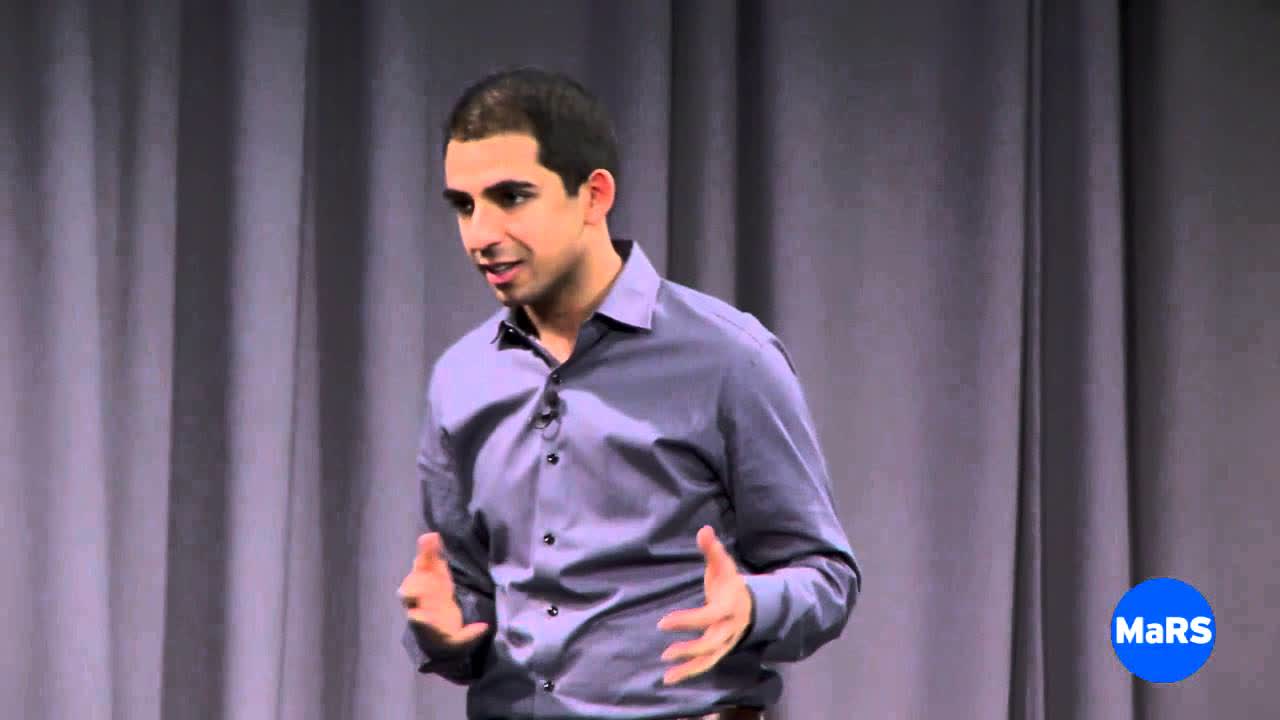 TalkMaRS Entrepreneurship 101
MaRS, Toronto’s innovation hub, and its Entrepreneurship 101 lecture series.
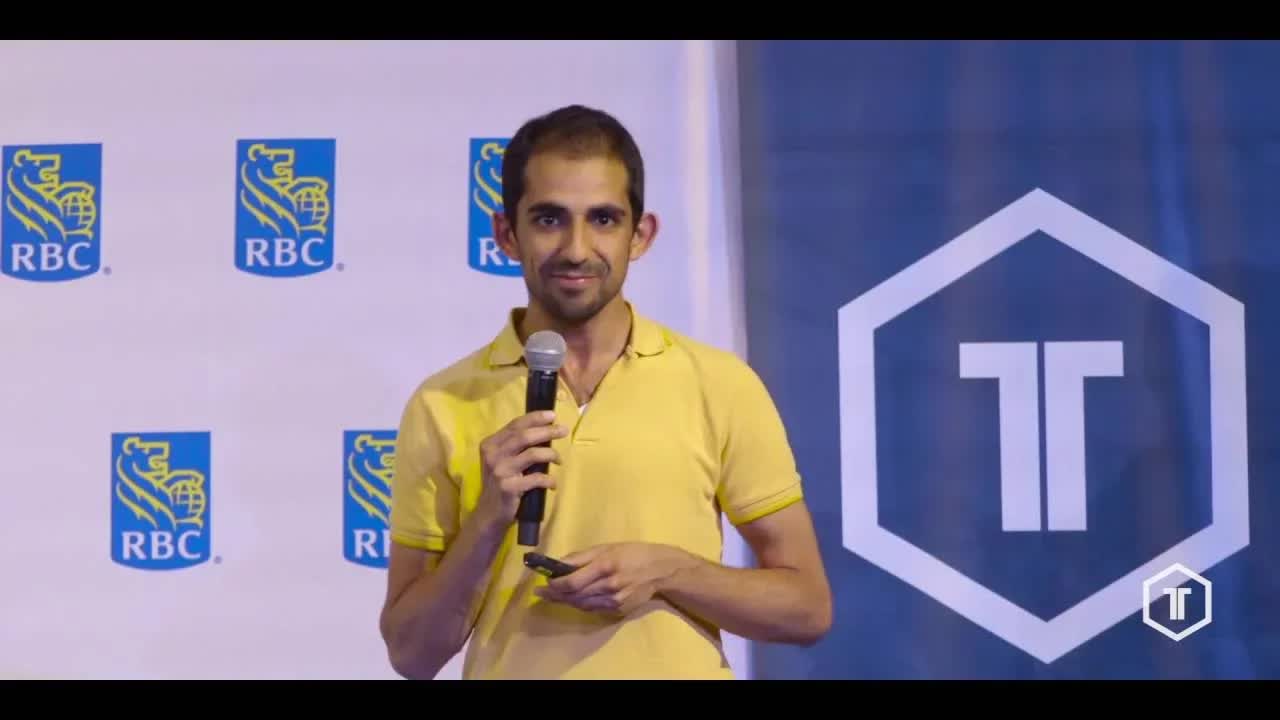 TalkTechTO
Toronto’s monthly tech community meetup.
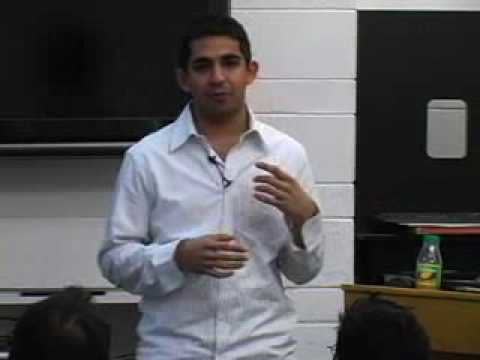
The University of Waterloo’s startup programme.
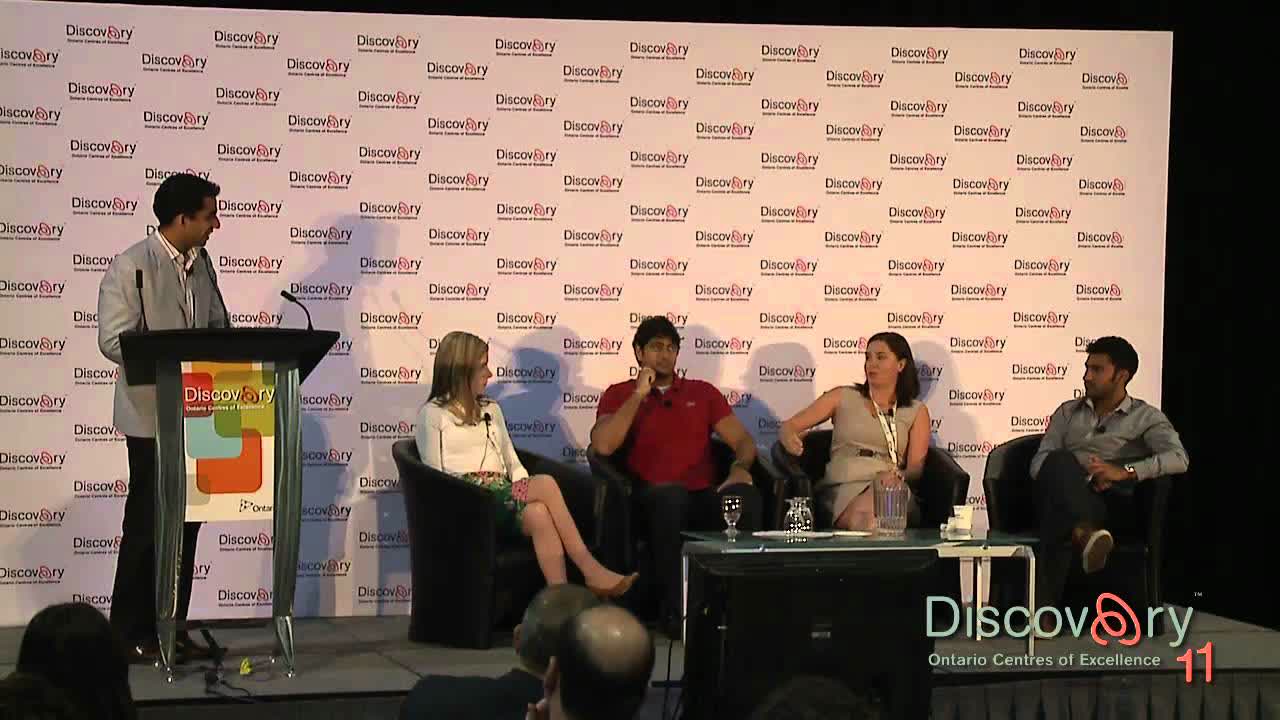
Ontario Centre of Innovation’s annual Discovery conference. Kunal moderated.

The Financial Post’s technology desk.

A show about the mobile industry and the people building it.
Canadian technology news for business leaders.
The national voice of Canada’s universities.
No conversations in this format yet.