AI, cognitive load and the things we no longer have to do
Chapters
Quotes
Host
Ross Dawson
Futurist, keynote speaker and founder of Humans + AI, a community and podcast on how AI can amplify human thinking.
Podcasts, talks and interviews where someone else held the microphone.
PodcastHumans + AI Futurist, keynote speaker and founder of Humans + AI, a community and podcast on how AI can amplify human thinking.
 Video podcastIn The Blink of AI
Georgie Healy hosts In The Blink of AI on the Day One network, talking to people shaping how we live with AI.
 Video podcastThe Seen
Kaia Tham’s show about people building unusual lives and companies.
 Video podcastThe Seen
Kaia Tham’s show about people building unusual lives and companies.
 TalkBetter Societies
Adrien Harrison’s Better Societies: a how-to guide for building better societies.
 Video podcastA Success of Our Own
Natalie Ruskin’s show for anyone ready to create their own authentic version of success.
 Video podcastTheStevePodcast
Conversations with the authentic unprofessionals who are changing industries.
 InterviewSander Recommends
For people thinking about moving abroad, buying property, starting a business or investing internationally.
Jon Davids talks to entrepreneurs and creators about how they made it.
 Video podcastThe Red Chair
Índico Capital Partners, a Lisbon venture firm, hosts a monthly close-up conversation in two big red chairs.
Índico Capital Partners Okay. Welcome to the Red Chair. Today we have, uh, another special guest, Kunal. Uh, good to see you. Welcome to the Red Chair.
Kunal Thank you.
Índico Capital Partners Who are you? Tell us your story. Entrepreneur, meditator, investor, but who's Kunal?
Kunal I'm just a guy hanging out in Portugal. Enjoying the sun.
Índico Capital Partners I wonder why.
Kunal Enjoying the beach. Yeah, yeah.
Índico Capital Partners Tell us your story. I mean, how did you start your, like a successful entrepreneur, but, but tell us more.
Kunal Yeah. Canadian, born and raised, um, went to school in Canada at, uh, University of Waterloo. It's very well known globally as a top engineering school.
Índico Capital Partners Absolutely.
Kunal And started my company in my fourth year. Uh, this was 15 years ago, so this was at a time before it was-
Índico Capital Partners While you were still in university?
Kunal Yeah. I was still in school.
Índico Capital Partners Did you drop out or did you-
Kunal I didn't.
Índico Capital Partners You didn't, you-
Kunal I didn't. I didn't
Índico Capital Partners ... you stuck-
Kunal I passed every class somehow.
Índico Capital Partners That's well done.
Kunal Uh, I stopped going to class in the last couple of years.
Índico Capital Partners Okay.
Kunal But managed to, to, to get through. And, uh, 15 years ago was a very different time to be starting a company as a 20-year-old. Uh, the support systems, the infrastructure, the incubators, the investors, uh, the role models, nothing was there. Uh, entrepreneurship wasn't seen as something to do right out of school-
Índico Capital Partners Right
Kunal ... 15 years ago. So it's amazing to see how today it's a, a real option and people strive for it and aspire to do that.
Índico Capital Partners For sure.
Kunal Where 15 years ago it was, okay, you couldn't get a job, so maybe-
Índico Capital Partners Right
Kunal ... you should start a company.
Índico Capital Partners And 15 years ago was not that long ago, right? I mean-
Kunal Yeah
Índico Capital Partners ... I remember it very well, right?
Kunal Yeah.
Índico Capital Partners So-
Kunal So-
Índico Capital Partners But how, what did you start?
Kunal Yeah, so we, um... The idea was to start a company. The actual product was secondary.
Índico Capital Partners Right.
Kunal The idea was I and other colleagues wanted to work for ourselves.
Índico Capital Partners Mm-hmm.
Kunal We did not wanna work for, uh, a big company. And we started to prototype all sorts of ideas. Um, back then, um, BlackBerry was, was a big deal. This was before the iPhone existed. Uh, BlackBerry is a Canadian, uh, innovation.
Índico Capital Partners For sure.
Kunal So we were heavily influenced by mobile technologies. And this is before 3G networks existed. We're onto 5G today. This was edge 2G networks.
Índico Capital Partners Mm-hmm.
Kunal And we came up with all these ideas of what might people do on their phones in the future. And the, the big insight for me was that mobile devices will be used as consumption devices, not just communication devices. And I-
Índico Capital Partners Where did you get that insight from?
Kunal Yeah. I did, um, I did a study term in Hong Kong earlier, and I did a work term in the UK, and I saw people kinda 18 years ago using a phone I, in a way I'd never saw somebody use a phone in North America. In North America we were just texting.
Índico Capital Partners Yes.
Kunal And 18 years ago, like I was in Hong Kong watching TV on my phone in a subway under the river.
Índico Capital Partners Right.
Kunal And-
Índico Capital Partners Incredible, right?
Kunal Yeah.
Índico Capital Partners And Japan also worked like that as well.
Kunal Yeah. Yeah.
Índico Capital Partners Mm-hmm.
Kunal So that, that's where the inspiration came from, is that people are gonna consume on these devices, and fast-forward and we were right. Um, versus only communicate-
Índico Capital Partners This was right before the iPhone came out, right?
Kunal Yeah.
Índico Capital Partners 15 years ago.
Kunal Yeah.
Índico Capital Partners It's kind of when the iPhone came out, right?
Kunal Yeah. And, uh, we said, "What are people gonna consume? They're gonna consume content." So we started to build, um, applications and ideas and software and websites to put content onto phones. And it sounds very obvious today, but at the time it was not obvious at all.
Índico Capital Partners Because there was no platform. I mean, the BlackBerry you could sort of type... There were, there was actually a keyboard-
Kunal Yes
Índico Capital Partners ... which I loved actually.
Kunal Yes.
Índico Capital Partners It was way easier to type than, than the iPhone. Still today I think it was easier-
Kunal Yeah. Yeah
Índico Capital Partners ... to the, the BlackBerry. Uh, but there was no content basically. There were no... Very few apps really.
Kunal It didn't exist. Yeah.
Índico Capital Partners Yeah.
Kunal We were, we launched some of the first apps on, on the BlackBerry device. Uh, we went to a large media company in Canada. Uh, I was still in school. They didn't know that I was still in school, and we showed them this idea of a magazine on a phone, and they said, "Okay. Let's do it."
Índico Capital Partners Interesting.
Kunal Uh, and I still remember, uh, my second meeting with them. They, they said to me, "Okay, we'll try to find you some budget for this pilot." I hadn't even thought about pricing or how to charge for it, and they asked, "How much do you want?" And without pausing a second I, I said, "Well, how much budget do you have?" Uh, this is me as a 20-year-old. And he said, "Uh, we could probably get $10,000 for you. Is that enough?" And I responded back with, "No, we need 20,000." And that was the pricing strategy.
Índico Capital Partners It was like a reflex just-
Kunal Yeah
Índico Capital Partners ... to sort of ask for the double.
Kunal It's get what you can was the pricing model initially.
Índico Capital Partners Right.
Kunal Um, and then I asked him, "What would success be with this pilot?" And they said, "If we had 5,000 people use it this year, that's success." And we had 20,000 people use it within three weeks.
Índico Capital Partners Amazing.
Kunal And that's... We were still in school. And that's when we said, "Okay, there's something here. People-"
Índico Capital Partners And what magazine was it? I mean, what kind of content did you produce for the BlackBerry at the time?
Kunal It's Canadian Business, Maclean's, so the big news and business publication, uh, in the country.
Índico Capital Partners So the, the publication already existed. You were gonna put it online basically-
Kunal Yeah. Yeah
Índico Capital Partners ... into the phone-
Kunal Exactly
Índico Capital Partners ... into a smartphone-
Kunal Exactly
Índico Capital Partners ... which was not the iPhone, it was-
Kunal Yep
Índico Capital Partners ... the BlackBerry.
Kunal Yeah. The iPhone didn't exist.
Índico Capital Partners No. Right.
Kunal Uh, and then the Apple launched the iPhone a few months after we graduated, and then we were there, and then Time Magazine, uh, CNN, Sports Illustrated, they saw what we were doing, they called us and said, "Hey, we want to be on these phones."
Índico Capital Partners What was the name of the company?
Kunal Uh, the name of the company was Polar Mobile at the time.
Índico Capital Partners Polar Mobile?
Kunal Yeah.
Índico Capital Partners Okay.
Kunal It's gone through several changes, which we can talk about.
Índico Capital Partners But so they found you, you know, they found-
Kunal Yeah
Índico Capital Partners ... Polar Mobile in Canada-
Kunal Yeah
Índico Capital Partners ... and, and they got in touch.
Kunal And we were six guys right out of school, 20, 21 years old, um, putting software together, and then we got them as, uh, our first major US client. And we were the ninth app on the App Store. And Apple-
Índico Capital Partners Amazing
Kunal ... featured it, and within 12 hours we had a million downloads and then everything stopped working.
Índico Capital Partners Right. You were not ready. I mean-
Kunal We were not ready
Índico Capital Partners ... the infrastructure was not, not, not ready-
Kunal No
Índico Capital Partners ... for the whole thing. And you were still called Polar at the time when, when you, you went into Apple?
Kunal Uh, we, we evolved. We, we had a pretty big pivot five years into the journey-
Índico Capital Partners Right
Kunal ... and we became Polar from Polar Mobile, 'cause we had products for the web as well.
Índico Capital Partners Right.
Kunal Uh, and then just recently, um, in the summer of 2022, we rebranded to Nova, and that was a, a brand we've been working on for a few years with some new products. Um, so three kind of company brands, probably about five major chapters over the last 15 years.
Índico Capital Partners Of course.
Kunal So I feel like a serial entrepreneur within the context of the company.
Índico Capital Partners But it was the same, same company.
Kunal Yeah.
Índico Capital Partners But tell us a little bit more, you know, how was that first feeling of being there in the first sort of iPhone, i- you know, one of the first apps?
Kunal Yeah.
Índico Capital Partners How did it all happen? How did Apple get in touch with you and, you know, just a bunch of kids and suddenly you have an app and a thing that is new and that revolutionized the world?
Kunal Yeah. It was, it was exciting and scary. It was exciting because we saw the potential, and it was scary because we didn't know what we were doing. Uh, and what was even scarier is we didn't know that we didn't know what we were doing.
Índico Capital Partners Did, did they know what they were doing?
Kunal They didn't either.
Índico Capital Partners No.
Kunal So it was interesting that the tolerance was so high for the software to have bugs and for it to not work.
Índico Capital Partners Because they're just-
Kunal And people download the app-
Índico Capital Partners ... trying, right?
Kunal It doesn't work.
Índico Capital Partners They were trying to see if the apps would work on the iPhone, right?
Kunal Yeah, yeah. We, we launched the first app for Wall Street Journal, the first app for Bloomberg, and we were trying to stream real-time financial information, and initially that didn't work, and people were okay with that- 'cause the technology was so new there was an understanding. Where today if that happened-
Índico Capital Partners It'd just be like unacceptable, right?
Kunal ... your business would be, would be done.
Índico Capital Partners Of course.
Kunal Uh, so in the early days of a, a new platform, uh, what I learned from that is the need to just to, to try things out and not strive for perfection because it's just technically almost impossible-
Índico Capital Partners To do it perfectly
Kunal ... when it's something that's so new.
Índico Capital Partners In fact, you don't know because the customer might want something else, so you shouldn't really sort of stay in the cave and get out there and speak to customers, right?
Kunal Yeah. Yeah.
Índico Capital Partners And to providers. In that case, you had providers of content and you had the customer which was... or the channel, which was the, uh, these platforms.
Kunal Yeah. I moved to New York, uh, pretty, pretty early into my, my 20s, and I was there constantly and just to spend time with clients. And that's the biggest thing I learned in running a B2B company is the, the client is, is king, more so than the users, than the team, than the investors, than anybody else. It's, it's all about the client. And I had this mantra of get a client and keep them for life, and that's how we were able to work with our clients to keep innovating and understand their problems and develop new products and continue to grow our share of wallet and, and revenue. And some of our, our clients have been clients with us now over 10 years. The people have changed over in the company, but our relationship and our software are still being used in lots of ways by them.
Índico Capital Partners So how big is the company right now in terms of people and clients and...?
Kunal Yeah. So we have about 250 clients in 30 countries. Uh, about a third in North America, a third in Europe, and a third, uh, in Asia and Latin America. Um, team is, is actually nice and small, which I like, um-
Índico Capital Partners Which is good
Kunal ... which is just under 50 people. And, uh, our team was actually bigger at a certain point, and then I realized if we can use software efficiently, that's the beauty of software is it scales, uh, then we can build a high margin business. Um, so then we had-
Índico Capital Partners That's the idea, right?
Kunal We had like a business model pivot probably about three years ago where we said, "Let's focus not just on top line, but bottom line." Um, so we've been operating at 50% profit margins, um, for the last couple of years-
Índico Capital Partners Sounds good to me
Kunal ... um, from this pivot to we need to take care of the bottom line and the top line, which is another thing that I didn't realize early on, but now I see the value in doing so.
Índico Capital Partners This is interesting because actually at the time when you were starting, I mean, there wasn't that much funding, right? Particularly you were in Canada, you were just starting, but you had clients. So how did you approach, you know, the fundraising and how did you develop the company, uh, without, you know, the climate that we have today? Uh, even today with a kind of a crisis or a real crisis-
Kunal Yeah
Índico Capital Partners ... there's still a lot of money, there's still a lot of capital, right? There's dry powder in the funds. But 15 years ago there was no capital. There was very, very little capital available.
Kunal Yeah.
Índico Capital Partners How did that go?
Kunal I, uh, I feel I have like 15 years of fundraising experience now as a entrepreneur, and I've done it all from angel investors to VC investors to recently private equity investor to bank debt. Like, so I've done all types of funding. And the, the headline that I have, which is it's, it's controversial, is a lot of entrepreneurs, you know, say and complain that funding is- fundraising is hard. I believe fundraising is actually very easy, and is that if you-
Índico Capital Partners If you have the right product and-
Kunal If you have an investable business-
Índico Capital Partners Right
Kunal ... people will see that and write you a check.
Índico Capital Partners Of course.
Kunal And if you don't have an investable business, people will see that and not write you a check. So, uh, like anything in life, if we have to try too hard to do it, then we're probably not doing the right thing or we don't have the right skills or setup to, to do it. Uh, so I don't, I don't buy into this notion that entrepreneurs should spend a lot of effort and energy fundraising.
Índico Capital Partners 'Cause if you need a lot of effort, maybe there's something wrong, right?
Kunal There's something wrong.
Índico Capital Partners And, and so did you first... What was the first capital you had?
Kunal So I was kind of six weeks out of school, and we were all out of school and living at home, so there was no costs really to the business.
Índico Capital Partners Mm-hmm. Mm-hmm.
Kunal Um, we had some client revenue. You know, I took a bit of money from my parents, so there wasn't much costs. And I remember I had a meeting, um, with a peer-to-peer group of CEOs, and that was very helpful. So I found community, all traditional businesses. And they, they said to me, "How are you gonna pay your people?" I said, "I, I don't need to. We're all 21. We live at home. We don't have expenses." And they're like, "No, you need to, you need to pay your people."
Índico Capital Partners Yeah.
Kunal So then I was like, "Really?" They're like, "Yeah." Like, "Okay. How do I pay them?" And they're like, "You should get an investor." I'm like, "How do I do that?" "Well, you need to go talk to people." So I called my lawyer right after that session and I said, "Can you introduce me to some investors?" And, uh, one of his clients was an investor, so we had a drink the next day. Uh, shared home the product. We talked a lot about his actually entrepreneurial journey.
Índico Capital Partners In Canada. This is in Canada.
Kunal In Canada. And then that night he called me and he said, "I'll do it." And I said, "Do what?" He said, "I'll invest." I'm like, "Okay." And he's like-
Índico Capital Partners How much?
Kunal "How much?" I said, "I don't know." Um, he's like, "Okay. Well, come up with a business plan and then come back to me." Uh, so the next week I went to his house and then I showed him kind of a plan and then he tore it apart and he was like... I said, "I think I need 500,000." He's like, "I think you'll need more. Take 800,000." I'm like, "Okay." And then we talked about a valuation And I was like, "Okay, I need the money 'cause I need to start hiring people." And then he just wrote me a check on the spot. There was no paperwork.
Índico Capital Partners For 800,000?
Kunal For a portion of it.
Índico Capital Partners A portion.
Kunal I think it was 150.
Índico Capital Partners Okay.
Kunal And then-
Índico Capital Partners And then you had to raise the rest?
Kunal Uh, no, no, he was doing the whole round.
Índico Capital Partners Oh.
Kunal But he wrote me a check on the spot-
Índico Capital Partners Oh
Kunal ... so I can go start-
Índico Capital Partners Right
Kunal ... getting to work.
Índico Capital Partners Right.
Kunal And then it took three-
Índico Capital Partners That's amazing money
Kunal ... months to get all of the paperwork in place. Um-
Índico Capital Partners I mean, 800,000 15 years ago, that is quite a lot of money, right?
Kunal Yeah.
Índico Capital Partners It's, you know, it's a-
Kunal Yeah
Índico Capital Partners ... very good investor.
Kunal It lasted me nine months.
Índico Capital Partners That was quick.
Kunal Because-
Índico Capital Partners For someone that didn't need money
Kunal ... it's easy to spend money, and in B2B, I didn't realize clients take a long time to pay you. Uh, so we ran out of money nine months later.
Índico Capital Partners Quite often they take a lot of time to actually onboard you and actually start-
Kunal Yeah
Índico Capital Partners ... using you and then to pay you is something else, right?
Kunal Yeah. Yeah. So the spreadsheet lied to me. The spreadsheet said that-
Índico Capital Partners It always does
Kunal ... I wasn't gonna run out of money, and it lied. Uh, and I was still so naive that I'm, like, 22 years old now and I said to the team, "Hey, we, we ran out of money, but, but don't worry." And we were, like, 14 people, and two people quit the next day. And that's when it hit me.
Índico Capital Partners They were afraid, right?
Kunal Yeah. I was like, "Okay, I might be comfortable with this level of risk, but not everybody else is," so.
Índico Capital Partners And that's normal, right? Because not everybody's gonna be-
Kunal Yeah
Índico Capital Partners ... you know, a leading entrepreneur and, and have that... But you need all sorts of people in your company, right?
Kunal Yeah. So those early days, 'cause there's, there's no role models, there's no examples, so I had to learn it by doing it, uh, the hard way. I went to my investors and I said, "I ran out of money." And they're like, "How come you didn't tell us sooner?"
Índico Capital Partners Right. Exactly.
Kunal And I was like, "Some people quit, and I don't know what to do." And then they wrote me a check on the spot, and they brought some more investors to the table. And then a year later, same thing. Ran out of money again.
Índico Capital Partners But did you tell them in advance?
Kunal I told them in advance.
Índico Capital Partners Good.
Kunal We, uh, we raised another about a million each time, and then a year later I was like, "Okay, I think we need some more money." So then we did a, a VC, uh, fundraise. And, and the way we met that, um, VC was really interesting, is I'd been introduced to him through a business conference, and I, I liked the, the guy, and I didn't pay much attention to what he did. And I just went to ask him for business advice, and he had B2B experience. And I was like, "How do I do sales? How do I do pricing?" And just normal business, you know, operations questions I asked him. And then at the end he's like, "So how are you funding this?" I'm like, "I don't know yet." Uh, and then a few weeks later we talked again, and then a few months later we, we, we did a deal.
Índico Capital Partners You settled. This was a Canadian VC?
Kunal Canadian VC.
Índico Capital Partners Canadian VC.
Kunal Yeah. They primarily were investing in the US, but yeah, we were one of the Canadian-
Índico Capital Partners And at the time, so 15 years ago or 14 years ago, what were the... what kind of terms were you getting? Like, you, you, you sort of got a capital raise of a million or 800,000.
Kunal Yeah.
Índico Capital Partners For what percentage?
Kunal Yeah.
Índico Capital Partners Do you remember?
Kunal Um, I don't remember the, the percentages, but the-
Índico Capital Partners Broadly.
Kunal I'd say, I'd say the, the focus is, you know, a bunch of guys in their 20s. We didn't really care about the cap table. We didn't really care about valuation. It was more about, like, we wanna just do it. So it was the passion for growing the business and trying to make it work. That was the satisfaction that we were after.
Índico Capital Partners But was it very different from terms today? I mean, you don't have to share, of course, the, the numbers. But, uh, the point of the question is, is it different from today? I mean-
Kunal Yeah
Índico Capital Partners ... were the terms different back then 15 years ago than what, what they are now?
Kunal I'd say they were. So I'd say today investors have a lot more protection, preferred shares, and things of that nature, where our first round was all common shares, same shares as me.
Índico Capital Partners All common shares. Right.
Kunal Um, it wasn't until... And first few rounds, it was until we had a VC investor that we structured the investors-
Índico Capital Partners Right. So when institutional-
Kunal ... got some protection
Índico Capital Partners ... capital came in, then there was a-
Kunal But up until then-
Índico Capital Partners ... regular term sheet kind of thing
Kunal ... kind of I think we had 3 million, uh, invested. Um, all the same. So there's, there wasn't any investor protection like there is now. Um, I would say uh, kind of board or investor kind of control, veto rights, that, that came much later as well.
Índico Capital Partners Mm-hmm.
Kunal So initially I may not have owned more than 50% of the company, but I had essential control over decision-making. Um, and that's how it was m- it was very much presented as, uh, a lot of trust in the idea, but a lot of trust in me as the founder. Uh, and that's reflected in the legal, um, framework for the business, which I don't see the case today as much.
Índico Capital Partners Right.
Kunal Um.
Índico Capital Partners But at the same time, currently, normally entrepreneurs have more percentage, right? They, they-
Kunal Correct
Índico Capital Partners ... they stay with more percentage until much later on.
Kunal Yeah.
Índico Capital Partners Although, uh, the VCs protect the downside, let's put it this way.
Kunal Yeah.
Índico Capital Partners I think the-
Kunal That's why I don't think the percentage and valuations matter nowadays because-
Índico Capital Partners Good point
Kunal ... people don't realize how much protection there is for the investors. And, uh, it's a very different, it's a very different mindset.
Índico Capital Partners Yeah. Of course, if you have the upside, you know, if things go well, if you have more percentage, that's great. What you're saying is that, you know, if things go wrong, you know-
Kunal Yeah
Índico Capital Partners ... the entrepreneur might, you know, find-
Kunal Yeah
Índico Capital Partners ... itself not having a lot or nothing really.
Kunal And let's, let's be honest, the chances of things going well are very low. When we look at all the startups, all the companies out there, not all of them are going to do well.
Índico Capital Partners For sure.
Kunal And, uh, that level of, I guess, humility and grounding, um, has been helpful for me. And having gone through it over 15 years and lots of pivots, uh, I understand how hard it is.
Índico Capital Partners You think when... So when you started, of course, you were saying very naive, uh, and, uh, you know, full of ideas, but you didn't know the journey.
Kunal Yeah.
Índico Capital Partners You were just learning by doing. You think people know nowadays, you know, entrepreneurs, they know, they know what they should expect, or there's still a lot of, uh, naivete and, and people are doing the same mistakes? You know, ha- have the, has the entrepreneur evolved?
Kunal Yeah. I think the type of founder entrepreneur today is very different than, than the type I am or the type 15 years ago. And, uh, I think a lot of people today are starting companies that probably shouldn't be starting companies.
Índico Capital Partners Shouldn't be starting.
Kunal Shouldn't. And, and I think you see that by burnout, by mental health issues, by a lot of other challenges that are happening. Um-
Índico Capital Partners And why are they doing that? Why are the people starting so many businesses? Is there, like, too much money available to start businesses maybe?
Kunal I mean, it's cool. It's, it's sexy. Depending on which part of the world you live in, it's almost an expectation.
Índico Capital Partners Mm-hmm.
Kunal Uh, there's this shiny reward opportunity presented But it's really, really hard to, to, to get there.
Índico Capital Partners Yeah.
Kunal And it takes a lot of-
Índico Capital Partners The odds of making it are still very low, right?
Kunal Yeah. And it takes a lot of, uh, mental, emotional, um, I'll say skill to navigate the journey. And it's not just about getting to some destination, and if you kill yourself along the way, what's the point?
Índico Capital Partners So what have you learned on a, on a personal level? Has... I- in that journey and other entrepreneurs you've seen, you're also an investor, we'll talk about that later.
Kunal Yeah.
Índico Capital Partners What have you learned personally on how to adapt to all these stressful times of raising capital, increasing your, your, your top line and, and your bottom line-
Kunal Yeah
Índico Capital Partners ... and dealing with employees and so on?
Kunal I, uh, I've become a pretty big meditator. About eight, 10 years ago, I started to meditate, and that as a practice has really helped me get to know myself better-
Índico Capital Partners Mm-hmm
Kunal ... and then approach not just business, but life with a bit more ease and a little less friction. And that's the journey that I'm, I'm still on. I, uh, started teaching about five years ago and sharing my passion for it and becoming-
Índico Capital Partners Teaching meditation?
Kunal Te- teach- teaching meditation. Um, I was a mental health advocate for about five years, part of boards and charities and doing a lot of fundraising in Canada and the US. So it's, uh, what I learned kind of the hard way is the need to take care of, of, of ourselves, and then as a leader, the need to create an environment that takes care of others as well.
Índico Capital Partners So you're a little bit ahead of, you know, the whole thing about mental health, because now everybody talks about it-
Kunal Yeah
Índico Capital Partners ... in the last, I'd say, two, three years-
Kunal Yeah
Índico Capital Partners ... because of the pandemic and so on. But this has been an issue f- forever, right? That's always been an issue for entrepreneurs, um, and the people that surround them, including investors, I must say.
Kunal Yeah.
Índico Capital Partners Uh, where, you know, it's very stressful. Uh, it's a very stressful environment, and you found that out through your own personal experience and, and meditation was or is the answer in your case.
Kunal It's this curiosity, this understanding of myself. Meditation is a tool to understand myself. Why do I feel this way? Um, really emotional intelligence. We think of it as and talk about it as a concept. It's taught in schools now, most places in the world, which is great, to, to young people. But we need tools to be in touch with our, our emotions. And there's so many business decisions that are impacted by the founder's emotions, and it's, it's unreal how connected it is.
Índico Capital Partners And what are the, what are the signals, uh, that entrepreneurs and others should look for in themselves-
Kunal Yeah
Índico Capital Partners ... that things are not going well or things are a little bit out of control or starting to spiral out of control?
Kunal So I think there's physical health markers, um, and those are the obvious ones around sleep, around nutrition, around exercise, and the, the common sense physical health markers. And if I can't take care of my body, how am I gonna take care of my business?
Índico Capital Partners Mm-hmm.
Kunal And the two are, are connected. And then there's the, the mental health markers, uh, the emotional health markers, which is if I'm sitting down for a meal or if I'm sitting down with a parent or sibling or friend, am I, am I mentally there or am I just physically there? Am I mentally distracted? Um, meditation actually is, is really challenging 'cause you have to sit with yourself. Can I sit with myself for 10 minutes or is it too much for me to handle?
Índico Capital Partners And, like, do nothing, you know, supposedly, right? This is-
Kunal Observe. Yeah, yeah. Observe what's going on mentally, emotionally, even physically. Uh, these are, these are simple, simple kind of tests that throughout a day allow any of us to become aware of what is my state. And we have to take responsibility. We have to take ownership of our own state. We can't wait for a doctor checkup or wait for-
Índico Capital Partners Yeah
Kunal ... a friend to check in on us or a teacher or manager in the workplace or spouse. Uh, it really is our life. Um, the most important relationship we have is the one with ourselves, and being in tune and in touch with that. And it's easy when you're building something to lose touch with that and f- get focused on what am I, what am I building, what am I doing, what's happening here, what's happening there? And the harder work is to be in touch with myself. And if I'm in touch with myself, then I start to make better decisions. Uh-
Índico Capital Partners And you mentioned also about others and, and taking care of the team. What are the things that you learned? So you lost a few employees at the beginning.
Kunal Yeah.
Índico Capital Partners They got scared. There was no money. Uh, but then, you know, the company started growing. It was challenging, uh, but things went very well and you're very successful. But how did people react in the journey, and what did you learn as a leader of people, uh, as a CEO, founder and CEO, how to manage that growing team and, and those expectations?
Kunal The, the way that I feel or any leader feels, uh, is gonna get reflected in the culture, and it's best to be intentional with it versus accidental. Uh, so for example, like I became a deep meditator, and then we all started to meditate as a team. Um, I started to get into wellness practices and started to bring a lot more balance into my life, and then naturally we started to create practices and policies that supported that. Uh, we experimented with a four-day workweek for a few years before it was cool. Um-
Índico Capital Partners How did that go?
Kunal It went great. It went great.
Índico Capital Partners Yeah?
Kunal Um-
Índico Capital Partners So people liked it, and it, it stuck. It's still four, four-day workweek at the-
Kunal We, we changed it to flex hours, so letting people work really whenever they want, and that's, that's, uh... You know, we, we moved to a work from anywhere, which at the start of the pandemic was obvious for everyone, but we've actually been doing that for like six, seven years now. Um, we have offices, but people come into the office a few days a week, work from home a few days a week. So we've, you know, been ahead of the curve on that and then kind of... I think that was the future of work 1.0 is, was work wherever you want. Uh, I think future work like 2.0 is work whenever you want, and that's something that we're experimenting-
Índico Capital Partners Of course, there's deadlines sometimes, right? There's deadlines in the middle of the, of that thing.
Kunal Yeah. And if you, if you hire well- ... and if you trust people, then, uh, they will take ownership, and-
Índico Capital Partners Right
Kunal ... that's-
Índico Capital Partners With the right kind of people, you can do that, right?
Kunal And the right environment-
Índico Capital Partners And the right-
Kunal ... and the right leadership that brings out the best in, in people.
Índico Capital Partners Right.
Kunal So that's, um, that's kind of the current experiment, which is giving people the flexibility to work when they want. Um, and that means moving to more of an asynchronous culture. We don't have very many meetings at all. Um, yeah, I mean, when people join the company, they, they said, "I, I knew you said this, but I didn't actually believe it, but now I see it." Where people are having maybe one or two hours of meetings a week. Uh, so if you can manage that-
Índico Capital Partners And how does it work when you have, um, you know, people which are less experienced? Is it... Do you think there's a need to be physically or a little bit closer in just learning with others, or does it depend on the industry? What's your view on this?
Kunal Yeah, so we're, we're, we're s- relatively small company, B2B, so we, we actually don't hire inexperienced people.
Índico Capital Partners Right.
Kunal Uh, maybe partly for that, that reason. Like, everybody is intermediate to senior on our team. Everybody knows what they're doing. Uh, they have exposure to the industry, and that allows us to operate as a very high profit margin. Now, other environments are gonna have different setups-
Índico Capital Partners Right
Kunal ... based on the type of talent. Uh, but I think the message there is alignment. Like, align the culture to the types of people that we wanna hire to the business objectives we're trying to achieve.
Índico Capital Partners And do you feel that compensation has taken a back seat, or is it still very important and on top of that you need to provide that right of that sort of flexible in working environment for the team?
Kunal I think not enough attention is being paid to compensation, and I, I think of recognition as the umbrella to compensation. There's a lot of other ways that people's work and time is recognized that's not related to their paycheck, and I think people value those other aspects more than they realize. So we don't pay above average. We probably pay maybe even slightly below average. Uh, and our average tenure right now is seven and a half years, which for a tech company is unheard of, that people are gonna be there that long.
Índico Capital Partners Right. People really enjoy working at your company.
Kunal So there's something they're getting of value-
Índico Capital Partners Right
Kunal ... beyond their paycheck. Um, so I think every company needs to put more attention to recognition versus only compensation-
Índico Capital Partners Mm-hmm
Kunal ... and, and be intentional about it, not accidental.
Índico Capital Partners Super interesting. And tell me, so why did you come to Lisbon? Uh, what's, uh, what, what brought you here?
Kunal The sun, the water- ... lifestyle, and, and the nice people. I've never lived in Europe, and I've been here for just over a year now and absolutely love it. Uh, the expat community is vibrant. Um, the Portuguese approach to life is inspiring, uh, coming from, from North America. I'm starting to get tapped into the tech ecosystem, uh, here, and, uh, and I see a lot of potential. So it's, it's exciting moment for Portugal, uh, on the, the world stage, and I'm excited to be here at this moment.
Índico Capital Partners Well, it's great to have you here. Kunal Ajmal, it was a pleasure to have you at The Red Chair.
Kunal Thank you.
Índico Capital Partners Thank you so much. Good to see you.
 Video podcastThe Business Leadership Podcast
Edwin Frondozo interviews business leaders on how they lead and grow.
 PodcastThe Growth Suite Leadership Podcast
Jonathan Spiess on leadership and building high-growth teams.
 PodcastStigma Podcast
Stephen Hays on mental health, and the people working to remove its stigma.
 PodcastSober Company
Nik and Lacey on living alcohol-free, with guests on the habits that replace drinking.
 PodcastAdExchanger Talks
The podcast of AdExchanger, the trade publication for advertising and marketing technology.
 Video podcastThe JOMOcast
Christina Crook, author of The Joy of Missing Out, on living well with technology.
 TalkUniversity of Waterloo
The University of Waterloo’s alumni webinar series. Kunal studied software engineering there.
 TalkTEDxSiliconNorth
An independently organised TEDx event for Canada’s tech community.
 TalkMaRS Entrepreneurship 101
MaRS, Toronto’s innovation hub, and its Entrepreneurship 101 lecture series.
 TalkTechTO
Toronto’s monthly tech community meetup.
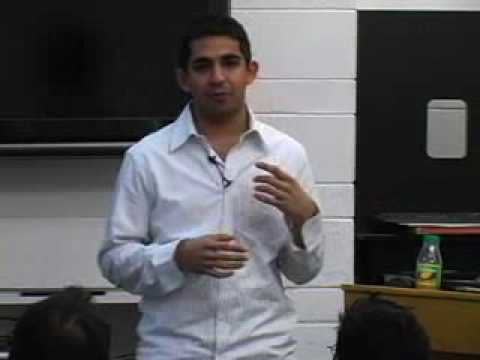
The University of Waterloo’s startup programme.
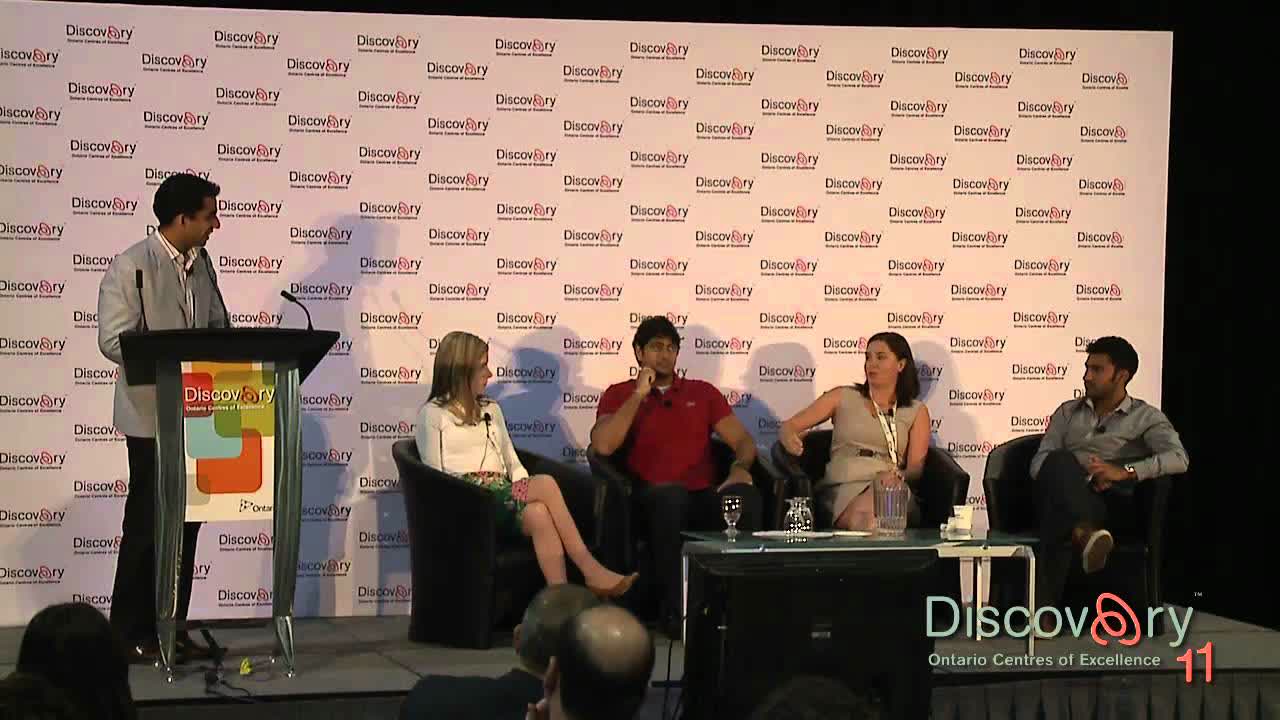
Ontario Centre of Innovation’s annual Discovery conference. Kunal moderated.
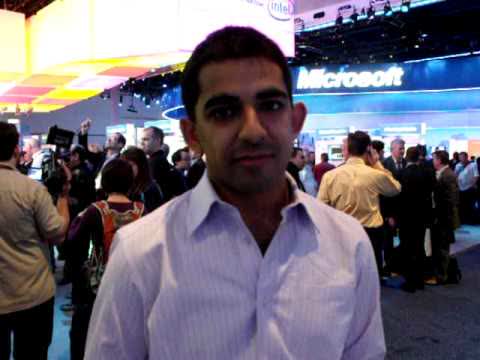
The Financial Post’s technology desk.
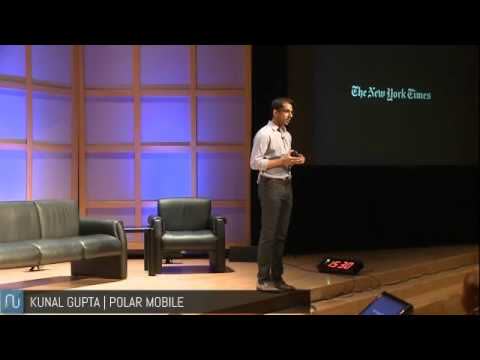
A show about the mobile industry and the people building it.
Canadian technology news for business leaders.
The national voice of Canada’s universities.
No conversations in this format yet.