AI, cognitive load and the things we no longer have to do
Chapters
Quotes
Host
Ross Dawson
Futurist, keynote speaker and founder of Humans + AI, a community and podcast on how AI can amplify human thinking.
Podcasts, talks and interviews where someone else held the microphone.
PodcastHumans + AI Futurist, keynote speaker and founder of Humans + AI, a community and podcast on how AI can amplify human thinking.
 Video podcastIn The Blink of AI
Georgie Healy hosts In The Blink of AI on the Day One network, talking to people shaping how we live with AI.
 Video podcastThe Seen
Kaia Tham’s show about people building unusual lives and companies.
 Video podcastThe Seen
Kaia Tham’s show about people building unusual lives and companies.
 TalkBetter Societies
Adrien Harrison’s Better Societies: a how-to guide for building better societies.
 Video podcastA Success of Our Own
Natalie Ruskin’s show for anyone ready to create their own authentic version of success.
 Video podcastTheStevePodcast
Conversations with the authentic unprofessionals who are changing industries.
 InterviewSander Recommends
For people thinking about moving abroad, buying property, starting a business or investing internationally.
Jon Davids talks to entrepreneurs and creators about how they made it.
 Video podcastThe Red Chair
Índico Capital Partners, a Lisbon venture firm, hosts a monthly close-up conversation in two big red chairs.
 Video podcastThe Business Leadership Podcast
Edwin Frondozo interviews business leaders on how they lead and grow.
 PodcastThe Growth Suite Leadership Podcast
Jonathan Spiess on leadership and building high-growth teams.
 PodcastStigma Podcast
Stephen Hays on mental health, and the people working to remove its stigma.
 PodcastSober Company
Nik and Lacey on living alcohol-free, with guests on the habits that replace drinking.
 PodcastAdExchanger Talks
The podcast of AdExchanger, the trade publication for advertising and marketing technology.
 Video podcastThe JOMOcast
Christina Crook, author of The Joy of Missing Out, on living well with technology.
Christina Crook My name is Christina Crook, and I am the author of The Joy of Missing Out. I wanna welcome you to the JOMO Cast, a podcast for individuals who want to learn how to thrive in a digital age. JOMO is the joy of missing out on the right things, things like toxic hustle, comparison, and digital drain, to make space for life-giving commitments to people and work that bring us peace, meaning, and joy.
Christina Crook Hello, friends. I thought I'd stop and do a little bit of a personal update on this episode of the JOMO Cast. Life is looking pretty different, isn't it, for all of us? There has been grief and loss. There's been revolution. There's been all kinds of personal and global change. At home in our lives, life looks chaotic and peaceful, wild and joyful, difficult, and full of happiness and hope at the same time. My amazing sister-in-law, Brittany, flew all the way across from the West Coast to live with us temporarily here in Toronto.
Christina Crook She brought her little dog, named Gramps, and now we have a dog and a sister-in-law and an amazing auntie living in our home, which is helping me to work and my husband to be able to concentrate on his work as well. We feel incredibly grateful for this new and unexpected change in our lives. I think what I've been learning a lot over the last number of weeks and months is that control is an illusion, that we don't really know what's going to happen from moment to moment or from day to day, but we can make plans, and we can look forward to the future with hope that things will be different and also that, in some ways, things will be the same.
Christina Crook The things that I hope will be the same in at least our personal lives are the connection that we're fostering close to home. I've taken over the job of teaching our now seven-year-old boy, our youngest child, how to read. He's not yet reading, and so every morning at about 9:00, him and I climb into our trampoline, and we sit there for 25 minutes while I go through a reading lesson with him. That's a point of connection that I hope doesn't change when we go back to so-and-so called normal after COVID. My husband and I have been connecting in new and fun ways. We've been going on bike rides. Bike riding has become an amazing social distancing-enabled way to stay active and be out in the world at a healthy distance, and so biking, um, through a big local park in our neighborhood has been a gift to our entire family and to our relationship in particular.
Christina Crook I'm curious how you're finding joy in your life right now, and I'd love to hear your story if you're willing to share. You can always email me at christina@experiencejomo.com. I'd love to hear what's bringing you joy right now. Another thing that I'm really interested in and, uh, gaining a lot of joy from right now are these podcast conversations. I've been recording some of them in my son's closet, where I'm sitting right now. We've all had to adjust in all of our unique ways, and this is one of the ways I've had to adjust, uh, the way that I record and the way that we do life to flow more smoothly from home to work life with all of us, or most of us, being work at home right now.
Christina Crook But one of my conversations I'm looking forward to the most, and you're gonna be hearing from her in a couple of weeks, is from emotional ethnographer Pamela Pavliscak. I discovered Pamela on Twitter through a couple of other colleagues, and she made this incredible discovery, which was that people who are happy with technology do it differently. They use technology differently, and that one phrase absolutely caught my attention. I just had to know, what are these people doing differently? So please look ahead and listen in for that episode. Okay. Now for today's interview. Kunal Gupta is a busy, busy guy.
Christina Crook He's the founder of Polar, a digital advertising agency that develops millions of dollars of brand advertising a year. He's also on the board of KMH, Canada's Center for Addiction and Mental Health, where he advocates for public health policy rooted in mind tech, a technology-enabled model for compassionate and effective mental healthcare. He writes a blog about leadership, mindfulness, technology, and culture, and he's the co-host of a new podcast called Year Zero that explores Kunal and co-host Jay Vidyarthi's vision for the world after COVID-19. On top of all of that, Kunal hosts a guided meditation every single weekday at 9:30 AM Eastern for everyone in the world who cares to show up.
Christina Crook Not exactly the profile of someone you'd expect to be encouraging us all to slow down, contemplate, and stop living our lives in service of the productivity rat race, but Kunal isn't a walking contradiction. The perspective he lives, writes, and teaches today is a hard-won series of revelations that came to him while winning a personal battle for sobriety, carving out a sustainable career as an entrepreneur, and maintaining his moral and ethical compass amidst building a hugely successful engine of capitalism In everything Kunal believes we can find balance if we're prepared to be attentive, introspective, and above all, genuine. I hope you enjoy my conversation with Kunal Gupta.
Christina Crook So your company Polar has helped client companies produce billions of ads across social media and other digital channels. At the same time, in your writing, you place great value on overcoming the desire for constant productivity and allowing your rhythms to not be ruled by consumerism. How do you balance those two things?
Kunal You went straight in there.
Kunal That's usually a question somebody asks me at the end of meeting with me and, like, after opening up, and it's a very courageous question, so good, good on you for asking it.
Christina Crook Thank you. Thank you.
Kunal A few thoughts. Uh, so yeah, like I, I, I, I, I preach mindfulness and disconnection, and I teach it, and then I sell ads for a living. Um, so how do the two add up? Um, well, at the surface you could say, like, I'm hedging and that I don't actually know what's gonna work. So I've got a boat in two races, the consumerism race and the minimalism, you know, race.
Christina Crook Hmm.
Kunal Um, but in all, in all seriousness, attention is really what is the bridge between, like, marketing and advertising and, and mindfulness and minimalism, and it's being conscious of where we place our attention, what we focus on. And advertising is needed for content to be free, and I, I believe firmly in, like, democracy and the importance of trusted content to inform democracy. Like, if we think of all the major world events that happened, from 9/11 to now the pandemic to everything in between, we found out about them through a trusted news source, uh, and advertising is the, the business model behind that. So that's where my, my heart lies around what I do and, um, but yeah, the last couple years I've become very passionate about mindfulness, about minimalism, but a different approach to being more intentional with our attention.
Christina Crook And notably now sitting on the board of KMH, the Center for Addiction and Mental Health.
Kunal Yeah, so I volunteer quite a bit in the mental health space. That's probably been in the last three years. And for me it was really realizing that we all come at a place of attention, a place of intention, a place of mindfulness from different perspectives, and I came to it from a meditative perspective and a yoga perspective, uh, but a lot of people come to it from an illness perspective. And I actually had no understanding of mental illness, uh, as it relates to mental health. Uh, so when I was approached to be involved specifically with KMH, which is a, a 3,000 person mental health organization, 900 researchers, one of the biggest teams in the world, uh, I was really drawn to, to, to help and to learn. And it's been so much fun learning, and it's very clear, like, we had a board call a few days ago.
Kunal It's very clear there's so much work to do, and this moment that we're in right now has just brought that to the, to the forefront.
Christina Crook Yeah. Um, I'll just be candid that I've personally started meeting with my therapist, actually a new therapist, once a week, um, during the season of COVID, and I think I, uh, most people I know are struggling in some way, uh, with their mental health, even people that would consider themselves to be fairly consistent, stable people that haven't, you know, actively struggled in the past. So, um, yeah, such an incredible resource, um, in KMH. In your writing about your conceptual framework of future mental health service, which you called MindTech-
Kunal Mm-hmm
Christina Crook ... you say that the very concept of mental health needs to be redefined. What do you feel is the more functional definition of mental health for the present and future, and why does the definition matter?
Kunal Yeah. That's a great question. Thank you for asking it. Very passionate about this. When I started to officially be involved in the mental health space, I started to ask people the simple question, "What is mental health to you?" And over the span of about a few months, I had dozens if not a hundred conversations about this topic, what is mental health, and what I heard was not what I had believed before I'd started asking these questions. Mental health historically has been associated with mental illness. Mental illness is, is real. It affects a small portion of the population, and it does require, like, medical treatments and trained professionals to support people through their journey of recovery. There's mental wellness, which is a really much bigger part of the population that I, I heard reflected back to me when I asked about mental health, and that's our emotional, psychological wellbeing on a day-to-day basis moment by moment.
Kunal Uh, and then there's mental performance, which is really a, a strong, uh, attentive, intentive, proactive effort, almost like a, a pro athlete, um, a sports car where you're, you're fine-tuning performance, and that's where the qualities of focus and concentration, uh, come into play. So I think of mental health as, as all of these things, illness, wellness, and performance.
Christina Crook Hmm.
Kunal And we all have mental health, and we all experience symptoms of an illness, symptoms of wellness, symptoms of performance. Like when we're in a state of flow and we're going through things, we're actually experiencing mental performance. Or if we're feeling anxious about something, if we're feeling, uh, very relaxed, very joyful, we're experiencing mental wellness. Or at times where we're feeling a sense of hopelessness, we're feeling it difficult to wake up in the morning, difficult to feel motivated to, to do our work, or feeling agitated on a continuous basis by a specific topic, we're experiencing symptoms of mental illness.
Christina Crook Hmm.
Kunal I really like this framework, this definition of mental health as, as, as broad as we all have it. On my website, I have this, this bell curve- And really showing the population or the amount of times we experience different parts along, um, this framework.
Christina Crook I'll share that, um, in the show notes. Um, I'd love to take a closer look at that myself personally. Thank you so much for that. This is super helpful and incredibly crucial, I think, for us to understand more deeply and more broadly what mental health means. And I love these categories of mental wellness, mental illness, even mental performance. You know, it's not sort of this one category. At least that's what I'm hearing you... I think I h- I'm hearing you say.
Kunal Yeah, completely.
Christina Crook So you speak a lot about more, a more intentional relationship with technology, which is one of the central pillars of JOMO. Does it seem to you that the very nature of markets encourages us to be less intentional in our consumption of everything? And if so, how can these forces coexist?
Kunal Yeah. The first thing I'll say is it's not, it's not our fault. It's not our fault that we're addicted to technology, and that's, that's a, that's a really important understanding, to let go of the blame and shame and weight of, "I have an addiction." It's the same thing actually with all addiction. If you have a tobacco addiction, an alcohol addiction, like any addiction, the, the person who is going through addiction is n- is not always intentionally, willfully making that choice. There's psychological aspects. There's actual genetic aspects. If you look at addictions research, which I've been exposed to a little bit and curious to explore more of, it's not our fault. I think, uh, the attention economy, uh, my friend Jay, he writes a lot about that. Uh, the attention economy is, is, is very clearly designed against us.
Kunal It's not built for us. We are the product, and our attention is being sold. I think there's a difference. Like, there's two ways that I've learned... we learn. We learn intellectually. So somebody listening to this conversation is currently at an intellectual level. Uh, and the second way we learn is experientially. And, you know, you, you referenced before we started the recording about experimenting with no internet. Um, that's like a different way to learn. We can conceptualize not having internet, or we can experience not having internet. I think with, uh, our screens, tech, social media, I think we all owe it to ourselves to experience what it feels like to not have it in our life, and that could be for a day. That could be for a week or whatever makes sense. Uh, but we owe it to ourselves to just experience it and tune in and say, "How did that feel?"
Christina Crook Mm-hmm. Do you have practices like that in your own life?
Kunal So many. So many.
Christina Crook Tell us about some of them. I'd love to hear about some of them.
Kunal I'll, I'll share some of the early ones. Um, so I took email off my phone nine years ago, 10 years ago, and it was from a point of, of lack of choice. I was three years into starting my business. I was overworked, overstressed, not sleeping well. And I just remember it was this one night I was like, "I haven't slept well in four days. My mind is racing," and I just deleted email on my phone. And the next morning I was like, "Should I put it back?" And I said, "Let me just go one day, and for fun, I'm not gonna tell anybody that I did this."
Christina Crook Hmm.
Kunal I made it to be this big deal in my mind, that it's like a little secret, and it's almost like I was playing a game. And then I went through the whole day. Nobody said anything. Surprise. Nobody noticed. Um, I felt a little more calm and a little more focused. And I thought, "You know what? I kinda liked how I felt today. Let me go another day." And then that became a week, and that became a month, and that became a quarter. That became a year, and still nobody knew. And I was fascinated. I was like, "Nobody cares that I don't have email on my phone." And I'm running a company. I think of myself to be all important. I'm not as important as I think I am. Uh, and then after four years, I actually... is the moment I, I, I told my team that I did, I've been doing this practice. And I shared it to encourage others to do it as well.
Kunal And a number of people in that town hall, like literally in the session, took email off their phone 'cause they were inspired. At our company Christmas party a few months later, um, somebody on my team, his wife came up to me and just said thank you.
Christina Crook Wow.
Kunal And she said, you know, "So and So is actually present with the kids now at dinner," and I dug into it, and I realized it's 'cause he took email off of his phone. Um, so this is like years and years ago. That practice has stuck. I say, obviously, I don't use social media, but I don't use social media. I can... I write research reports on Facebook and Twitter and understand how the sausage is made completely. And for that reason and more, I don't actually use it. Actually, on social media, there's, um... I haven't published this yet, but there's a framework that I see. There's three ways to use social media. Um, the first way is a, is as a consumer, and there's 3 billion people that use social media as a consumer. Um, the second way is as a consumer and as a creator. Uh, and I suspect it's about 10%.
Kunal Um, so it's about 300 million. And as a creator means creating something original. Doesn't mean liking or commenting.
Christina Crook Right.
Kunal Um, it means creating something original. So I think about 300 million people in the world are creating original content on social media. And then I think 10% of that, so maybe 30 million people, are only using social media as creators and not as consumers. Uh, and I fall into that bucket. I do not consume anything on social media. I don't scroll my feeds. I don't respond to messages. But I, I do post my blog posts. I do post my original thoughts, and that's, uh, that's super healthy for mental health because it's a form of expression, a form of creativity, a form of sharing, uh, identity building in a positive way, in an intentional way. I think to create original content and thought and to consume is, is probably neutral on mental health. And to only consume, which is 2.7 billion people, is, is very negative.
Kunal Lots of, lots of studies that prove that
Christina Crook I love that framework. I've never considered it that way before. It's so clear using it in those different ways. I absolutely think that aiming to be a creator of things... I hate the word content. It just feels a little dirty to me.
Kunal I know. Fair, fair.
Christina Crook But being a maker, being a creator, and sharing those things, you know, actively in this space is absolutely, uh, life-giving, enlivening, and supports-
Kunal Yeah
Christina Crook ... my mental wellbeing.
Kunal I mean, what I wrote about this past weekend, I don't know if you had a chance to read it yet, but I wrote about unconscious expression. So you take, you know, you just said content to creator. I'll take it a step further, creator to expression, and expression happens, as I'm recently reflecting on, expression happens in every moment. Consciously when I'm writing a blog post or recording this conversation, but unconsciously in everything else. And if we see everything as an expression of who we are and our identity, uh, it's actually quite beautiful to, to experience, to observe, like, the unconscious expression that happens versus only the conscious expression. Because when we're consciously expressing, I mean, as the words coming out of my mouth right now are a conscious expression. There is this editing, this censoring, this framing, this positioning that makes it maybe easier to digest.
Kunal It's hopefully reflective of my, my views and opinions, but there is some consciousness to how is this being received, which I'm curious to explore, you know, the unconscious expressions and see where I'm not even concerned about how is it being received.
Christina Crook Am I hearing you say, 'cause I haven't read the piece yet, that we are in greater health, or maybe that's not the right category, but let me just sort of share what I think I hear you saying, that we're in greater health when we're expressing ourselves just fluidly without, um-
Kunal Without trying
Christina Crook ... without trying, without having sort of a self-critical lens. We're just doing it. We're in flow. Because what ends up happening on social media most of the time, and not just social media but just publicly, whether we're publicly in person or publicly online, is it is a presentation of self, right? We are consciously choosing what we're gonna say, how we're gonna say it. Is it audio? Is it video? Is it text? You know, h- how we package it. So are, are you saying that there is a way to unconsciously express ourselves online?
Kunal Yeah, or just to get out of our own way.
Christina Crook If we get out of our own way.
Kunal We have to stop trying. We stop trying so hard.
Christina Crook I like it.
Kunal I've made it a practice. I go in and out, but I've made it a practice now of not looking at any digital analytics and, like, as an aside, my company Polar, part of our product is to provide analytics. Um, so for me to be, like, the creator of software that provides analytics to say, like, I'm trying actually not to use, you know, mine and other software that track analytics because I realize it kinda distorts my experience as a creator.
Christina Crook Absolutely. I had a friend of mine, uh, just publish her fourth or fifth book, I can't remember. Uh, and during the creative process in particular, she says she absolutely can't hear numbers from her publisher. She can't hear... She can't be seeing numbers in terms of, like, her audience growth because it absolutely kills creativity-
Kunal Yeah
Christina Crook ... for her.
Kunal Yeah.
Christina Crook But I think that's probably universally true.
Kunal It's a different part of our brain, right? The, the analytical versus insight. Left versus right. Left brain analytical, um, right brain creative. So to be creating a, a video, an image, um, some text, some copy, uh, ideally we're bringing our creative, our right-side brain to it. But then to be looking at how many likes or page views or video views we got is now our left-side brain, so it's kinda confusing.
Christina Crook Right. Would that... 'Cause I, I haven't studied this. I'm very curious to learn more about it. But is that kind of what would happen during, like, unitasking versus multitasking? Like, we're not staying sort of on one side and getting into flow when we're switching back and forth?
Kunal Yeah. I, uh, I wrote a whole piece two years ago, Multitasking is a Myth. Let's, let's actually try a little exercise together right now.
Christina Crook Okay.
Kunal If you humor me.
Christina Crook Yeah.
Kunal So I would like you to count to 15 as fast as you can. Uh, hold on. I need to actually time this on my phone. Uh, so bring out your competitive side with yourself. Um, so count to 15. I'm timing it. Go.
Christina Crook 1, 2, 3, 4, 5, 6, 7, 8, 9, 10, 11, 12, 13, 14, 15.
Kunal Okay, so four seconds. Good job. And now, uh, recite to me the first 15 letters of the alphabet, which is A to N. Go.
Christina Crook A, B, C, D, E, F, G, H, I, J, K, L, M, N.
Kunal Okay. Uh, four seconds as well. So you just did two separate tasks. You counted the first 15 numbers, first 15 alphabets. Now I want you to multitask. I want you to tell me the first number and the first letter, the second number and the second letter. Go.
Christina Crook I saw this coming. A, 1, B, 2, C, 3, D... No, 4. I can't even do it.
Kunal Okay.
Christina Crook I give up.
Kunal Uh, very few people actually complete the exercise.
Christina Crook Okay.
Kunal The ones that are stubborn who do, uh, I'd say it takes them about 28 to 30 seconds-
Christina Crook Wow
Kunal ... to do the two tasks that were mixed together.
Christina Crook Such a good exercise.
Kunal And when you do the two tasks separately, it took you eight seconds cumulative time. So, um, call it, like, three to four times longer by multitasking. So that's once again, like, the point we made earlier about we learn intellectually and through experience. The whole purpose of that exercise is for you to actually experience how hard it is for your brain to multitask, how painful it is. So painful that you gave up. And that's a very common response when you're being forced to do multiple things at the same time. Uh, it doesn't matter male or female, young or old, we're not... Our brain intentionally is not capable of multitasking like a computer can have multiple processors. Um, so it's... I get into lots of debates about this with people and, uh, my, my argument is to, to let go of the ego and just, like, realize this is science Um, this is not being better or worse than me or you.
Kunal This is science.
Christina Crook I love it. There's so much more to talk about. This- y- you're taking us into all, uh, all kinds of juicy places. I'm, I'm loving this. Thanks for doing that exercise with me. I hope that you listening will also try that at home.
Kunal Yeah.
Christina Crook Such a good, good I- good practice.
Kunal Kids should do it on their parents.
Christina Crook Yeah, good one. Yeah, I might try that at home tonight. The kids will have a good laugh.
Christina Crook The Jomocast is 100% listener supported. Each episode takes about 40 hours to create and involves the work of our composer and producer Tom-
Speaker 1 Hello
Christina Crook ... social media lead Rebecca-
Speaker 2 Hello
Christina Crook ... and me. We believe there are new and even more urgent questions to be asked now about digital wellbeing, given that most of us will need to depend almost exclusively on digital channels for social support for the foreseeable future. On the podcast, we answer questions like, how can I stop comparing online and trust that I am enough? How do I shift my attention from passively consuming online to creatively connecting with neighbors and loved ones? How do I build the self-discipline to see things through? How do I stay on track doing the things I say I want to do without getting hijacked online? How do I make space for rest and play? How do I succeed in life without burning out?
Christina Crook This podcast is made possible by you, our listeners all over the world, from Brazil to Australia, the USA to Singapore. Please support the Jomocast for just $3 a month. Visit patreon.com/jomocast and sign up today. You will get Jomo swag and a handwritten note of thanks from me in the mail, a shout-out on the podcast, and a place on the Jomo Wall of Thanks for all of time. You'll also have the opportunity to ask future guests your questions. To sign up, go to patreon.com/jomocast. That's P-A-T-R-E-O-N.com/jomocast.
Christina Crook Thank you for supporting the content that supports you, and a shout-out to new patron Louise Mullig. Thank you so much for your support of the Jomocast.
Christina Crook So you recently wrote that the desire to be productive can be superseded with another desire. I love that because I am often thinking about, when we talk about taking people offline, which is something that it sort of was at the beginning of my work, it's becoming less and less about my work, but when you ask people to remove something like Instagram on their phone or, or whatever, a worst offending, you know, bad digital practice would be, people kind of go into an anxiety and panic. So I've learned over time that you need to replace that with something. So when I read this line from you, I automatically was like, "Yes." So you wrote, quote, "The desire to be productive can be superseded with another desire. The desire to connect more deeply with this present moment with all of its peace and suffering. Connect begins with a pause so that I can see, hear, and observe reality as it is, not as I wish it to be or think it should be.
Christina Crook The natural trajectory of my lifestyle, including the virtual environment, business responsibilities, and the communities I participate in, does not always lend itself to these moments of pause organically. It is for this reason that I've started to be intentional and seed moments of pause." End quote. And I believe you wrote this, you know, during COVID. Is that correct?
Kunal Yeah, a few weeks ago.
Christina Crook Mm-hmm. So my question for you is, how do we slow down, be mindful, present, and intentional in the face of undeniably real challenges like the need to sustain financially our families and ourselves or surviving the dangers of the world? Do some things have to give? Because what I heard you saying was that, um, these beautiful words of pause and being intentional, but still having the demands of the communities and work that you're a part of. Do some things need to give? Like, do we need to remove some things, or can we just be intentional with the work that we already have to put our hands to? That's a lot of questions, sorry.
Kunal Yeah. I'd say the first thought is to see it as an enabler of something else. So the moments of pause, any mindfulness practice, any self-awareness practice. Like the word practice is probably more important than the word mindfulness or meditation or yoga. And the word practice cements this idea that it's to prepare. It's to prepare for what you're describing of sustaining ourselves financially, supporting others around us, growing with new skills, new experiences. That's actually where we experience life. Life is not experienced in the moments of pause, in the moments of meditation, but that practice enables us to have a more rich experience. Like you stretch for a race, you go to the driving range before you hit the golf course.
Kunal You go to the batting cage before you get onto the baseball field. You need to meditate before you start your day. You need to have a moment of pause before you start a conversation, before you share a thought. That's why I think of moments of pause with this desire to be productive. It actually helps one be more productive. It's the slowing down to speed up mantra.
Christina Crook Can you share just very practically what that looks like in your life?
Kunal I'm glad you asked. I would like to guide us and any listeners right now in a short meditation.
Christina Crook Beautiful.
Kunal Once again, we can experience it. So, um, as you're listening, sit up tall wherever you may be and bring your eyes to a gentle close. Relax your shoulders, relax your fingertips, and relax your toes.
Kunal Take a deep inhale
Kunal and a slow exhale.
Kunal Notice where you are.
Kunal Feel the floor under your feet.
Kunal The chair under your seat.
Kunal Notice the sounds, the light,
Kunal temperature.
Kunal Now that you know where you are, begin to settle into your body.
Kunal Notice the weight of your legs.
Kunal The weight of your arms.
Kunal Strengthen your torso.
Kunal And the lightness in your head.
Kunal Take another deep inhale
Kunal and slow exhale.
Kunal Wiggle your fingers, wiggle your toes as you open your eyes and come back to your space.
Kunal What we just experienced was what I'm calling the two-minute meditation. And I can see it on your face, Christina, I feel it in myself, there's a s- a, a slight state change, and that's what this moment of pause is. I mean, you can probably even hear it in the tone of my voice right now. I hear it. Is a two-minute meditation is an example. It's so powerful. I-
Christina Crook Yeah
Kunal ... yeah, I, um, I start all my business meetings, as many as I can, with the two-minute meditation. In board meetings, I've started with meditation for years now. Anytime I'm running workshops with clients. Had a number of clients ask me to run just meditation workshops for them during the lockdown period, and it's so desperately needed. And it's very simple to... sounds very simple, just pause and look at your space, look at your body, connect with your breath. Doesn't cost any money. You don't need any tools or need any equipment. Yes, there's lots of guided apps, and I'm a big fan of them, but you don't even need to use any devices either. But I think what we need are, um, role models.
Kunal We need permission, we need examples, we need some structure, and really we need intention. We need awareness that, okay, having pause is... adds to my life, to my experience of life, versus takes away.
Christina Crook Yeah. I think particularly kind of circling back to the beginning of our conversation about attention, that we need these types of practices more than ever because we are being pulled out of the present moment constantly, and we're not even mostly in our bodies most of the time. Um, we're up here, and I'm gesturing towards my brain which is attached to this much larger piece of reality, which is our body. And so th- that was incredibly powerful. Thank you for that. I want to close off our discussion today talking a bit about your new podcast, and you called it not a podcast but-
Kunal Like a documentary or a documenting. Yeah
Christina Crook ... yeah, called Year Zero. It discusses your imagination and hopes about the world after COVID-19. What do you want that world to include?
Kunal Yeah, and I'm really inspired, and it may be misguided. Even if it is, it's a source of hope in this time for me and those around me. I'm really inspired by this idea that we've hit, and we have the opportunity to hit, the reset button on pretty much everything.
Christina Crook Yeah.
Kunal And if we are aware of this, we can be intentional. Intentional about our economy, about our connections, about our society, about education, about healthcare, about government, about family life, about work life, about the environment. Pick any dimension, about practice. Um, any dimension. We've been given the space, we have the permission to make different choices or accelerate the choices that we've been wanting to make but haven't been able to, for whatever reasons. And I, I really do genuinely feel we have a chance to put humanity on a different path and a, a better path. You know, for, for you and I, m- our experience of life, I'm assuming, is pretty good.
Kunal Um, but we're actually in the minority.
Christina Crook Yeah.
Kunal The majority normal was not good at all. So going back to normal, I have, like, zero interest for us to go back to normal. I really hope we don't go back to normal. I really, really hope that.
Christina Crook Me too. What is one concrete thing that you wish or hope for or are working towards being different in the world?
Kunal Three things. So one is our relationship with mental health. There's, there's, there, there's a big risk. You know, rates of suicide have historically increased after recessions. Uh, but there's now an, a, a lived experience of mental health for all of us and everybody around us. So our relationship with mental health... Well, actually, mental health as a term doesn't exist in the future. That's my, that's my hope.
Christina Crook Mm.
Kunal Because it's, it's ingrained as part of wellness and part of optimal health. Second is our relationship to, uh, consumerism and capitalism, which we could throw the environment in there as well. A lot of the effects in the environment are a result of our focus on consumerism and capitalism. Um, that's where I think environmentalists have it wrong. Uh, I think the, the way to solve the- the environment's a byproduct of something else, the symptom. The actual cause is on that. Uh, and the third is related, which is income inequality. You know, living in New York, which I love, just you cannot hide. It's not like rich neighborhoods and poor neighborhoods. Everybody takes the subway. So you, you, you see it.
Kunal You see the inequalities that exist, and more importantly, the effects that, that, that has on society. And we're seeing it play out every single day now in the news in the US. Not as much in Canada, thankfully. But, uh, it's only going to get worse unless we decide we want to solve this.
Christina Crook Where can we send people to read more of your writing, access, uh, your mindfulness work, all the things?
Kunal Yeah. Very simple. My blog is called findfocus.today, findfocus.today, and everything I'm involved with, you can find it there.
Christina Crook Beautiful. We'll make sure to share that obviously in the show notes as well. Kunal, thank you so much for being with me today.
Kunal It's a pleasure. Thank you for having me.
Christina Crook Thanks for listening. You can learn more about our guests in the show notes and by visiting Jomocast.com. The Jomo Cast is edited and music composed by Thomas J. Inge. Visit Tom online at tinge, that's T-I-N-D-G-E, .com to learn more about Tom and his services. The Jomo Cast is listener supported. Sign up as a patron at patreon.com/JomoCast. Patreon support makes the podcast possible. For just $3 a month, you will keep these conversations going. That link again is patreon.com/JomoCast. Don't forget to subscribe to the podcast with your provider of choice.
Christina Crook And if you loved this episode, leave us a five-star review. These reviews are a powerful way you can help us reach more listeners. I'm your host, Christina Crook. Thanks for listening, and may you find joy missing out on the right things.
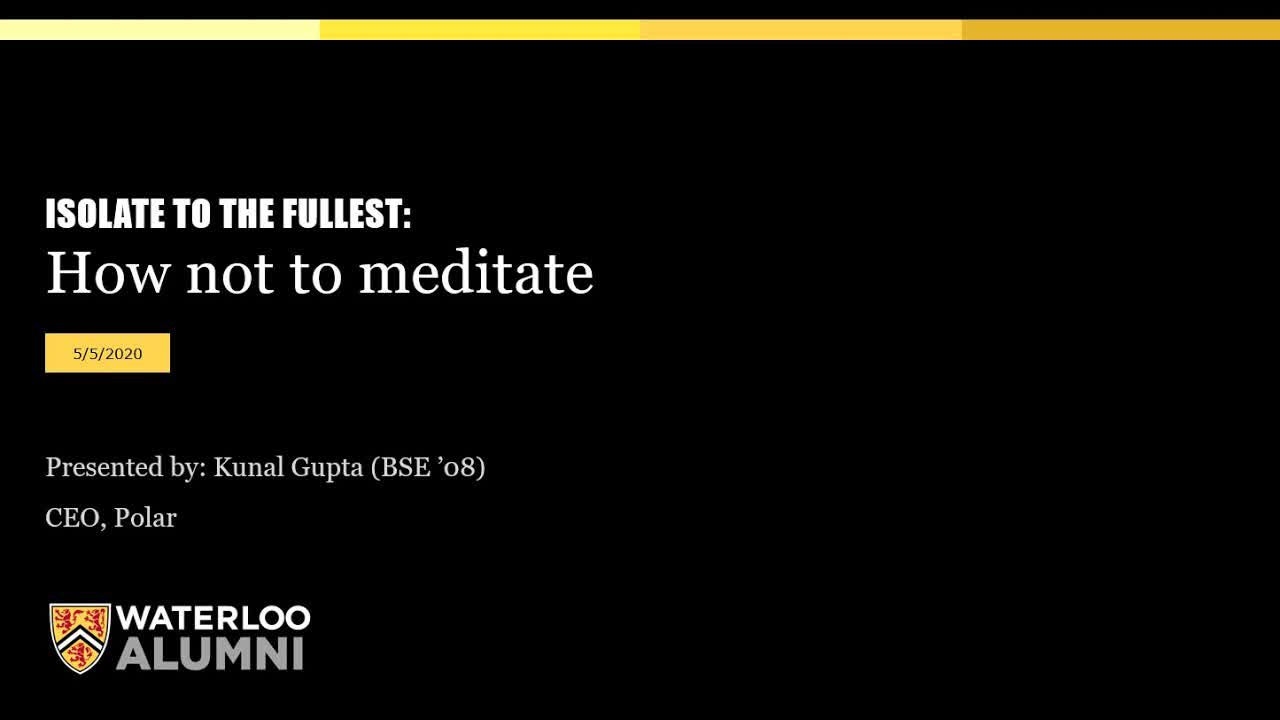 TalkUniversity of Waterloo
The University of Waterloo’s alumni webinar series. Kunal studied software engineering there.
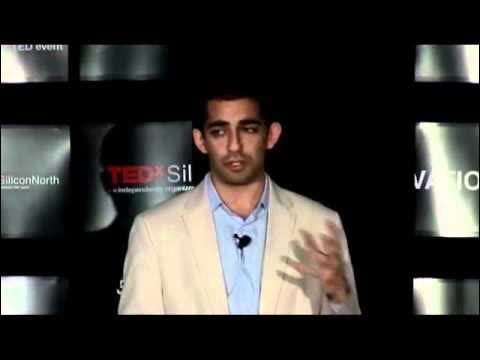 TalkTEDxSiliconNorth
An independently organised TEDx event for Canada’s tech community.
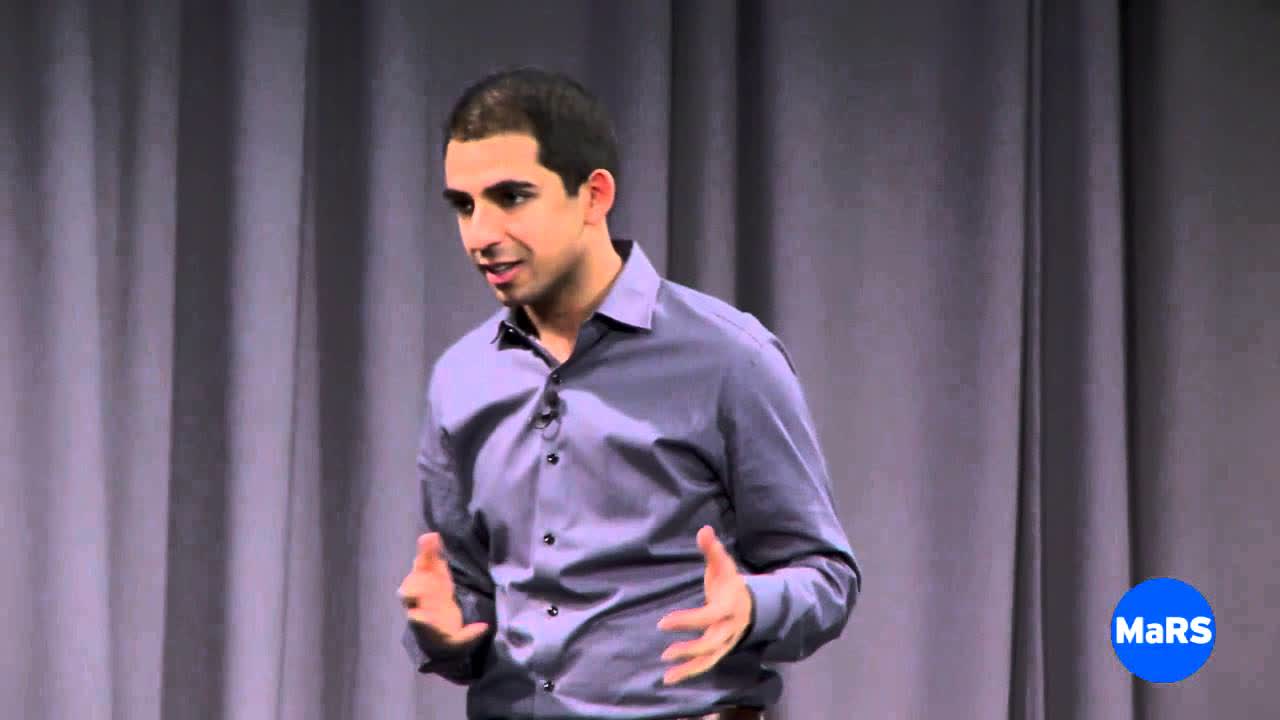 TalkMaRS Entrepreneurship 101
MaRS, Toronto’s innovation hub, and its Entrepreneurship 101 lecture series.
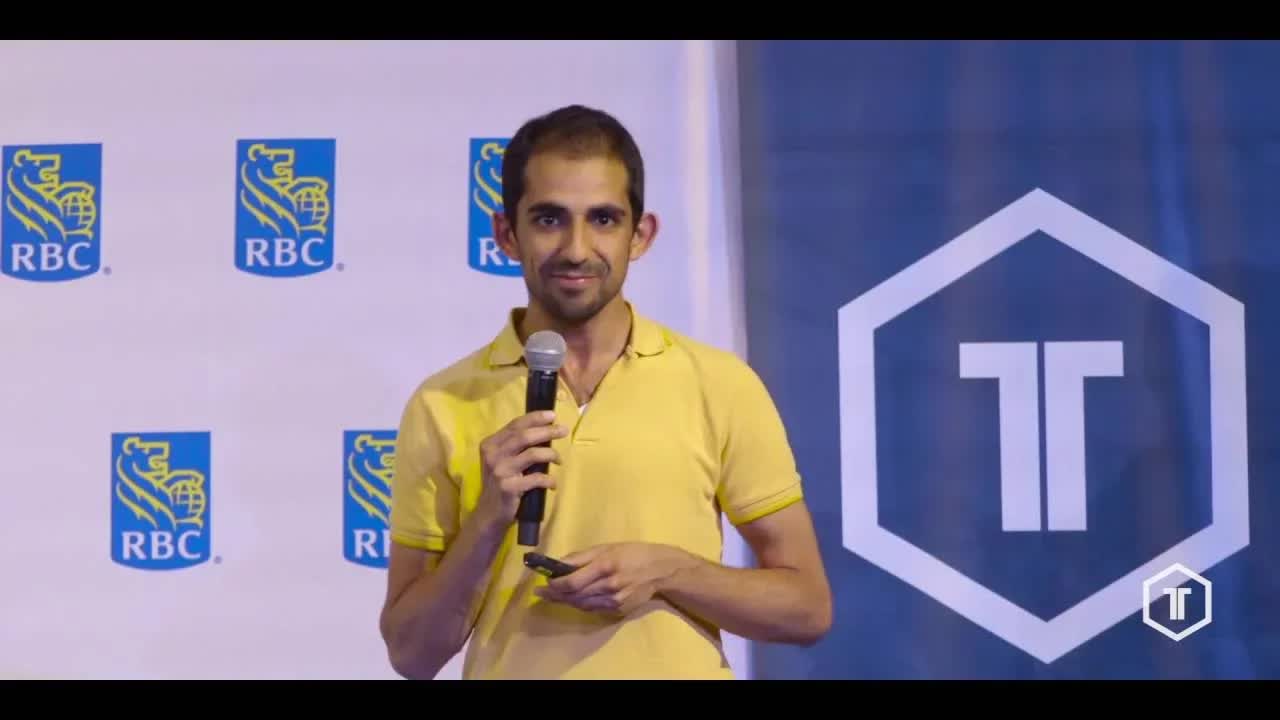 TalkTechTO
Toronto’s monthly tech community meetup.
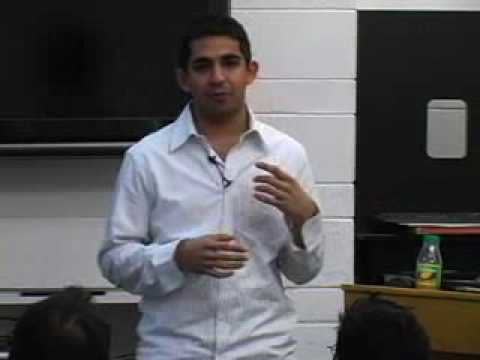
The University of Waterloo’s startup programme.
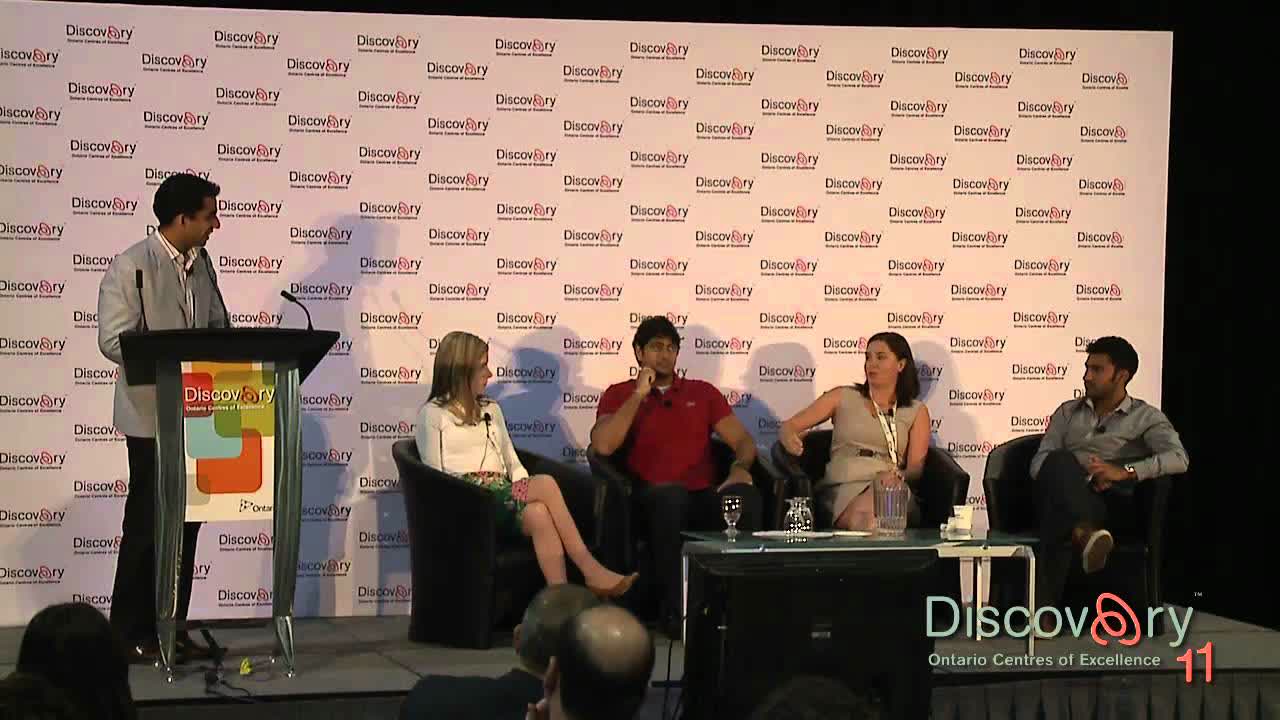
Ontario Centre of Innovation’s annual Discovery conference. Kunal moderated.

The Financial Post’s technology desk.
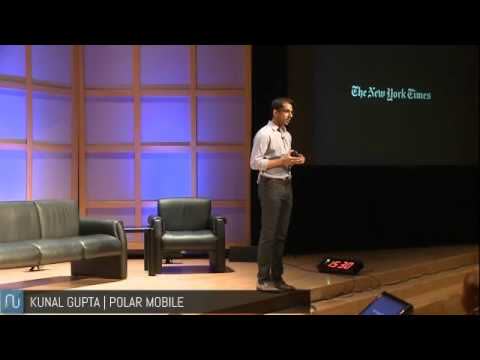
A show about the mobile industry and the people building it.
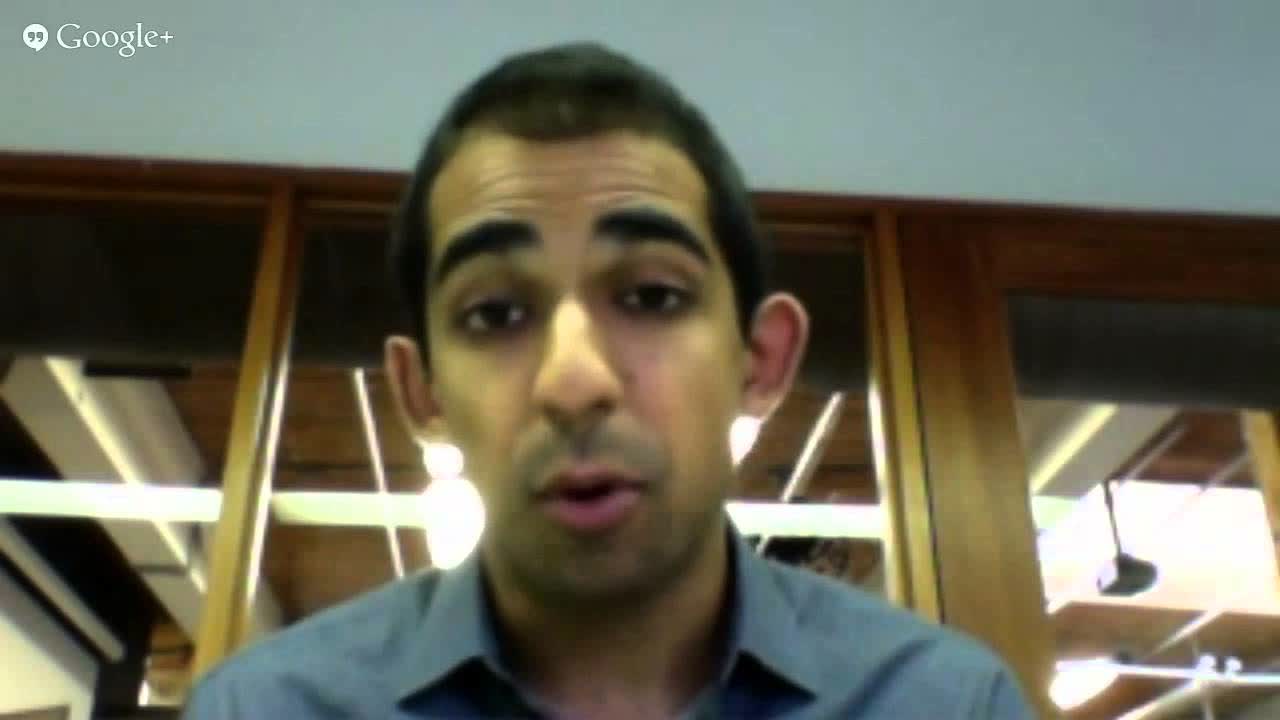
Canadian technology news for business leaders.
The national voice of Canada’s universities.
No conversations in this format yet.