AI, cognitive load and the things we no longer have to do
Chapters
Quotes
Host
Futurist, keynote speaker and founder of Humans + AI, a community and podcast on how AI can amplify human thinking.
Read the full transcript
Kunal You know, government as an example is something that touches all of our, our lives, uh, in a very impactful way, and AI being used to help make be- better decisions, more objective decisions, decisions that aren't, um, tied to ego or, you know, a four-year cycle
Ross Dawson Welcome to the Amplifying Cognition Podcast. I am Ross Dawson, a futurist and entrepreneur fascinated by the unlimited potential of the human mind. In this podcast, you learn from amazing people how to think better and build better organizations in our massively accelerating world. We explore what's possible, how to augment ourselves, and ultimately who we can become. Our Humans Plus AI Explorers community is growing fast with over five hundred amazing members. If you are interested in the potential of humans and AI, I invite you to join us. Discussions, resources, events, projects, and courses in the community include AI-enhanced thinking, collective intelligence, work transformation, enterprise AI adoption, AI in learning, and far more.
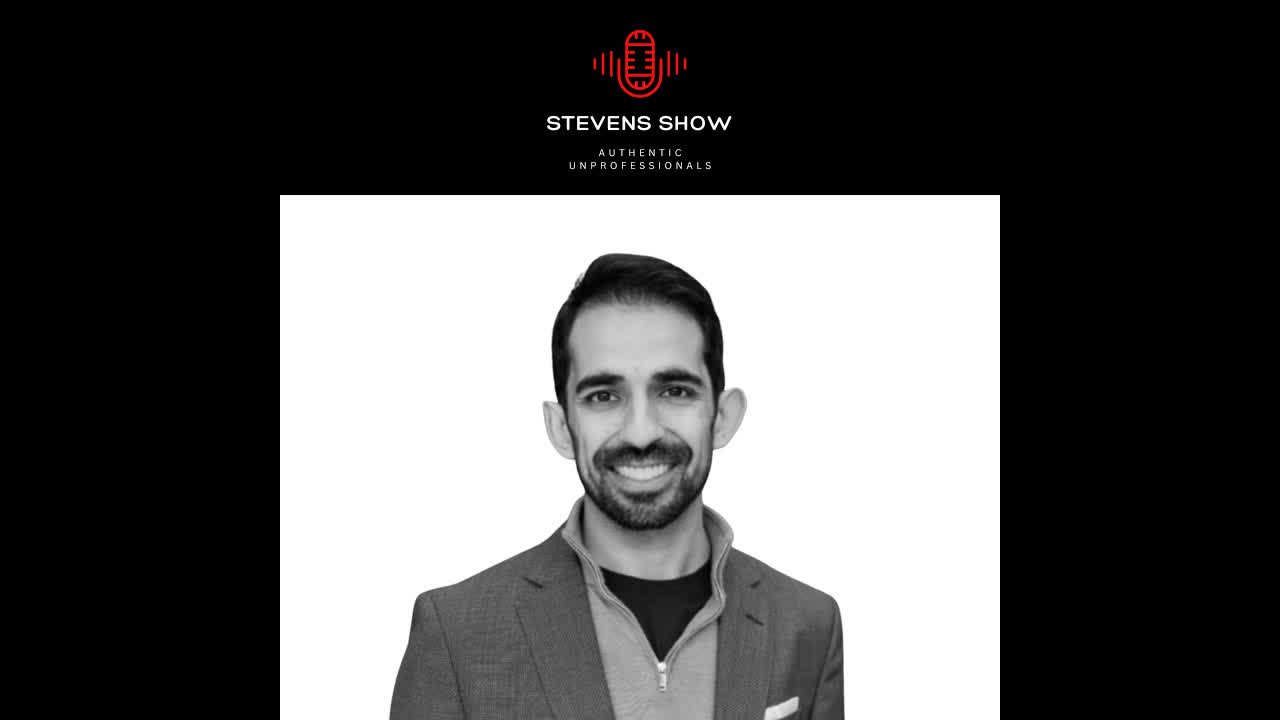
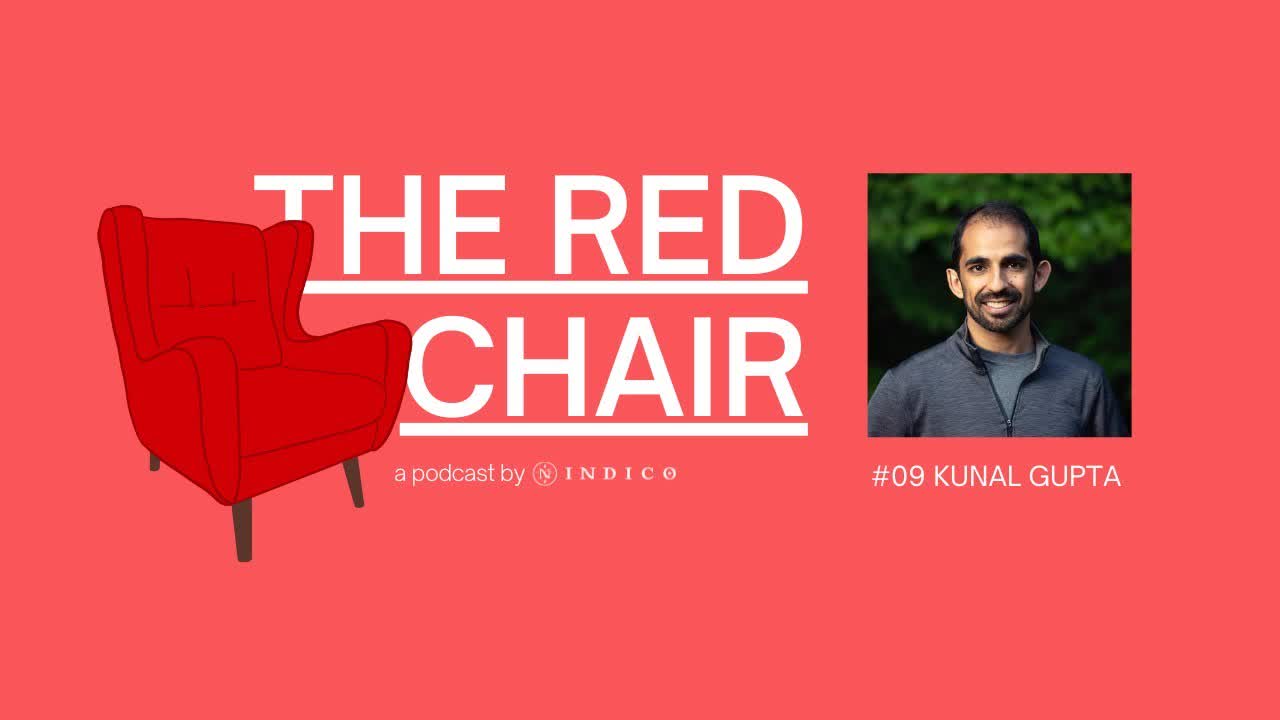
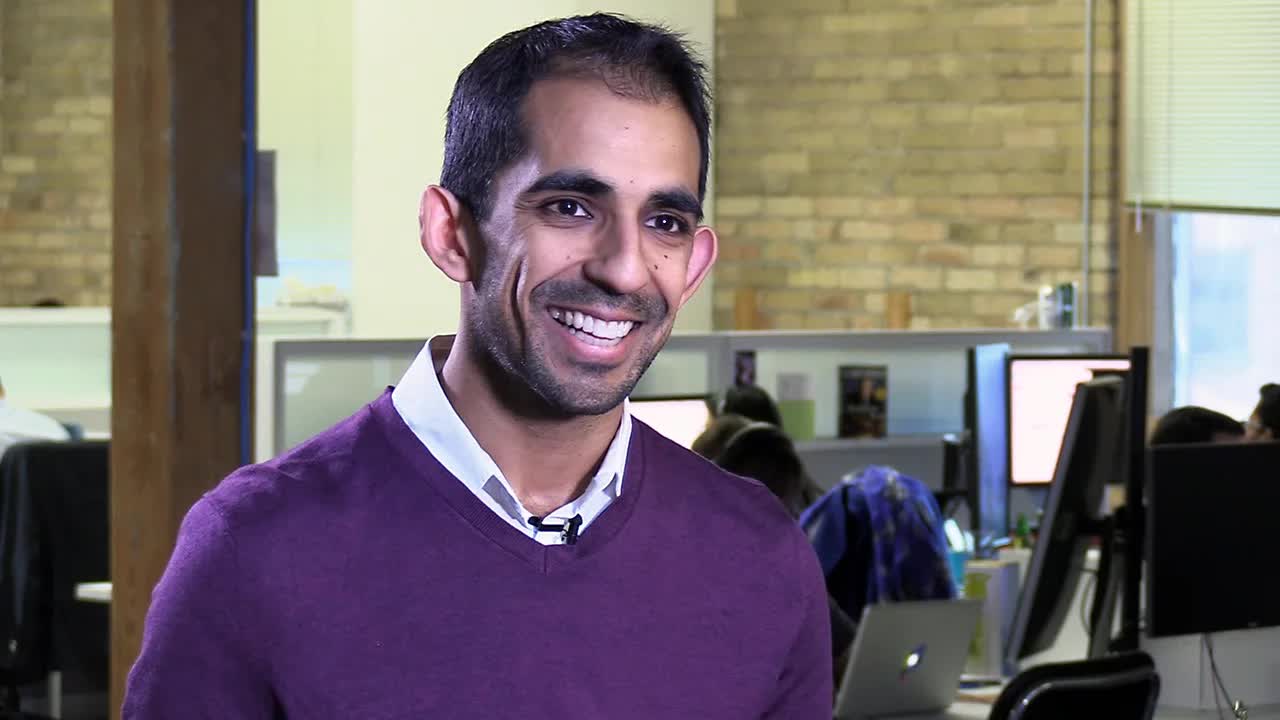
Ross Dawson It's free to be a member. We just want the right people to be there. Check out the community and the associated resources at humansplus, all spelled out, dot ai. In this episode, I speak with Kunal Gupta. Kunal is an entrepreneur, investor, and author. He founded and scaled global digital advertising AI company Nova as Chief Everything Officer for fifteen years, with teams and clients across over thirty countries. He's the author of four books, most recently 2034: How AI Changed the World Forever. In this, uh, fascinating conversation, uh, we talk with Kunal about the impact of AI on absolutely everything in humanity, how it is transforming humanity, and many ways in which we can find its potential.
Ross Dawson He says that he uses AI for everything, and we talk about overcoming barriers, being able to do things more easily, being able to impact health, being able to amplify our learning, uh, how we will transform organizations and society, and a lot more. So keep listening for a wonderful conversation with Kunal Gupta.
Ross Dawson Kunal, it is awesome to have you on the show.
Kunal Thanks, Ross. Nice to see you.
Ross Dawson So you came out with a book called 2034: How AI Changed Humanity Forever. Uh, so love to hear the backstory. Yes, that's the book.
Kunal Yeah
Ross Dawson So what's the backstory? How did this book come about?
Kunal Yeah, I've written a few books, but this is definitely the most fun to write, uh, and to, to read and reread and at some points to rewrite. So back November 2022, ChatGPT launches. There's this view, okay, this is gonna change our world. Not sure how. So in the ensuing months, I had a number of conversations with friends and colleagues asking, "Hey, like, how does this change everything?" And I asked people very open-ended questions, and the, uh, the responses were all over the place. And to me, what I realized was we actually just don't know. And that's the best place to be when we don't know but are curious. So I started to host dinners, um, six to ten people at a time in my apartment, and I was in Portugal at the time, uh, and London as well.
Kunal And over the course of 2023, um, hosted over two hundred and fifty people over a couple dozen dinners. And the dinners were set up-- The setup was really unique in that nobody knew who else was coming. Um, nobody was allowed to talk about work. Uh, nobody was allowed to share what they did, and, uh, no phones were allowed either. Um, so that meant really everybody was present. They didn't need to be anybody. They didn't need to be anywhere, and they could really open up. All of the conversations were recorded. All the questions were very open-ended along the lines of, you know, really the subtitle of the book, like how does AI change humanity? And we got into all sorts of different places.
Kunal Um, so over the course of, you know, the, the dinners in the year, um, recorded everything, used AI to transcribe it, and working with an editor, we, we manually went through the transcripts and, and identified about a hundred individual ideas that, you know, came out of a human, um, and is usually some idea, inspiration, or some fear or insecurity. Um, and we turned that into the book, um, which has a hundred different ideas ten years into the future of how AI might shape how we live, how we work, how we date, how we eat, how we walk, how we learn, how we earn, and absolutely everything, um, about humanity.
Ross Dawson So, I mean, there's obviously far more in the book than we can, uh, cover in a short podcast, but, you know, what are, what are some of the high-level perspectives? So, you know, it's been a bit of time since it's come out, and people have had a chance to read it and feed back, and you've reflected further on it. So, you know, what, what are some of the emergent thinking from you since the book has come out?
Kunal Yeah. I, I probably hear from a reader or two daily now sharing that-- sharing lots of feedback, but the, the, the most common feedback I hear is that the book has helped change the way they think about AI and that it's helped them just think more openly about it and more openly about the possibilities. And that's where, you know, introducing over a hundred ideas across different aspects of society and humanity and industries and age groups and demographics is really meant to help open up the mind. I think in the face of AI, uh, a, a lot of parts of society were, were closed or resistant to its potential impacts or even fearful And the book is really designed to, to, to open up the mind and drop some of the fear and really to be curious of what might happen.
Ross Dawson So taking this-- taking, you know, my, my perennial humans plus AI frame, I mean, what are some of the things that come to mind for you in terms of the potential of humans plus AI? What's, what's springs to mind first?
Kunal Those that say yes and are open and curious about it, I really think it's, it's an accelerant in so many different parts of, of life. Um, I give an example of AI, um, being used in government. Um, so gave a fictious-- uh, fictitious example in Tokyo electing the first AI mayor and how that went and what the implications of that were. Uh, gave examples in Europe of AI being used to reduce bureaucracy and streamline all the processes. Um, so, you know, government is an example of something that touches all of our, our lives, uh, in a very impactful way, and AI being used to help make b-better decisions, more objective decisions, decisions that aren't, uh, tied to ego or, you know, a four-year cycle, um, I think could lead to better outcomes for, you know, the, the aggregate of, uh, any given society or, or country or city.
Kunal Um, so that's one example. Um, education is, is another clear example, uh, in terms of how young people learn, um, but then also how old people learn. So there are a couple of ideas around AI, this idea of AI literacy for not just young people, but also old people, and some interesting ways that comes to life. So those are a few e-examples, you know, covering the spectrum of how AI and humans can come together.
Ross Dawson So coming back to present and now and here, so what-- in what ways are you using AI to amplify what you're doing or where is your curiosity taking you?
Kunal I'm using AI for absolutely everything. Um, absolutely everything. And my, my fiancée gets annoyed that I'm talking some days to ChatGPT more than I am to her, and we live together. Um, and it, uh-- we call ChatGPT my friend because it gets embarrassing to just say ChatGPT so much, uh, within a single day. So as I was talking to my friend, I was asking my friend this, et cetera. Um, there's a few areas of my life that I'm very focused on, you know, these days. I'd say health is a big one, and, um, optimizing my health, understanding my health, testing, you know, so making sense of, um, kind of my health data, um, beyond the basic blood tests. I've done lots of longevity-based testing and, uh, take lots of supplements.
Kunal So going deeper and geeking out on that has been a lot of fun. Uh, and frankly, I mean-
Ross Dawson Just, just digging into that.
Kunal Yeah.
Ross Dawson So do you collect data which you then analyze or, you know, is this text-based or is this using data to be able to feed into the systems?
Kunal So my, my interest on health, um, started probably four years ago. Um, had some minor health issues that triggered me to start to do a bunch of testing. So-- and then being a tech guy, I got fascinated by the data that I was starting to collect in my body. So I have about four years of very consistent blood work, um, gut health, you know, sleep data with all the fitness and sleep trackers, um, smart scale, uh, and, and lots, lots more. Um, so I'd say that's one part is I, I have, I have, um, a couple years worth of data. I think the second part that I found interesting, um, because I've had a lot of data, is to use my own data as the baseline versus some population average, which is a different gene pool and, and a different, um, geographic location.
Kunal So seeing just the changes in my data over time, um, and then using, you know, reference ranges as one comparison point has been helpful. Uh, and then, you know, I, I see lots of specialists for different, you know, health issues that I've dealt with over the years, and I have found, you know, AI prompted the right way with the right data, um, as effective if not more effective than, than the human specialists. Um, so I do walk into my specialist appointments now with a bunch of printouts, and I, um, essentially fact-check what they tell me, um, oftentimes in, in, in real time, um, you know, with, with, uh, with ChatGPT and other AI tools. And that gives me just a lot more confidence in things I'm putting into my body and things I'm doing to my body.
Ross Dawson How do, how do the doctors respond to that?
Kunal They've-- uh, I'm definitely unique in that sense. At least the specialists I see, they're not-- they're not used to it. Um, I would say probably like three to five doctors lean in and ask me how did I collect it and want copies of all the printouts, and two out of five are a little dismissive. Um, and that's not, that's not surprising, I guess.
Ross Dawson Yes. Uh, actually, I was just-
Kunal That's kind of my read of adoption right now.
Ross Dawson There was just this recent data showing which, uh, comparing the patient-perceived, uh, outcomes from doctors, where basically they perceived the quality of the, the advice from the, uh, AI to be a little bit better than the doctors and the empathy way, way better than doctors.
Kunal Yeah. Yeah. I, um-- that's been my experience as well.
Ross Dawson So, but, but are you uploading spreadsheets to the LLMs or other, other d- raw data?
Kunal Spreadsheets and PDF reports and, and that's the annoying part actually. Like, and I've done, you know, a couple dozen different tests on different- Um, parts of my body and I get reports in all these different formats. It's all in PDFs, um, from all these, these providers, and they give their own explanations using their own reference data. Um, uh, so it's, it's hard to make sense of it. Um, and I, I live between Australia and Portugal, so like even a blood test in Europe versus a blood test in Australia, different metrics, different measurement systems, different reference ranges. So, uh, AI has helped me normalize, um, the different formats of, of data.
Ross Dawson Yeah. But of course, you have to have that intent as into putting it in and asking it to normalize and, you know, then be able to get your, your baseline out of that. So-
Kunal Yeah, I'd say it's just like this theme is, you know, for the listeners or, or, or viewers, it's just feeling empowered. And, and health is a, a very sensitive topic, one that oftentimes when we have issues we feel helpless around. And this approach to health has, um, helped me feel more empowered and more motivated, frankly, to, uh, to improve my health.
Ross Dawson Yeah. Well, I mean, just as a, you know, tiny, tiny example is, uh, my father went in for some tests a little while ago and we got back the report and it wasn't-- it was gonna be interpreted by the specialist when he went to visit them a week or two later. So was actually able to get some kind of sense of what, you know, this cryptic, cryptic report meant before, you know, waiting to find out the specialist to interpret it for us.
Kunal Yeah. There's so much anxiety that could exist in waiting, um, you know, the, the unknown. So even if the known is, um, good or bad, just the known is helpful versus the unknown.
Ross Dawson So in terms of, you know, cognition or thinking or creating or ideation or, you know, I suppose a lot of the essence of, you know, what you do as a entrepreneur and thinker and author, so what, so let, let's get tactical here. So what are, what are some of the lessons learned in, you know, tools you use or how you use them, or approaches-
Kunal Yeah
Ross Dawson ... which have been-- you found particularly useful?
Kunal I'll give a very simple example that hopefully is relatable for many people. Um, but it's, it's much-- it's, it's triggered a much deeper reflection for me realizing I need to think differently. And, you know, uh, as an adult, it's harder to change the way we think. Um, so for my, my partner's father, who turned 70 earlier this year, we threw and hosted a big party on a boat in, in the Sydney Harbor. And three days before the party, I went to my partner and I was like, "We should a- we should have a photo booth on the boat." And, uh, she dismissed it saying like, "This is three days. We don't have enough time. There's already too much work to do for the party." She was feeling stressed. And the creative and entrepreneur in me kind of I heard it, but I didn't listen to it.
Kunal So then I went to ChatGPT and I said like, "Is it actually, uh, allowed to have a photo booth on a boat?" And it's like, "Yes." "Okay. Can I get a photo booth vendor in three days, you know, in Sydney?" And the answer was yes. I'm like, "Okay, who are like 10 photo booth vendors in Sydney?" And it gave me 10 vendors. And then I was about to click into the first website, and then I just had this, like, reaction. I was like, "Ugh, this is too much work." So then I said, "How can I contact all of these vendors?" And then it gave me their phone numbers and email addresses. And then I was about to, like, click the email address, and again, I was like, uh, "Still too much work." I was feeling, like, quite impatient. So then I, I paused for a minute and then I said, "Give me the email addresses separated by a comma." And then I opened up Gmail, put it in-- put the email addresses in BCC and, you know, wrote a just a three-line email saying, "This is the date, this is the location.
Kunal Need a photo booth. Give me a proposal." Within three hours, I had four proposals back. Um, showed them to my partner. She picked one that she liked, and it was done. So the old way of doing that would've taken so many phone calls and missed calls and conversations and just the noise and headache. And this, like, new way, like, literally took less than, probably less than, like, seven minutes of my time, and we got to a solution. So that's an example to abstract it out now of, like, there's so many perceived barriers to the old way of doing things, and I think in simple daily life tasks, uh, I'm still learning and challenging myself to just think differently of how to approach it.
Ross Dawson Taking a very quick break. This podcast is just one facet of our work to amplify human cognition. If you're interested in thinking better in a world of overload using AI to augment yourself, finding like-minded thinkers or improving your organization's performance, just go to amplifyingcognition.com, where you'll find a wealth of free resources and useful tools. Now, back to the show.
Ross Dawson So, so, you know, what you describe is obviously what many people say is the, you know, the image for agent, agentic AI. You know, you should have an agent where you can just say to them exactly, you know, give them, give them the brief and it will be able to go and do everything which you described. But at the same time, s- speaking in, uh, early April 2025, you know, agents are still not quite there, as in we don't have any agent right now which could do precisely what you've said. So what, uh, where do you see that pathway in terms of agents being able to do these kinds of tasks and, you know, how it is we use them? What does that, what does that, what does-- where does that lead?
Kunal This is such an interesting moment because we don't, we don't know. And that's the fun part. That's the fun part. So- We may end up, you know, with browser agents. So, you know, agents that go, you open up a browser and click in the browser and use it on the user's behalf. And that might be with like 70% accuracy and then 80% and then 90, and then it gets to, to, to good enough, um, to schedule and manage things. Um, we might end up with agents that make phone calls, um, and there's lots of demos flying around, you know, the internet, and make bookings and coordinate details and appointments on our, on our behalf. Or it, it may be just a little simpler than that, which may be more realistic.
Kunal Um, kind of like the photo booth example I gave, which is an agent to just help us think through how to get the task done. Um, and maybe it's not eliminating the task, but reducing the task. And I think we have a role to play there as the human user, and the AI has a role to play, and like understanding how to get the best of both, uh, versus the worst of both. The worst of both is like impatience on the human and then incompetence, you know, on the AI and then throwing the whole thing out. I do think there's a world where it's like the best of both and probably reframing the goal, which is not to eliminate the human, it's not to eliminate the task for the human, but to, um, kind of reduce the frustration, reduce the cognitive load, reduce the overhead, the time it takes to get something done.
Kunal Um, and software development, and we can get into it if, if you'd like, is I think an example where that's starting to, to show itself, in that it's not eliminating the human, but it's reducing the cognitive load and the time and the headache involved.
Ross Dawson So, I mean, this go-- you know, it's a very, very big question, very big and broad question, but this idea of, you know, reducing cognitive load, uh, freeing up time so that on, you know, the various ways we can put that is, or that allows us to move to higher order, more complex tasks and thinking and creativity, or to give us time to do other things. Uh, and you know, and I think, you know, there may be other, other frames around what that does. But if we are freeing up cognitive load, what, what do you see as the opportunities from that space?
Kunal Yeah. I, uh, I see cognitive load as the critical path right now for me. Like, there's so many ideas to explore and technologies to try, but there's the, uh, there's a cognitive load to learn it. And I, I think we have a while to go where we won't find interesting creative or productive uses for our excess cognitive load. Um-
Ross Dawson We won't.
Kunal Probably at least another-- We, we won't-- Um, there won't be an excess 'cause the-
Ross Dawson Right
Kunal ... uh, so even as AI frees us up, there's gonna be more-- There's still so, uh, such a big backlog of things we're interested and curious in that-
Ross Dawson Yeah
Kunal ... we'll want to apply our cognitive load to. Whether it's productive in an economic sense or productive in a health sense or productive in a, you know, friendship sense or productive in a learning sense. So may- maybe that's the way to frame it, is that it'll become multidimensional. It won't be purely ec- economic motivation-
Ross Dawson Yeah
Kunal ... which is work, and there may be, um, other motivations that we have but, you know, are often, um, suppressed or not expressed because ec-- the economic one takes precedence.
Ross Dawson Yeah, no, th-- I mean, that goes, I think, to what is one of the greatest fallacies in this people's, you know, predicting future techno unemployment, is that there's a fixed amount of work. And, you know, if we take away work by machines, then there's not gonna be much left to do with humans. Well, no, there's always more to do, and there's always more to create and spend our time. So there's, you know, it's n- there's no fixed amount of, uh, of work or ideation or thinking or whatever. Um, but I think, you know, I like th- this idea that, you know, we are, we are, humans are curious, we are inventors, we are thinkers, and we are ... You know, we-- You know, I think this curiosity is, uh, if, if AI can help us or guide us or support us in being more curious because we able to, you know, amongst other things, you know, learn things quickly which we would have previously haven't required us to take a degree or whatever it may be-
Kunal Yeah
Ross Dawson ... then that is a massive bonus for, uh, for humanity.
Kunal Yeah. Yeah. Completely. I, I'm curious your, your, your take. Something I am worried about is, um, if that curiosity becomes of a passive nature versus active. Passive meaning Netflix and Instagram and TikTok, um, which the consumption on these, call it, more passive platforms is growing. And we saw that in the, in the pandemic, where you had a bunch of people who are not working, maybe getting some small paychecks from the government, and the response on aggregate was to consume versus create. Um, so I do worry is what if the curiosity just turns into more, you know, scrolling and browsing, um-
Ross Dawson You know, well, this, this, I mean, this-
Kunal Versus something that's, that, you know, additive
Ross Dawson This goes to, this goes to my, you know, the, the last chapter of, of Thriving on Overload, where I essentially talk about cognitive evolution and essentially saying, you know, we're getting this-- It's evolution or devolution.
Kunal Yeah.
Ross Dawson And the sense of, you know, the, the, the most, the default path for our brain is to just, you know, continue to get easy stimulus- And so, you know, the-- essentially there are plenty of people that start spending all their day scrolling on TikTok or whatever, you know, equivalent they have. And whereas obviously there are some who, you know, say, "Well, all of these information abundance means that I can do whatever I want, and I will go and explore and learn and be more than I ever could be before." And so you get this divergence. So, you know, I think there's a very, very similar path here with AI, where there are people who are using AI to as the, uh, you know, a lot of recent research toi- pointing to the, uh, you know, essentially, you know, reduced cognitive functioning because we are offloading, you know.
Ross Dawson And I often say, you know, the greatest risk with AI is over-reliance, where we just sort of say, "Oh, that's good enough. I don't need to do anything anymore." And I think that's a very thing. And of course, many other people who are using the, these as tools to augment themselves, achieve far more, be more productive, le- learn faster. But I, I think that one of the, one of the differences between sort of the simple, you know, information, um, space in which we've been living and now the AI space we're living, is that AI is interactive.
Kunal Mm-hmm. Yes.
Ross Dawson And we can ask the questions back.
Kunal Yes.
Ross Dawson On TikTok or a TV screen and so on, we, uh, we, you know, you, there's-- well, you can create your own TikTok, sure. That's, that's great if you do that. Uh, but the AI is inherently interactive, and we can... It's, doesn't mean that we use it in a, you know, useful way. I mean, the recent Anthropic, uh, Economic Index picked out directive as one of the, what it called automation, where it says, "Do this."
Kunal Mm.
Ross Dawson And so it's just, you know, doing that, as opposed to a whole array of other ones which more around learning or iterating and having conversations and so on, which are more the, the augmenting style. And, you know, there is still this balance where quite a few is just getting AI to do things, but there is now-- so we have far more opportunity than with the old tools to be, uh, participatory.
Kunal Yeah. Yeah. I, uh, I yesterday was using an AI web app, and I got stuck, and I,
Kunal I had my first, I guess, that's my first, um, AI voice agent customer support call. So I just hit call. It was immediately connected, no wait time. And then I described my problem, and then it asked me, it guided me through a few steps. Um, and then I wasn't able to resolve it, which I, I assumed was gonna be the case. But at the end, it gave me the email address for the, you know, um, the startup behind the, the product, where I couldn't find the email address anywhere on the website. They probably do that on purpose. Um, but it's probably like a two-minute interaction, and it was a very pleasant, you know, friendly, you know, instant, um, you know, react- like conversation, and I didn't mind it. And after that, I noticed, I was like, "Okay, this is the future," is, you know, my customer service requests and support requests are gonna be with AI voice agents, and they'll be instant, and the barriers will come down, so I won't be as shy to ask for help.
Kunal Where today, the idea of calling for customer support, you know, feels so daunting. This actually felt quite effortless.
Ross Dawson Yeah. So that's-
Kunal And to your point, it'll become more interactive.
Ross Dawson Yeah. Well, the, um... it's, you know, it is, it is effort to type and, uh, you know, whatever, whatever the format people prefer, whether it's typing or speaking or having a video person to interact with, I mean, these are all ways where we can, you know, get through problems and/or get to, you know, get to resolution faster and faster. And so, and I think this idea of the personalized tutor, I mean, I've always, you know, since way before, way before generative AI, you know, I always believed that, you know, the potentially the single biggest, uh, opportunity from AI was personalized education. Because we are, we are all different. We all learn differently. We all have different interests, and we all, and we all get stuck in, well, classrooms, if those who go to school.
Ross Dawson Uh, with it's the same for everyone with a, if you're lucky, a fraction of teacher's time for personalized, uh, interaction. So that's, this, uh, now again, that takes the willingness and the desire to learn, but now we have access to, you know, what will be very soon, you know, some of the best, nicest, most interactive tutors in the world. Not human, and that I think that that is, that is critically different, but that requires simply then just the desire.
Kunal Yeah. I mean, I-- on, on the desire, I'm curious for your take on this. I've, I've noticed like the capabilities of AI are growing at a, at a, you know, very fast rate, and it feels like it's at a faster rate than the adoption of AI. So, like the capabilities are growing at a faster rate than the adoption of the capabilities, and the gap is getting bigger. And, uh, like I was part of the smartphone kind of revolution, 2007, 2008, and, you know, built my business at that moment, and that was an example where the capabilities were higher than the adoption, but we quickly caught up. And then social media, same thing. Capabilities were ahead of the consumer, but the consumer like, you know, caught up. Cloud computing even, the capabilities grew, and then enterprises caught up pretty fast.
Kunal So in previous tech waves, in my lifetime at least, um, there's been an initial gap between capabilities and adoption, but it's narrowed. And here, this feels like the opposite. It feels like the reverse, where the capabilities and the adoption, the gap is getting bigger. And I'm, I'm curious if you agree with that and like, I guess more importantly, what are the implications of that? Um, and I guess opportunities.
Ross Dawson Well, well, what I think is there is, you know, there's always been this spectrum of uptake, you know, from internet through to, you know, every, every other technology and sort of how the early adopters through to the laggards. And now that is becoming far more accentuated in that there is, there are plenty of people who have never tried an AI tool, uh, at all.
Kunal Yeah.
Ross Dawson And there's plenty of people that spend their days like you, uh, interacting with the systems and learning how to, to use it better. And this is an amplifier, as in those who are on the edge are more able to learn more and, you know, you know, be, be able to keep closer to the edge. And those who are not involved are really, you know, getting more behind. And this is one of the very concerning, you know, potentials for augmenting divides that we have in society between-
Kunal Mm-hmm
Ross Dawson ... you know, wealth and income and, you know, and access to opportunity. So, so I think it is real. Uh, I think that it's, it is, and it is the nature of it as it starts to, to increase over time itself.
Kunal Yeah. Yeah. In, in, in, in the book, I, I talk about AI, this moment when AI goes from being a noun to a verb. And like we've learned to speak, to walk, to write, to read, and then to AI, and introducing this idea of AI literacy. And it, it boggles my mind that in a lot of parts of the world, schools are, are banning AI for kids. Um, and that, that horrifies me knowing that this is going to be as important as reading and writing.
Ross Dawson Yeah. No, I, I think that's, that's absolutely true. And so in our recent episode with, uh, Nisha Tallagalla, she, she runs basically AI literacy programs across schools around the world, and she's doing some extraordinary work there. And it's, you know, really inspiring and doing obviously a very good job at, at bringing those principles. But yeah, I think that's, uh, that's, uh, really true. And I think that that's a great sort of, you know, conclusion in bringing that, that journey from, you know, the book and what we've looked at, and I suppose this, you know, these next steps of how it is we, we use these tools, as you say, as a verb, not a noun. So where can people go to find out more about your work?
Kunal Yeah. So, so it's my books, "2034" and my other books. You can find them all on Amazon, Audible, and for free on Spotify if you'd like the AI narrated version of my voice reading them to you. Uh, and then, uh, my, my website, kunalgupta.live. And I have an AI newsletter called pivot5.ai, the number five, and that's a daily newsletter, um, that goes to a few hundred thousand people and, um, kind of top headlines summarized for, um, a business, you know, leadership audience.
Ross Dawson Awesome. Thanks so much. Really appreciate-
Kunal Thanks, Ross
Ross Dawson ... your time and your insights.
Kunal Thank you.
Ross Dawson Thank you for listening to the show. If you found it useful, it would be super helpful if you could just hop into your app and give us a rating or even a quick review. It makes a massive difference for others being able to find us. Thank you for your support and for listening. Much appreciated. Wishing you all the best on your journey to augmented cognition.