AI, cognitive load and the things we no longer have to do

Chapters
Quotes
Host
Ross Dawson
Futurist, keynote speaker and founder of Humans + AI, a community and podcast on how AI can amplify human thinking.
Podcasts, talks and interviews where someone else held the microphone.
PodcastHumans + AI Futurist, keynote speaker and founder of Humans + AI, a community and podcast on how AI can amplify human thinking.
 Video podcastIn The Blink of AI
Georgie Healy hosts In The Blink of AI on the Day One network, talking to people shaping how we live with AI.
 Video podcastThe Seen
Kaia Tham’s show about people building unusual lives and companies.
 Video podcastThe Seen
Kaia Tham’s show about people building unusual lives and companies.
Kaia Tham Hi, everyone. Today's a very special episode of The Scene because we're not talking to a real person, but we're talking to the AI version of the guest we had in our last episode, Kunal Gupta. And if you remember, we talked about him creating this clone of himself using ElevenLabs, and we mentioned the idea that maybe we would do a podcast episode with the AI version and compare how it went to the real one. So this is that episode. We're gonna try to take it down some new paths that we didn't the last episode. And, well, yeah, I hope you enjoy. There's no video on this one, obviously, 'cause it's just me talking to the phone. Um, but we're calling in right now, and if you wanna try this at home, you can go to kunal.live, which I'll link in the show notes below, or K-U-N-A-L dot L-I-V-E. And we're calling Kunal right now in English.
Kunal Hi, I'm Kunal. Nice to meet you.
Kaia Tham Hi, Kunal. We actually had the real version of you on our podcast, The Scene, a few weeks ago, and now we're trying to interview the AI version to hear some new insights into your story that we didn't hear before. So I think the best place to start with is just, can you run us through the key chapters of your, of your story? Like, what do you think were the most pivotal moments of your journey in entrepreneurship?
Kunal Happy to be here. Three chapters shaped me. First, ignition and ignorance. In my early 20s in Toronto, I spent 20,000 on my parents' credit card, raised the first outside check on a backyard patio, and launched an app that failed on day one. I learned that ignorance can be bliss because it keeps you moving when perfect knowledge would paralyze you. Second, conviction and pivots. I cried alone in my office in 2010 when our big web app bet was dead on arrival. Then again in 2015 and when an innovation track missed the market shift. Those scars taught me to detach from ideas, listen to the market, and jump early with incomplete information. Third, identity and inner work. After a decade in New York, I moved to Lisbon, started teaching meditation, and redefined success from what I achieved to how I feel living each day.
Kunal That shift is why I could write Chief Everything Officer. Then 2034, I now run Pivot5 from a calmer place. If you want specific inflection points, the first big check before paperwork for the Toronto Star, no launch. Uh, the investor conversation where I took full responsibility for a failed raise, hiring my first real head of sales and buying expensive mentorship, and finally choosing to slow down so I could speed up again. Where do you wanna go deeper?
Kaia Tham Well, we-
Kunal Early hustle, painful pivots, or the inner rewiring?
Kaia Tham Let's start with-
Kunal Sounds like you were about to-
Kaia Tham Oop, let's start with the early hustle. I want to talk about the stories that you were mentioning at the start, the $20,000 on your parents' credit card and the other businesses, been, uh, other businesses that you mentioned.
Kunal The early hustle is equal parts naivety and necessity. In my first year out of Waterloo, I spread roughly 20,000 across eight months on my parents' credit card to keep the lights on, then stumbled into my first angel. After a chance meeting on Bay Street, he asked how much I needed.
Kaia Tham What-
Kunal I guessed 500,000. He said let-
Kaia Tham What company was that for, before you go any deeper?
Kunal That was for Polar Mobile, the company I started in Toronto to build mobile apps for media brands just as the iPhone app store opened. And we were a tiny team in a borrowed boardroom selling a future we were still building. Those first months were scrappy, pre-selling to publishers, saying yes to everything, and learning to price on the fly before we had real proof. Want me to share the moment Time said yes to a usage model and how that one bet reshaped our trajectory?
Kaia Tham Yeah, let's do it.
Kunal We were 22 and unproven when I walked into Time Inc. on 6th Avenue with a BlackBerry demo. Uh, they liked the idea, but a fixed monthly fee would have died in procurement. So I proposed a usage-based model, no money up front. Pay us as the app is used. They thought usage would be low. I believed it would explode. After launch, it did. Within a few months, that single account was more than half our revenue, and Apple featuring Time and then CNN Money nearly melted our servers. The win taught me two things I still hold: price to align incentives and be ready for the downside. The same model lost money with smaller brands who had limited traffic, and I was locked into multi-year contracts supporting unprofitable apps. Have you had a moment where a bold pricing bet both made and complicated your business at the same time?
Kaia Tham When you had that meeting with the Times, what was that like? What was-- When you're inside that room and you're negotiating, trying to get this big client, what were your exact words that you used?
Kunal I, I remember the room more than the script. Corner office, two couches, New York humming outside. I opened with curiosity, not slides. I handed over my BlackBerry and said, "This is a magazine on a phone." And then I asked, "Do you read your own brand comfortably on mobile today?" A pause, a laugh, an honest no. I drew the arc of media on a whiteboard, from print to web to phones, then said, "Imagine being the first major media brand to set the standard on mobile." When he asked, "What will this cost us?" I replied, "Nothing up front. I will invest to build, and you pay us based on usage. That way, we win when you win." He leaned in. "Are you sure?" "Yes, because I believe usage will be high." That was it. Simple, aligned, and specific to their reality. Uh, the power was in asking them to see their future with me, then removing every reason to say no.
Kaia Tham So it's a pretty interesting pricing strategy. Did you have any other clients that could, I don't know, that could back up that, that bet you made on the Times and on justifying paying for it yourself?
Kunal Short answer, no safety net. When I pitched usage-based pricing at Time Inc., we didn't have a portfolio to subsidize it. We had a handful of early Canadian pilots and belief. I treated it like an experiment with asymmetric upside. If usage was high, we'd fund ourselves quickly. If it was low, the downside was capped by building once and reusing components for other publishers. On costs, I assumed a few engineers for a few months and modest hosting. Reality was higher on both after Apple featured the app and traffic spiked. Worth it. That bet became our proof, our reference, and our playbook for aligning incentives. Do you want the counter story too, where the same model hurt us with smaller brands and what I changed after?
Kaia Tham Yes, in a second. First off, I wanna know what did it actually cost and what was the breakdown of that cost? Like, how much were you spending on, like, the engineers, on other things that maybe you didn't think about to start off with? And then when did the Times start paying you, and how much did they start paying you?
Kunal That's a good question that I'll have to think further about. I did not keep a public line item breakdown for that build, and I avoid guessing. What I can share is the shape of it. The upfront was mostly like people cost for a small senior-heavy team, plus integration and testing time with their editorial and ad ops. Variable costs were hosting, push, analytics, and the human tax of priority support when Apple features you. Time started paying soon after launch on a usage meter, and it quickly became our largest single stream within months, validating the risk. If it is helpful, I can walk you through how I model usage bets now. Scope the minimum lovable product, cap downside by reusability, and tie the meter to the one metric your buyer is compensated on. Want to go there or jump to the counter story-
Kaia Tham Let's jump-
Kunal ... where this model backfired with smaller publishers?
Kaia Tham Let's jump to the counter story.
Kunal I hear you. Or where would you like to take it?
Kaia Tham Oh, let's-
Kunal The same usage model that worked-
Kaia Tham Let's jump to the counter story.
Kunal The same model that made us with Time hurt us with smaller publishers. We signed a few regional brands to multi-year usage-based contracts assuming rising tides. Their traffic was flat, sometimes declining, so our monthly fees stayed tiny. Uh, while our support burden was real, we were effectively subsidizing their apps. By the time we realized they were unprofitable, we were locked in and obligated to keep servicing. Two fixes emerged. First, introduce floors and tiers, a minimum monthly fee to cover support, then usage upside above it. Second, segment by client archetype. Usage only for giants with clear audience scale, hybrid or fixed for smaller brands. The deeper lesson was alignment. Price the model to the reality of the client, not to your optimism.
Kunal Do you want to explore how I handled the fallout when one very large client left overnight? Or shift to how we reoriented sales with whiteboard selling to recover?
Kaia Tham Let's, let's move on from Polar. I wanna know, well, where did it-- where is the end of the story? When did Polar end, and when did you exit the company as a CEO? And then what did you move on from there to start afterwards?
Kunal Polar didn't end. It evolved. In early 2023, after fifteen years as founder CEO, I handed the reins to Matt Crenshaw, first bringing him in as chief commercial officer, then president, and finally CEO once the team and clients were aligned. I stayed on as a large shareholder and advisor while the company rebranded to Nova and continued to grow. Stepping back created space for my next chapter. I moved home base to Lisbon, doubled down on writing How to Live Each Sunday, published Chief Everything Officer and White Pajamas, and poured my curiosity into AI. I wrote 2034 after the ChatGPT moment and launched Pivot Five, a daily AI briefing now read by over one million professionals. Uh, where would you like to go next?
Kaia Tham Well-
Kunal The emotion and mechanics of succession.
Kaia Tham Why was it necessary to rebrand Polar to Nova? And then when did that pivot come in? Because now Nova's this also regenerative AI, um, marketing studio for publishers as well, like creating the content alongside with AI. When did that pivot happen? Was that exactly when-- why you rebranded from Polar to Nova?
Kunal Two reasons. First, leadership succession. When Matt stepped in as CEO, a fresh brand signaled a new chapter to clients and the team while keeping our partnership ethos intact. Second, scope expansion. Polar had come to mean one product in one niche. Nova reflects a broader platform, including AI-assisted creative and workflow for publishers, which accelerated post the ChatGPT moment. The AI pivot started experimentally in late 2022, then became core through 2023 as we saw clients want not just tooling, but outcomes. What are you most curious about? How we validated AI use cases with anchor clients?
Kaia Tham Yes.
Kunal Or how we managed the... Got it. On validating AI use cases, we started with two anchor publishers in late 2022 and framed pilots as prove it, then scale it. One workflow that saved editors meaningful time. One creative format that reliably lifted engagement. We priced outcomes, not software seats, and only scaled the features that cleared both bars. On the brand shift, we treated Nova as evolution, not rupture. Months of client listening, a narrative that honored Polar's past while pointing to where we were going, and a staggered rollout so contracts, support, and trust never broke. What part would you like to unpack next? The pilot design mechanics or the change management playbook with the team?
Kaia Tham Let's talk, let's talk about the pilot, the pilot.
Kunal We kept pilots painfully small and binary. With two anchor publishers, we chose one workflow and one outcome each. For example, draft briefs for commerce writers that cut prep time in half, and social variations that lifted click-through by double-digit percent. We ran two-week sprints, instrumented everything, and only graduated features that hit a clear threshold, agreed up front with the stakeholder who owned the metric. Pricing trailed proof, free to validate, paid on the next sprint tied to the same outcome. Anything specific you wanna know about scoping-
Kaia Tham Yeah
Kunal ... metrics or stakeholder alignment?
Kaia Tham What specific metrics were you looking for in order to green-light one of the projects that you were doing?
Kunal We tied green lights to the metric the stakeholder was compensated on. For editorial workflow, that was time saved per task and cycle time from brief to publish. And we looked for roughly half the time per task and a meaningful reduction in handoffs. For audience growth, it was lift in click-through and retention on page. We targeted solid double-digit improvement sustained over multiple tests. For revenue, it was incremental ad yield or conversions per visit, not vanity impressions. If we could show clear attributable lift versus a control, we scaled. Which of those three buckets matters most for your context? Workflow, audience, or revenue?
Kaia Tham Well, I wanna go first into how many, how many pilots were you testing, and then how fast was this turnaround of coming up with the pilot, sending it out to some of the clients, getting feedback on it, and then validating it?
Kunal In the first season, a handful at a time, never more than we could personally shepherd. Think two to three concurrent pilots per month, each scoped to one clear outcome with one accountable stakeholder. Turnaround was fast by design, a week to frame and mock, a week or two to run, a few days to review, then either scale or shut it down. The speed came from recycling proven components and saying no to anything that tried to solve three problems at once. Would it help if I shared the exact one-page pilot brief we used to align scope, owners, and success criteria?
Kaia Tham Yeah, sure.
Kunal Great. Here's the one-page pilot brief we used. Title and owner, one-sentence name. Single accountable stakeholder with decision rights, problem, and desired outcome. Plain language description of the pain today. One measurable outcome tied to the owner's core metric. Scope one workflow or format only. What is in, what is out. Start and end dates. Environments included. Success criteria, target thresholds written as ranges with a control. Example, reduce brief prep time from two hours to under one hour. Increase click-through from 1% to 1.3% to 1.5%. Data and measurement source of truth dashboards to who maintains them and how attribution is handled. Pilot plan week by week steps, roles, and approvals.
Kunal What happens on day one, day seven, day fourteen? Risks and guardrails. Top two risks, mitigations, and a stop loss condition. Next step, if green exactly, how we scale if it works. Teams impacted, rollout plan, pricing model. Would you like me to tailor this brief to a specific pilot you are considering?
Kaia Tham No, let's move on from this. So after you switched from Polar to Nova, you were saying that you got really into AI, you published a couple of books, and then you started your newsletter, your personal newsletter, and then Pivot Five. What was that journey like, and what was the timeline for publishing those books, starting the newsletter, moving to Portugal?
Kunal The shift felt like exhale, then explore. I eased out of day-to-day leadership over the year before Nova, moved to Lisbon soon after, and doubled down on writing as my daily practice. How to Live had been a Sunday ritual for years, which gave me the rhythm to publish Chief Everything Officer, then White Pajamas from notes I kept at an Ayurveda retreat in India, and later Two Thousand and Thirty-Four as my response to the early generative AI wave. Pivot Five began as a simple daily brief I sent to a few friends, then grew as I treated it like a product. Consistent cadence, clear promise, and a bias to usefulness over hot takes. Is there a part of that arc you want to unpack more? The move to Europe, the bookmaking process, or the mechanics of growing a daily newsletter?
Kaia Tham Well, we talked about Pivot Five quite a lot on the last episode when we were interviewing you in person. Well, and I, I want to know, if you were starting a newsletter today, because I think a lot of people maybe got inspired by that story and hearing how you've grown it so much, especially using just AI. If you were starting a newsletter today and you didn't have that same audience you did from your other newsletters, from, you know, from your other businesses, how would you start that today and get it to your first, say, ten subscribers, and then grow it to your first thousand subscribers, and then ten thousand? What are the different things you need to do to get to those different levels?
Kunal Great question, and one I think about daily while writing Pivot Five. I treat growth in stages, each with a different game. From zero to ten subscribers, start with clarity. One-line promise, one audience, one format, one send day. Write three editions before you launch. Invite ten specific people with a personal note explaining why it serves them. Ask for one thing in return, a forward to one friend if they found value. From ten to one thousand subscribers, ship consistently for three months. Earn trust with one sharp insight and one practical takeaway each issue. Post native summaries on LinkedIn and X with a clear call to subscribe, and reply to every comment. Do three audience swaps with adjacent creators of similar size. Create one flagship asset per quarter, like a definitive guide, and gate it with the newsletter.
Kunal Track only three metrics weekly: new subs, active open rate, and replies. Optimize for replies. It is the strongest signal of resonance. From one thousand to ten thousand subscribers, develop a signature series that compounds, like my industry deep dives did in twenty fifteen after that London tearoom conversation I wrote about in Chief Everything Officer. Add lightweight referral loops. One simple reward for two referrals, a premium digest for five. Do monthly partnerships with communities and podcasts. Show up with teaching, not promotion. Publish one earned media piece per quarter and one co-created report with a partner. Keep list health sacred. Remove inactives quarterly to protect deliverability. Shift your metric focus to net growth, unique clicks on your core CTA, and referral rate.
Kaia Tham Well, so it sounds like the main steps that you're thinking of is at first you send it off to people that you know, try to get them to forward to other people. Then your marketing, whether that be on X, on LinkedIn, trying to get people to subscribe, and then it's just frequently putting it out there, maybe doing some audience swaps with people, putting it out there more on different platforms, on podcasts, different mediums, and trying to get people to subscribe. Is that, is that what you would take away from that?
Kunal You've got the gist, yes. Start warm with people who know you. Earn a forward, then widen the circle through consistent publishing and native distribution on the platforms where your audience already spends time. Layer in swaps, guest spots, and one or two flagship assets to create spikes while protecting list health and deliverability. Two nuances I'd add. First, design for replies early. Conversations fuel algorithms and insight. Second, run simple experiments each month and keep only what moves one of three numbers: net new subscribers, active open rate, and unique clicks.
Kaia Tham Well, I'm curious first off about how you're monetizing this, because on the last episode, we talked about the fact that you've grown this to over one million ARR, and this is just off advertisers. Why didn't you use paid subscription?
Kunal I chose ads over paywalls for three reasons. First, I wanted reach. In my experience, free plus high quality compounds faster, and scale unlocks premium sponsors. Second, alignment. With paid subs, you optimize for retention depth. With ads, you optimize for breadth and consistent engagement. Pivot Five's daily cadence and tactical tone lends itself to advertisers who want mindshare with busy operators. Third, simplicity. I had existing relationships from my ad tech years in New York and London, so I could sell inventory quickly, uh, without introducing payment ops, churn, and support. I've tested paid in other projects and wrote about the trade-offs in how to live last spring. And that's a good question that I'll have to think further about for future posts comparing hybrid models.
Kunal If your goal is maximum reach, ads make sense. If it is predictable reader revenue, consider paid.
Kaia Tham When you were starting the newsletter, did you think a lot about how valuable the consumers of the newsletter would be? Because AI is quite a hot topic right now, and especially 'cause yours is business professionals that are interested in getting to the-- getting and knowing more about the AI space, that makes them quite valuable for advertisers. Was that something that you were thinking about when you were starting the newsletter, or was it more that you were personally interested in AI and you wanted to share it with others?
Kunal True, and the order mattered. My genuine curiosity came first. After the ChatGPT moment, I was writing daily anyway, and Pivot Five became a container for that habit. In parallel, my ad tech muscle kicked in. A focused audience of senior operators in AI and adjacent roles is high intent and high value for sponsors, which shaped choices like daily cadence, crisp formats, and a clean brand-safe ad slot. I've learned since Polar and Time Inc. days that alignment wins, so I picked a topic I could sustain for years and a reader profile that advertisers would compete to reach.
Kaia Tham I want to talk more about your AI in general, because before we dived into some of the, some of the stacks that you were using with NAN, Airtable, and ChatGPT, do you have any new tools that you've been experimenting with recently that people may not have heard of but should try out?
Kunal I keep a small rotating toolkit and favor tools that save time, not add toys. Lately, I've liked lightweight agents that watch a folder and auto-draft summaries or briefs from anything I drop in, then push to my notes app. It turns intake into output without me asking. I'm also using model routing helpers that choose the right model for a task behind the scenes, so I can write one prompt and let it pick speed or depth. And I've been testing voice-first note capture that transcribes, cleans, and tags ideas into my database within minutes, which has been magic, uh, for walks along the Lisbon waterfront.
Kaia Tham Yeah, I wanna-
Kunal Research, write.
Kaia Tham I wanna go more into the agent side of things, because you were talking there about having them watch a folder and then moving the information over to a note document. Are there any other areas, whether that be in personal or business, that you think a lot of people would benefit from automating with an agent?
Kunal Three high-leverage places to start. Calendar and comps triage. An agent that auto-labels inbound, drafts first replies, proposes meeting times, then preps briefs with goals and context before each call. Research pipelines. Watch lists that track topics, scrape sources, dedupe, and deliver a daily one-pager with citations and action items. Ops checklists. Agents that monitor metrics, flag anomalies, open tickets, and nudge owners until resolved. Pair with a weekly roll-up for the team. If you tell me your stack and where the bottleneck is today, I can sketch a simple architecture to pilot in a week.
Kaia Tham How are you building these stacks exactly? Because for something like this, is it you're using NAN? Is it Airtable? How would someone start if they wanted to automate what you just said today? Where is the exact place that they would go to?
Kunal Great question. Start simple, then layer complexity. I'd prototype with three building blocks: a trigger, a brain, and a data store. For triggers, use something like a cloud folder, an email inbox label, or a form. For the brain, use a hosted model with function calling so it can decide what to do. For the data store, use a spreadsheet or notes tool you already live in. Uh, a practical path I've used, set up a watched folder or inbox label. Route new items through a lightweight workflow tool to call an AI model. Have it classify, summarize, and extract tasks. Then write the outputs into your notes or table, and post a draft message back to you for review. Once it works, add calendars and dashboards, then permissions and webhooks.
Kaia Tham There was a question that I actually wanted to ask you last time that I didn't get around to. What's one question that you've never been asked but you wished you were?
Kunal I wish people asked, "What did success feel like when you finally had it?" Not the numbers, the feeling. And when my ad tech company crossed milestones in New York and London, I expected euphoria. Uh, what I felt was a quiet emptiness and a pull inward. The gap led me to unlearning experiments, moving to Lisbon, and writing How to Live each Sunday. The more honest answer is that success feels like alignment on an ordinary Tuesday.
Kaia Tham Okay, just to wrap this up, we always ask one last thing before the podcast ends, and I just want to compare your answer to the real Kunal that we had on. The scene is now yours. Is there anything else that you want to share that you didn't share yet today?
Kunal Two thoughts I return to often. First, less but better. I learned the hard way as a founder, uh, that focus is choosing what not to do. My top three practice, which I wrote about after a rainy weekend in rural Quebec, changed how I work and live. Second, keep some experiences unshared for a while. After I went skydiving to face a lifelong fear of heights, I sat with it for a week before telling anyone. Giving meaning time to land builds conviction for the next leap. For anyone listening, what are your top three for this season? And what meaningful moment will you keep just for yourself, at least for a while?
Kaia Tham There we go. Drop that in the comments. And Kunal, do you want to share a message with our listeners to, if they've liked this podcast, to follow on Spotify, YouTube, wherever they're listening, and leave a five-star review? 'Cause that would really help us out.
Kunal If this conversation sparked something for you, follow the show wherever you listen and tap the five-star review. It helps more builders find these stories, and it tells us to keep going. Share this episode with one founder who needs it today, and tell us your top three takeaways in the comments. Can I help with anything else before we wrap?
Kaia Tham No, that's perfect. Well, you heard him. That's a wrap.
 TalkBetter Societies
Adrien Harrison’s Better Societies: a how-to guide for building better societies.
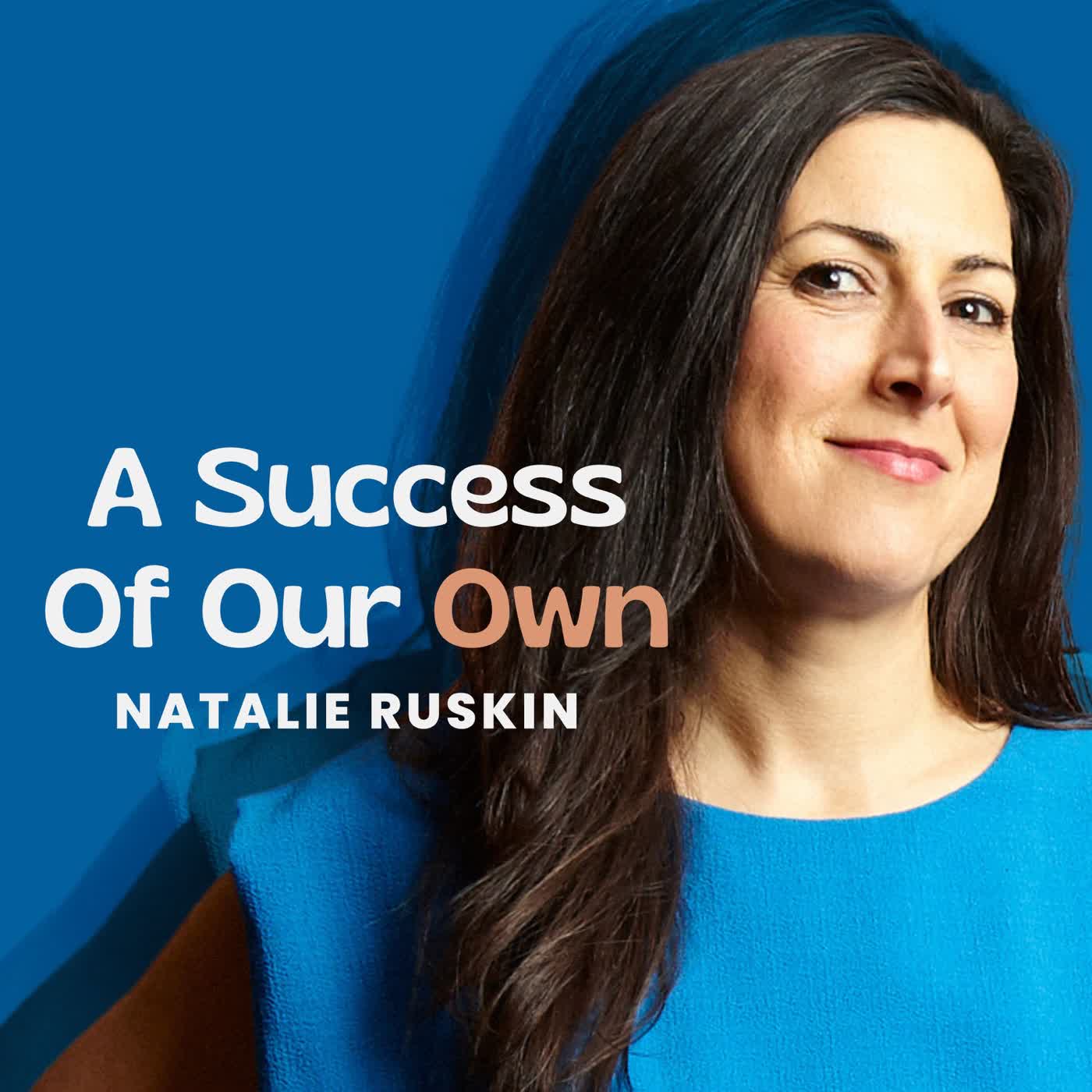 Video podcastA Success of Our Own
Natalie Ruskin’s show for anyone ready to create their own authentic version of success.
 Video podcastTheStevePodcast
Conversations with the authentic unprofessionals who are changing industries.
 InterviewSander Recommends
For people thinking about moving abroad, buying property, starting a business or investing internationally.
Jon Davids talks to entrepreneurs and creators about how they made it.
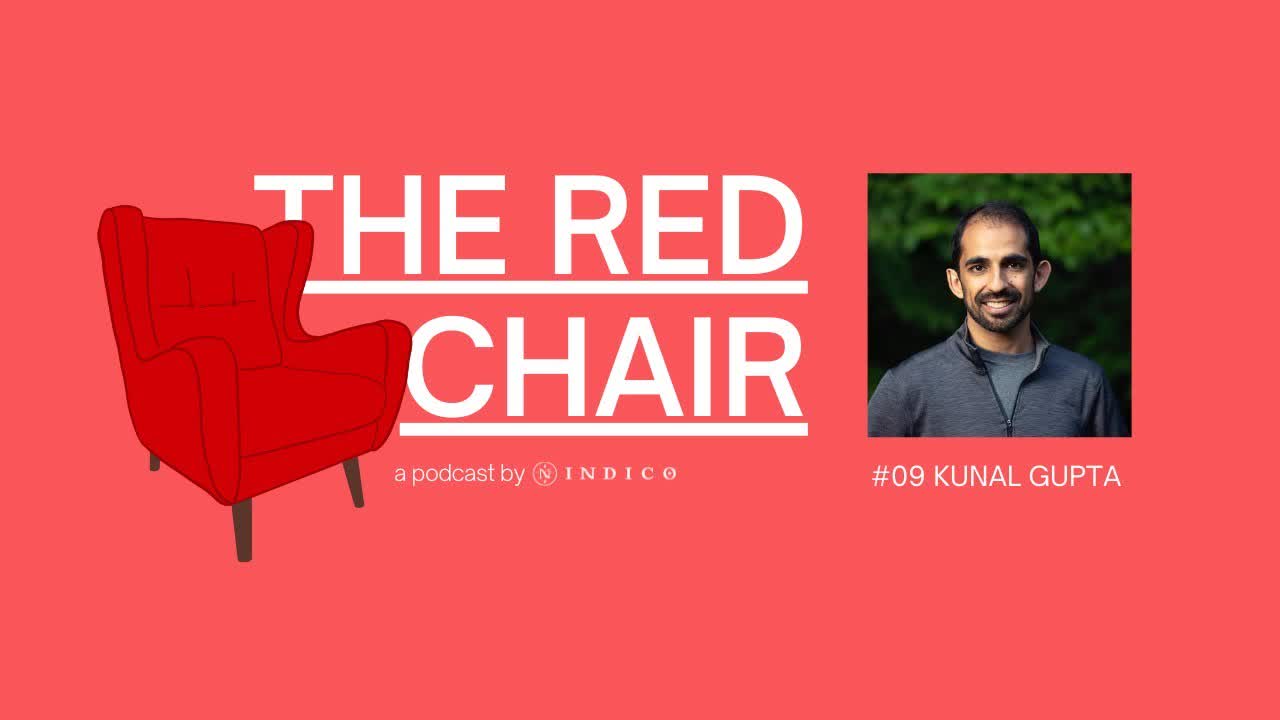 Video podcastThe Red Chair
Índico Capital Partners, a Lisbon venture firm, hosts a monthly close-up conversation in two big red chairs.
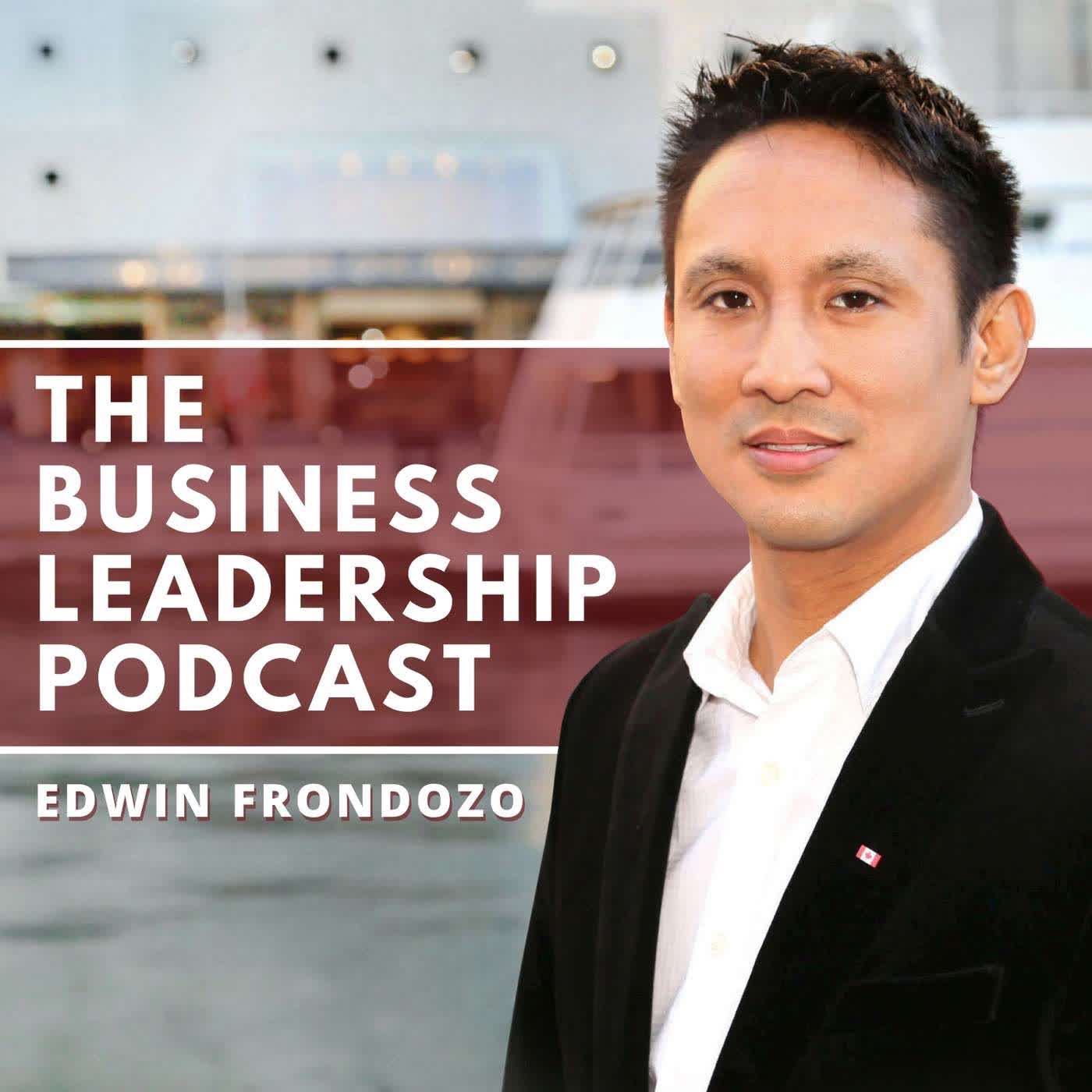 Video podcastThe Business Leadership Podcast
Edwin Frondozo interviews business leaders on how they lead and grow.
 PodcastThe Growth Suite Leadership Podcast
Jonathan Spiess on leadership and building high-growth teams.
 PodcastStigma Podcast
Stephen Hays on mental health, and the people working to remove its stigma.
 PodcastSober Company
Nik and Lacey on living alcohol-free, with guests on the habits that replace drinking.
 PodcastAdExchanger Talks
The podcast of AdExchanger, the trade publication for advertising and marketing technology.
 Video podcastThe JOMOcast
Christina Crook, author of The Joy of Missing Out, on living well with technology.
 TalkUniversity of Waterloo
The University of Waterloo’s alumni webinar series. Kunal studied software engineering there.
 TalkTEDxSiliconNorth
An independently organised TEDx event for Canada’s tech community.
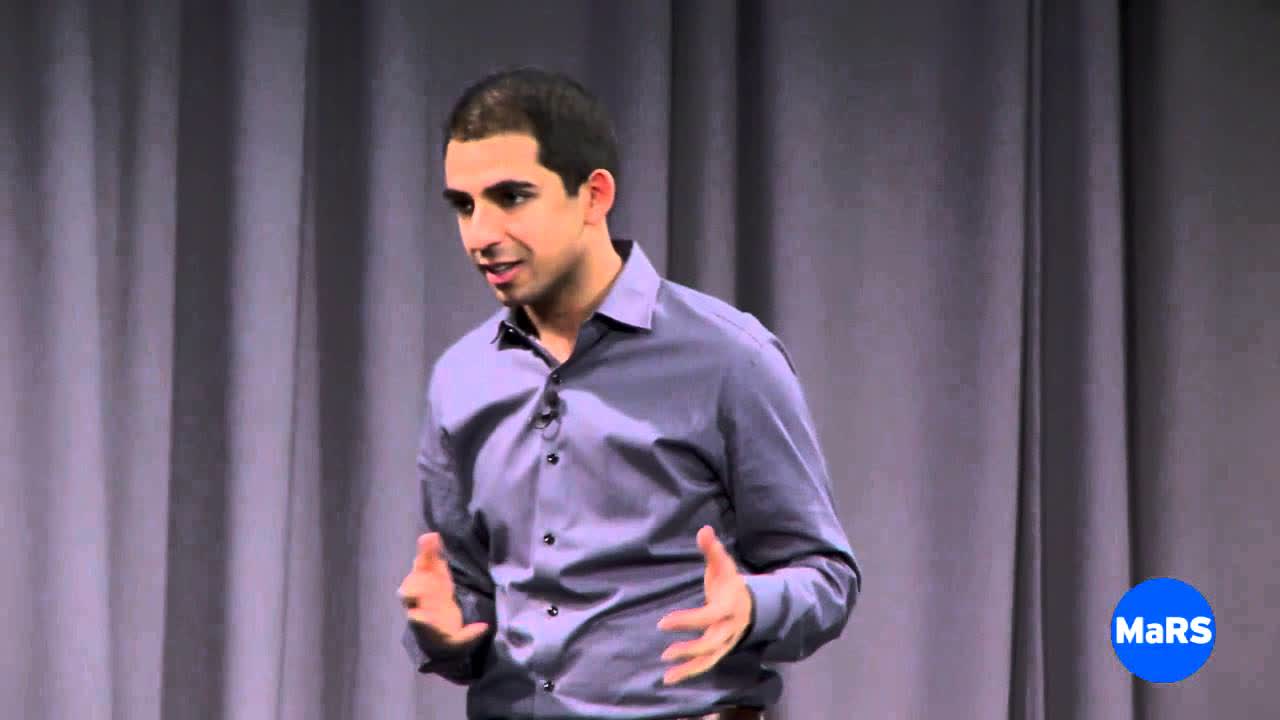 TalkMaRS Entrepreneurship 101
MaRS, Toronto’s innovation hub, and its Entrepreneurship 101 lecture series.
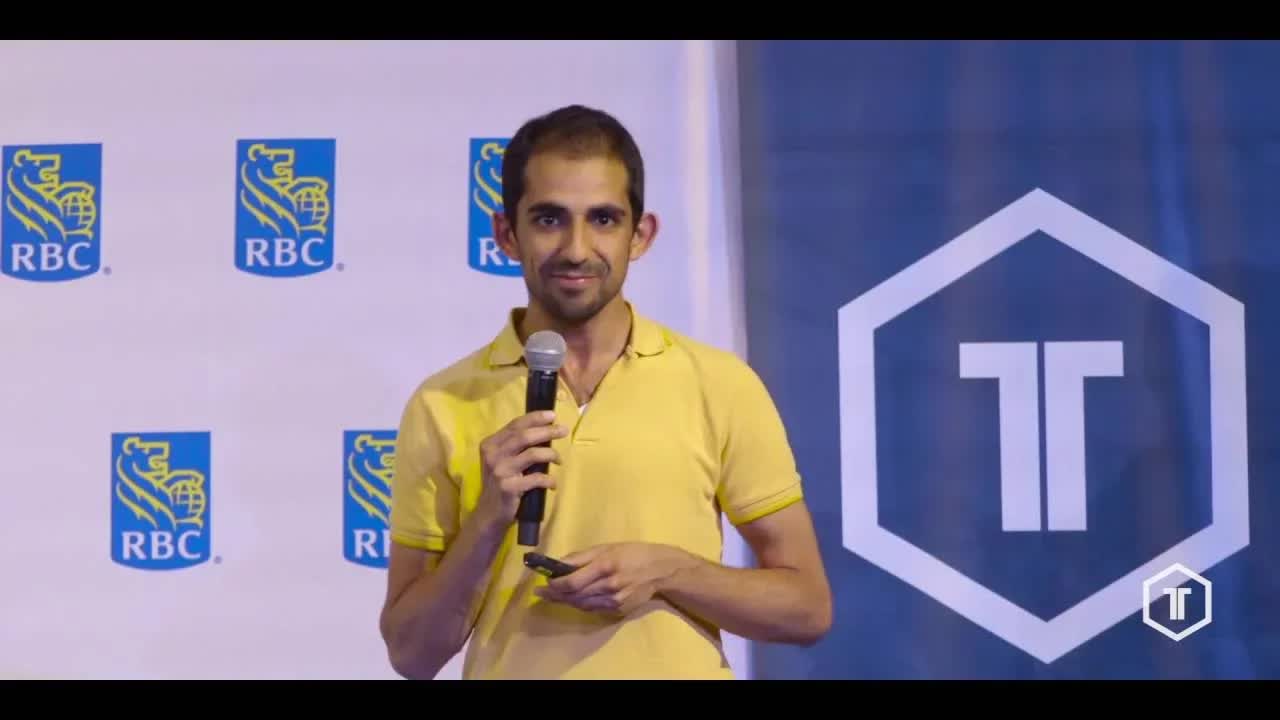 TalkTechTO
Toronto’s monthly tech community meetup.
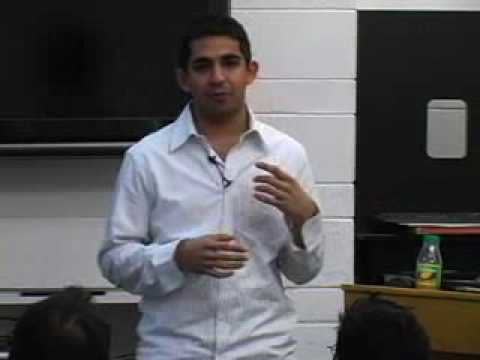
The University of Waterloo’s startup programme.
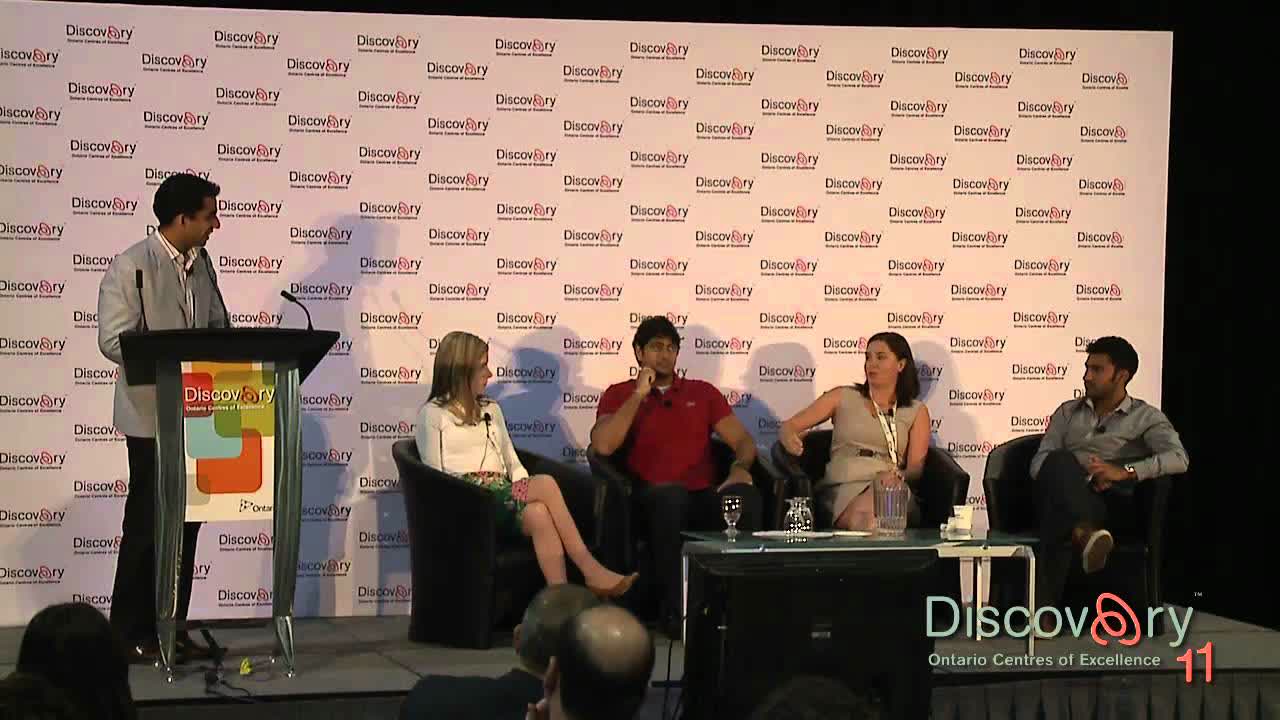
Ontario Centre of Innovation’s annual Discovery conference. Kunal moderated.

The Financial Post’s technology desk.

A show about the mobile industry and the people building it.
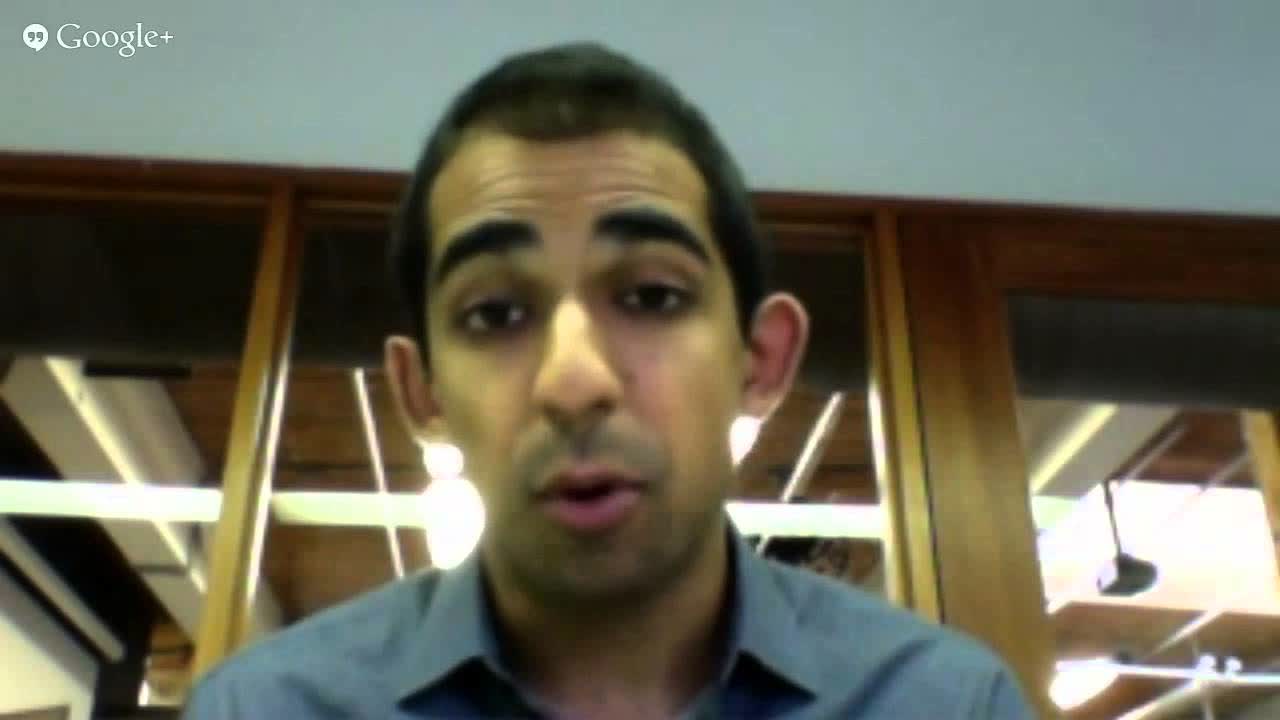
Canadian technology news for business leaders.
The national voice of Canada’s universities.
No conversations in this format yet.