AI, cognitive load and the things we no longer have to do
Chapters
Quotes
Host
Ross Dawson
Futurist, keynote speaker and founder of Humans + AI, a community and podcast on how AI can amplify human thinking.
Podcasts, talks and interviews where someone else held the microphone.
PodcastHumans + AI Futurist, keynote speaker and founder of Humans + AI, a community and podcast on how AI can amplify human thinking.
 Video podcastIn The Blink of AI
Georgie Healy hosts In The Blink of AI on the Day One network, talking to people shaping how we live with AI.
 Video podcastThe Seen
Kaia Tham’s show about people building unusual lives and companies.
 Video podcastThe Seen
Kaia Tham’s show about people building unusual lives and companies.
 TalkBetter Societies
Adrien Harrison’s Better Societies: a how-to guide for building better societies.
 Video podcastA Success of Our Own
Natalie Ruskin’s show for anyone ready to create their own authentic version of success.
 Video podcastTheStevePodcast
Conversations with the authentic unprofessionals who are changing industries.
Steve A lot of the stuff that I took for granted from other people, I'm like, "Oh, this is actually ta- quite time-consuming."
Kunal We need to build you an AI-
Steve Yeah
Kunal ... that's just gonna do all of this.
Steve Yeah, ex- yeah, actually, the, I interacted with your AI bot last night. I was so-
Kunal Oh, yeah, yeah
Steve ... impressed
Kunal We should use it as well.
Steve Yeah, yeah.
Kunal Okay, I'll pull it up.
Steve Okay.
Kunal Yeah.
Steve So how, wh- what's the best way to, to just, to pose questions to it and-
Kunal Yeah, I mean, if you wanna pull it up too, like-
Steve Yeah, let's do it
Kunal ... we can, you can ask it a question and ask me the same question, and then-
Steve And see sort of where it ends up.
Kunal Yeah, yeah.
Steve Okay, that's cool.
Kunal Yeah.
Steve I like that idea.
Kunal Yeah.
Steve Yeah. So, um, yeah. So I, uh, I read your book. Um, I've only read the first one, How To Live, and, uh, I was struck by a few things. The first one was when do you qualify to give advice or write a book? Like, what was in your mind that said like, "Now's the time for me to share this"?
Kunal So writing, writing a book is, um... It's an immortality project 'cause it's, it's gonna last beyond me.
Steve Hmm.
Kunal My body will die at some point, hopefully not anytime soon.
Steve Yeah, I hope not.
Kunal But the, but the, the book will continue.
Steve Yeah.
Kunal Uh, I don't have kids yet, but I can only think of, like, those two things.
Steve Yeah.
Kunal Kids and a book-
Steve Yeah
Kunal ... that will outlive me.
Steve And the kids will kind of water down a bit, right? Like-
Kunal Yeah
Steve ... they're not gonna absorb everything-
Kunal That's true. Yeah
Steve ... that you have in them. They'll like have their own ideas.
Kunal Yeah, yeah.
Steve Like, they won't-
Kunal Yeah
Steve ... distill information well.
Kunal And they'll make up stories about me- ... long after I'm gone.
Steve Yeah, yeah.
Kunal And have the grandkids and great whatever.
Steve Hmm.
Kunal Um, so it really requires me to feel solid about my ideas or my experiences to be willing to put it out there in the world forever.
Steve Yeah.
Kunal In this era of Snapchat and Instagram where things disappear-
Steve Yeah
Kunal ... uh, a book is the, the opposite.
Steve Yeah. I, I've, um, definitely developed my reading later, and I'm, I'm sorry I didn't appreciate how much it teaches you. I think that reading was predominantly entertainment, um, for me when I was younger, or like a necessary evil. And as I've gotten older, I'm like, oh, wow, there's just so much that you can learn or so much you can, um, sort of take from other people's experiences without having to go through that same stuff. And, um, and the right books become immediately applicable. Like, my favorite book is The Little Prince.
Kunal Yeah.
Steve Like, it's a child's book, but-
Kunal Yeah
Steve ... um, and also, uh, Tuesdays with Morrie is like-
Kunal Yes
Steve ... another one which-
Kunal Yeah
Steve ... kind of-
Kunal I love that book.
Steve Yeah, incredible. And, and, you know, once you've become really good at reading or proficient at it, you become much better at, like, internalizing what you're-
Kunal And applying it
Steve ... yeah, what you're applying. Did you find that writing the book, you're, um, you were able to distill your thoughts really well? You were able to, like, really-
Kunal Oh, yeah. I mean, it was 51% for me.
Steve Okay.
Kunal 49% for sharing.
Steve Yeah.
Kunal I didn't realize that going into it. Going into it, I thought it was 99%, but sharing 1% for me.
Steve Mm-hmm.
Kunal But, and that's why the second... There's actually a third book that's done as well. It's not printed yet. And it's so therapeutic 'cause it forces me to be clear about what do I believe. And that knowledge is very helpful for me as I'm living still-
Steve Hmm
Kunal ... and the choices I'm making.
Steve No, it makes sense. I, I've, um, I've worked with a coach, and one thing that came out of it is, like, writing down what I really think about things, and I think that I often walk away from exchanges with people frustrated that I haven't articulated myself very well.
Kunal Hmm.
Steve And I'm like, and you walk away and you're like- ... "I should have said this" or "I should have said that." And the practice of writing down what you think about things forces you to face your argument, first of all, so you understand what your argument is.
Kunal Yeah.
Steve And then it puts it out there for debate, which is, like, the next thing. And, um, and that for me is, like, a big part of writing. And did you journal before this, or have you always journaled?
Kunal I was just gonna ask you, do you journal?
Steve I don't. I, I, I've... Sporadically I've dabbled in journaling-
Kunal Yeah, yeah
Steve ... but it's never been a consistent habit.
Kunal I'm gonna, I'm gonna ask my, my alter ego. What do we call it? Do you journal?
Steve Your, your digital ego.
Kunal Yeah. So I have been journaling for almost 10 years, almost every day.
Steve Okay.
Kunal So I literally put pen to paper five out of seven days a week for the last 10 years.
Steve Wow.
Kunal And-
Steve And is that a morning practice, or when does that practice happen?
Kunal Morning, yeah.
Steve Okay.
Kunal Morning, meditate, post meditation. It's, it's unconscious. It just happens habitually. Some warm herbal tea and, uh... I use morning pages as a technique, if you're familiar with that.
Steve No, I'm not, so tell me a bit more.
Kunal Very simple. Few sheets of paper. I use a remarkable tablet.
Steve Mm-hmm.
Kunal And you just write without stopping.
Steve Okay.
Kunal So there's no moment to pause and think and frame and censor. Like, even as I'm speaking now, something is censoring everything I'm saying. The part of the morning pages technique is to write without stopping such that you bypass the censor, and then it taps into a stream of consciousness. The second part is to throw it out once you're done reading, which is counterintuitive. My hack on that is I write... I can't even read it, it's so messy, 'cause I'm writing so fast-
Steve Oh, wow
Kunal ... and so small that nobody will ever see what I wrote, including me.
Steve Okay.
Kunal So it's free of judgment. So I've created this space to really express whatever's inside.
Steve Wow.
Kunal And the process of morning pages makes me aware of what's actually inside.
Steve Oh, that's incredible. So that, that for me is, like, really incredible because when we're talking we're kind of thinking out loud, right? Like, we're not really- We're not presenting our thoughts in a structured way. We're kind of-
Kunal Yeah
Steve ... getting them out into the open-
Kunal Yeah
Steve ... so that we can start to put them-
Kunal Yeah
Steve ... in, in place.
Kunal Yeah.
Steve And, um, and writing it down is a very private way to do it, right? Like, is to get that written down, and then start to go from there. And then what's the process after that? Is it just like this, is it like a cathartic release of everything, or is there some actionable that you take away from it after disposing of it?
Kunal This, you might have picked up on this in the, in the book, but I, I believe that it's all about awareness and cultivating the skill of awareness, and I, I believe awareness is a skill.
Steve Mm-hmm.
Kunal And it's one that can be taught, and learned, and trained, and I hope that young people, you know, get, get, get taught it more. And mindfulness practices are one way, but there's many ways to cultivate the skill of awareness. I believe like 90% of it is awareness, and with awareness, the 10% action becomes almost automatic. Like, if I'm aware of somebody that needs help, I will automatically start to lean in and, and try to help them. If I'm aware of a business opportunity, I will automatically start to consider that opportunity. If I'm aware of a challenge or a physical injury, then I'll start to take action based on that. So my bias is towards awareness over action. Action comes as a byproduct of, of awareness.
Steve Mm-hmm.
Kunal So journaling is one technique to help me become more aware of what I think.
Steve Yeah. That, that, it's, um, it's, it's almost like physical meditation because you're linked to a pen onto a piece of paper, and I know that you're, you're very versed in meditation. It was like a-
Kunal Yeah
Steve ... pretty rough journey to start-
Kunal It was
Steve ... starting in a foreign la- it was a foreign language, right? It was at the yoga-
Kunal Yeah, yeah, yeah
Steve ... retreat that like you-
Kunal Yeah
Steve ... you, you get into meditation. It wasn't for you. It was always this other thing, and then now you can sit for three hours, uh, what, every Sat- is it every Saturday you sit for three hours, or is it, uh-
Kunal I don't anymore, but yeah, that was my framework. Something-
Steve Oh, your birthday was a three-hour-
Kunal Three hours, yes
Steve ... three-hour meditation-
Kunal Yes
Steve ... right?
Kunal Yes.
Steve That's great.
Kunal Yeah.
Steve Okay.
Kunal Yeah. The simple framework is something daily, something weekly that's a bit more involved, be it a longer meditation or something with others.
Steve Mm-hmm.
Kunal And then, you know, monthly or bi-monthly a retreat or some form of, um, environment that really allows me to go deeper.
Steve And that's, that's again linked to awareness. I mean, like my very basic understanding of meditation, and I have done it in the, the, as far as like 10 minutes a day for like a, a stint, so I haven't, I'm not... I know enough to know how much I don't know in terms of meditation. But the, the, some of the guide- guided meditation that I've had was like your mind wandering is an okay thing. Don't like try to beat it up about not being focused or being able to quiet the noise.
Kunal Mm-hmm.
Steve It's to acknowledge the noise, and then guide yourself back from the noise, or to try go deep into why is this noise, or why is my brain like a monkey? So I've had that very like sort of understanding of meditation and so just linking that back to the, to the journaling and the writing, or to the, to the daily pages is, is that again, just let it go and then work-
Kunal It's all-
Steve ... back from there
Kunal ... it's all the same.
Steve All, all the way.
Kunal It's all the same. Meditation is not not thinking. Meditation is about becoming aware of the thinking.
Steve Mm-hmm.
Kunal It's not about trying to stop, control, or shape the thinking or direct the thinking. Same thing with morning pages and journals. It's not about trying to direct the journaling. Let me journal about this business problem that's on my mind, or let me journal about this emotion that's coming up. It's, it's to allow whatever is there, because that is what is there.
Steve Mm-hmm.
Kunal And then you can apply that beyond the practice to life.
Steve Mm-hmm. Yeah.
Kunal Um, and all these practices are called practices. They're practices for the moments we're not practicing and we're on the field, which is everyday living.
Steve Makes sense. Like I, I know just in terms of practice, and it's m- maybe some way relatable, is um, when you do martial arts, the idea is to really work on the technique of it because when you're under pressure, 50% of the technique goes away because that's just how we are responding in a stressful situation.
Kunal Mm-hmm.
Steve But if I've practiced-
Kunal You have 50%
Steve ... my remaining 50% is really good.
Kunal It's good enough to get you through.
Steve It's good enough to get you through whatever you, you need to get through.
Kunal It's the same thing with meditation-
Steve Meditation
Kunal ... and journaling. Yeah. I'm, I'm actually working on a- another book. It's called Unmeditate. You're the first person I'm sharing that with.
Steve Ah, thank you.
Kunal And it's, it's the ideas of meditation and mindfulness applied to everyday living.
Steve Okay.
Kunal So it's a bit of an anti-meditation book. Um, 10 years into the practice, six plus years as a teacher now.
Steve Mm-hmm.
Kunal I've learned a lot. I've meditated with ten- tens of thousands of people. And uh, the formal practice of meditation as we know it, to sit on the floor, eyes closed, cross-legged, is not for everyone.
Steve Mm-hmm.
Kunal I used to believe it was for everyone, and I-
Steve And you just had to learn how to do it.
Kunal Yeah.
Steve Yeah.
Kunal It's just about more practice, more willpower, more discipline, and I don't believe that anymore.
Steve Yeah. Well, so what is the change now? Is that-
Kunal It's the qualities, it's the principles of meditation that are the value. It's not the practice.
Steve Yeah.
Kunal The practice is one way to understand those principles, but I've come to learn there's many other ways as well. So that's what Unmeditate is going to be about, is how to bring the, how to... It's mindfulness applied-
Steve Yeah
Kunal ... versus mindfulness in, in theory or in practice.
Steve So I think that like that quality component is so important because life's crazy at the moment. Everything's kind of being funneled into fast bite, quick service, like really short, and I think that's eroding quality in some way. So now we have to maximize quality in different settings, and so being able to sort of distill quality in everything that you're doing-
Kunal Yeah
Steve ... is, uh, is the new skill.
Kunal Yeah.
Steve Yeah.
Kunal Yeah. Is to, is to appreciate whatever is there.
Steve Yeah.
Kunal There's always gonna be something shinier or something that's-
Steve Yeah
Kunal ... around the corner.
Steve Well, we're speaking about this as entrepreneurs. It's like, ah, this is idea. I'm definitely gonna do this thing.
Kunal Yeah.
Steve So it's crazy.
Kunal Yeah.
Steve I wanted to just go back to the How To Live, um, specifically 'cause I, it's your first book, right?
Kunal This is the first book. A long time coming.
Steve And, um, yeah, a long time coming, but now you've gone from first book straight into three. Uh, I'll come back to, like, just the, the, the prolific writer that you're now going into. But one thing that I took away from the book is that it seemed to me you climbed this mountain, you took a step back and said, "Okay, well, I'm here. I don't really feel better, and now I'm gonna start doing these experiments on myself." And if there was a common denominator in the experiments, it was abstinence from comfort or exposure to a little bit of what I call the suck. And it... That for me was the most, like, intriguing part is like, can you only do that once you've climbed the mountain of success?
Steve Like, you're in a position where you're financially comfortable, your business is doing what it needs to do. Uh, all these things are kind of working. Now I can really start messing with the engine. Is, is that it, or do you feel that this is applicable to anyone no matter where they are in their sort of journey?
Kunal Yeah, the, the stories in my, my life comes from a place of privilege, of never having to really feel like I've suffered, so life gets boring. So then I do these experiments ... to try to make it more interesting. Like moving to Portugal, I moved here on three days notice.
Steve Yeah. I remember when I met you here. This was this crazy story.
Kunal And you know, I'm single, don't have kids, so I, I can make decisions like that. Um, but I, uh, I recognize the privilege in that life has felt comfortable for me, so I've tried to spice it up. The lesson that I hope people take away from, from How To Live isn't the specific tactics of how I went houseless or how I went two years without buying anything or meditated, you know, for 10 years every day. It's more about the openness to try something new, try something outside of my comfort zone.
Steve Mm.
Kunal With the... So, like, the word experiment, there's just one line in the book, it's probably one of my favorite lines, where I said, like, "An experiment means I don't know what's going to happen. If I know what's going to happen, that's called a plan."
Steve Yeah. Makes sense.
Kunal So the difference between planning and experimenting, I think we plan a lot. Uh, I'm gonna get into this university, or I'm going to close these clients, or I'm going to, you know, have this body, you know, weight. Um, so we plan a lot. But to truly experiment means... Like, the precondition means I'm open to the result.
Steve Yeah.
Kunal Like in a truly, like, scientist experimenting in the lab.
Steve Yeah. 'Cause it's not a hypothesis yet, right? You're just-
Kunal I don't know
Steve ... I'm completely gonna expose element A to element B-
Kunal Yeah
Steve ... and see-
Kunal See what happens
Steve ... what happens.
Kunal See what happens.
Steve Um, I think that that's venturing into the unknown, like the old saying is like, you know, sort of growth begins, like, outside of your comfort zone. And the one thing that, like, really struck me in the book was when you gave up your home. And I'm going into a place of, like... I've traveled the world, I've lived in a lot of places, I've been very comfortable with going out and setting up and s- doing startups, and it's crazy. But now I'm going into a place in my life where, like, home is-
Kunal Yeah
Steve ... a big deal.
Kunal Yeah.
Steve And I've got kids.
Kunal Yeah.
Steve And stability is a big one, and h- you know, the structures around our day-to-day are, like, really important to me. Like, I lose my mind if I lose structure. And when you had your kind of breakdown, you know, in the street crying, like-
Kunal Yeah
Steve ... homeless guy.
Kunal Yeah.
Steve And that for me was like, it really hit me in the book. I was like-
Kunal Mm
Steve ... this would be in the ultimate suck for me. Like, it's a big panic. I realized for me, not having a home is suddenly a big driver or a big panic for me in my life. Um, were there any other moments where you're like, "This experiment's just too much"?
Kunal So many.
Steve Yeah.
Kunal And then I had to remind myself this is what I was looking for.
Steve Mm.
Kunal I was trying to find the edge. I was trying to find where's my boundary.
Steve Mm.
Kunal And I don't know where it is until I get very close to it. When I get close to it, it feels unpleasant and uncomfortable and frustrating. There's a part of me that, uh, will judge myself and criticize myself for, like, "Why am I doing this?" And question it, and then that other part is important to balance it, to say like, "Actually, you, you wanted to find the edge."
Steve Yeah.
Kunal "And here is the edge."
Steve And do you still do that? Like, has now that become practice for you? Is that, like, the standard for you now?
Kunal I do like to go to the edge. I don't like that I like to go to the edge.
Steve Yes.
Kunal Um, like last week during, during Web Summit, you came on, I think it was Sunday, right?
Steve It is.
Kunal Yeah. So Saturday night there was a full party at my place, and Monday and Tuesday and Wednesday.
Steve Okay.
Kunal And it was, um, it was too much.
Steve Wow.
Kunal Um, and then we gave out, you know, a couple thousand copies of the book throughout Web Summit, and I spoke at 12 events. And I was with my therapist earlier today, so that's why it's top of mind, but it was, it was too much, and it was like, "Why did I do all that? I didn't need to."
Steve Yeah.
Kunal But I, I guess I did need to, 'cause I needed to find where my edge was.
Steve So, so that was about finding the edge. Like, it-
Kunal Yeah
Steve ... wasn't about, "Hey, I've got to get this book into as many hands as possible." It was like-
Kunal Yeah, it's this entrepreneurial curiosity-
Steve Curiosity
Kunal ... creativity to say yes-
Steve Yeah
Kunal ... to, to life. And it's, it's beautiful. It's beautiful to say yes to life.
Steve Yes.
Kunal It's so much easier to say no.
Steve Yeah. Makes sense. And yeah, it is, it is, and a- but that's the daunting piece. And I think that people think that they're living when they're just stuck in the rut, but actually that's not where the, the... That's existing. Like, the difference between living and existing. And I think, um, you know, why do you think so many people get so caught in, like, the existing piece? Like, they don't go out to the- ... the living component that drives new awareness in them and happier, happier lives.
Kunal I think we need to be inspired first, and we need to be shown that it's possible. So a number of the, the stories I shared my source of inspiration at the start.
Steve Hmm.
Kunal So... And hopefully this book inspires people not to do what I did, but to do their own version-
Steve Yeah
Kunal ... of, of living, whatever that looks like.
Steve Yeah, definitely, like, it awakened in me the question of, "Am I? Have I become complacent? Am I still asking, you know, the right questions of myself?" Like, I, I know that my DNA has always been about, "Oh, I wanna do an Ironman. Okay, I'm gonna do that." Like-
Kunal Yeah, yeah
Steve ... it was like, not I didn't focus too much on the why I shouldn't. It was just like, "I should totally do that. That's... It'll be hard, but I, I'll get over that. And let me go live in another country, and let me go and experience, like, a new culture." And, "Oh, it's a startup. It's got, like, terrible, terrible, like, sort of stability options for it." "But I'm gonna go and give that thing a bash." You know? Let me go and do these, like, crazy things. And I... And yeah, your priorities do change a lot as you get older and you sort of, you, you pick up sort of responsibility. Um, you know, I, I just think, uh, the book really for me was one of these, like, thought-provoking, am I doing enough with my life? Am I still setting an example for my kids of a life I want them to follow?
Steve So it, it, it may be a work and more of the teacher in me. Like, I wanna-
Kunal Hmm
Steve ... be a teacher in this now.
Kunal Hmm.
Steve Like, and-
Kunal Hmm
Steve ... you know, so I, I think I wanna write a book. Like, I, I don't know what I'll write a book on, but I was like, "Geez, this is really cool that you wrote a book. I've always been so scared to write a book." Uh, like, there must be an element of fear in writing a book.
Kunal There's an element of vulnerability.
Steve Okay.
Kunal So my birthday at the end of August, uh, I gave 100 people a copy of... a preview copy of the book. It's still in draft. And I felt it. I felt it in my chest. I felt exposed.
Steve Mm-hmm.
Kunal And these are people that I invited to celebrate my, my birthday with me. Even last week we gave out 2,000 copies of the book-
Steve Yeah
Kunal ... for free around the office.
Steve Yeah, you're out there now.
Kunal And that, that felt... I mean, the birthday's one thing. Every- everybody knows me, and they're gonna say it's a great book, and they like me regardless.
Steve Yeah.
Kunal But then last week was, like, really to strangers, and that feels vulnerable.
Steve That's-
Kunal But that's, that's how I wanna grow.
Steve But is there anon- an anonymity in, in that too, right? Like, "Here's my book. You're a stranger. Off you go."
Kunal I don't, I don't care what you think.
Steve Yeah.
Steve Like, it's like- ... what are they gonna do, you know? Like, your, your close friends, I, like, I get the vulnerability in terms of, like-
Kunal Yeah
Steve ... that is, um, you're sharing with them, right? Like, a very personal stuff, and we often put a persona up for people.
Kunal Yeah. I mean, for, for, for me, I'm, I'm evolving from... And I'm, I'm Canadian and grew up very much Canadian, which means Canadians like to be liked, like thank United Nations and thank you-
Steve Must be a South African being too, 'cause I'm the same.
Kunal Yeah.
Steve Yeah.
Kunal Like, yeah, Canada or South Africa's role in the world is, like, we're, we're very well liked, um, by everybody. Like, the joke is people put Can- Canada flag patches on their backpacks even when they're not Canadian 'cause that they'll be treated better- ... than if they have, like, an American patch or something.
Steve Note, note to self, next tattoo.
Kunal Yeah, exactly. Exactly. So being liked is something that's, uh, core to my identity, and that means I'm watching what I'm saying, that means I'm politically correct, that means I'm nice to everybody. Um, I'm now moving into this place of, like, being more known, and with that, maybe not always liked. And that's kind of a conscious choice that I've been making over the summer, is realize, okay, with the book coming out, with the multiple books, with the other projects I'm involved with, my profile's gonna grow, and not everybody may like me, and I need to learn to be okay with that.
Steve Yeah, that's a big one.
Kunal And not take it personally.
Steve Yeah. I, I'm reading a book, um, uh, I sort of bounce between a few books, but The, The Courage to Be Disliked, and the, the basic summary, very basic summary is that we build things to shortcut from having to deal with certain things. So, um, wanting to be liked is just a shortcut because that's easier than having to address someone on a level where, "No, I don't... I'm gonna engage with you on something that I disagree with."
Kunal Yeah.
Steve "Or I'm gonna en-..." I, like, for mine is, my shortcut is losing my temper. If I lose my temper and I raise my voice, you back down, we don't have to talk about this anymore, right? Like, and so I've obviously learned that at a very young age because it was maybe a mechanism for dealing with bullying, and it was like, "Okay, if people are a bit scared of me, then I don't have to deal with that anymore," right? Like, and so that it, it created some, like a ring fence around me.
Kunal Yeah.
Steve And so I think maybe being liked is kind of the same thing. You're saying, "Well, if I like you, you will always take my feedback well," or, "We don't have to, like, really get into stuff," or, "Maybe you'll never tell me stuff that's gonna be hurtful to me because that's-"
Kunal Yeah.
Steve "... that's it, so."
Kunal And it's evolutionary too.
Steve Yeah.
Kunal Like, if we're liked, we're more likely to survive.
Steve Yeah.
Kunal And a big part of being human in our genetics is survival.
Steve Yeah.
Kunal So I think as we now have moved past the basic need survival, we're starting to pay more attention to and starting to experiment a bit with, like, okay, the things that have been naturally occurring for survival purposes don't actually need them anymore-
Steve Mm
Kunal ... not to the same degree, so let me experiment with-
Steve Yeah
Kunal ... flexing it a little bit.
Steve And why do you say that you don't need them anymore?
Kunal We don't have to be liked to be able to have a place to live and to have food to eat and whatnot.
Steve Yeah.
Kunal But maybe a thousand years ago we did.
Steve Yeah. Yeah, so there's now it's like the, the act of being liked is really about community, right? Or, or loneliness, not necessarily about fitting in.
Kunal Yeah.
Steve Um, so that changes a bit. I, and Jordan Peterson talks about that a, a little bit is that, you know, we start to condition each other from when we're children. So at two or- two years old, you're a complete terror, and- ... you, you're testing your environment in every possible way.
Kunal Yeah.
Steve You- my son literally headbutts me- ... whenever he gets excited. He's like, he's literally like, "I'm gonna test you now." And it's a tough one because I can't headbutt him back, you know? But they do. They, they, they, they, they terrorize their surroundings and, but then their peer group pulls them back in because if you do that to a two-year-old, you bite another two-year-old, the other two-year-old's gonna bite you back-
Kunal Yeah
Steve ... and you're gonna realize, actually, okay, to fit in here-
Kunal Yeah, yeah, yeah
Steve ... that's not a good-
Kunal Yeah
Steve ... thing that I want. And so we, we condition ourselves from very young to fit into the, into the crowd or to fit, to fit into the village. And like you said, now it's changing. Uh, it's changing quite a bit, so now we can start to, like, really define ourselves in terms of what do we need, and live a life based on what we, what we need.
Kunal Yeah.
Steve I think the worry is it could just get a bit selfish.
Kunal I think we all are selfish, and I think selfish has a bad reputation.
Steve Okay.
Kunal Everything we do is to satisfy some need or desire we have.
Steve True.
Kunal I got into this the other night with a close friend. And, you know, he was talking about how he's helping his, his mother with something. You know, like, "That's selfish." He's like, "What are you talking about?" Like, yeah, there's some need you have to be a good son.
Steve True.
Kunal And yes, there's a need the other person have as- has as well, so you're satisfying both your needs. But there is a, there is a self-motive behind every action that we take, and I think it's better and healthier to just acknowledge that so when it shows up, we're not surprised.
Steve Yeah. And when you need to pull some of it back. Like, that's the other thing is, like, you have a win-win exchange with your parents. I'll do some- I'm a good son.
Kunal Yeah.
Steve You have a good son.
Kunal Yeah.
Steve But you're gonna get what you need. I wanna get... But at some point- ... you're gonna have to draw a boundary. Like, okay, I have a new family. This is now, you know, like, too much.
Kunal Yeah.
Steve You're gonna have to pull back.
Kunal Yeah, 'cause your needs have changed.
Steve Your needs have changed, and that also has to be okay that people acknowledge, like, okay, well, this relationship now has changed, and it's okay for you to be selfish 'cause I was also being selfish, right? Like, if everyone just acknowledges that, like.
Kunal Mm-hmm.
Steve Um, something I always used to say to people that were in bad relationships, like, "You know, you're not dating that person for them."
Kunal Yeah. Yeah.
Steve You're dating that person-
Kunal True, yeah
Steve ... for yourself.
Kunal Yeah. Yeah.
Steve And if you're con- if you continue to stay in a bad relationship, it's absolutely crazy because then you've forgotten why you were there.
Kunal Yeah.
Steve Um, and uh, and, you know, you, you see that people just, like, rotating in the worst possible relationship.
Kunal Mm.
Steve One thing I wanted to ask you is that, um, the start of your book when you have kind of, uh, I think epiphany's the right word that, hey, things are really good, but don't feel that good.
Kunal Yeah.
Steve Uh, um, you were in a really happy relationship, and-
Kunal Yeah
Steve ... that changed. Was the change in your relationship because of this new awareness that you were finding in yourself, or was it inevitably going to, to end, that relationship?
Kunal I don't know.
Steve Okay.
Kunal I've asked myself that, um, that a lot, and it almost doesn't matter anymore.
Steve Mm-hmm.
Kunal Um, because whatever the stimuli were at the time, they put me on this path to learn how to live as an adult.
Steve Oh.
Kunal We learn how to live as children through our parents and students and, and teachers and culture and religion, you know, and, and other sources. And then for me, that moment was like me saying, as an adult, I'm gonna figure out how to live, and do that the only way I know how as an engineer is to experiment and try things out.
Steve Yeah.
Kunal So along the way, my attitude towards relationships evolved and changed, and it, it still is. And uh, there were some experiments with relationships that I did not put in the book.
Steve So not the one where you went, uh, whole, like, wardrobe shopping.
Steve Yeah.
Kunal I'm still waiting, uh, I'm still waiting to see if she read the book.
Steve Oh.
Kunal I saw her, I saw her, she sent a comment to me or something, some congratulations on the book, so I'm assuming that she might buy the book and-
Steve Yeah
Kunal ... realize she's in the opening chapter.
Steve Okay. She doesn't get to the bottom where you sent me down this, like, retail addiction.
Steve Nice. Um, yeah, I, I kind of lost my train of thought but, uh, you know, I wanted to just sort of dig a little bit more deeper. Towards the end of the book, you start, um, you started to talk about, like, how to die, and this is a subject that's very close to me at the moment. We've, you know, we've, we've had a passing in our family. My wife's, um, my wife's father just recently passed away. And um, so can you tell me more about that? I haven't read that chapter yet. So what, what is How to Die like?
Kunal Yeah, so there's two parts to the chapter. Um, so first I'm, I'm sorry for the, the, the loss in the family.
Steve Thank you.
Kunal Uh, in the first part I talk about the, the loss of an uncle, and that forced... That was the closest I'd come to death as an adult.
Steve Mm.
Kunal Um, and it really forced me to understand. I had understood it intellectually, but to experience it and see it in my parents and, and all that, uh, was a, was a trigger for me to reflect on it. And realizing, like, when somebody close to us, um, passes, their body passes, and that's a science, biology thing we could rationalize.
Steve Mm.
Kunal Could be from disease or illness or just old age or an accident or something. But what they mean to us isn't resident in their body. What they mean to us is resident in-
Steve Mm
Kunal ... our spirit, our mind, our memories. Mostly our memories.
Steve Yeah.
Kunal And the imprints on how we move through life. So that hasn't died.
Steve Yeah.
Kunal That hasn't passed away. So that's, that's kind of my, my offering is to really- Focus on the quality, back to that-
Steve Yes
Kunal ... that, that word, and know that the quality stays within all the people that were infected with that quality.
Steve Yeah.
Kunal And that quality continues, and that quality's actually what we value.
Steve Yeah.
Kunal It's actually what we remember. Um, the science of a body decaying and becoming old, that's-
Steve Yeah
Kunal ... that's an intellectual thing.
Steve Yeah. Yeah, I, I think, um, you know, just on that is that presence gives you a strange comfort no matter what that is because you w- you are easier able to attach perception to them.
Kunal Yeah.
Steve Right? Like you've got a physical-
Kunal You, you get to remind yourself-
Steve Exactly
Kunal ... on those qualities.
Steve Exactly. So and that's what happens, right?
Kunal Yeah.
Steve You're like ... And then when you remove the physical presence, the body, like there's this sudden like loss of like, "Where do I attach this?" Right? Like it's ... A- and that for me is the, the abstract thing about-
Kunal Yeah
Steve ... someone passing is that-
Kunal Do you have pictures of your, I guess, father-in-law-
Steve Yeah
Kunal ... in the, in the home?
Steve Yeah. Yeah, we do. We do.
Kunal So I, I, I think there's something to that and like it's like now I understand why there's all those pictures of my grandparents. As a kid I didn't understand it.
Steve Yes.
Kunal And now I, I do. And almost my memory of them is really the memory of the picture.
Steve Yeah.
Kunal 'Cause again, it's, it's something to provoke us to remember-
Steve Yeah
Kunal ... these qualities.
Steve Yeah. Makes sense. And I, just going back to your relationship piece and the things, and it almost doesn't matter now, so now I've, I've got my train of thought back, and it's a podcast so we can do these things. But you evolve over time with people, and it, it really is like when relationships end it's, it is okay because you are a different person. Like, uh, you know, sitting next to a river, uh, the ... Two, two things are true about a man who sits next to a river. It's not the same man and it's not the same river, right? Like-
Kunal Yeah.
Steve And, um, and the ... What I've learned through marriage is that as you change, you're constantly working on building that bridge over the river, so to speak, to stick with the analogy.
Kunal Yeah.
Steve It's always in maintenance mode. It's always in work because you are evolving as people. It's impossible to think that you will stay the same. And-
Kunal Yeah
Steve ... um, and that's, that's the interesting thing is that you can't hold on to past relationships where you haven't been able to build that bridge because-
Kunal Yeah
Steve ... it's gonna destroy you both, right? Like, it'll pull you both into, into the river.
Kunal Into the river. Yeah.
Steve Into the river.
Kunal Yeah. Yeah.
Steve Um, and so now where, where do you go from here in terms of now that you've put yourself into a how to live, have you developed practice around this other than the experimentation pieces? Has this been like who you are? Now, now I'm minimalist. I don't buy a lot of things. I don't, um, you know, I've got a strong sense of how to trust people. You've got, kind of got this model. Does the model keep growing or is this like the sit?
Kunal Well, to your earlier point about change-
Steve Yeah
Kunal ... I've changed. I, I actually buy a lot of things now.
Steve Okay.
Kunal As for those of you who haven't read the book, I went two years without buying a single physical object.
Steve Yeah.
Kunal So I went to one edge, one extreme, and I don't know if I'm on the extreme of consumerism as I was long time ago, but probably somewhere into a medium to high consumer of physical goods.
Steve Mm-hmm.
Kunal Um, you know, you've been to my, my, my home.
Steve Yeah.
Kunal Uh, it's not s- uh, the type of place that somebody who's houseless lives in.
Steve Yeah. Yeah.
Kunal Um, so I, I, I think the key, and we can abstract this, is to not get ... For me it's to not be rigid, it's to not be overly structured. I'm, I'm naturally a structured person.
Steve Mm-hmm.
Kunal I'm naturally an organized person.
Kunal And the book is called How to Live, but it really should be called How I Learned to Live.
Steve Yeah.
Kunal And so the entire book is written in first person. I don't know if you picked up on this, but the word you doesn't appear once in the entire book.
Steve Oh, I didn't pick that up.
Kunal And, uh, I doubt you could find a single self-help book-
Steve Yes, that doesn't tell you what to do
Kunal ... that doesn't ... what to do.
Steve All right.
Kunal I get triggered when people tell me what to do.
Steve Yeah.
Kunal Um, my, my, my weekly blog doesn't, uh, have the word you in it, and that's been 10 years.
Steve Yeah.
Kunal So it's, it's very much sharing how I've learned, and it's not a formula, not even a formula for myself. Uh, definitely it's not a formula for anybody else.
Steve Yeah.
Kunal And it's more to take people on the journey of the formula is really just to be open and-
Steve Yeah
Kunal ... to be curious.
Steve Yeah. I, I, that's, that's very clear is that, um, hey, open yourself up and don't overly attach to anything. Like, don't overattach to your current state. Don't overattach to things. Don't, don't put so much like sort of emphasis on all of these things and, and raise the importance because at any point in time you can let it all go.
Kunal Yeah.
Steve And you can decide to change.
Kunal Yeah.
Steve Like, that was a very clear message. And what I just realized while you were talking to me now is I absolutely triggered you before. When you first moved here, I was like m- my, my, my natural thing is to want to help people, and when you were a new guy here, just moved, I was like, "I wanna be this guy who's gonna make you really happy." I like, I don't know why I took it on myself that way. And I sent you a message like, "Hey, I'm having this thing at my house, and you will come."
Steve It was like kind of like- ... it was a, it was an indirect like, like you have to come. I want you to be welcome here and have like people ... Not like you need my help. You- ... you've been excellent at building a massive community around yourself. Yeah. But I realize, and then I got a message back saying, uh, "Yeah, I'll let you know."
Steve So it's just like, oh, I definitely triggered this guy.
Steve Don't tell Kunal what to do.
Kunal That's accurate. Yeah.
Steve Yeah.
Kunal Yeah. I've been working for myself my whole life.
Steve Yeah. That must be hard, like, uh, there's no way back for you to, to work. You can only work with people, but mostly you'd want to lead it. Is that correct?
Kunal Yeah, I've been, uh, I've been in a leadership role since I was six years old. So this is book number three.
Steve Yeah.
Kunal Uh, it's called Chief Everything Officer. So it's a 15-year business memoir of being a CEO of a tech company for 15 years. And, uh, the opening chapter talks about when I was six years old, and most... As you have young kids, like most youn- I have a younger sister a year younger. Most kids play restaurant and kitchen. We played office, and I was the boss. My sister was my secretary. And we had business cards and briefcases and very important meetings. This is me at six.
Steve What were the meetings about at six?
Kunal I have no idea.
Steve We need to lock the inventory and the pantry. There's a massive problem there. We're gonna have to speak to the workers.
Kunal So, and I started the family. I have a very large Indian extended family, like over 100 people around the world. Uh, so I started a family newspaper when I was eight called the Family Express, and I was the editor, and I was telling everybody to write articles and send them to me, and that's how I learned how to use Microsoft Word when it first came out.
Steve Wow.
Kunal And learned word processing, and I was using a computer at eight back in the early '90s.
Steve Damn.
Kunal And printed it and physically mailed it to the family all over the world. And when I was 10, I joined student government, uh, which is a thing in North America. I've learned in Europe it's not as much of a thing.
Steve Yeah.
Kunal But I was the class rep representing the class' voice to the principal and the teachers, and, um, did that for 10 years, so.
Steve Yeah, you said your first, your first sort of public announcement on the, uh, school intercom-
Kunal Yes
Steve ... was kind of like a-
Kunal Yeah
Steve ... it was like a bad one.
Kunal Yeah, yeah, yeah.
Steve Yeah.
Kunal So I've, uh, I've, I've been in a leadership role for 30 years.
Steve That's a, uh, it's a, a... Yeah, I don't know, did that come from your family environment, that, that, that you, you looked up to someone and said, "That's what I wanna be," or was there a moment of clarity? I've, you know, I've had guests on who's, like, um, you know, one of my guests, uh, was on there, and it was like he saw Kofi Annan speak, and he was like, "How did this African guy end up being the head of the UN?"
Kunal Mm.
Steve And that was a very clear moment, moment of clarity for him, where, "I'm gonna- I wanna be something like that." Or was it just you had this environment where your parents were, like, successful entrepreneurs? What, what was it, do you think?
Kunal It was a, a mix of things. Um, so my parents were poor immigrants. They immigrated from India to Canada with nothing a month before I was born, and they, they struggled.
Steve Yeah.
Kunal They struggled a lot. They still choose to struggle sometimes now, even though they don't need to. And I have to remind them of that often.
Steve Yeah.
Kunal Um, I think, I think birth order plays a role. That's my justification. So my father is the youngest of 10 siblings.
Steve Oh, wow.
Kunal My mother, the f- youngest of six, and then my sister, the youngest of two. So they're all babies, basically.
Steve Mm.
Kunal And I, as the older, as the only older si- sibling in the four of us, I naturally, like, stepped into that space, and I've noticed this. It's so subtle. It's like a millisecond.
Steve Mm.
Kunal It's like a group standing in front of the elevator and waiting to see who presses the button.
Steve Yes.
Kunal It's just a millisecond, and the older siblings have an instinct to lean in, and the younger ones have an instinct to just wait to see, does somebody else do it? So that, like, compounded over a long time period.
Steve Oh, wow.
Kunal Um, I give my parents a lot of credit 'cause they just gave me a lot of space.
Steve Yeah.
Kunal Um, they didn't tell us, me and my sister, what to do. So my sister, too, equally, uh, bossy like me.
Steve Okay.
Kunal When her two-year-old starts to be bossy, she's like, "I don't know why he's like this." I'm like, "Why do you think?"
Steve Okay.
Kunal But my parents, our parents gave us a lot of space.
Steve Yeah.
Kunal A lot of space to experiment, to explore, to find the edges, to find the boundaries ourselves. They didn't, they didn't tell us what to do.
Steve Yeah. I've actually noticed that, um, about Indian families in general, and I don't like to generalize, but living in India, um, you know, met a lot of my colleagues', um, sort of kids. Uh, not sort of kids, they're actual kids. Uh, I, I met them, and I noticed that w- there was a lot more accommodation of their children and their needs.
Kunal Mm.
Steve The... You know, a temper tantrum wasn't addressed like, "Don't do that."
Kunal Yeah.
Steve It was like, "Well, you're gonna run that emotional course, and we're still here-
Kunal Mm-hmm
Steve ... to, like, let you run through that." And, you know, we, there was this, this... The family dynamic's incredible. Like, when I, when I spoke to a lot of people that I was interviewing for roles, like, a big priority in terms of why they wanted this job or wanting to be successful was about supporting their parents. A lot of the, even the, the US-based, um, sort of, uh, Indian folks that have wanted to come back to India were looking for opportunities, uh, were like, "My parents are getting old now." And they, you know, they had really great roles-
Kunal Yeah
Steve ... in the, you know, the big tech companies in the US, and they're like, "My parents are aging now. It's time for me to come home and take care of them." And I, I... That, for me, was, like, something, like, really inspiring about my time in India, is, like, what that family unit looked like, and it's paying off. Like, if you look at ... Like, India's currently ruling the world in terms of, uh, leadership roles, a- across, like, major corporations-
Kunal Yeah
Steve ... in government.
Kunal Yeah.
Steve And that, that's gotta, that's gotta be speak to, like, the really good family dynamics that come out of India.
Kunal So you're hoping your kids are gonna do that for you?
Steve I hope so. I hope so, 'cause I'm, like, in the startup space as an entrepreneur. I'm gonna be on a burner those startups. I really need them to do well.
Kunal I, I think what you're touching on is the communal culture. I, I definitely got a flavor of that living here in Portugal now for two years.
Steve Mm.
Kunal And India has the communal culture, Spain does, Italy does, China does. Um, Canada does not, America does not, um, the UK does not, Germany does not, France does not. So the more individualistic societies versus the communal societies, the communalists, uh, devalue the whole. The individual is to value the one.
Steve Yeah. I, and it, that was a big thing for like m- my wife's family's Portuguese and, and you can definitely feel that actually, and you spoke about it in your book, is that you didn't really need to make friends because you had such a big family dynamic, right? And so every weekend was just full of kids. Like, it was-
Kunal Yeah
Steve ... completely like that. And I think that was a big rub point for my w- wife and I, is like, "Well, every weekend's at your family's house." Like- ... I wanna do other stuff too, you know? Like-
Kunal Yeah.
Steve And now I'm like, "Oh, I love it," you know?
Kunal Yeah.
Steve So it's like you go there, you binge out on a Sunday afternoon- ... you have a great lunch. And then the, like the kids just like absolutely have the best time, and they, they have the best childhood. So it is really, uh, I definitely feel the value of it now.
Kunal Yeah. Yeah, I think we're, we're very lucky to be living in Portugal.
Steve Yeah. That's true. Um, and then you were speaking just before Web Summit, and I, I took a lot of, uh, a lot of what you were saying at that. Um, and the one specific thing that you said is that, "I came to Portugal to live." Um, you know, you had been working, you've done the work piece-
Kunal Yeah
Steve ... and now it's about coming here to live. And, um, but what does that mean for your current work? Uh, like how are you placing your work today?
Kunal Yeah. The, the truth is, I don't know. I'm, I'm still figuring that out. I at times am more passive as an investor. At other times, I'm active as an operator, and-
Steve Mm
Kunal ... I, I haven't found that, that balance yet for me at this moment in life.
Steve Mm.
Kunal Uh, I am single, I wanna start a family, so I'm very... I'm keeping space for that part of my life-
Steve Mm
Kunal ... where in the past, I didn't. I did not keep space for that. So I'm mindful of new work commitments I take on and to what degree. Uh, but there's an entrepreneur in me, and I say yes to lots of things and-
Steve Yeah
Kunal ... um, that energy has to come out. Right now it's coming out through writing books, lots of books.
Steve Yeah, I did see.
Kunal So-
Steve Yeah.
Kunal That's, that's really like this energy to, to express. You know, in the past, that energy came out through starting businesses, and then in the future it'll be some other shape or form.
Steve Mm.
Kunal But I think we all have this energy. I have this, a drive, this entrepreneurial spirit, this creativity, and then the shape and form of that I think will just keep changing.
Steve Yeah. Um, and just I've noted while you were talking is that you've mentioned that you're single a few times, and we've spoken about relationships, and typically, um, an older guy who's an entrepreneur, who likes to be the leader, battles to find love. Uh, and I think because you are... Not to speak for you, but what I've noticed is that you either go into it with a relationship and it's strong and it gets stronger, or you don't go in and you become quite, quite difficult to date. Um, how, how do you, how do you approach that? How do you address that? Because you've got these kind of conflicting needs, like relationships need time and nurturing, and then so do businesses-
Kunal Yeah
Steve ... like sort of children.
Kunal Well, we should do another podcast with my exes and see, see what they have to say. What they have to say.
Steve You can leave me with a list.
Kunal I, I think for, for everybody, um, knowing, having clarity of what's important at this given moment in life is, is critical.
Steve Mm.
Kunal You know, when I was going through a lot of the experiments in how to live, it, it was this curiosity of learning about myself and what do I value, what do I believe. And at certain times it was growing my business, and, uh, currently it's probably my physical health. I've been spending a lot of time on, on physical health, um, relationship, building, you know, connections, building community, you know, getting momentum building and living in Portugal. And so I'm, I'm prioritizing these activities.
Steve Yeah.
Kunal We can't do it all. Um, like, we can do anything, but we can't do everything.
Steve Yeah.
Kunal So being able to make those trade-offs, I think life is about making trade-offs, and, and making them consciously and intentionally-
Steve Yeah
Kunal ... leads to more satisfaction.
Steve Yeah. And the, the right relationships actually build a bigger platform for the other things that you want to do, right? Like it becomes like a home base that you say, "Okay, well, I can branch off of this now." And-
Kunal Yeah
Steve ... I think that that's a quality that you have to kind of give time to, to find and, and grow. Um, I'm gonna change tack a little bit and just talk about the other book that you've written, "2034." It's like a predictive book around AI. I haven't read it at all. I've just finished "How to Live." I'll get to it. Um, but, but AI's a, a baby of yours now. It's like-
Kunal Yeah
Steve ... it's like a... it's... you've... It's almost like you've taken the AI bull by the horns for Portugal-
Kunal Yeah
Steve ... and say you're going to establish AI in Portugal. Like, what's the vision for you on this?
Kunal Yeah. So I, I, I started ai.pt.
Steve Mm.
Kunal Uh, and the, the vision there, it's a nonprofit actually, so the vision there is to build community, and it is a give back project for me. You know, as, as expats and foreigners here, I feel like we're the, we're like the typo in Portugal or any expat in any foreign country.
Steve Mm-hmm.
Kunal Like, we're the, we're the thing that doesn't fully fit, but we're there.
Steve Yeah.
Kunal Uh, so it's like the extra letter in the word.
Steve Yeah.
Kunal And I was very intentional in talking to other expats who had moved to Singapore or Dubai, to other countries. I thought, "Okay, like I wanna do something," um, from the start, and that's where ai.pt was born from, is let me contribute. I've built community around tech several times, um, before, university in, in Canada and the really kinda first wave of the tech boom.
Steve Mm-hmm.
Kunal So I've... I kinda know the playbook and I know how to... I can contribute, and I'm living here, so I wanna feel connected to the space.
Steve Yeah.
Kunal Um, it's been amazing. It's allowed me to connect with a lot more Portuguese people, uh, people in the tech world, government, corporate, and, um, really understand how the economy and the system works. I have lots of judgments and opinions.
Steve Yeah.
Kunal I shared some of them that day at the event. Um, so I think there's some challenges relative to other economies and how I see that they work. So I think there's some work to do here in Portugal, but I was on stage at Web Summit last week with... I was the only non-Portuguese person talking about how to build the Portuguese tech ecosystem around AI.
Steve Yeah.
Kunal And my message was clear, is like, uh, AI is not gonna wait. I feel in Portugal we generally have to learn how to wait.
Steve Yeah.
Kunal Everything is generally a little slower than we'd like it to be, and it's time to, time to speed up.
Steve Yeah.
Kunal So it's turning a bit into advocacy as well as community building.
Steve So yeah, I've, you know, just to go on the, the Portugal thread a little bit, is that I found that often the, the words don't match the action. So we're talking a big game, but the, the, the team isn't really developed behind the game that we're talking about.
Kunal Mm.
Steve And so I really like what you're saying about, um, you know, AI.pt and being an ambassador for things. Like, the first piece is that we live here now, we, if we wanna be part of the community, we have to build things for the community too.
Kunal Yeah.
Steve And so we came here for good opportunities, good lifestyle, great weather, good tax breaks, but now this has to be a part of not just our money, our, you know, sort of our experience-
Kunal Yeah
Steve ... and our intelligence, and our ability to bring that global knowledge here. And, um, and what I hope is that what you're doing gets supported internally as much. It's like you said, like, "Hey, that's a really good initiative, and here is the money and the resources behind that to make sure that this thing absolutely-"
Kunal Yeah
Steve ... "absolutely flies."
Kunal Yeah. I hope so too.
Steve Yeah.
Kunal Yeah. It does require... Like, we don't always know a good thing when we see it. So that's the, the question mark I have.
Steve Are you talking about in, in terms of, uh, people acknowledging AI is a good thing?
Kunal Yeah, acknow- or, or different people like me who are starting different projects. There's a number of, with different focuses.
Steve Yeah.
Kunal And we're even just foreigners coming to Portugal.
Steve Yeah.
Kunal You know, in the time that, that we've been here, for me, the last two and a half years, I, I've seen the attitude and the tide shift, uh, not in a-
Steve Positive way
Kunal ... positive way.
Steve Yeah. It's becoming like a political attack vector, right?
Kunal And short term, it's okay, whatever, but medium term, it's gonna have big consequences-
Steve Yeah
Kunal ... when if foreigners don't keep coming, don't keep bringing their smarts, you know, and their money-
Steve Yeah
Kunal ... to develop. And, you know, Portugal 10 years ago was nowhere. It wasn't on the map.
Steve Yeah.
Kunal Uh, tourism now put it on the map. The hotels were built. Infrastructure was fixed. And, uh, I feel there's a risk that the tide shifts and some other Southern European, or Eastern European, or some other place becomes the hot spot, and then two, three years from now, new government in place, anti-foreigner policies, which is what we've seen for the last six months-
Steve Yeah
Kunal ... pretty heavy, um, will have costs. I realize, like, there's not enough of a local economy-
Steve Yeah
Kunal ... to invest in infrastructure.
Steve Yeah. So we have to work fast, right? Like, you have to beat, you have to beat that narrative, right? Like, AI.pt being successful quickly and proving itself-
Kunal Yeah
Steve ... is, is a critical thing.
Kunal There's, there's work to do. So yesterday I spoke at Nova University. It was our first AI.pt event on campus, and I always love spending time with students. And a lot of people spent time with me when I was a student, so I feel a strong affinity to give back.
Steve Yeah.
Kunal So 150, 200 students in the auditorium for the whole afternoon talking about AI. Had six, seven speakers. Gave everybody a copy of the book, and then at, at the end, five, six students came up to me saying, "How do I get a job in Canada?"
Steve Uh, that's not good.
Kunal And I was like- This is the, the engineering students in their fourth year of university. And I was like, "Why? Just work here."
Steve Yeah.
Kunal They're like, "No, no, no. Tell me, like, who can you introduce me to in Canada?"
Steve Yeah. Now, that's, that's something that Tim Vieira sort of kind of spoke about, is like, our kids are leaving because they think that the opportunities are bigger out there, and that's why he's running for president. He said, "I wanna build the opportunities-
Kunal Yeah
Steve ... here." And, um, and I think that in terms of quality of people, education levels, those are all really good, so we have to create the platforms here for those things to, for, for people to have the opportunity to believe that here is viable, here's a, here's a good option.
Kunal The raw ingredients are there.
Steve Yeah.
Kunal The raw ingredients are definitely there.
Steve Very well said. Yeah.
Kunal Um, but they have to be put together, and there's changes, and, like, work has to be done. And, uh, you know, what happened a few weeks ago with the, the prime minister is not good.
Steve Yeah. Just so anyone who's not from Portugal, like, the Prime Minister of Portugal has resigned under corruption, uh, scandal.
Kunal It's a bag with €75,000 of cash that was found in his home.
Steve In his home, right? And, uh-
Kunal Not a good look.
Steve Not a good look, exactly. And I'll tell you what disappointed me, like, about that, is that I moved from South Africa- ... where corruption in our government is so bad. And then I see this in the news, and I'm like, "Come on, guys." "We know better." Like, this is... Come on, we're in Europe here.
Kunal Yeah.
Steve Like, what is going on? You know, it's like, I'm so disappointed. And then the Swedish are all crying because their prime minister built a deck. Just relax. Like, it's a deck. Mm.
Kunal So, you know, the... You know, I've, I've got- I'm a real estate investor, and I have a few projects, and one of them has to involve the courts now, and the rule of law is not as strong here. I'm learning firsthand. Coming from Canada-
Steve Yeah
Kunal ... you realize how spoiled we are.
Steve Yeah.
Kunal Um, so these types of things have to change for people to have trust.
Steve Yeah. So they, they, they will be consequence to the bad players, right?
Kunal Yeah. And the just inefficient players.
Steve Yeah.
Kunal Um, things take years.
Steve Yeah.
Kunal So it just doesn't- Lead to a system that's there to support the growth and development of the economy.
Steve Yeah. Yeah, makes sense. Um, just on your AI piece, now you've enabled yourself with a bot. So I've engaged with your, your bot last night. I had a-
Kunal What did you, what did you ask? So it's kanalgpt.com.
Steve K- kanalg- gpt.com. And, um, we started having a conversation about AI. So I asked a question and I'll, I'll go back and check the question, but immediately it came back and asked me a question. I'm like, "You clever guy." Like, this is a great way of like-
Kunal I programed that in-
Steve Yeah
Kunal ... to make it conversational.
Steve Yeah, but also I thought it's a very clever way to gather data on like- ... great ways to grow AI, you know? Like, I, so I thought it was incredible. So, so it's... it, it starts with, "Hello, my friend. My name is Kanal. Send me a message below to chat about anything." I said, "Hey, Kanal, is this the j- digital distillation and representation of Kanal or actually Kanal?" And he said, "Ah, the digital age, where we can be in two places at once." "Let's just say I'm here to share Kanal's thoughts and insights. Now, how can I assist you today?" And then I wrote, "You've written two books, correct?" And then it goes, "Yes, indeed, I've penned, uh," two books. And it goes into, it's like, "What's on your mind?" And I said, "What about your book on AI?" It's like, "Oh, you're referring to 2034." So it was, like, really engaging, but by the end of it, we had developed a way to enable AI in, in farming communities in Africa, helping them, uh, build- ...
Steve uh, helping them build, um-
Kunal You're welcome.
Steve Yeah. No, I mean, we came up with a name for it. It's like, "What do you think?" It like... It sort of asked me, "What do you think the name for this project should be?" I'm like, "We'll call it Dream Catcher." It's like, I love that. So I was like... And my wife comes home and says like, "What are you doing?" Like, "Especially we came because we're ready for bed." Like, "Oh, I'm just chatting to Kanal," kind of.
Kunal You are.
Steve Yeah.
Kunal I get a screenshot at least once a day from a friend-
Steve Ah, it's amazing
Kunal ... saying I'm talking to you.
Steve Yeah, it's amazing.
Kunal Yeah.
Steve And so, so what, what is it for you? Is it just living the, living the brand? Or what are you enabling by bringing AI as a, having a bot for yourself?
Kunal It's an experiment.
Steve Okay.
Kunal Yeah. I'm fascinated by the technology in this moment. The reason I wrote 2034, it's 10 years into the future, but looking back at the last 10 years. So it's a book about the future, but written in past tense.
Steve Okay.
Kunal Uh, so I also have something unique in my writing style. Like, this book doesn't have the word you in it. 2034 is a past tense book about the future.
Steve Okay.
Kunal So it messes with you on purpose. It's essentially a prompt for humans.
Steve Okay.
Kunal It's what we're prompting AI. You're gonna read this book, and uh, you're gonna be forced to think about things-
Steve Yeah
Kunal ... and really about change and how open you are to change.
Steve I, I, I actually like that about your writing in, in general is that I, I, I've read one book, but I felt really, like, activated. I was like, "Okay, this is, this is thought-provoking," and, you know, there was a lot of introspection of what you're saying. So, and even with your bot, I felt that it made me question things. And again, going back to what we were s- talking about in the beginning, is articulating our thoughts on things. Like, uh, what do I think about AI? What do I really think about it?
Kunal Yeah.
Steve That came out.
Kunal Yeah.
Steve You know? So it was very good sort of exchange for me because I was really like... I think that AI is going to enable people, but you always get two buckets of people. You get people who will cry foul and be a victim, and you'll be- get people who say, "This is a massive enabler." And the enablers will move forward with things, and the, the people who are crying foul will stay in the same bucket.
Kunal And those buckets would exist if it was the government, if it was-
Steve You know, it's always there
Kunal ... mobile phones, if it was whatever the technology, or whatever the change is.
Steve Yeah.
Kunal In the face of change, what is... Uh, anybody who's listening to this or watching this, what is your instinctual response? And then are you happy with that response?
Steve Yeah. That's it, right? Like, n- no, and it's not AI thing, it's everything. And you, you often stand in front of a room of people, and you can very clearly see, uh, even just talking to salespeople, this person is gonna run with it-
Kunal Yeah
Steve ... and this person will not.
Kunal Yeah.
Steve And, you know, you can come and say, "I'm gonna give you a new commission structure that's way better, but you're gonna have to take a step back in this commission structure today." And the competitive, I'm-gonna-go-after-its will immediately be like done. And, uh, and then you can sort of very clearly see the ones who are gonna be like, "No, out. Big problem." So it, it's just... I think it's... I don't know if it's human nature or if it's just, like, a defensive mechanism that everybody can overcome.
Kunal I think it's conditioning. I think it's, it's, uh, it's, it's nurture.
Steve Okay.
Kunal It's the environment. If we see, if we grew up around people who are inspiring and show those attitudes and behaviors, then we start to demonstrate those attitudes and behaviors-
Steve Yeah
Kunal ... in all dimensions.
Steve Yeah. Um, I really enjoyed talking to you. Like, uh, I'm gonna start wrapping up now, but what's next now? So what are the big things that you want to get out? Like, um, I'm expecting way more books to come out of you, but, like, what are the big projects and where can we find you?
Kunal You can talk to me anytime you want, 24/7.
Steve K- Kanal-
Kunal kanalgpt.com
Steve ... gpt.com. Yeah.
Kunal Yeah. But it's an experiment. You know, maybe I'll say something inappropriate and- ... shut it down one day. But right now it's an experiment.
Steve No, at least they can only cancel your bot and not you.
Kunal Yes.
Steve But-
Kunal Yes.
Kunal Um, I am... Yeah, I'm really inspired to, to, to share, to share with the world, share more of myself.
Steve Mm.
Kunal That means my, my experiences, that means my ideas for the future, um, that means my practices. And it's a, it's a vulnerable step for me to choose to be known and choose to step into that, and I encourage people to disagree. I encourage people to choose for themselves what makes sense for them.
Steve Mm.
Kunal I, I think you'll see everything I'm sharing is from a first-person perspective, and it's what I think, what I believe, and everybody's free to make their own, their own choices.
Steve Yeah. Makes sense. Thanks very much for being here today.
Kunal Thank you.
Steve Awesome. Cheers.
 InterviewSander Recommends
For people thinking about moving abroad, buying property, starting a business or investing internationally.
Jon Davids talks to entrepreneurs and creators about how they made it.
 Video podcastThe Red Chair
Índico Capital Partners, a Lisbon venture firm, hosts a monthly close-up conversation in two big red chairs.
 Video podcastThe Business Leadership Podcast
Edwin Frondozo interviews business leaders on how they lead and grow.
 PodcastThe Growth Suite Leadership Podcast
Jonathan Spiess on leadership and building high-growth teams.
 PodcastStigma Podcast
Stephen Hays on mental health, and the people working to remove its stigma.
 PodcastSober Company
Nik and Lacey on living alcohol-free, with guests on the habits that replace drinking.
 PodcastAdExchanger Talks
The podcast of AdExchanger, the trade publication for advertising and marketing technology.
 Video podcastThe JOMOcast
Christina Crook, author of The Joy of Missing Out, on living well with technology.
 TalkUniversity of Waterloo
The University of Waterloo’s alumni webinar series. Kunal studied software engineering there.
 TalkTEDxSiliconNorth
An independently organised TEDx event for Canada’s tech community.
 TalkMaRS Entrepreneurship 101
MaRS, Toronto’s innovation hub, and its Entrepreneurship 101 lecture series.
 TalkTechTO
Toronto’s monthly tech community meetup.
The University of Waterloo’s startup programme.
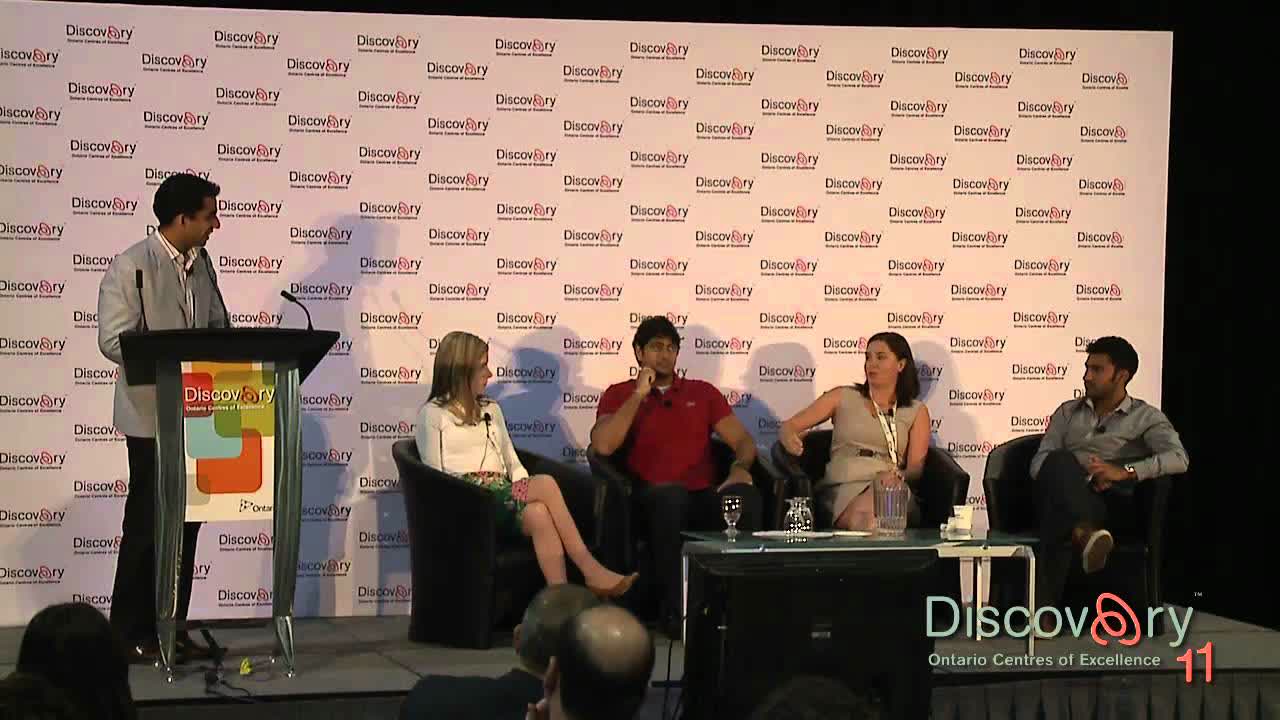
Ontario Centre of Innovation’s annual Discovery conference. Kunal moderated.

The Financial Post’s technology desk.
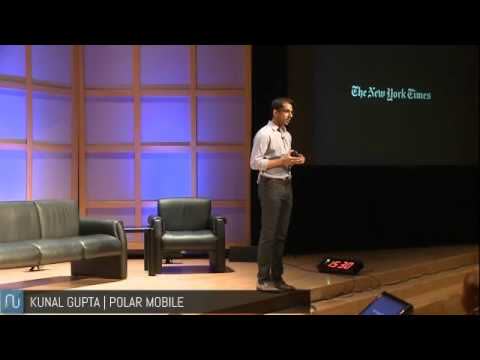
A show about the mobile industry and the people building it.
Canadian technology news for business leaders.
The national voice of Canada’s universities.
No conversations in this format yet.