AI, cognitive load and the things we no longer have to do
Chapters
Quotes
Host
Ross Dawson
Futurist, keynote speaker and founder of Humans + AI, a community and podcast on how AI can amplify human thinking.
Podcasts, talks and interviews where someone else held the microphone.
PodcastHumans + AI Futurist, keynote speaker and founder of Humans + AI, a community and podcast on how AI can amplify human thinking.
 Video podcastIn The Blink of AI
Georgie Healy hosts In The Blink of AI on the Day One network, talking to people shaping how we live with AI.
 Video podcastThe Seen
Kaia Tham’s show about people building unusual lives and companies.
 Video podcastThe Seen
Kaia Tham’s show about people building unusual lives and companies.
 TalkBetter Societies
Adrien Harrison’s Better Societies: a how-to guide for building better societies.
 Video podcastA Success of Our Own
Natalie Ruskin’s show for anyone ready to create their own authentic version of success.
 Video podcastTheStevePodcast
Conversations with the authentic unprofessionals who are changing industries.
 InterviewSander Recommends
For people thinking about moving abroad, buying property, starting a business or investing internationally.
Jon Davids talks to entrepreneurs and creators about how they made it.
 Video podcastThe Red Chair
Índico Capital Partners, a Lisbon venture firm, hosts a monthly close-up conversation in two big red chairs.
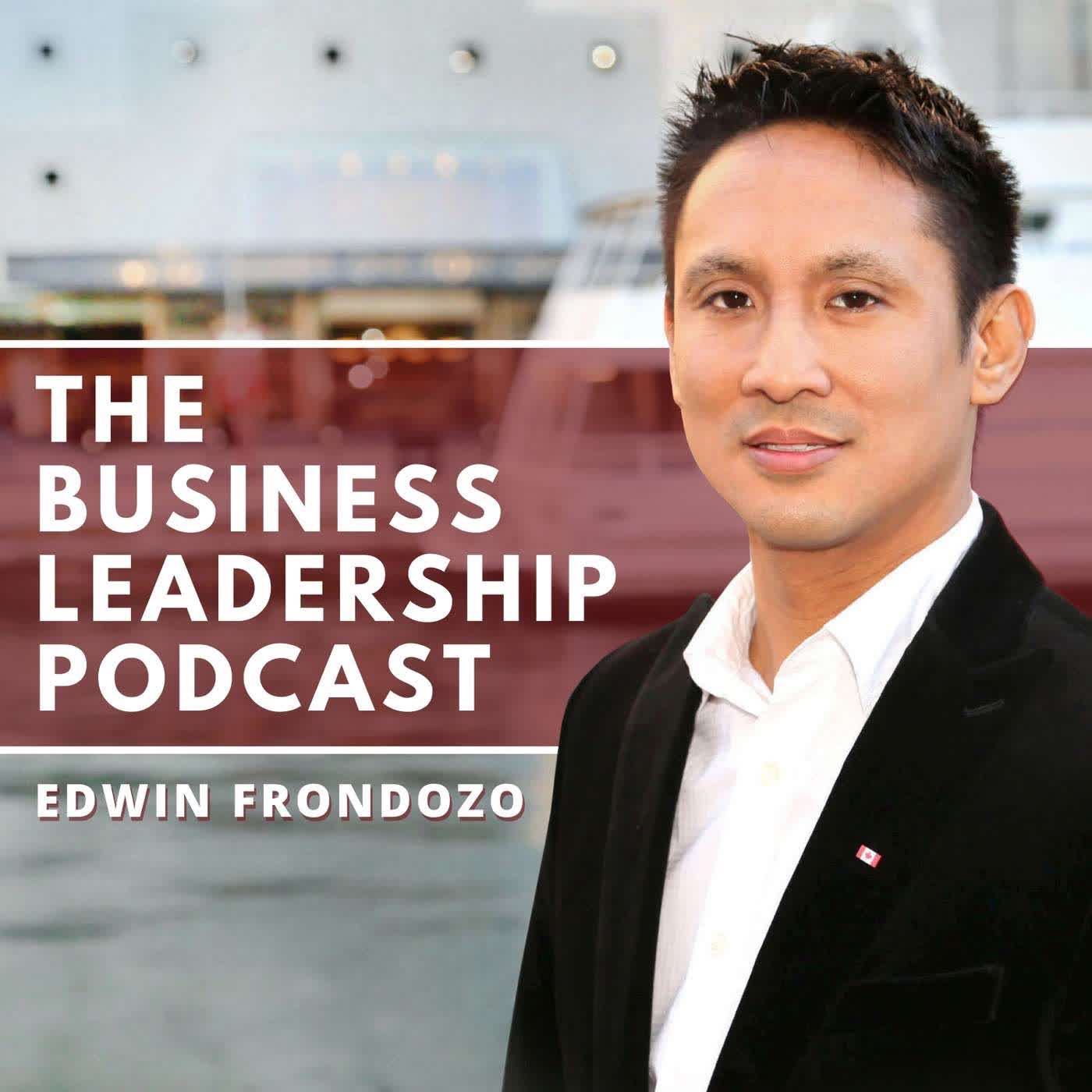 Video podcastThe Business Leadership Podcast
Edwin Frondozo interviews business leaders on how they lead and grow.
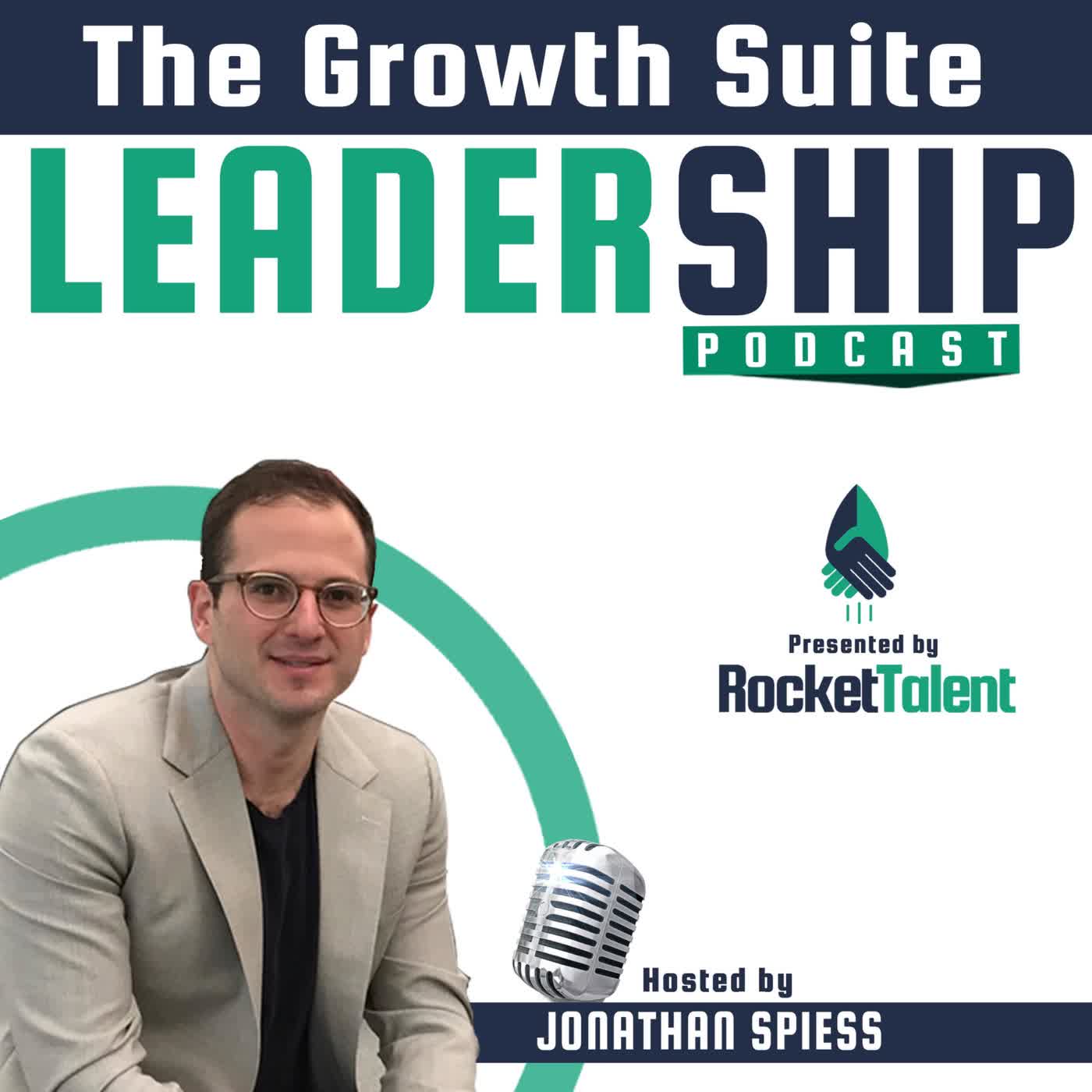 PodcastThe Growth Suite Leadership Podcast
Jonathan Spiess on leadership and building high-growth teams.
 PodcastStigma Podcast
Stephen Hays on mental health, and the people working to remove its stigma.
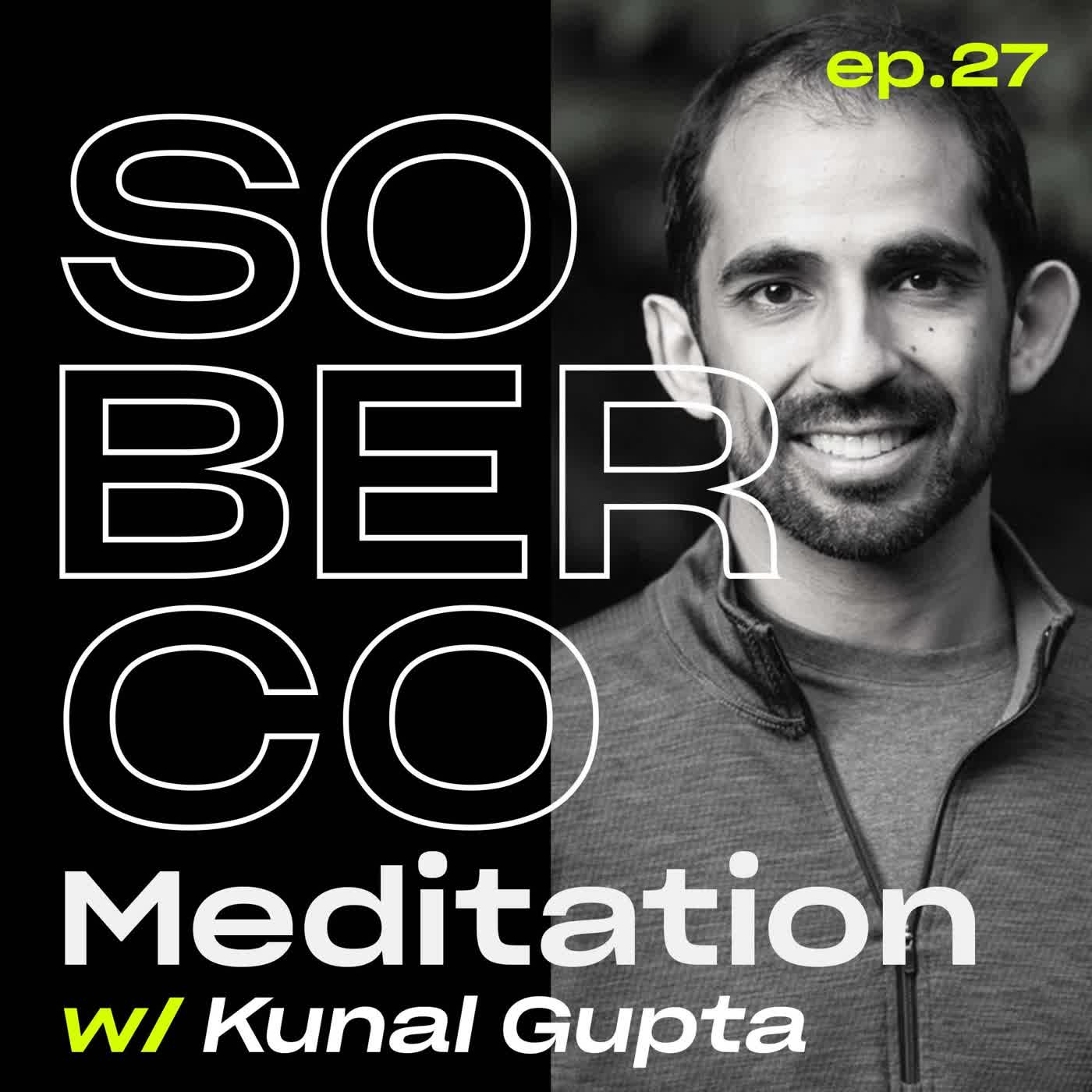 PodcastSober Company
Nik and Lacey on living alcohol-free, with guests on the habits that replace drinking.
Nik Ramachandran & Lacey Browne This is Sober Company, a podcast about modern sobriety. My name is Lacey.
Speaker 1 My name's Nick.
Nik Ramachandran & Lacey Browne And today we talk about meditation with our friend Kunal Gupta. Kunal, get ready for it, he's a multi-hyphenate. He's the CEO of Polar, a global technology company. He has a newsletter which you can go and sign up for at bykunal.com. It's, uh, it's pretty amazing and really centering, and Nick and I look forward to it every week. He has his own podcast called Year Zero, which is, you know, about after coronavirus, AC, you know, where society is headed after this huge change we've all been going through. He is the director of the Foundation for the Center for Addiction and Mental Health in Toronto. He is a mindfulness practitioner, and he leads a weekday morning meditation for all of his friends and work colleagues, and very importantly, he leads a sober lifestyle, and he does that without having identified as someone with addiction, which is pretty incredible.
Nik Ramachandran & Lacey Browne So we loved this conversation. He's an incredible guy. Kunal really walks the walk. We hope you like it.
Nik Ramachandran & Lacey Browne All right. We have Kunal with us. Hi, Kunal.
Kunal Hey there.
Nik Ramachandran & Lacey Browne Hi. Thank you so much for joining us, and you're sitting in Toronto currently, right?
Kunal I escaped New York and I am in, uh, the safe hands of Canada, the Canadian healthcare system, and, uh, in my parents' home in Toronto.
Nik Ramachandran & Lacey Browne Wonderful. Yeah. A little jealousy there. But for the people, you know, Nick and I have a meditation practice. It's, it's what helps keep us sober. But for the people out there who don't have a regular practice or may be interested in getting into it, but maybe it's a little intimidating, it can be super intimidated, intimidating, I'd love for you to kind of share the basics of it so people can understand.
Kunal Yeah, absolutely. And, and I, and I actually wish I learned the basics of it when I started because it led to me, uh, struggling a lot and getting really frustrated.
Nik Ramachandran & Lacey Browne Mm-hmm.
Kunal Uh, maybe that was part of my journey.
Nik Ramachandran & Lacey Browne Mm-hmm.
Kunal So I started to meditate five to six years ago, and I, I, I went into it thinking and expecting to be relaxed and calm and peaceful, and I learned that meditation is none of those things.
Nik Ramachandran & Lacey Browne Mm-hmm.
Kunal And if they happen, it's like by accident and a happy by-product, but it's not actually the purpose and the intention. So I, um, I'm quite good with discipline, and I used my, uh, skill of discipline to meditate every single day for 500 days.
Nik Ramachandran & Lacey Browne Wow.
Kunal Not feeling very peaceful or calm. And it was 500 days into meditating every single day, and that included doing a couple of 10-day retreats and a couple of seven-day retreats and reading dozens of books and on top of the personal practice, like, I went into it. And I, I re- I realized that meditation is not going to the spa for the mind. It's not about relaxing my mind. It's not about stopping to think. Meditation is about going to the gym, and it's about strength training for my mind. And if I take my body to the gym, I don't actually go to the gym, full disclaimer- But if I were to go to the gym, if I were to take my body to the gym, um, and let's say I was, I was hypothetically lifting weights.
Kunal Uh, while my, while my arms are lifting weights, the muscles in my body actually are under a lot of tension.
Nik Ramachandran & Lacey Browne Mm-hmm.
Kunal There's a lot of stress being placed on the muscles in that moment when weightlifting is happening. It's... And why do I do that? Well, I, I... Well, why does one do that? One would do that so that after they're done working out at the gym, their muscles, after they've had some time to rest, become stronger, and they can do things when they're not working out that, like, lift more things and be healthier and support different parts of their body. So similarly, like, w- the process of meditation actually can be very stressful and very full of agitation, very active. That's been my experience, and that's actually the sign that I'm working my mind, just the same way I'd be working my muscle at the gym. Um, so that's, that's the first thing, is meditation is not about not thinking.
Nik Ramachandran & Lacey Browne Mm-hmm.
Kunal It's about lots of thinking to be happening, just being aware of that thinking and treating it like a workout.
Nik Ramachandran & Lacey Browne Right. So how, like... When you first started, did you have a certain amount of time that you would meditate for? Did you, how did you... Did you start with a short amount of time and then lengthen it, or?
Kunal Yeah. So I started with the guided meditation apps.
Nik Ramachandran & Lacey Browne Yeah.
Kunal Just started with 10 minutes a day, and then within a few months, I was, I got a little annoyed with the guidance, um, 'cause it was, like, the only moment of the day I actually, like, would just sit, be by myself, with myself. And what I'd do is I'd set a timer for another, like I'd do a 10-minute meditation, but I set a timer for 20 minutes on my phone. So the, the guided meditation was almost like a warmup for the, the 10 minutes for me to be in silence on my own. And that combination I found to be very, very effective.
Nik Ramachandran & Lacey Browne Mm-hmm.
Kunal Uh, and then you'll notice, I mean, Nick, you, I hope you've noticed this, like, the meditations that I lead, I'm on the quieter side. Initially, I talk a lot, but then during it, like, uh, I leave lots of pauses. And the other week, I don't know if you were in that one, I did a meditation where the entire thing was in silence. Um, I'm trying to leave more and more space for silence 'cause I think that's an important part of the, the practice, and that's where we can build a lot of strength in mind.
Nik Ramachandran & Lacey Browne Right.
Speaker 1 Yeah. One thing I also notice about your meditations, too, is, like, you do a lot of work with the body as well. So I think a lot of times-
Nik Ramachandran & Lacey Browne Mm-hmm
Speaker 1 ... we focus on meditation and the thoughts and- Working with that aspect of it. But what I find really refreshing about your meditation is that you do spend a lot of time in the body, and can you talk about maybe that connection between the mind and the body?
Kunal Yeah. Yeah. So, uh, I guess spoiler alert, there's nothing magical about the body when it comes to meditation or the way I use it. It's, it's really to give us an object of focus, and one that's easy to focus on. It's much easier to focus on the body than it is on the breath.
Speaker 1 Mm.
Kunal It's much easier to focus on the breath than it is on our thoughts. It's easier to focus on our thoughts than it is on our emotions. Um, it's actually easiest to focus on our space. Like, even right now with your eyes open, you can notice the light, you can notice the sound through your ears. You can feel the floor under your feet. Um, so I haven't actually published this yet on my blog. I'm sure I will soon, although I think I've been saying that for years. Like, if I were to draw a simple, like, tree for meditation techniques, there's kinda like four categories that I've seen, studied, experienced, practiced, and, you know, s- somewhat taught. Actually, Nick, I'm curious if this, if this overlaps or aligns or even contradicts what you, what you guys probably learned in your teacher training. Um, but here it goes.
Speaker 1 Mm.
Kunal So the first category I call observation techniques. That's where mindfulness falls, and that's learning to observe reality as it is. That could be my space, that could be my body, that could be my breath. That could be my thoughts, my emotional state. So meditation I teach is, is generally an observation-based technique, and I, I find that to be very grounding because it's connected to reality. Another technique is, is, is verbalization, and that's where mantra comes in, chanting comes in, uh, transcendental meditation comes in. Um, you could say prayer is a form of verbalization. Um, you're verbalizing a thought, a saying. Uh, so I do, like, chirtan and chanting, and that falls under verbalization.
Kunal Um, and then the third category I'd say is visualization, and that's where I visualize. Uh, so like I'd, I'd put all religious figures into visualizations. Like, I'm visualizing a person, I'm visualizing an object.
Nik Ramachandran & Lacey Browne Mm-hmm.
Kunal I can also visualize an idea. I can visualize an intention.
Speaker 1 Mm.
Kunal I can, I can visualize a light in my body. I'm sure people have done both types of meditation.
Nik Ramachandran & Lacey Browne Vibe.
Kunal I can visualize energy. I can visualize breath. Like, even yoga when they like bring breath to your, like, right hamstring, you can't actually do that. And it's just, that's, that's, that's, that's a visualization thing.
Kunal You can't even actually breathe into your belly. This might be mind-blowing for everybody. Breath stays in your lungs.
Nik Ramachandran & Lacey Browne Mm.
Kunal Um, when you breathe into your belly, what's actually happening is you're breathing into your lungs. Your diaphragm is pushing your organs into your belly, and that's what makes your belly feel full.
Speaker 1 Really? Wow. You just blew my mind right now.
Kunal So they're like, "Yeah, like put your hand on your belly. Breathe into your hand."
Nik Ramachandran & Lacey Browne Yeah.
Kunal When you're still breathing into your lungs, you're just, your lungs are pushing, your diaphragm's pushing your organs into your belly.
Speaker 1 Mm.
Kunal And you're, and because you're visualizing it, you're, you're, you're activating those muscles to expand your belly, which is great, but it's a visualization technique. It's not an observation technique. And then the fourth category is contemplation, and that's, that's, um... I'd say I put journaling under contemplation.
Nik Ramachandran & Lacey Browne Mm.
Kunal Um, I definitely, like, sit and contemplate where it's like this thought is really bothering me, or I feel really inspired by this. I'm just gonna sit and contemplate it. Just gonna let myself, like, go loose on it. Um, whiteboarding could be said is a contemplation technique.
Nik Ramachandran & Lacey Browne Mm.
Kunal Um, where you take a topic. So in contemplation, there's usually, like, a focus. There's a topic. Uh, so that's my, that's my, like, guide to meditation techniques.
Nik Ramachandran & Lacey Browne Yeah.
Speaker 1 Mm.
Kunal And it, it doesn't actually matter which one you adopt. It's, they all, they all do the same thing. They all cultivate the skill of awareness.
Nik Ramachandran & Lacey Browne Great. And so, Kunal, if you could lead us into a meditation now, I think that would be a really helpful way to start out this, uh, this podcast. I think it would, uh, lead us in the right direction.
Kunal Cool. Yeah. You guys wanna meditate?
Nik Ramachandran & Lacey Browne Yeah.
Kunal Thank you for, yeah, thank you for asking. Let's, uh, let's do it.
Nik Ramachandran & Lacey Browne Okay.
Kunal So if you're list- if you're listening to this, sit, uh, sit comfortably. Sit up tall and relax your hands, relax your shoulders, relax your jaw, and relax your eyes.
Kunal Start by taking a deep inhale,
Kunal and a slow exhale.
Kunal Feel the floor under your feet,
Kunal the chair under your seat.
Kunal And visualize where you are.
Kunal And if you haven't already, bring your eyes to a close.
Kunal Notice the weight of your legs.
Kunal Feel the weight of your arms.
Kunal Notice the strength in your spine and torso.
Kunal And notice lightness in your head
Kunal Begin to quietly watch your body breathe.
Kunal Notice each inhale and each exhale.
Kunal If your mind begins to wander, know that's completely natural. You can gently bring it back to your body or to your breath.
Kunal Take a deep inhale,
Kunal and a slow exhale.
Kunal Feel your body.
Kunal Visualize where you are.
Kunal Wiggle your fingers, wiggle your toes, and just slowly open your eyes and come back to your space.
Nik Ramachandran & Lacey Browne Thank you so much, Kunal. That was wonderful. Feel like we could start every podcast that way, at least for now.
Speaker 1 Yeah, I think we should. Yeah.
Kunal You, you, you totally should. I'm like your, your trained teacher. Um, I, I, uh, that's probably like the fifth meditation I've led today.
Nik Ramachandran & Lacey Browne Oh, wow.
Kunal Um, it's the evening time that we're recording this podcast.
Nik Ramachandran & Lacey Browne Mm-hmm.
Kunal I, um, I actually start most of my meetings with a meditation. I run a company. Today I had... Let's see, in the afternoon there was a call with, um, my friends at The Washington Post who are one of our clients. Um, I just got onto the call, it was just five months faces, and I was like, "Hey, everyone, you wanna meditate?" And there was this awkward silence for a moment, and then somebody said, "Sure." And then everyone else said, "Sure." I said, "Okay, let's do it."
Kunal And then earlier in the day, I think it was at 1:00, another one of our clients, I was presenting over Zoom, probably like 30 people on the call. Uh, and they were a pretty loud bunch actually, and they're normally in sales roles. And, uh, and I intentionally offered the meditation as a way to have focus and quiet everything down a little.
Nik Ramachandran & Lacey Browne Mm.
Kunal And, uh, they were super appreciative of it, um, especially at a time like this, but, uh, in general. Uh, for the last few years actually, been starting my client meetings, team meetings, board meetings, everything with a short meditation like we just did.
Nik Ramachandran & Lacey Browne That's really great, and I think it's one of those things that people do feel awkward about. I mean, I used to work at a newspaper, and I cannot imagine- ... having meditations as part of that culture, but I would've embraced it completely. And it just takes that one person to introduce it to make it okay, to make it part of the culture.
Speaker 1 Yeah.
Nik Ramachandran & Lacey Browne You know? To normalize it, bring it into the conversation.
Kunal Mm. Yeah, and I, I find like med... Especially for, for those, uh, newer to meditation, meditating with somebody you know, and like Nick, the morning sessions I've been hosting, the live meditations for my friends, my team, my clients, um, I have a connection to everybody who's invited to those, and that actually makes a difference. 'Cause when you meditate with friends and when you meditate with a teacher or somebody that you know, then I think you become just a little more open, a little more vulnerable, a little more trusting.
Speaker 1 Mm.
Kunal And those are all ingredients that help you with your practice. Um, whereas when I first started it was... I was definitely like reserved, and I had lots of great teachers and guided apps and teachings, so it wasn't a knock on the instructors by any means. It was more on, on myself actually not being as open to it. Um, so friends help with the openness.
Nik Ramachandran & Lacey Browne The vulnerability.
Speaker 1 Mm.
Nik Ramachandran & Lacey Browne Yeah. How did you-- What led you to becoming interested in it?
Kunal I think meditation is a tool, and it's a tool to build a skill that I call awareness. So I think there are a lot of skills that we learn, whether it's learning a language or driving a car or cooking a meal or programming language or whatever it may be, um, and they're all very like activity or domain or function specific. But if we think of awareness as a skill on, on its own, it's something that is applied and can be applied to like every domain and every function. So that cuts across everything, and that's why I'm like obsessed with this idea of awareness. I made it one of our company values like five years ago when I started down this, this path. Uh, so meditation is like a tool that helps build the skill of awareness, right?
Kunal Awareness is, is kind of my obsession.
Nik Ramachandran & Lacey Browne And what is, what is so important about awareness to you? What does awareness bring you or give you?
Kunal It helps me navigate life with the lights on, and I realized that before I was going through life with the lights off.
Nik Ramachandran & Lacey Browne Mm-hmm.
Kunal And once the light turns on- Um, you see-- I start to see things about myself. I start to see things in the world that I, I wasn't aware of, I didn't see before. And then that, that's had a profound impact on the choices that I, that I make in life. Um, I mean, if the light is on and I can see more, I'm gonna make different/better-
Nik Ramachandran & Lacey Browne Yeah
Kunal ... um, decisions. So there's one of them, which I'm sure we'll get into.
Nik Ramachandran & Lacey Browne Yeah.
Kunal But, uh, meditation or awareness has just allowed me to see things more clearly. And what I see isn't always pleasant. Like, I, I, I say all the time, awareness does not discriminate.
Nik Ramachandran & Lacey Browne Mm-hmm.
Kunal I become aware of the things that are beautiful and pleasant, and then I also become more aware of the things that are ugly and really unpleasant.
Nik Ramachandran & Lacey Browne I was gonna say, could you give us an example of maybe a couple of things recently that... 'Cause there's also noticing the noticing, right? That's another skill in terms of awareness.
Kunal Hmm.
Nik Ramachandran & Lacey Browne But is there something that comes to mind recently that would serve as a good example that maybe you wouldn't have been as aware of if you didn't have this skill?
Kunal Yeah. Tons. Tons. Um, I mean, I think we're, we're in this, like a month into lockdown during this global health pandemic. Uh, there are these valleys that I feel I've been going through, and I think others have as well. Um, and awareness has helped me, like, become aware of that and, and navigate. Like, the first one was, like, four weeks ago. I left New York, uh, and at the... Without any of us choosing, like, everything changed in terms of the lifestyle, the environment, a lot of chaos, a lot of uncertainty, a lot of unknown. And that, that actually got me to a pretty kind of low state energetically, emotionally. I had trouble sleeping, um, for, like, four or five nights in a row. Found myself waking up feeling stressed and anxious. I was, like, meditating extra, and still, like, all of these, um, feelings were coming up.
Kunal Uh, and then I just continued to, like, journal and meditate and yoga and all my practices while making sense of this new reality that I was in. And then realized that, okay, my team is okay, my family is okay, my friends are okay. Like, things are different, but things are okay. And that's how I got out of the first valley. But then I fell into this, like, second valley when I realized that I'm okay, but the world is not okay.
Nik Ramachandran & Lacey Browne Right.
Kunal And that led to feelings of helplessness and feelings of, of concern. And what got me out of that second valley, which sometimes I still slip back into, I've noticed. What got me out of the second valley is finding hope and finding inspiration really for the future of humanity.
Nik Ramachandran & Lacey Browne Mm-hmm.
Kunal Realizing that a lot of suffering is happening in the world, but a lot of change is happening, and it's, um, there's space being created to, to make some really fundamental changes that I think could put, like, humanity on a different course.
Nik Ramachandran & Lacey Browne Mm-hmm.
Kunal That's a very big statement, and that's really been a source of hope for me personally that's helped lift me out of this, this second valley. Um, and I'm sure there's more valleys to come. I'm kind of feeling still a little bumpy, as I'm sure we all are. But I'd say, like, yeah, the, the, the tools, um, that build awareness have helped me just ride this, ride this time with my eyes open. With my eyes fully open.
Nik Ramachandran & Lacey Browne Yeah. It's beautifully put.
Speaker 1 I think it's really interesting the way that you talk about meditation, 'cause it's very of the world, and you're, like, an active participant in the world. But I think, at least, you know, I'll speak for myself. When I first, like, started meditating, I always pictured, like, a monk out of society up in a mountain somewhere, a very, like, personal practice. And even for myself, it started kind of as that personal practice. Um, is that how you got started with meditation, or was it always this thing that, um, you know, as you're describing, it was part of your business, you as an entrepreneur? Like, how did you first get started with this practice?
Kunal Yeah. No. And I guess you asked part of this as well before, and I didn't fully answer. So it's about five and a half, actually almost six years ago now. And, you know, born and raised in Canada and, you know, very fortunate to be well supported, uh, from my family and, um, Canada's a great place to grow up. Um, healthcare, education, you know, those basic things-
Nik Ramachandran & Lacey Browne Yeah
Kunal ... we get them for free. Um, and the quality is very good. So I, uh, went to a good school and had lots of opportunities, and I, I started a business right out of school, and that was 12 years ago. Um, business, lots of ups and downs, as, as you'd expect. Uh, the technology-- It's a technology business. Um, and when you start a business, there's always something wrong with the business. It's either... I, I, I... In meditation, I contemplated this a few years ago, and I, I, I summed it down to four things. You either have, like, a people issue, you have a cash issue, you have a product or service issue, or there's a customer or market issue.
Kunal One of those four things is always wrong in a business. And there could be two things wrong. That means you're probably feeling a little stressed. If there are three things wrong, then you're, you're gonna be going out of business very soon. And if there's four things wrong, then you don't have a business. And it's this game of, like, spinning plates. And I, I fooled myself. I fooled myself into thinking, "Okay, yeah, yeah, once I solve this cash issue by raising some money, then it'll be good. Uh, once I solve this people issue by hiring for these roles, then it'll be good. Once I solve this product issue by, like, reprioritizing what we build and how we work on it, it'll be good." And I spent, like, seven years continually, like, jumping between all of these issues. And it's fun. I mean, it's something to do, and it's problem-solving and challenging and productive. And so that keeps me engaged.
Kunal So, like, five and a half, six years ago, I got to this point where it was just one day. I walked into my office in ch- I was in Toronto at the time, and I just sat down at my desk. Uh, it was in August 2014. I remember, like, the day vividly. And I just went through this mental list in my head, and then I realized for the first time in my business life, nothing was broken.
Nik Ramachandran & Lacey Browne Oh.
Kunal Everything was working.
Nik Ramachandran & Lacey Browne Wow.
Kunal So the business was profitable. We had cash. Uh, a customer hadn't left us in a year. Uh, nobody on my team had left in 18 months. The product actually works. Um, everything was working. And I was like, "Oh." And I felt this, like, boredom. I was like, "I actually don't know what to do." And then my, yeah, then my attention focused on my personal life. And I was... I had a very nice lifestyle. Um, I was in a, a serious relationship. We were living together. Had a fancy car. My sister lived a 10-minute walk away, my parents a 20-minute drive away. I had a trainer, uh, active social life. You know, I was drinking a lot, partying a lot, uh, relatively responsibly, traveling, taking vacations. Like, anything I said that was important to me at that stage in my life, I had it, uh, thanks to a lot of hard work, a lot of support, and a bunch of luck.
Kunal So I was, like, going through this, like, professional and personal checklist in my mind that morning, sitting at my desk realizing there's actually nothing I want in my personal life. It's not there. And then there was this big pause, and I realized, "Whoa, I think I've made it. I think I got to the top of this mountain that I've been climbing. I think I crossed the finish line of this race that I've been running." Then there was a longer pause, and then I realized I didn't feel any different. And I expected to. I expected to feel happy. I expected to feel successful. I expected to feel satisfied and accomplished. So it's like I crossed the finish line, and I'm looking around, and none of those feelings that I expected are sitting there.
Nik Ramachandran & Lacey Browne Hmm.
Kunal And that was the moment that I, that I turned inwards. And I didn't realize it, but that was the moment for me that everything changed, in that, uh, at that moment there was this, at a deep level, this, this, like, rejection of the values and beliefs that I had followed and practiced to get to that point in my life. And this, this questioning started, saying, like, "Do I still think and believe that to be true?" 'Cause I'd inherited all... Like, we inherit all these values and beliefs from society, culture, teachers, religion, parents. And that was the moment where I, I opened my eyes. And then I started to discover meditation and mindfulness practices like yoga and journaling. I started to read different types of books and started to go on some retreats in the month that followed.
Kunal Uh, and then everything changed. Um, just stopped my drinking probably, like, four or five months after that.
Nik Ramachandran & Lacey Browne Hmm.
Kunal My relationship with money changed. My relationship with stuff changed. Um, the relationship I was in, like, ended and changed. Uh, actually pretty much, like, everything in my life changed.
Nik Ramachandran & Lacey Browne Wow. That's a crazy story. That story is insane. It's ac- Well, I guess it's interesting just, you know, just comparing it to my story and Lacey as well. Like, 'cause we came to it... Like, there was still suffering, but in our cases, the suffering was very apparent because of addiction and this thing that we couldn't, we couldn't, like, actually get over. But in your story too, it sou- you had everything that you wanted, and there's still that kind of, like, suffering as well when you get it, so. Yeah.
Kunal Totally. I mean, it's a, it's an addiction at a, at a meta level, right?
Nik Ramachandran & Lacey Browne Yeah.
Kunal Of, like, more of everything.
Nik Ramachandran & Lacey Browne Yeah.
Kunal And then getting it, and then not feeling it, and then kinda hitting a point where it's like, "Aha, I don't, I don't think this is it."
Nik Ramachandran & Lacey Browne Yeah, that makes a lot of sense to me. I think, I think, you know, I think we've talked about this amongst ourselves of, I think getting sober is kind of taking the quote unquote red pill. I use the Matrix analogy a lot. But, and s- and mindfulness is too. It's choosing to see reality. And like you said, whether that is, that means a lot of beauty and it also means a lot of ugliness and hurt and pain as well. And being able to choose that over and over again, as opposed to, you know, doing something that will take you away from that pain. So yeah, I think you're one of the people, uh, Nick and I talk about this, not, like, in a gossipy way. But we'll both notice it where it's evident when someone's practi- It's, it's very evident when someone's practice is part of their life fully, and you're one of those people where having a conversation with you, you're fully present.
Nik Ramachandran & Lacey Browne You're taking your time. You're thinking about things. It's very clear. Your practice just shows up, like, on your face.
Kunal Yeah, totally. I remember, like, the first time I met you, I was like, "Who is this guy?" You know what I mean? Like, it's so rare to meet people who are, like, so present with you. You know what I mean? Yeah.
Kunal Well, uh, there's, there's the common Ram Dass quote, "If you think you're enlightened, go live with your parents for a week."
Nik Ramachandran & Lacey Browne Right.
Kunal I've been, uh, I've been living with my parents for four weeks now, and I know I'm not anywhere close to being enlightened.
Nik Ramachandran & Lacey Browne There's a, there's a reason I'm sitting in the Bronx at night.
Kunal There's a...
Kunal So I wanted to ask you actually, 'cause you brought up sobriety as something that you started practicing as part of your mindfulness practice almost.
Speaker 1 Like, how did that come up with you? How did you make that decision? 'Cause I know a lot of people who practice meditation mindfulness, and they still drink or do drugs and als- actually, in the wellness industry, there's a lot of psychedelics and substances-
Nik Ramachandran & Lacey Browne Cannabis
Speaker 1 ... that are being used in that way, you know? So I'm just curious as to why you chose sobriety.
Kunal Yeah. Yeah, we can-- And we've, we've talked a bit about that. So I've asked, I've asked-- I challenged you guys with the question of sobriety, you know, in relation to alcohol or to other, you know, substances and drugs as well.
Nik Ramachandran & Lacey Browne Mm-hmm. Mm-hmm.
Speaker 1 Mm-hmm.
Kunal Um, I'm happy to, like, we can come back to the, the drugs and, um, psychedelics piece. I'll speak about alcohol-
Nik Ramachandran & Lacey Browne Okay
Kunal ... my relationship to it. I would say, um, over the years, it's been like a social relationship. I mean, the business I run is in the advertising industry, and it'd be very common for me for years, probably my early to mid-20s, to have a few drinks after work every single day of the week with people on my team or with clients or with friends. And that was like a lifestyle. And, um, I had enough financial means where I didn't have to think about that at all. And, um, my body actually was the first thing to, to give in more than first-- more than my mind or my emotions, uh, was my body. It was only like four months after I-- that moment I explained, um, where I turned inwards. I was at my, uh, close friend's wedding, and I had, I had, I'd reduced my drinking quite a bit to maybe, like, every few weeks from before I was probably every few days, and before that was every day.
Kunal So sort of like every few weeks, and my body was already starting to, like, say, like, "I don't really like this."
Nik Ramachandran & Lacey Browne Mm-hmm.
Kunal And I was too consumed with, like, reading and meditating to be going out after work anyways.
Nik Ramachandran & Lacey Browne Yeah.
Kunal So those choices changed. So my lifestyle changed, so my interests changed. Um, but then after this, in this wedding, and I was like, I was the best man, I was very involved with organizing it, and it was a multi-day Indian wedding. And the last night was the reception and kind of my duties were done. I might have had like two or three drinks. That was my first time having, uh, something to drink probably in a few weeks. And the next morning I woke up. It was in California. I was in a hotel. And I just remember feeling my stomach and feeling my head. And then that's where my mind kicked in. My mind said, "You're done." Like, I'm done feeling this way physically.
Speaker 1 Mm-hmm.
Kunal I'm done showing this way mentally. That was the last time I had something to drink. That was five plus, five and a half years ago.
Nik Ramachandran & Lacey Browne Wow.
Speaker 1 Wow.
Nik Ramachandran & Lacey Browne Yeah, and I think do you-- did you start piecing together the mindfulness piece and sobriety after that, or were you already contemplating that part of it before you got into... You know, uh, 'cause you-- obviously a physical, a physical reaction is what really inspired the change. But, I think, you know-
Kunal Yep
Nik Ramachandran & Lacey Browne ... it's, it-- one of the tenets, um, of Buddhism is to not take any substances that alter your mindfulness, and alcohol is clearly one of those substances that would do that.
Kunal Mm-hmm.
Nik Ramachandran & Lacey Browne But a lot of people who identify with-- as a Buddhist or who practice mindfulness are like, "Yeah, yeah." It's like, it's like a lot of Catholics who have sex before marriage, even though that's technically a rule. You know, it's one that people overlook a lot. So were you already thinking about that part of it, of sobriety?
Kunal I don't think I was-- I don't think it was consciously.
Nik Ramachandran & Lacey Browne Mm-hmm.
Kunal It, it was, it was definitely happening from a lifestyle choice standpoint and the company I was keeping and the people I was, like, gravitating towards that, you know, alcohol wasn't part of the, the social fabric of our connections and communities, where previously it, it definitely was.
Nik Ramachandran & Lacey Browne Mm-hmm.
Kunal But I will say, like, the, the physical reaction was my-- that was the tipping point, but I wouldn't say that was, like, the only inspiration. That's what, like, cross-- took me over the edge, was my listening to my body. But there's clearly other things as well. A teacher actually had explained this, um, probably I, I discovered it a few years later, but I, I really connect with it. And that's if, if you just on visual-- I'll take you down a quick visualization. So it's like I had a whiteboard, I have a whiteboard this year.
Nik Ramachandran & Lacey Browne Mm-hmm.
Kunal Uh, and this is, there's a lot of Buddhism in this, in this framework. So if you draw a circle, you know, in, in, in your mind and in the middle of it put suffering, and that's the default state for humanity. So the state of suffering, and that's a very Buddhist view.
Nik Ramachandran & Lacey Browne Mm-hmm.
Kunal And then to the left of it, you can draw another circle, and in it, you can write ignorance. And then from the suffering circle to the ignorance circle, you can put an arrow. And it's a one-way arrow. And what takes us to that state of ignorance are things like alcohol, drugs, Netflix, Instagram, shopping.
Nik Ramachandran & Lacey Browne Mm-hmm.
Kunal Uh, there are a lot of things that can take us from a state of suffering once we become aware of I am suffering to, okay, I wanna ignore with my own suffering.
Speaker 1 Mm-hmm.
Kunal And all of these things help me ignore my own suffering. Um, we all know that these are all temporary.
Nik Ramachandran & Lacey Browne Right.
Kunal So you can draw another arrow back from ignorance to suffering, and that's a loop. And then, uh, it's very easy to get stuck in this loop where we keep going in circles, and the hit has to keep getting bigger and bigger and bigger and bigger.
Nik Ramachandran & Lacey Browne Mm-hmm.
Kunal I'm suffering. I need to take a bigger hit to get to a state of ignorance. I end up back at a state of suffering, and then I-I'm kinda stuck there. So that's, that's kind of, that's one mode. And then on the same visualization of the right of the s-s-circle of suffering, you can put a circle and you can call it happiness or contentness or peace. And then you can just draw a straight arrow from suffering to the happiness circle. And that's the path of awareness. And I'm like somewhere halfway maybe between suffering and happiness. Inside the happiness circle. Um, self, self-declared. And- And once, once I started to cultivate a quality of awareness in my own being, I started to, like, see glimpses of peace, experience moments of feeling content, like in a very inner way, not a pleasure sense way, but an inner way.
Kunal And I realized that, like, life is beautiful, and life can be beautiful if I open my eyes.
Nik Ramachandran & Lacey Browne Mm-hmm.
Kunal And once I start to see that beauty, then I have zero interest whatsoever to be in a state of ignorance.
Nik Ramachandran & Lacey Browne Mm.
Kunal 'Cause that takes me away from this, this path. And, like, this, this path from a circle of suffering to happiness, it's just a one-way, it's a one-way path. There's no, there's no turning back. That's why, like, the choices that I've, that I've made, um, I was able to make them with, like, such conviction. There's, like, no doubt.
Nik Ramachandran & Lacey Browne Mm-hmm.
Speaker 1 Mm.
Kunal And I'm sure we'll get into this, right? Like, you know, I'm in lots of situations that have alcohol, that have other things that I've chosen not to do. Um, even things like Instagram.
Nik Ramachandran & Lacey Browne Right.
Kunal And
Nik Ramachandran & Lacey Browne It's one of my problems. Yeah.
Kunal I have-
Nik Ramachandran & Lacey Browne Yeah.
Kunal I have, I've, I've, I've so much conviction. I have, like, no doubt in my mind of me, like, slipping or falling prey to those, 'cause, like, I have no interest to be in a state of ignorance.
Nik Ramachandran & Lacey Browne Mm-hmm.
Kunal I want to be in a state of awareness. Um, and that's, that's a one-way path.
Nik Ramachandran & Lacey Browne So what do you do... There's multiple things I wanna touch on, but what do you do... So this is my problem currently, and maybe you can help me with it. But i- I'm not having that problem so much right now in the current state we're in, but when I'm go to the office and I'm dealing with whatever all day, and then I come home, I want to numb out. And of course, I'm not using any substances to do that now, so I Netflix-
Kunal Yeah
Nik Ramachandran & Lacey Browne ... for a couple hours. And Nick, it's true that I shouldn't be too hard on myself about that, but I also would like to use that time more efficiently, and, like, learn during that time, or, you know, I could be drawing, or painting, or reading, or, you know, something that could be pleasurable but not numbing. How do you... Like, when you're feel- Do you just sit through that feeling of discomfort, of wanting to numb out, and choose not to? Or what do you do in those moments?
Kunal Yeah. That's a, that's a great, that's a great question. So I, I, I definitely know from my own experience that there, there is value in, in, in, in having a distraction-
Nik Ramachandran & Lacey Browne Yeah
Kunal ... because it actually does give the mind, uh, rest. It does give the mind a break. Just like, like your body can't be at the gym all day long- ... it needs a break.
Nik Ramachandran & Lacey Browne Mm-hmm.
Kunal Uh, the mind can't be at the, quote-unquote, "gym," which is hard working in knowledge-based field, which most of us are in.
Nik Ramachandran & Lacey Browne Mm-hmm.
Kunal Um, using our minds versus our bodies to create value and productivity. Conversation, like we're doing right now. Uh, even meditation. Like, meditation is very strenuous on the mind. It's not relaxing.
Nik Ramachandran & Lacey Browne Mm-hmm.
Kunal You know, we can get into that too if you want, but like, meditation is working out the mind. It's not taking the mind to a spa.
Nik Ramachandran & Lacey Browne Mm-hmm.
Kunal It's taking the mind to a gym. Actually, I'll pull it up on my phone. So at the start of this lockdown a month ago, I made a list of practices for myself. You're some of the first people I'm sharing this list with. And I just made this, like... It's like a menu, actually. It's like a mindful menu for myself.
Nik Ramachandran & Lacey Browne Nice.
Kunal So the list of practices has meditation, uh, pranayama, which is breathwork, the yoga philosophy. Asana, which is, which is yoga-
Nik Ramachandran & Lacey Browne Mm
Kunal ... for, for the body. Uh, strength training. Now, strength training means, like, it's, it's very lightweight strength training. Using my body weight, to be very clear. Um, walking, uh, journaling, reading, uh, mantra, which is like chanting meditation. Uh, dance. Uh, there's been no shortage of virtual dance parties available
Kunal Kirtan, which is part of the yoga philosophy. It's, it's, it's chanting an instrument. It's like, it's the music of yoga.
Nik Ramachandran & Lacey Browne Mm.
Kunal But it's, uh, like if you think of Krishna Das, if you've heard Krishna Das, that's kirtan.
Nik Ramachandran & Lacey Browne Okay.
Kunal Uh, that's... But it's, it's, it's really about the emotional state. It's not really about the singing or the instrument. Um, uh, crying is one of my practices.
Nik Ramachandran & Lacey Browne Mm.
Kunal And then sleeping as an intentional practice as well. Um, so that's, that's my list of... That's my menu.
Nik Ramachandran & Lacey Browne That's wonderful.
Kunal Um, you don't see Instagram or Netflix on it.
Nik Ramachandran & Lacey Browne Yeah.
Kunal I, I have a, I have a different issue that's actually prevented me from, from, like, watching, because I'm with my parents, and we watch a... They pretty much watch a movie every single night. And I've actually wanted to watch a movie, more to just hang out with them-
Nik Ramachandran & Lacey Browne Mm-hmm
Kunal ... than even watching the movie. But I think in the 30 opportunities I've had in the last month, I've, I think, watched one or two movies with them. Uh, and I don't think I finished either, either of them. I got up and left. Uh, and the reason is I, yeah, I struggle. I, I, I struggle with, or have felt I've been struggling in the last month with actually, you're gonna sound funny, calming down.
Nik Ramachandran & Lacey Browne Mm.
Kunal Uh, I've struggled with pausing, um, from, and I've struggled with, like, choosing to be versus always choosing to do.
Nik Ramachandran & Lacey Browne Yeah. I have problems with that as well.
Speaker 1 Yeah. It's actually, I wanna g- give a plug for your, uh, blog, Kunal, FindFocus.today, 'cause you actually just-
Nik Ramachandran & Lacey Browne Yeah
Speaker 1 ... published an article about this very issue. And I think Lacey and I talk about this a lot. Maybe it's a New York thing. I just feel like you just are always on. If you're not doing something, like, what are you doing? You know?
Nik Ramachandran & Lacey Browne It's your, like, where your self-worth is tied.
Speaker 1 Yeah. And especially-
Kunal It's, um-
Speaker 1 ... you, you, you as a person-
Kunal Yeah. Well-
Speaker 1 ... as an entrepreneur, and, like, everything that you're doing, and everything that you accomplish, um, a, the practices that you just described are all- I could see it as taking that pause as a very difficult thing to do, 'cause you think, like, "What am I doing? What am I accomplishing here," right?
Kunal Yeah. Yeah, and like, like yesterday, I'll share with you, yesterday, I, I found myself quite, like frustrated throughout the day, and, like, that's the issue with awareness is you're, like, aware of your frustration as it's happening.
Kunal Um, doesn't make it become more frustrating because you're frustrated.
Nik Ramachandran & Lacey Browne Mm-hmm.
Kunal But I just like, I, I, I, I was choosing to feel frustrated about just normal things happening in the business, with my parents, with my body, in my mind, with friends. I just like, I chose to interpret everything with a slight, like, negativity bias-
Nik Ramachandran & Lacey Browne Mm
Kunal ... versus positivity bias. And then, um, I was having dinner with my parents, and, uh, anyway, I do feel for my parents. Um, like, they're the teenagers right now. Like, I'm the one, like, grounding them and, like, uh, giving them some, like, feedback and input.
Nik Ramachandran & Lacey Browne Uh-huh.
Kunal Um, and then it's sometimes on, on, on food choices and health choices, and they've become, like, super healthy. Uh, but they do have, like, their own health issues that I, I try to remind them of.
Nik Ramachandran & Lacey Browne Right.
Kunal And I was, I was, um, I think I just expressed some of my frustration last night over dinner. Um, and I was aware of that, and I said, like, "I'm just feeling really frustrated today. It's not you guys. Don't worry." Um, we had dinner. It was pretty, like, we were all pretty, like, quiet. It, it wasn't actually quite pleasant. Um, maybe they saw that I was self-aware enough, so they weren't trying to, like, fix me or, like, tell me what to do.
Speaker 1 Yeah.
Kunal Um, they just kind of gave me space, actually, which was probably the best thing I needed. But then after dinner instead of, like, hanging out with them more, I just like, "Just need some space." So I, I went upstairs, and then I just started playing some kirtan. Um, like the Bhakti Center's been live streaming a kirtan every night at 8:00 PM. So I just sat down on a cushion. I was just playing that and singing along with their guided kirtan for, like, half an hour. Within, like, five minutes, I started to cry. And clearly there was, like, emotion for the day-
Nik Ramachandran & Lacey Browne Mm
Kunal ... just, like, there, and then there's a release. When I started to sing, I started to sing louder, and a smile started to show up on my face for the first time in the day. And then I felt like a 180 in my state. So like, within that half an hour practice, my state just changed to one of lightness, to one of positivity. And then I went downstairs and, um, like hugged each of my parents and just said, like, "Thank you for the space. I feel very different now. Everything changes." And they're like, "Great." And then we just, like, hung out a bit as I went to sleep early. Um, so as an example of using the practice-
Nik Ramachandran & Lacey Browne Mm-hmm.
Speaker 1 Mm
Kunal ... to, it's like a menu. It's like a prescription, right?
Nik Ramachandran & Lacey Browne Mm-hmm.
Speaker 1 Mm.
Kunal Awareness is like a, like a self-doctor. It's like, "Ah, like, I'm feeling emotionally charged right now. I just, like, snapped at my parents for, like, having an extra serving of food."
Nik Ramachandran & Lacey Browne Mm.
Kunal And, uh, the prescription was take some space and go, like, sing and cry.
Nik Ramachandran & Lacey Browne Yeah.
Kunal Uh, and then did that, and then, like, I saw a state change, like, very quickly.
Nik Ramachandran & Lacey Browne Yeah, and I, I love that crying is on your list of, on your menu. I mean, I, I, you know, I- it's hard for me, even as a gender that's, it's more acceptable to show emotion, um, it's still hard for me to allow for those emotions to come up. And I think, I mean, Nick has seen me cry a bunch, so he would probably disagree with this. But- ... throughout the day, like, just, like, what you're talking about, like, those moments where I feel it welling up, I can sometimes just be like, "No," 'cause I- it- I'm scared that it's not gonna end-
Kunal Oh
Nik Ramachandran & Lacey Browne ... or I don't know what's gonna happen with it. But you're right. It's, it's usually just a release. And I think-
Speaker 1 Hmm.
Kunal But don't you feel so good afterwards?
Nik Ramachandran & Lacey Browne Yeah.
Speaker 1 Yeah.
Nik Ramachandran & Lacey Browne Yeah. You're right. It does feel... And it also feels like I took care of myself. Like I, I consciously allowed myself that moment. I was kind of, like, kind to myself by allowing myself to feel those emotions. Um, so yeah. It's, it's, it's-
Kunal Having a crying practice is very helpful, and what I mean by that is tools. Like, especially, like, you know, spending a lot of time in New York, we can easily believe that we need to do everything on our own. We need to be independent. I've become so dependent on so many tools. And, like, my crying tools are, uh, probably three. One is... Actually, I could think of a lot more now.
Nik Ramachandran & Lacey Browne Hmm.
Kunal Uh, there's certain, like, yoga poses, especially anything to do with, like, the hips, and there's science behind that-
Nik Ramachandran & Lacey Browne Right. Right
Kunal ... that, that, that is a trigger. Um, there are a couple of, like, bhajans or kirtan songs that I've just associated in my mind. Maybe I heard them when I had an emotional release, that association was made.
Nik Ramachandran & Lacey Browne Mm-hmm.
Kunal Um, certain, like, people in my life, and that includes, like, my sister. I'll associate very specific things that have happened in their lives that, that were sad-
Nik Ramachandran & Lacey Browne Mm
Kunal ... um, or that really touched me. Uh, but then also, like, moments of inspiration and hope and ideas, whether they're grounded or not, just things that, like, get me lifted or that I think that are beautiful.
Nik Ramachandran & Lacey Browne Mm.
Kunal Um, so it's, anyway, I just share that as, like, a menu of crying triggers.
Nik Ramachandran & Lacey Browne Yeah.
Kunal And so not be shy to, to just pull them out, saying like, "I need a, I need a, I need something. I need an aid right now." Like, aids and tools are very helpful.
Nik Ramachandran & Lacey Browne Yeah.
Kunal Like yoga, it's like a yoga block.
Nik Ramachandran & Lacey Browne Yeah.
Speaker 1 Yeah.
Kunal Um, when I did my yoga teacher training, that's when I learned that yoga blocks, our culture teaches us that if you're good at yoga, you don't need a yoga block. Uh, my teacher training taught me that, uh, to be good at yoga, you actually do need yoga blocks.
Nik Ramachandran & Lacey Browne Mm.
Speaker 1 Ah.
Nik Ramachandran & Lacey Browne Right. Yeah, that makes a lot of sense. I can think of some of my crying triggers. Nick, can you think of any?
Speaker 1 Well, I'm thinking of the last time I cried, which was fairly recently. It was, like, right when coronavirus, like, broke out and we, like, started working from home, and I was just like, "I don't know what's going on."
Nik Ramachandran & Lacey Browne Yeah.
Speaker 1 And I was... Well, I was watching the Netflix. I was watching The Office, like numbing out, you know?
Nik Ramachandran & Lacey Browne Mm.
Speaker 1 And then, yeah, I don't know, something about that show and, like, what was going on with, like, Jim and Pam, and I just started, like, crying. And it wasn't, like, because of Jim and Pam. It's because of whatever was going on with me, but that was kind of like- ... the trigger for it. But-
Nik Ramachandran & Lacey Browne Trigger then. Yeah.
Speaker 1 Yeah, no, it totally triggered it. But I really like, like, the way, like, Kunal, you're putting these practices, and even, like, going back, like, to the, to that kind of diagram that you said about ignorance, awareness, and happiness. Thinking about, like, being intentional about it as a practice instead of being more on the ignorant side-
Nik Ramachandran & Lacey Browne Mm-hmm
Speaker 1 ... and kinda numbing out and that stuff coming out, just coming out because it needs to come out, versus, like, bringing that intentionality of it, which is much more on the other side towards, like, the happiness side that you were describing.
Nik Ramachandran & Lacey Browne Mm-hmm.
Speaker 1 So yeah-
Kunal We get-
Speaker 1 That's pretty mind-blowing. Yeah.
Kunal We get, we get, we, we get one life to live that we're aware of in, in our current life form of consciousness, and, and a, a, a really full life is one filled with awareness, where I'm awake-
Nik Ramachandran & Lacey Browne Mm
Kunal ... and I'm intentional and I'm choosing. There's so many opportunities to be f- for our bodies to be, like... And I know this is not about death, but, like, I, I've thought about, I've reflected a lot on death. And unfortunately, we're in this moment in time where we're witnessing a lot of it around us-
Nik Ramachandran & Lacey Browne Mm-hmm
Kunal ... unprompted, uh, and uncalled for, and some of it, many of us believe to be preventable, could have been preventable.
Nik Ramachandran & Lacey Browne Mm-hmm.
Kunal So we hope to minimize it, and that's why we're all, like, staying in lockdown. It's not because we wanna be in lockdown. It's 'cause we wanna minimize, like, death and suffering in the world.
Nik Ramachandran & Lacey Browne Mm.
Kunal Um, but the death that we, that we, that we see, that we hear about, that we mourn, is death of the physical form and the body. And obviously, our bodies have a natural lifespan, and, like, premature death is really sad when, uh, the body dies or organs fail or cause the body to die ahead of its lifespan, what it's capable of living. So what we don't mourn, what we don't talk about, what we don't witness is the body's alive, but, like, the mind and the heart are dead.
Speaker 1 Mm.
Kunal And, like, that's a really sad thing.
Speaker 1 Mm-hmm.
Kunal And, and that's something we can actually also prevent, and that's something we can also change. Like, just like we're locking down and, and taking precautions to prevent, like, harm and suffering to our body, this comes back to sobriety. For me, it's, it's actually, that was, that was causing, like, harm. That was causing me to, to be dead, actually, in my mind-
Nik Ramachandran & Lacey Browne Yeah
Kunal ... uh, and not connected to reality.
Nik Ramachandran & Lacey Browne For sure. I think you ... We both can identify with that. Zach?
Kunal Like, meditation is like the ventilator of, like, what a ventilator is to a body right now in the middle of COVID-19-
Nik Ramachandran & Lacey Browne Mm-hmm
Speaker 1 Mm
Kunal ... that's what meditation is to the mind.
Nik Ramachandran & Lacey Browne Mm-hmm.
Speaker 1 Mm.
Nik Ramachandran & Lacey Browne You know, I think it's, it's really helpful. I, I mean, I find it, and I don't... I, I mean, I personally find it really inspiring when people choose sobriety when they don't come from an experience of addiction. One, because it's just, like, nice to have a brother in arms. Um, but I also love to hear about that experience of, you know, going through life, choosing not to do the socially acceptable thing because Nick and I, you know, it, it wasn't much of a choice. I mean, yes, we could choose to kill ourselves, basically. But for your, you, you're choosing to be, you know, physically more healthy, but also more mindful. And, um, I'd just love for you to speak about that more, about, you know, I know, I guess there's not a specific question, but if, if you could just speak to your experience as a sober person that, you know, isn't doing it.
Kunal Yeah.
Nik Ramachandran & Lacey Browne Yeah.
Kunal Fir- fir- first of all, I appreciate the space to talk about this. I mean, as you can tell, I, I love talking about meditation, and I, my joke is I'm either always in meditation or talking about meditation. Like, like, case in point of our conversation and, and my day today probably. Uh, but I, I, I get lots of opportunities to talk about meditation. I actually don't get any opportunities to talk about being sober.
Nik Ramachandran & Lacey Browne Mm.
Kunal And definitely not in a, like, welcoming, like, open way.
Nik Ramachandran & Lacey Browne Mm.
Kunal It's more like you have to defend or explain why.
Nik Ramachandran & Lacey Browne Mm-hmm.
Kunal And there's a fear of judgment.
Nik Ramachandran & Lacey Browne Mm-hmm.
Kunal Um, yeah, like, no fear of judgment of, like, I'm a yogi and I meditate and I do all these things. Uh, but there's definitely, like, fear of judgment of saying I don't drink.
Nik Ramachandran & Lacey Browne Mm-hmm.
Kunal Uh, but I feel, but I feel. I, I, I think of that as a reflection of society versus of only myself.
Nik Ramachandran & Lacey Browne Mm-hmm.
Kunal Uh, so I appreciate the space to talk about this and the space you're creating for others as well. Um, so thank you on behalf of many of us to create the space to, to talk about a topic that's not talked about and that, that I definitely feel needs to be talked about. Uh, so my experience with being sober, there's, like, two dimensions, right? So there's the inner dimension, which is any urge or inner feeling or desire, and I think you've gotten a feel now that, like, I don't have that. And I, I can appreciate that those coming through an addiction path or other paths may be in a different situation where the, the pressure, the feeling can be internally, um, driven.
Nik Ramachandran & Lacey Browne Mm-hmm.
Kunal It's not for me. Um, so I feel very, like, good and a lot of conviction inside. I think the outside piece, it's not that it's led to desire or any wavering. It's just present , and it's been present for the five and a half, six years, and the social situations, the environments I find myself in. So that's, that's running a business in the advertising industry-
Nik Ramachandran & Lacey Browne Mm
Kunal ... uh, that's being single and going on dates. It's having a large extended family where alcohol is at our, our family functions.
Nik Ramachandran & Lacey Browne Mm-hmm.
Kunal Uh, and then, uh, and then the obvious of just, you know, social life. And being a city person and, you know, living in cities like Toronto and New York and traveling to cities like London and Singapore and Sydney and San Francisco, and definitely identify with cities. And alcohol and cities go hand-in-hand, especially the cities that I go to. So I'd say the external piece has been one of, like, surprisingly still adjustment five and a half years into this thing. And I will say that I identify as a leader. I am a pretty, like, strong personality . Like, I'm not shy. And I actually feel for the, for the people that may not be as used to being in leadership roles publicly-
Nik Ramachandran & Lacey Browne Mm-hmm
Kunal ... who may not be as comfortable, like, speaking up for themselves in other domains in life, to now have to also, like, speak up for oneself when it comes to being at a restaurant for a business dinner, and everybody orders a glass of wine, and you say, "Water, please."
Nik Ramachandran & Lacey Browne Mm-hmm. Mm-hmm. Yeah. It's a really... You know, I think it's taken practice for me personally, and I... You know, at this point it's, it's a huge part of my life, and it's part of my identity, um, for many reasons. Bec- And part of it is that piece of making my decisions very vocal so that it makes it easier for people who may be listening who it's not as easy for so that they have an ally.
Kunal Mm-hmm.
Nik Ramachandran & Lacey Browne So I'm sure you're doing that for other people as well with your decisions.
Kunal Yeah, for sure. Just having that as, like, an example 'cause, I mean, I struggle with that a lot. I'm not, like, a natural born leader at all. And so when you get in those situations, it's like, "Oh, I feel uncomfortable. Maybe I'm making this other person feel uncomfortable." It's a lot easier to just not stick up for yourself and just go with the flow just because you want to keep that equilibrium or whatever is going on, you know? It takes a lot of dedication to stand up for yourself. I think that's what we need to change and, like-
Nik Ramachandran & Lacey Browne Mm-hmm
Kunal ... in my side conversations with both of you, I... And that's, that's the part of me that, like, draws me closer to both of you and the work that you're doing and the intentions you're putting in the world is, like, that specific point. Imagine, imagine if somebody has a different, uh, skin color. Imagine if somebody is a different, um, sexual orientation, gender orientation. Like, there's all of these parts of our identities that we've continuously people had to stand up for themselves.
Nik Ramachandran & Lacey Browne Mm-hmm.
Speaker 2 Mm-hmm.
Kunal Like, imagine being, like, gay 40 years ago.
Nik Ramachandran & Lacey Browne Mm-hmm.
Kunal Imagine being transgender 20 years ago. Imagine being sober in 2020. It's actually the same theme across all of these parts of our identity that, that appear different, but I think it's something in our own, that a flaw in the human condition to be able to accept and see, like, the beauty in diversity.
Nik Ramachandran & Lacey Browne Mm.
Kunal Uh, or the fear of you are different than me.
Speaker 2 Hmm.
Kunal So what does that say about myself? Like, this is the thing that I want, I really, really, like, wish for, for you guys to change. And, like, I'm, I'm fully behind you, and I will support you. And making it, making it so we don't even have to have this conversation in, like, five years from now.
Nik Ramachandran & Lacey Browne Mm-hmm.
Kunal So somebody doesn't have to think it at all about, like, I have to stand up for myself because I'm choosing not to drink.
Speaker 2 Mm-hmm.
Nik Ramachandran & Lacey Browne Yeah. Yeah. Can you speak to... We speak about this a lot, but you mentioned sober dating. You said the words, so I'm gonna go with it.
Nik Ramachandran & Lacey Browne Um, what has your experience been like with that? I would love to hear, hear about it just because we've dealt with it, but again, there's, like, a whole backstory that we, you know, that goes along with it. And, uh, that's part of the conversation too. But from your perspective, what that, what has that been like?
Kunal I was, uh, I was seeing this girl in the fall, and then, like, one of my close, close friends I was like... She's the one I go to talk about women.
Nik Ramachandran & Lacey Browne Aha.
Kunal And, um, and she's not sober. And we were just, we were just, we were having tea. It was a Sunday afternoon. I was kind of probably why I was, like, complaining. I was like, "I don't know if she's into me. I'm into her. I think I'm into her." I was just like, I was going back and forth, and she was like, "It'd be just a lot easier if you both drank- ... 'cause then you would know the answer a lot sooner."
Kunal I was like, "Ah." I didn't, I didn't say it out loud, but in my mind, I'm like, "Oh, yeah, she's, she's right."
Nik Ramachandran & Lacey Browne It's true.
Kunal Knowing that in the past I've, like, built romantic connections under the influence that have, like, lasted for months and sometimes years.
Nik Ramachandran & Lacey Browne Yeah.
Kunal So I've definitely, like, experienced that lubricant. Now, what I will say is, uh, s- um, my experience has been different. Like, dating as a sober person in New York City is, like, A, the people that I have connected with romantically over the last couple of years, um, they've all been either sober or, like, pretty much sober.
Nik Ramachandran & Lacey Browne Mm-hmm.
Kunal Which actually says something. Uh, this is the first time I'm realizing that.
Nik Ramachandran & Lacey Browne Hmm.
Kunal But I, I haven't been on, like, multiple dates or, you know, thought of myself as seeing anybody who, who drinks regularly.
Nik Ramachandran & Lacey Browne Hmm.
Kunal And that's not the reason I, I wouldn't. Um, but it's more that's probably representative of other choices in our respective lives.
Nik Ramachandran & Lacey Browne Right.
Kunal And that, that kind of signals You know, you may not, like, see the world the same way-
Nik Ramachandran & Lacey Browne Values
Kunal ... which, which is okay. Yeah, values and choices. So yeah, it's, it's, it's, it's different. I, I don't know if it's, like, worse or better. I'd just say it's different, which I know-
Nik Ramachandran & Lacey Browne Yeah
Kunal ... is, like, a very Buddhist answer. Like, nothing is good or bad-
Nik Ramachandran & Lacey Browne Yeah
Kunal ... it's just different.
Kunal Which is, like, fun to say, annoying to hear. But I'd say, like, dating sober is different. And probably what's helped me the most is just being aware of that.
Nik Ramachandran & Lacey Browne Mm-hmm.
Kunal And saying, like, "This is gonna be... This is different. This is different than 10 years ago, and there's new things to discover here, uh, and new ways to connect." I mean, obviously, I'm gonna say obviously, but the connection gets deep very quickly, which I appreciate. And we can tell by this conversation, like, I, I have one, I have one station on this radio, and it's called deep.
Kunal So, so that, that, that sober dating, like, my radio station comes out very loud and clear.
Nik Ramachandran & Lacey Browne Yeah. Yeah. Yeah, and I think it's, I think part of it is being comfortable with yourself. I think a lot of the reasons people drink to begin with is because they aren't comfortable with themselves. So when you say, you know, your radio station is deep, like, I think we definitely identify with that. And it's interesting to say, we've always kind of identified it... Sorry, Nick, I'm talking for you a lot, but-
Speaker 1 That's all right. You know me pretty well. I'll allow it.
Nik Ramachandran & Lacey Browne Thank you. We've always thought it's because, you know, with our experience getting sober, we go to meetings, and we, like, get down to shit. You know? Like, let's not waste time. Let's get down to the real stuff, you know? But I think there's that similarity with just sobriety, period, in that you are gonna be a little bit more, or you've learned to be more comfortable with yourself. So you're, you've learned to invest in authenticity and awkwardness, potentially, and all of that, and really kind of seeing somebody as they are. So I can see how that comes up with sober dating a lot.
Speaker 1 Yeah, and it just reminds me of, of, like, the previous conversation we were having about just having confidence and standing up for yourself and just knowing what you want. A lot of times, my drinking days, going on dates, the date would be, like, a horrible date. But I'm just like, "I guess if I drink more-
Nik Ramachandran & Lacey Browne Mm-hmm
Speaker 1 ... I might be able to tolerate this more."
Nik Ramachandran & Lacey Browne Mm-hmm.
Speaker 1 Versus, like, that's not respectful to myself. It's like, i- if it's going bad, I should just leave, right? Or do something else. But a lot of times, like, I relied on drinking to just be like, "Okay, I feel uncomfortable. I don't wanna be here, but drinking will make it better, and I can, like, tough it out."
Kunal Yeah. I mean, I would, I would actually re- just, like, hearing you sh- share that, I would reframe sober dating, and I challenge you to even-
Nik Ramachandran & Lacey Browne Mm
Kunal ... in your future conversations and for yourself to, to mindful dating.
Nik Ramachandran & Lacey Browne Nice.
Speaker 1 Hmm. Yeah.
Kunal 'Cause it's about what you're, what you're... Right? It's about what you're bringing to it, not what you're, like, not bringing to it.
Nik Ramachandran & Lacey Browne Exactly. It's like i- affirmative as opposed to totally-
Kunal Yeah, there's an intention. And I, I, um, that actually, that, that's been a bigger change for me, like, mindful dating versus sober dating.
Nik Ramachandran & Lacey Browne Mm-hmm.
Kunal Sober dating is a component of mindful dating, but there's other components of mindful dating that sobriety doesn't capture.
Nik Ramachandran & Lacey Browne Hmm.
Kunal Uh, the biggest one, which means being, like, authentic, which you touched on-
Nik Ramachandran & Lacey Browne Mm-hmm
Kunal ... and, like, being vulnerable. Uh, and then being in touch with how I feel, but then also being very clear in communication, and that means, like, not leading somebody on. That means if I'm not interested, then actually delivering that information -
Nik Ramachandran & Lacey Browne Right
Kunal ... mindfully, compassionately versus, like, ghosting somebody.
Nik Ramachandran & Lacey Browne Mm-hmm.
Speaker 1 Mm-hmm.
Kunal And bringing an intentionality to every single, like, interaction.
Nik Ramachandran & Lacey Browne Right.
Kunal Which is not exclusive to the dating domain. That's, that's every domain.
Nik Ramachandran & Lacey Browne Mm-hmm.
Kunal Like, that's like as if somebody's a parent or a teacher or an employer or an employee or a friend or a brother or sister. Like, that's a quality that can be applied to every interaction.
Nik Ramachandran & Lacey Browne That's right. But I think also with dating it, it's nice to be explicit about it because, because of technology, I think a lot of that has gone away. Whereas, you know, if maybe there's a little bit more respect, inherent respect, maybe. I don't have siblings. But if you're, you're speaking to a sibling or a, an aunt or something. Um, but there's this kind of throwaway culture with dating. Uh, maybe all of this coronavirus shit has changed that to a certain degree, but I mean, hopefully. But I think it, it, it's nice to be explicit about, specifically about mindful dating because it's so rare.
Kunal Mm-hmm. Mm-hmm.
Speaker 1 Yeah, the dating world nowadays is very, like, dehumanizing with, like, the apps and everything like that, you know? So you do feel like I could just ghost this person because-
Nik Ramachandran & Lacey Browne They're not real
Speaker 1 ... they're yeah.
Kunal They are real.
Speaker 1 They are. You're setting a very high bar, Kunal. I don't know if I can follow through on this.
Nik Ramachandran & Lacey Browne Oh my God.
Nik Ramachandran & Lacey Browne I try, I try and tell them you, you, yeah.
Speaker 1 What?
Nik Ramachandran & Lacey Browne No ghosting's allowed.
Speaker 1 I don't ghost. Well, I don't even date anymore.
Nik Ramachandran & Lacey Browne Well, yeah.
Speaker 1 Um, but-
Nik Ramachandran & Lacey Browne I mean, you're, yeah, you're locked inside a house in South Carolina so-
Speaker 1 No, no, no. Even, like, previously though, like, yeah, of course. Like, nobody's really dating right now. But I do aspire to be like Kunal. But man, you, dude, you set a high bar for just being a human, I have to say. It's very impressive. It's very, uh, aspirational to me.
Nik Ramachandran & Lacey Browne Mm.
Kunal Thank you, I, I think. But, um-
Speaker 1 It doesn't like, hearing, like hearing you say that doesn't make it any easier.
Kunal Right.
Kunal Um-
Speaker 1 I think it's like you're right, like that awareness. And I will say, like with my dating, yeah, I think I have been way more honest and open with people since I've made this choice of sobriety to date in a mindful way. And when things aren't going the way that they're going, having difficult conversations and things like that, and being more authentic with people just comes more naturally as I practice.
Kunal It is, this, this brings up a deeper thing around like having difficult conversations. Like if that's, if that's a skill, when in life are we taught that skill? And when do we get-
Nik Ramachandran & Lacey Browne Right
Kunal ... to practice that skill?
Nik Ramachandran & Lacey Browne Right.
Kunal Whether that's, "No, I don't want another drink tonight, I've had enough." Whether that's, "No, I don't want you to touch me." Whether that's, "No, that's not appropriate for this environment-
Nik Ramachandran & Lacey Browne Uh-huh
Kunal ... or this situation."
Nik Ramachandran & Lacey Browne Uh-huh. Boundaries.
Kunal Yeah.
Nik Ramachandran & Lacey Browne Right.
Kunal It goes back to, yeah, it goes back to standing up for ourselves.
Speaker 1 Mm.
Kunal And we generally know what's right and wrong, good and bad, true and false.
Nik Ramachandran & Lacey Browne Mm-hmm.
Kunal But I think there's still a lot of bad, false, and wrong things that happen. And I wonder if there's this gap, almost like a bridge to what we know and believe, to what we actually do and say.
Nik Ramachandran & Lacey Browne Mm.
Speaker 1 Mm.
Kunal And that bridge is a set of skills, and a set of skills which are like tools that, that we need, like we need so we can navigate life.
Nik Ramachandran & Lacey Browne Mm-hmm.
Kunal Uh, with a little more peace, a little more joy, a little more humility, a little more compassion. Meditation's not gonna build all these skills. I'll be the first to say that. Meditation just creates awareness of these are skills that are useful. Um, but these are all skills. Like, and that, that's what I... This, this is something that meditation has taught me from a compassion perspective, is that, like let's say my mom is being annoying to me. Um, I, I don't see it as being annoying to me anymore. I used to. I used to get triggered. Now I actually like start to like, "Okay, why is she saying that? Like, what's sitting behind that?" Like, actually earlier tonight, we were having dinner. My mom was being a little grumpy, and I was just like humoring her. I was just like, I was being witty back to her. And then after like three minutes of banter, it got out that she was trying to order something online at Home Depot and she couldn't figure it out, and that was frustrating her.
Nik Ramachandran & Lacey Browne Mm.
Kunal And she was being grumpy about like food. But I was like, "No, there's nothing here to be grumpy about, so I'm not gonna like take it personally. I cooked part of dinner tonight."
Nik Ramachandran & Lacey Browne Mm-hmm.
Kunal And I just kept like giving her space. And the way I did that was by like poking her in a comic way, and then it just came out. And I was like, "Okay, that's what's bothering her." So meditation like just builds, okay, what's sitting behind it? So if, if I'm, if I'm dating somebody and, and the person I'm with is like, is not being mindful, I don't have to take it personally.
Nik Ramachandran & Lacey Browne Mm-hmm.
Kunal There's probably something behind that-
Nik Ramachandran & Lacey Browne Mm-hmm
Kunal ... that has nothing to do with me.
Nik Ramachandran & Lacey Browne Mm-hmm. Yeah.
Kunal I may be privy to it. I, I probably am not gonna be privy to it. Um, I just can like just assume and understand, okay, there's something there. I don't know what it is, so I'm just gonna like not take it personally, which that avoids aggravating the situation, avoids the situation escalating.
Nik Ramachandran & Lacey Browne Mm-hmm.
Kunal And usually give it some space.
Nik Ramachandran & Lacey Browne Well, I think that's a wonderful way to wrap up our talk. 'Cause it's a wonderful way to walk through life, and it tells you what meditation can bring to it, which is an awareness of everything, of how you interact with people, spaces, your own minds.
Nik Ramachandran & Lacey Browne Yeah. Nick, do you have anything to add to that, that can...
Speaker 1 No, I mean, I just wanna, uh, this was a beautiful conversation. I learned so much just talking with both of you guys. And having like these conversations, like you're right, Kunal, it's not something I, I used to previously share openly, and now we have this podcast where we're talking openly about these issues, and it feels really good. And it feels really good to connect with other people like yourself and have these conversations, and just open that up to everybody to do that. So, uh, I really appreciate you, uh, being on here and talking with us.
Kunal Thank you. Thank you both for the initiative you're taking, the space you're creating for the world, and the, the very important ideas that you're, you're planting seeds in lots and lots of minds today. Thank you both.
Nik Ramachandran & Lacey Browne Thank you. All right. That's it for this week. Thanks so much for joining us and listening to the incredibly wise and impressive Kunal Gupta. You can check out his recorded meditations at findfocus.live. You can sign up for his newsletter, which we also highly recommend. That's at bykunal.com, B-Y-K-U-N-A-L.com. We also wanted to say thank you for hanging in there with us while we figure out the sound quality stuff. We're still figuring it out, uh, you know, with people in various locations. Always fun to have a challenge. Our new website, you should check it out. It's sober.company. You can put that right into your bro- browser and you'll get to us. Please, as usual, subscribe and rate and share with your friends and family.
Nik Ramachandran & Lacey Browne As always, we love our theme music by John Tessier, courtesy of the folks at Said So Sound. Everyone, please stay safe, stay inside. Until next week, we love you.
Nik Ramachandran & Lacey Browne See how the, uh, the, the sausages get made. Um-
 PodcastAdExchanger Talks
The podcast of AdExchanger, the trade publication for advertising and marketing technology.
 Video podcastThe JOMOcast
Christina Crook, author of The Joy of Missing Out, on living well with technology.
 TalkUniversity of Waterloo
The University of Waterloo’s alumni webinar series. Kunal studied software engineering there.
 TalkTEDxSiliconNorth
An independently organised TEDx event for Canada’s tech community.
 TalkMaRS Entrepreneurship 101
MaRS, Toronto’s innovation hub, and its Entrepreneurship 101 lecture series.
 TalkTechTO
Toronto’s monthly tech community meetup.
The University of Waterloo’s startup programme.
Ontario Centre of Innovation’s annual Discovery conference. Kunal moderated.
The Financial Post’s technology desk.
A show about the mobile industry and the people building it.
Canadian technology news for business leaders.
The national voice of Canada’s universities.
No conversations in this format yet.