AI, cognitive load and the things we no longer have to do
Chapters
Quotes
Host
Ross Dawson
Futurist, keynote speaker and founder of Humans + AI, a community and podcast on how AI can amplify human thinking.
Podcasts, talks and interviews where someone else held the microphone.
PodcastHumans + AI Futurist, keynote speaker and founder of Humans + AI, a community and podcast on how AI can amplify human thinking.
 Video podcastIn The Blink of AI
Georgie Healy hosts In The Blink of AI on the Day One network, talking to people shaping how we live with AI.
 Video podcastThe Seen
Kaia Tham’s show about people building unusual lives and companies.
 Video podcastThe Seen
Kaia Tham’s show about people building unusual lives and companies.
 TalkBetter Societies
Adrien Harrison’s Better Societies: a how-to guide for building better societies.
 Video podcastA Success of Our Own
Natalie Ruskin’s show for anyone ready to create their own authentic version of success.
 Video podcastTheStevePodcast
Conversations with the authentic unprofessionals who are changing industries.
 InterviewSander Recommends
For people thinking about moving abroad, buying property, starting a business or investing internationally.
Jon Davids talks to entrepreneurs and creators about how they made it.
Jon Davids What's up, guys? JD here, and on today's show, I am talking with an old friend, a longtime friend, Kunal Gupta. The legend himself, Kunal Gupta. Kunal is an author today. He is an entrepreneur. He's an investor. You can check out his book called "How to Live," howto.live, and also check out his AI. You can get inside Kunal's brain at kunalgpt.com. This guy, I, I mean, h- I, I actually have a hard time even introducing him 'cause he does so much, from biohacking, he's an AI dude, he's a entrepreneur, he's an investor. He's got so many amazing stories. He's, I don't know, probably had six different identities, just sort of lifestyles since I've known him. So, he's someone I've looked up to for a long time, actually.
Jon Davids He's a, a peer of mine. We're around the same age, but he just always, from early days as an entrepreneur, always seemed to have it together, to be the leader. A truly inspiring guy, and I'm so glad to have him on the podcast today. I think you guys are gonna really love this conversation, and we'll get to that in just a second. Before we do, if you enjoy this podcast, make sure you leave a rating or review wherever you listen to podcasts, Apple, Spotify. I read all the reviews. I really appreciate it. Of course, go to johndavids.com. Get on my email list. I got my book coming out in twenty-twenty-four. Get on the email list so you know when it drops. Of course, follow me across social. And now, let's get to my conversation with Kunal Gupta.
Kunal You're listening to Making It with John Davids.
Jon Davids Kunal, welcome to the show.
Kunal Thank you for having me. Nice to see you.
Jon Davids So this is a long time coming. I've known you for fifteen years, maybe, like give or take? And I'm trying to think about the perfect way to describe you, because today, if I met you today, I would say you are a gentleman, author, entrepreneur, living a wonderful life. But when I first met you, you were, I mean, you were a young hustler, a young entrepreneur. You were organizing every event that I went to. Why don't you give people, and we'll go into more detail. Give, give us the one-minute summary of, of how you would describe yourself.
Kunal Born and raised in Canada. Met John. Felt and got inspired and encouraged. Studied engineering at the University of Waterloo. Started a tech company in Toronto before it was cool for young people to start companies. Grew that as CEO for fifteen years. Moved to Portugal during the pandemic, wanting a break. I moved to New York at some point, um, in that fifteen-year journey as well, and been happily living in Portugal, writing books, investing in companies, going to the beach, working on my health, learning Portuguese, and catching up with longtime friends like you.
Jon Davids You are nothing if not humble, my friend, and, uh, and, and very generous, so let's unpack that a little more. You started-- When did you start? What was the first company you started, and how old were you when, when you, when you did that?
Kunal Well, the first company was, was when I was thirteen.
Jon Davids Oh, sure.
Kunal And then started working in my-
Jon Davids Wait, way back
Kunal ... family's bus- yeah, family's businesses when I was six. So I'm thirty-eight, so I've got thirty years, thirty-plus years of business experience, and sometimes I feel it and a couple gray hairs to, to, to show it. But the first real company that I started that makes money, uh, is called Polar Mobile. It was in two thousand and seven. It's before the iPhone existed. The Canadians listening to this remember this device called the BlackBerry. It was, in those days, BlackBerry was actually the most valuable company in Canada at that moment. Again, pre-iPhone, pre-Android, pre three G networks. And, uh, that company went on and continues to this day, and I st- I still own the company. Many chapters, many pivots, many iterations. It's called Nova today. I'm not CEO anymore, but that was, uh, that was when I started.
Jon Davids And the BlackBerry, I mean, everybody knows the BlackBerry. BlackBerry launched... When, when, when did it launch? I'm trying to see here. Was it, like, nineteen ninety-nine it launched. So goes way back, and you were there for the, kind of from the inception all the way to present day. As you said, you're not part of the company anymore, but the company lives on. And what was the kinda spark? Obviously, you were a, a, a young entrepreneur from a very, very young age, but, like, what was the spark of, "Okay, I'm a twenty-year-old and I'm gonna start a company now"?
Kunal I went to Waterloo for school. Very entrepreneurial, very innovative, but I looked around and, and young people weren't starting companies. The, the culture towards entrepreneurship wasn't a positive one, and Canada was actually still suffering from a brain drain back then. It's a brain gain now. There's net inflow of talent into Canada, but at the time, there was a net outflow. So my peers, the other students, they're all taking jobs in the U.S. And I said, "Ah, I don't really wanna go to the U.S." And I decided I wanna start a company. I wanted to work for myself. I didn't really care what the idea was, and that's one of my pieces of advice to entrepreneurs, especially young entrepreneurs. I don't think the idea matters as much as we think it does. Um, we had lots of ideas, me and classmates, and we had this idea for an app on a phone. And we said, "These devices will be more than communication devices.
Kunal They'll be consumption devices." And it turns out we were right. So we went on to build software to make it easy to consume content on your phone.
Jon Davids And that was the idea?
Kunal That was the idea, that people are gonna consume content on their phones. And fast-forward, like, seventeen years, it's happened.
Jon Davids Turns out they do.
Kunal A little, a little too much, actually.
Jon Davids And at the same time, when I met you, you had this thing called Impact, right? So what, what was Impact and how did that start?
Kunal Impact was started twenty years ago. It's a nonprofit, and it was with this vision that young people should be entrepreneurial and should have entrepreneurship as an option. Twenty years ago, the culture towards entrepreneurship was, was negative. It was seen as, like, you couldn't get a job, so you decided to go start a company. It was seen as a school of last resort, which is fascinating, where today it's up on a pedestal and, and young people look up to entrepreneurs and wanna be entrepreneurs. Twenty years ago, that wasn't the case. So we started a organization, a nonprofit, and I was 18 years old, and we started to organize events and conferences, and Impact went on for 10 years as a nonprofit, impacting tens of thousands of students across the country every year through dozens of events, and it's probably one of the proudest chapters of my adult life.
Kunal We really did leave a, a mark on Canada and the culture, and once that culture had shifted, we decided to, to close the organization 'cause the mission was accomplished.
Jon Davids Did you start that yourself? W- was it a big group of you that started it?
Kunal Yes. I was the founder, and I recruited classmates and my sister and my high school best friend and anybody I could grab. And by the third year, we had a team of 80 volunteers from across the country. We had a dozen conferences and programs. I was 20 years old. So there's a lot of responsibility. I learned a lot around leadership, a lot around sales, so pretty much every major accounting firm, law firm, all the service providers to entrepreneurs. But companies like Google and IBM and BlackBerry and others were sponsoring us. Worked with the universities. Probably had four to five hundred speakers a year, so that really built my network at the age of 20. And all of that, I didn't realize it, but it built my toolkit to then go launch a business right out of school at 21 and hit the ground running.
Jon Davids Yeah. One early memory I have of you, and you're not gonna know this, but it's etched in my brain, is we were at a some event together. It was a morning. It was one of those, like, 7:30 AM breakfast type events, and Mike Lazaridis was there, one of the co-founders of BlackBerry, and you just walked up to him and started chatting. And then at the end, I remember he said, "Hey," like, "I'll talk to you soon." And I thought this was the coolest thing ever 'cause he was, like, a legend. You know, this is the, uh, one of the executives of BlackBerry, one of the biggest companies in the world at the time defining a category. And I was like, "Damn, this guy's a baller." Like, you, you knew everybody. And I think we'll come back to this theme as we talk now, but, like, one of your superpowers in my mind is that you just... you know how to rally people and a lot of people and just, like, you, you are the leader of the pack.
Jon Davids Like, I see you as the guy with the cane and the white beard at the front of the line, and all the people are just following you. Is that something you noticed early on, or is that something that just kinda happened?
Kunal Did you just age me with, like, a white beard and a, and a cane? It's like you're, you're triggering my-
Jon Davids For some reason. I don't know why
Kunal ... you're triggering my worst nightmares.
Kunal Yeah. So I definitely felt excited to be around people. I, I put my hand up for student government when I was 10 years old, and I spent... actually, before Impact, I spent 10 years in student government, and that's a big deal in Canada and the US. Every class rep elects a representative, and they have a voice, and they have a budget, and they organize school events and stand up for the student population to the principal and the teachers and advocate for rights. And I, I was that guy. I was that student. I was the student government geek. I was president of my high school. So I was-- I learned very early and probably ahead of, uh, my peers on, on how to speak in front of an audience, how to take an idea and communicate it in a way that resonates with people around me, and I guess I still do that to this day.
Kunal You were at my place a few weeks ago at, at Web Summit, and there were a lot of people moving through my, my home that week. And actually, last night, my place was-- my place is a bit of a mess right now 'cause there was a bunch of people here last... there was, like, 20 people here last night. So it continues.
Jon Davids It, it's, it's who you are. So let's fast-forward now. We-- you have 10 year... actually, there's o- one more piece of the Polar story I wanna ask. So early on, like you said, you were in a culture where it wasn't cool to be an entrepreneur, and people, you know, who are sorta growing up in the entrepreneurship world today will find that hard to believe. But, like, it was taboo. It was like, "Oh, you can't get a job, so you're gonna be an entrepreneur," back in the early 2000s. And so you not only were an entrepreneur, but you were raising funding, which, which was not hard. It's never easy. But, like, you were raising... I remember you had a round that was six million or seven million bucks. That's when I... that was, you know, in the newspaper that I saw. What were you doing that worked early on? Like, you made it sound like you just kinda started a business, but, like, it worked at some point because you ended up raising money, hiring a lot of people, doing big deals.
Jon Davids What did you latch onto, or, or was it just more, like, right place, right time?
Kunal I was desperate to prove myself, and coming from the son of immigrants, parents had nothing. Grew up okay, but I come from a business family, like a traditional business family, and I was desperate to prove myself and dog-with-a-bone type attitude. So the first two years of business were actually really hard. We were a little too early and too inexperienced, mm, so we... on the outside, like, we were in the press. Like, it was in The Globe and Mail or n- like, news, like, every two weeks 'cause they didn't have anybody else to talk about 'cause nobody else was starting companies that was under 40. And, like, here's a 21-year-old. But it was hard behind the scenes. Like, we ran out of money twice, missed payroll twice. People were quitting. Clients were leaving.
Kunal Like, we had no idea what we were doing. But I stuck with it, so that's kind of what worked is myself and the others involved, we, we didn't give up, and we persevered. And we eventually learned how to build a product that works. We learned how to sell it to clients. We learned how to raise money. We learned how to market the products. We learned how to be profitable, and that took a couple of years. Uh, it didn't happen overnight. It didn't happen instantly.
Jon Davids So fast-forward, at some point it starts to work, and you're growing, growing, growing. What was the venture experience like? You know, you raised venture capital. You, you didn't sell. Like, you didn't have a, an acquisition, a traditional, "Hey, we're going out and selling for $200 million to Google." That didn't happen. Was that something that was pressuring you? Did you... if you look back now, did you play the venture capital game right, or should you have done something different?
Kunal I did it all on the fundraising side. I have a new book that'll come out next year called Chief Everything Officer, and there's-- I just drafted this chapter, actually, so it's top of mind. But I raised angel money, um, probably, you know, about fifteen to twenty investors over three rounds. We had VC money. We raised private equity, raised debt from a traditional bank, did buyouts. Like, I did absolutely every type of asset class you can do over the fifteen-year journey. So I, I learned a lot. I'd say what I-
Jon Davids And what-- And sorry, Kunal, why was that? Did-- Was that because you were just desperate for cash, or was that because strategically you wanted to just l- level up the, the type of money?
Kunal Business and entrepreneurship is not a linear path, and it's often in a lot of business books and entrepreneurial classrooms, it's like you get to, like, A and B and then C and D. My experience is not that. Uh, the businesses zig and zag and twist and turn, and that's probably the key to my success, is being adaptable. So at, at a certain point, we were on the, the, the VC route. At a certain point, we were on the profitability route. At a certain point, we were on the, the bank debt route. And the path the business is on today is I co-own the company with a, a PE firm, and that's the route that we're on now. So the, the road kept evolving, and that's what actually has led to it being successful, quite successful today, is being able to adapt to what's needed versus some predefined playbook or formula.
Kunal And that's the fun part of entrepreneurship, and that's my approach, is to make my own formula versus follow somebody else's formula. That's a OG entrepreneur, is somebody who wants to come up with their own formula, and that's exactly what I did.
Jon Davids Yeah. The, the irony that I always find in people that consume so much concept, uh, content about entrepreneurship is that the people that are making that content, the real ones that are actually doing the work, are not following entrepreneurship content. You know, they're, they're doing the work. They're adapting. They might be reading, you know, and looking at things for references of what, what are my options, but they're not looking for a path to go down because, hey, that path that worked for somebody else, like, I can tell you exactly how I did it. You can tell you exactly how you did it. It's gonna be very hard for someone to replicate that because the circumstances change, personalities change. Can you talk about, and you can go into as much res- or as little details as you want here, but how did you evolve? Like, what's the short version of the path from venture-backed company at twenty to now you co-own this business with a PE firm?
Kunal Complicated. Very complicated, and at times stressful. You know, at times in the journey, I had high conviction on the business, and other times I had low conviction, and that's, that's the honest truth. And I don't think, uh, an entrepreneur is-
Jon Davids Meaning you didn't believe the company would make it or you didn't believe in the stuff you were selling?
Kunal I didn't believe in the growth prospects. I didn't think we were gonna hit the plan, or I did-- I thought the business is o- doing okay, but other businesses in our space are probably better, or I could do something better, you know, in, uh, in another company. So my conviction level keeps going up and down. And then at times when it was up that I leaned in and was willing to take on more risk, and at times when it was d- you know, low, then I leaned back and asked other people to share the risk with me. So really it's come down to, like, what's my conviction level? What's my belief on the business? And I think that's an important, like, introspective question for any entrepreneur. It's, it's not to say, like, okay, at all times my conviction is ten out of ten. I did the job for fifteen years.
Kunal My conviction was not ten out of ten for fifteen years solid. And, you know, you've, you've been an entrepreneur just as, as, as long, and I'm sure you've had the same journey. So being honest with ourselves of, actually my conviction is like four out of ten right now, so maybe I need to take some chips off the table. Maybe I need to de-risk this. Or my conviction is like ten out of ten, let me go all in. Let me take more risk and capture more upside. It's important to... It's like, it's like playing, I guess, poker or it's playing, playing a game based on the information you have. You need to adjust the strategy.
Jon Davids And the other piece of that, that I've, that I have felt, and I know a lot of others, and I don't think you realize this until you kind of really get, get into it, is at a certain point as an entrepreneur, you're running a business for five, seven, ten years, you might feel like you're no longer in a vehicle that is worthy of your potential. And so I'm in this thing that I started five years ago. If I was starting fresh today, would I start this same thing? No, I wouldn't. So why am I still doing this thing? Couldn't I, you know, take myself out and do something else? And that's, that's a real interesting thought that I've had, oh, you know, over the, over the last twenty years that I've been an entrepreneur, and it sounds like you kinda had the same thought.
Kunal Several times. And I think the, I think the question to ask is, like, would I, would I take a job for this company as CEO with this comp, this equity package? Like, would I say yes? Or would I invest cash, and we didn't really have cash along the journey, but would I invest cash into this business? Do I think it's a good investment? And there's so many times where the answer is like, "No, I wouldn't put cash into this company," or like, "I wouldn't take the CEO job at that equity and pay package." But then here I am, like, in that job with that pay package and, you know, my investment, you know, locked into the company. So it's a, it's a very sobering exercise. The next question that follows, though, is like, what would the company have to look like for me to say yes? And then, okay, what would it look like for-- what is this gonna take for me to take the company to that stage?
Jon Davids A hundred percent. And you, you, you just... That is the light that, that I saw. You and I have a similar path of where our companies went, and the light that I saw that made me feel better and that pushed me forward was, okay, so this is the hand I have. There's a place I wanna be where I'm not today, but I can do whatever I want. You know, if you're, if you're the CEO of a company and you have a certain amount of control, you know, you, you can make that company whatever you want it to be. You just have to will it forward and, and, and, uh, you know, as we said earlier, bring people with you, which you're very good at.
Kunal Yeah. I mean, uh, I spent fourteen of the fifteen years dissatisfied. Like I spent 14 of the 15 years not happy, like fundamentally not happy, not in agreement, and the, the, and the, and the frankly, the last-
Jon Davids With who and with what? Not in agreement with what?
Kunal Just the business and how the business was being received in the market, with the performance of the business. Like, I was dissatisfied until I wasn't, and then when I wasn't, it was like, okay, I'm really satisfied now, satisfied with what we built, and then time to bring in a new CEO who can take it to a different stage. I've taken it as far as I can. I'm gonna stay on as a big shareholder, so I'll get the benefits of what I built, but I think somebody else can do a better job than me, and I'm also tired.
Jon Davids So how long ago was it that you, uh, gave up the reins of CEO of now Nova?
Kunal So it was a three-year succession planning process. I, uh, there's a chapter on this in the book too, um, about how to fire yourself. And what I learned was that hiring... So in a, in a startup, in a company that's growing and, and shrinking, which we did up and down, the CEO is really a chief everything officer and somebody who's willing to play like every hat and put on every hat. And hiring a chief everything officer is really hard to do, and it's not really fair and doesn't make sense to try to hire somebody who's a generalist who could put on every hat. They don't have the equity to be motivated to do so. If they really can do that, then they should just go start their own company. They're not gonna come work for me. So over the course of three years, I hired a chief revenue officer who is better than me at building and growing sales and sales teams.
Kunal I hired a chief financial officer who is better at me than managing the administrative, financial, and even corporate aspects of the company. We promoted somebody into a senior product and engineering role, and then we hired a CEO as a chief executive officer, somebody who could actually do that job without having to do everybody else's job, which was what I was doing previously. So it took three years to get all of these roles in place and get them working well. And the current CEO, he was, he was president for a good year, solid year before he was made CEO. So it was a very gradual, thoughtful, deliberate process.
Jon Davids A lot of attention is paid in, in entrepreneurship to like, hey, it's supposed to be hard, it's supposed to be a hustle, it's supposed to be a grind. The reality is it's supposed to be like that while you're in a startup phase, and you wanna get out of startup phase as fast as you can. But being a startup is so sexy in our culture that people think they should just be in that mode forever. The faster you can get, as you described it, to the point where you actually have leaders running their teams, there's plenty of cash coming in the door to pay for all those people, and then you can take yourself out of the equation, put a CEO in. You can now own Nova and have all the benefits of it without having to spend one minute of your time on it e- e- every day because it's actually not a startup, it's a functioning company.
Kunal Yeah. Nova's a, Nova's a large company, three hundred clients, teams in nine countries, so it's, it's a mature business. It takes a lot to get it to that stage, and that's what I've, I've learned. I think everybody's good at different stages of a company. So there's the zero to one stage, which you're talking about the hustle and the grind. There's the one to ten stage, which is we've got something that kind of works, an MVP, product market fit and time to grow it. And then there's the ten to a hundred stage, which is scaling it. Leaders, including, you know, the founder or CEO, they're rarely good at all three stages. I'd say above average at the zero to one stage. I'm average at the one to ten stage, and I'm below average at the ten to a hundred stage. So it took me a while to learn that and then starting to bring in people who are above average at each stage at the right moments, and that involves a lot of changes, and that takes a lot of work.
Jon Davids So at some point you move into this role, I wanna say gentleman farmer, but you're not a farmer. You're, you're, you're a gentleman author. You're a, um, you're a man of the people. You are living amongst, uh, a, a new... You're in a new country. You kind of reinvented yourself. You've reinvented yourself like six times since I've known you, so this is like the latest reinvention. But describe what your life is today.
Kunal I wake up without an alarm clock, which is a luxury. I meditate, and we didn't talk yet about meditation, but meditation's been a ten-year chapter in my life and teaching it as well. So meditate and journal every morning. And by this point, I haven't looked at my phone. I haven't consumed any, any information. I'll have-- I'm focusing on my morning routine here 'cause it's so precious, and it really sets me up. I'll have a solid liter of like a herbal tea, and I got really into Chinese medicine, and it's just good for the kidneys and livers and the organs. Even in hot Portugal, I'm drinking tea in the summer when I first wake up, and it helps me with energy level. And then I'll get ready and eat, and then it's b-... I've been up for like an hour and a half or two hours before I even look at my phone or log in online.
Kunal And by that point, I've sorted through all the mental noise, and I'm very clear, and my body feels good. I've done some exercise usually and ready to go with the day.
Jon Davids What time without an alarm clock do you normally wake up?
Kunal It's between six and seven. Uh, I'd like it to be earlier, but Southern Europe has a later culture. Like, my house was full of people last night, and it was like around ten thirty I started kicking people out, and by eleven thirty everybody was finally gone.
Jon Davids So you wake up and what... Let, let, well, l-let's get into meditation now because this is, as you said, a ten-year journey. I really sort of, um, learned about your meditation journey. I guess it was during COVID, you were running these remote meditation sessions, right?
Kunal It was March sixteenth, like, like the day that the Canada-US border got shut down. I, I was living in New York full time. I just got back to Canada for a few weeks to check in on my parents, and I was like, "Oh," like, "the world is turned upside down." So I messaged a bunch of friends saying, "I'm doing a meditation at nine thirty AM. Here's my Zoom link." And then twenty people showed up It's just 20 minutes, and they're like, "Okay, see you tomorrow." I'm like, "What? Okay, I guess we're doing this tomorrow." And that went on for all of 2020, and a couple thousand people, you know, participated in these morning meditations.
Jon Davids I went to a few of them. I, I had a, I had a newborn baby when that happened, so I wasn't, uh, it was tough to get, uh, you know, a, a meditation session going on, but it helped a lot. And how did meditation... Was this, again, a family thing, or you started meditation when you were, I guess, in the thick of, of, like, business building, so how, how did that enter your, your world?
Kunal It was, it was a moment, it was 10 years ago, so before meditation was cool, and it was a moment where I had gotten to the top of a mountain I'd been climbing. My, my personal life was, was set. I was healthy. I had great friends like you around. I was in a relationship. We were living together. I was physically well. My parents were close by. My sister was nearby. And professionally, the business was actually working for once. The product worked, business was profitable, clients were happy, team was happy. So I kind of checked every box at that moment that was important to me. I was 28. Yet I didn't feel successful. I didn't feel happy. I didn't feel satisfied, and I expected to 'cause I had achieved everything that I was trying to achieve at that moment, and that was the moment I was triggered to look inwards.
Jon Davids Quick break so I can tell you about DemandScope. DemandScope is a performance marketing agency that helps you acquire new customers, keep them hooked, and scale profitably. Google Ads, Instagram ads, TikTok ads, landing pages, email, and more. There are so many ways to get customers today, but if you're not doing it right, you'll end up blowing a whole bunch of money, and that's why I launched DemandScope. We're here to make sure you're doing it right. Get more customers today and scale effectively. Learn more at demandscope.co. That's demandscope.co.
Kunal And I started to read some books, and the principles of meditation and mindfulness started to speak to me. And it's less about meditation, and it's more about, like, looking at myself, and meditation's been a very helpful tool for me to understand myself.
Jon Davids And was it something that you had to... Did you read books? Did you have an instructor? Did you just go on YouTube University and figure it all out?
Kunal So I did a few courses. I used a few of the meditation apps that are, are common today and, and well-known. I definitely read, you know, books. I looked at documentaries. I started surrounding myself with other... I mean, I basically did everything. Like I was, I was really curious about it and really interested, but it wasn't easy. I meditated every day. I still have for the last 10 years, been meditating every day, and the first 500 days were painful. They were really painful because I expected my mind to be calm and quiet, and it was anything but calm and quiet. It was like 5:00 PM rush hour traffic regardless of what time I sat down to meditate. It was loud, and there were honk- honking and sirens and here to there to there, and I felt like I was failing, like I didn't know what I was doing and something was wrong with me.
Kunal And then I realized that, like, meditation isn't about stopping my thoughts or controlling my thoughts. It's not about going to the s- feeling like I'm going to the spa and relaxing. It's more like going to the gym and getting a workout and, like, tensing and watching what's happening versus trying to change what's happening. And that attitude shift totally changed how I saw my meditation practice, and when my mind is noisy, which is every single day, I don't get bothered by that. So when the rest of my day is noisy or the world around me is noisy, I also don't get bothered by that.
Jon Davids So when did the, the blogging and the How to Live portion, which of course is the name of your book and your blog, h- when did that enter the, uh, the Kunal universe?
Kunal I was journaling, started a practice called morning pages, which is a very specific journaling practice that involves writing without stopping and throwing it out after you're done. And some of the ideas that I came upon, I thought, "Oh, I actually wanna share some of these." And being the engineer that I am and obsessed with efficiency, I realized it's just more, way more efficient to just publish something online and send a link to people versus having one-on-ones with everyone and repeating the same stories. So it started as a monthly blog with something that I've just found myself repeating often to friends, and that turned into a newsletter, and then today it's, you know, I think 40,000, 50,000 people get a weekly Sunday morning reflection from me, and it's something from the last week or two weeks that provoked me to look within, and I...
Kunal It's a ritual. I really enjoy it.
Jon Davids And when did that turn into a book? When did you become an author?
Kunal So I became an author recently, this year in 2023. However, I've been thinking about a book for the last five years. And, uh, How to Live, which is the name of my, my first book, has been a collection of experiments I've done on life, and these are stories that I felt along the last five years they're just too good to put on my blog, and I wanna save them for the book. So I wrote the book very quickly over the summer, and I had an editor, and I had other people to support me and guide me, and it includes all the stuff that I've been saving for the book. So it's the best stories of my adult life, and it's a 10-year personal memoir going from the moment of waking up and starting to look within to really the moment I moved to Portugal.
Jon Davids And you have said to me that you wanna keep writing books and write a lot more books. So what, what's your whole theory on, like, book writing in general?
Kunal I think as humans, expression and creativity is, is a core aspect of who we are. And I can express to my journal, I can express to my therapist, I can express to you as a close friend, I can express on social media, but there's rarely much depth to that. But to express something long form, written, that will outlive me, it's the ultimate form of expression, which is very fulfilling and satisfying for me as a human, is this desire to be heard and desire to be seen. And, and the act of expressing is obviously very vulnerable. It's very vulnerable to put it in written word and long form. It's not like an Instagram story that's gonna disappear in twenty-four hours. Like, I will die one day, and my book won't.
Kunal My books will carry on, and they will be the defining assets of me.
Jon Davids It's so true. I'm, I'm in the process of writing my first book now, and one of the things I heard another author say, which is, "If you die with knowledge in your head, it was a waste of a life," which is probably a pretty extreme view to take. But, you know, especially if you have a s- a special piece of knowledge or maybe an insight that was hard-won, you know, documenting that in a way that not just your kids and grandkids, but really generations will, will know and learn from, that's how we advance. And so if you have something that took you ten years to figure out, there's a good chance that others are never gonna spend that ten years to figure out that same thing. And so documenting it and doing it in a way, the way you kind of explain it is like, it doesn't have-- The way I interpret it is, it doesn't have to be like the most perfect version of the finished product.
Jon Davids But like, you learn something, document it, and go and keep learning.
Kunal Completely. Yeah. It's not a end of life project. It's a work in progress, which is a reflection of each of us as humans, and it's a reflection of us as a collective, as humanity. Humanity is a work in progress. And there, there's something like, especially now we're in this AI era, like we're not robots. We're not machines, which means we're not perfect, and there's this desire to be perfect, to look polished, you know, with our online personas, with how we dress when we go out to dinner, with the book that we publish. But like to really be human is to be imperfect. And to let that reflect through our presence online or presence in print is just a way to be more authentic.
Jon Davids So there are a few Kunalisms I wrote down ahead of this conversation that I wanted to fly by you. And some of these-
Kunal Did you get that from, did you get them from me or my bot?
Jon Davids I, I didn't, and I wanna talk about your bot. I didn't get it from your bot. I, I, I don't even need AI when it comes to you because I remember so much. So let me-- But you know what? But I promise in this conversation, we will actually talk about your bot, and maybe we'll do some live botting. But a few things you've said to me that I thought were, were, uh, kind of funny. So you one time told me that you wanted to get on a plane and fly somewhere without knowing where you were going or how long you were gonna be there. And I think, can't remember if you said you wanted to bring your passport or have no passport. But can you talk about this fantasy that you have?
Kunal So my, my, my book, How to Live, has all these experiments in how I went houseless, how I went without buying stuff, and I did all these crazy experiments. But the ultimate crazy experiment that I, I didn't do, until I realized I did, was like I thought, "How can I challenge myself to the extreme?" And I had this, this thought one day of, "Let me get on a plane with no stuff, with no identity, and, and literally say goodbye. Say goodbye to my life and my family and my friends and everything, and start from scratch." And that feels like the ultimate challenge. And, you know, fast-forward many, many years later, I moved to Portugal. I moved to Portugal on three days notice. I didn't know a single person, didn't know the language, and I didn't realize like how similar my actual move to Portugal experiment was to this idea that clearly I'd been talking about for a very long time.
Kunal The difference was I did not close the door on my previous life. The difference was I did take a credit card with me, and I started from scratch in a bunch of areas, but I did not start fully from scratch.
Jon Davids But it still is very gutsy move to move to a place and like s- knowing, and I'm, I'm actually curious if you knew this, but feeling internally, "Hey, I'm gonna be fine." As you said, you had a credit card and you had, you know, stuff, a, a few things, I'm sure. But most people would-- wouldn't think to move three blocks away from where they live, never mind halfway across the world. So what was that experience like?
Kunal I didn't give myself time to think about it, which is helpful sometimes. I-- If I thought about it, I'd convince myself to not do it. If we think about something too much, then we'll find the reasons not to do it. I had an Airbnb booked like that day and then just started Airbnb-ing around the city for a few weeks. I realized that being a vegetarian who doesn't smoke or drink alcohol or drink coffee and living in Portugal makes zero sense.
Kunal My, my second day, I did a walking tour, one of those free walking tours, and I was like, "Oh, did I pick the wrong place?" Like, "Am I gonna fit in here?" And fast-forward a couple years later, I've done fine.
Jon Davids You figured it out.
Kunal But it really... Yeah, it really took this, this one-way ticket mindset. And yeah, I literally came on a one-way ticket, but figuratively as well. I went in like thinking, "This is it. I don't know what it's gonna be, but I'm gonna figure it out. I'm gonna love the challenge and the adventure and embrace it."
Jon Davids And why Portugal?
Kunal You know, we're Canadian. We've done so many winters. Um, I'd lived in New York for like ten years, so I wasn't really inspired by America for the obvious reasons. Asia felt too far. So Europe was, was speaking to me from a lifestyle perspective London was actually my second choice, and I, I'm actually going to London in a couple days. I go to London actually every few weeks, so London is still, uh, occupies a, a big part of my heart and my, my life. However, uh, Lisbon won because of the weather and the lifestyle and the relaxed nature and being close to the ocean and, yeah, I, I picked well. Like I... Most things I, I came before it was cool, and so many foreigners and expats have, have come here, and Portugal's on the map now, and I'm really glad to be here and feel settled.
Jon Davids And, and I will say, like, you, you moved to Portugal like most people couldn't do. So you moved to Portugal, and I remember seeing on social media, I, I had seen that you moved to, to Portugal, and I was talking to a mutual friend, and she was like, "Oh, yeah, he's doing great there." And then I checked you out on Instagram, and you were hosting, like, 500-person meetups, and you were, like, the mayor of Portugal. So you, you kind of brought the normal Kunal swagger along with you. You didn't leave that at home.
Kunal Yeah. Yeah. My friends call me the expat mayor of Lisbon. And I had this experience, like, the week before last, uh, and that's where I realized, like, okay, m- something's shifted. I walked into a restaurant, and it had this, like, second area where the people that were meeting were sitting. John, I knew every single person sitting at every table. And it felt like my wedding. I was just going around, like, hugging and giving, like, the European, you know, cheek-to-cheek kisses to every single person. I didn't even eat dinner. I was just-
Jon Davids Wow
Kunal ... doing the thing. So yeah.
Jon Davids They should have given you a free meal.
Kunal Yeah. Yeah, yeah.
Jon Davids Um, okay. We gotta talk about kunalgpt.com which... So in the last three, four minutes as we've been talking, I, I've just been punching some questions in. Curious to see if your answers will be the same as your GPT version. So I asked Kunal GPT, "Where do you wanna be in 10 years? What's your next book gonna be called?" And it gave me some actually really, like, solid answers. So let's just, before we talk about the, these questions and answers, like, what is this? Why did you make it? How did you make it?
Kunal I'm intimidated that I'm competing with myself now or my AI representation of myself. I don't usually get intimidated, but I'm getting intimidated, like, by myself. I, I'm into AI. I, I was there at the start of the mobile wave when the iPhone was launched and benefited from it, and this feels like it's going to be big, and I've been feeling that for, for over a year, even pre, pre-ChatGPT moment. Um, so I'm in love with the technology, so I've been playing a lot with it. I've started a few companies, you know, based on it. I started building community based on AI here in Lisbon. So I'm, I'm, I'm in it. I'm in the AI game. Uh, I have a newsletter called Pivot Five, which is five stories a day covering the AI, you know, news cycle. So I've, I've, I've been doing a lot.
Kunal And then naturally, I started thinking, like, "Hey, what would it look like for all of us to have our own, you know, AI chatbots the way we're using ChatGPT?" So with one of my teams, we built, uh, on top of OpenAI's APIs, we built a chat interface, and that's kunalgpt.com. We've trained it on my writing for the last 10 years 'cause I've been writing my blog. We've trained it on all my books, including the drafts of two books that are not yet published, and that's it. So that's, that's what we've given it, which is quite a bit of, of, of content. It's not connected to the internet, so, like, you can't ask it to do math or the weather or things like that.
Jon Davids Hmm.
Kunal So it's, it's very much a conversation with me. I do have it as a WhatsApp bot that I gave to my parents, and they've started talking, talking to it.
Jon Davids Oh, wow.
Kunal So it's... Yeah. I'm getting at least once a day a friend send me a screenshot of them talking to me.
Jon Davids So-
Kunal With usually, like, a thanks, thanks for the advice or thanks for the perspective.
Jon Davids Oh, man. Oh, man. So w- is it-- And sorry, is this built on ChatGPT?
Kunal It is. Yeah.
Jon Davids It is. Okay.
Kunal Yeah.
Jon Davids Cool.
Kunal Yeah.
Jon Davids So, all right. So I, I asked it, "What's your next book gonna be called?" It said, "Chief Everything Officer." I said, "Where do you wanna be in 10 years?" "I wanna be a more enlightened version of myself." Uh, so this thing, like, kinda sounds like you, and, and the answers are longer. You know, I s- I said, "How do you feel about your experience with Polar?" Gave me k- sort of a long, thoughtful answer. Is there, like, a practical use for this that you see, or is this more just kind of fun for now?
Kunal So it's baked into my books. So it's, it's a companion to the book. So you're, you're reading one of my books, you're hearing about my stories, and then you have questions for me as an author, and you can literally pull out your phone, you can scan a QR code or type in the URL and ask me the questions. And it's trained on the books, the research that went into the books. And we have the data, like, it's, it's being used hundreds of times a day right now. So people are having simultaneous conversations with me. It's very efficient for me, which I appreciate because I, I value my time, you know, greatly, as we all do. But it's a way to explore the author's mind without using the author's time. And this is version one. Like, it's only gonna get better. Like, a year from now, you know, maybe it's voice-based versus just text-based and, you know, it's probably evolved even more.
Jon Davids And why is this free? I mean, I understand it's free because y- you just, it's an experiment, I guess, but, like, I almost feel like this is super valuable.
Kunal I think so. Yeah. I don't need to make money, but I do need to express myself and, and share, and I need to help people. So I think in the future we will pay for some people's chatbots. I don't know if it'll be mine. But the ability to converse with somebody who's knowledgeable on a specific topic that one's interested in and do it in real time, I think is, is hugely valuable and not something that's in our day-to-day culture. We ask Google or we ask ChatGPT, but imagine going a level deeper and being able to talk to a doctor, being able to talk to a scientist, being able to talk to an entrepreneur in, in your industry, being able to talk to a career coach, a guidance counselor. You're a high school student, like, whatever it is. Like, why not?
Jon Davids I mean, that's like h- you know, when you say it like that, it's incredibly transformative, 'cause just think about it for a second here. So how, you know, how much time do you... How, how long in advance do you make an appointment?
Kunal Yeah.
Jon Davids How much money do you pay to have that consultation with that lawyer who specializes in insurance law? You know, you just take all the textbooks that that person studied, and recordings and transcripts of every, you know, case they've ever read or written, and now all of a sudden it's just packaged up in the, in the computer. The only question there would be how accurate is the AI to what this person would say? But at a certain point, it's gonna be pretty accurate, right?
Kunal Yeah. I mean, I'd, I'd alter the question to, like, how useful is it to the person asking the question? So-
Jon Davids Well, wouldn't it be the same usefulness as them making the appointment and paying the money?
Kunal It's probably gonna be more useful. That's where I'm going.
Jon Davids Yeah.
Kunal AI will be more useful than the, than the human. Like, I'll give you an example. So, like, my recent... Uh, I had a recent blog post called How to Host. It was after I hosted a million, you know, web summit events, and it, it came to me in the shower, as it usually does. I'm like, "Okay, yeah." Like, and I'm like, in the shower, I'm like, hosting is like a metaphor for life. It's like being vulnerable, it's connection, it's asking for help, it's opening up my space. So there are all these metaphors for life. And then I went to Canal GPT and I just put the question, "Why do you host parties?" Uh, I mean, you could have it in too now.
Jon Davids I'm gonna do it right now.
Kunal A- and the response it gave me was, "Hosting is a metaphor for life. It's a way for me to expose myself. It's a way for me to connect people with each other. It's a way for me to build community." I asked, "Why do you host parties?" I didn't go down this philosophical route, or I didn't tell it I was writing a blog post, and it came up with a few things that I hadn't thought of myself. But when it said it, I was like, "Oh yeah, that's me. I agree with that. I'm including that in my reflection."
Jon Davids Yeah.
Kunal So it's, it's crazy that it's that... And this is just version 1, but it's that in tune with how I naturally think.
Jon Davids It's therapy. It's, it... Like, this is what a therapist would get out of you i- in that, in that moment of self-reflection.
Kunal Completely. Yeah. I, I hope we all have AI therapists, like every- ... single person, uh, on the planet.
Jon Davids That's gonna be the, the, the headline of this podcast, "I hope we all have AI therapists." So let me, let me ask you this, uh, one, one more AI question, and then I wanna get to, to the health side of your life. Let's just assume for a second that in 10 years, or maybe a lot sooner, knowledge itself is the commodity. W- every piece of knowledge from Einstein to Shakespeare to Bill Gates to Warren Buffett, it's all just available to anybody. What becomes the value of a person? What, what, what are we as a society gonna do to make our people valuable?
Kunal I think it's attitude. It's attitude, and I think it's always been. Like, the people who have knowledge have the attitude to go acquire that knowledge and go apply that knowledge, but it's attitude. And I, I really appreciate now being in Europe for, for two and a half years and being exposed to people from so many different cultures, 'cause it's also people with different attitudes, the attitude towards politics, towards religion, towards work, towards capitalism, socialism. So I think attitude and someone's, the way they think. Um, actually my, my editor, the first... Like, I'm like, "Okay, I wanna call the book How to Live," and she's like, "No, actually, you should call it How to Think." And I didn't, I didn't like the way that sounded, but that's really what the book is about. It, it's really about how to think, and that's what I mean by attitude. It's, it's what's the approach somebody takes to solving problems.
Jon Davids Yeah. What's the approach? And also what's the, what's... You said attitude, but it's also what's the drive? What's the ambition? There's a lot of people, man, and I, I talk to them, like, it's funny. I, I will say I spend probably five to 10 hours a week running my business, and the rest of it, my working time, my 30, 40, 50 hours, is spent on other sort of business/investment pursuits. And a lot of people will say, "Well, why don't you just spend that time kind of watching Netflix or, you know- ... hanging out or, you know, just p- p- playing sports?" Like, and the reality is, no, no, no, you don't understand. I, I, I want to grow. I want to advance, and a lot of people don't have that.
Kunal I think I use this analogy, there's those in the stands watching the game, and then there are those who are getting on the field and playing the game. And, you know, this is gonna sound harsh, but, like, when you watch the game, when you're sitting at home behind the big screen or you're in the stands, you're, you're basically watching somebody else live out their dream.
Jon Davids Yeah. Yeah.
Kunal Yeah.
Jon Davids I, I, I like how you said that. You're watching someone else live out their dream 'cause they wanna be there.
Kunal And you're rooting for them and you're excited for them, but don't you wanna be rooting for yourself and excited for you?
Jon Davids Well, well put. Well put. When did you get into the, "I'm gonna be the ultimate supplement," uh, I don't know if it's supplements or- ... or shakes or what you're doing, but give me your health routine. Let me hear it.
Kunal Yeah. People call me, like, the, the Canadian or the Indian Bryan Johnson.
Jon Davids Okay.
Kunal Yeah. Yeah. I, so I, I did have some health issues-
Jon Davids Are you going full Bryan Johnson? Is that, is that where you're going?
Kunal Uh, halfway maybe. Yeah. Yeah. Yeah, yeah.
Jon Davids Okay.
Kunal I, so I, I did have some health issues. They weren't serious. They didn't involve hospitals, but they did affect my adrenals and immune system and respiratory. I basically felt like I had COVID for nine months, and I got COVID, like, in that time, and that felt mild.
Jon Davids Hmm.
Kunal So that's kind of the level of the symptoms. But that, that triggered me to treat my physical health very differently and start to pay attention to it, where I treated it like a black box. Like, it's almost like Google Search or ChatGPT. I just, like, put stuff in and get stuff out, and don't really know how it works, don't really care how it works. It's just useful to me. But then that, that triggered me like, I need to actually understand how it works. I don't fully understand how search engines work or AI systems work, but I'm starting to understand more about how my body works and the different organs in my body, and I've had a lot of help, a lot of books, a lot of specialists, a lot of tests, a lot of data. And I'm the engineer and I like to optimize, and then I started to, to really get into biohacking. So I collect a lot of data on myself, um, from my Oura Ring to my smart scale to very frequent Too frequent blood tests, and I've tested hair loss and hormones and gut and allergies, and I've tested everything, lungs and-
Jon Davids You test this yourself or you go to a clinic and do it?
Kunal I have been using variety of specialists. So I've kind of built it myself because I haven't found the clinics that do it, but I know they exist, and I'm gonna do that next. So I've collected a lot of data. The diagnosis part's actually been tough. I think that's where AI can play a role in terms of making sense of the data. And then, like my book, How to Live, like I just-- I've started to experiment. Started to experiment on my body, like what happens if I change my diet in this way, change my sleep in this way, change my supplements in this way, change my exercise in this way, and, uh, I've been learning a lot. And my, my physical health, my energy has improved greatly. I do feel I've been reverse aging. I feel younger, I feel stronger, I feel healthier physically. I don't feel the ailments and symptoms that I've felt for most of my adult life, and it's a result of just paying attention and caring and being intentional about it.
Jon Davids So how, how much of a guinea pig will you treat yourself? Will you try something that you don't know what it's gonna do or you're not, or you're not going that far?
Kunal You know, I was at a longevity clinic two weeks ago, and they're like, "Would you inject yourself?" I'm like, "Sure, why not?" So they gave me a vial of, of NAD and needles, and I haven't used it yet. So I'm like, "Okay, I guess that's, that's an edge." I'm not willing to put a needle in myself, but if a nurse does it, it's fine. You know, I did a cold shower this morning, and that's fine for me now, where a year ago it wasn't.
Jon Davids Are you fully into the cold showers? Have, have you done the plunge yet? Do you have a plunge in your c- in your apartment?
Kunal I've been looking for a home one. They're a little bulky and dangerous in an apartment. There's risks of flooding and all that stuff and whatnot. But no, I, I do plunges, and the ocean in Portugal is, is actually quite cold. The water's cold in the Atlantic, so I, I go in the ocean even in the wintertime. Uh, and I just got these red light panels, so those are set up on my wall, so I've been doing that fifteen, twenty minutes a day. Um, do IV drips once a month. Right now, I'm taking like twenty-five or thirty supplements a day.
Jon Davids Oh my God. What, what, what are the supplements? What do you take?
Kunal I, I'm convinced on somebody like me, it's mainly a placebo effect, and I'm aware of it, and it still works. 'Cause the act of setting up the supplements, the act of taking it every day is me signaling to myself, I'm taking care of myself, and that makes me feel healthier and stronger and better. Yeah.
Jon Davids That, that was a-- So you know, I-- there's a lot of, a lot of people that are biohacking, eh, to different degrees, and the question I have is, and you kinda just answered it on the, on the supplement side, is like it's great. It's, it doesn't-- it's not gonna harm you or un- unless you do something kinda, you know, unless you inject yourself with some crazy hazardous material. But how much of it is just it's an activity that I enjoy doing, just like playing sports or whatever, versus, hey, I actually believe that this is enhancing my life, enhancing my health, giving me l- uh, more years to live. Where, where do you come out on that?
Kunal Oh, it's definitely a hobby. It's definitely a hobby, and it's a curiosity, and the odd day or a trip I'll forget to take them, and I won't even remember that I forgot to take them. So I'm not, I'm not attached to it. I, I think a lot about health span, you know, versus lifespan, so like the quality of, of, of life versus the quantity of life. And I think just to... Right now I'm in a fitness phase, like I'm working out or yoga or doing something every day, so I feel good. My body fat's gone down. My muscle mass has gone up, so like it's, it's nice to feel good in one's body.
Jon Davids Yeah. It is nice to feel good in one's body. And, and as the-- I, I can't-- when I look at you, I, I still see the same twenty-one-year-old Kunal who's like, uh, you know, hosting us for a party in his office.
Jon Davids Well, this is awesome, man. What's, uh-- where should people go? What, what should we know about you? Author, entrepreneur, investor. Where, where do you want people to go?
Kunal Howto.live is my blog. Feel free to give me your email address, and you'll get an email from me every Sunday with a reflection. Or, and/or go check out my book, How to Live. You can find it on Amazon, Kindle, Audible, as well as, as, as paperback. And feel free to connect with me on LinkedIn or Instagram. Would love to hear what you think of the book.
Jon Davids And can people go to the AI?
Kunal kunalgpt.com. Yes.
Jon Davids Awesome. Kunal, thank you so much for, uh, talking to me today.
Kunal Thanks for having me, John.
Jon Davids Thanks for listening. If you enjoyed this episode, make sure to leave a rating or a review on Apple and Spotify. Wherever you listen to podcasts, helps other people find the show, and it lets us know that we're doing something right.
Jon Davids If you're doing a million dollars a year or more in sales and you're tired of not knowing where your next client is coming from, head over to johndavids.com/grow. I'll show you a growth system we've used at Influicity with over two hundred clients in just the last year. Go to johndavids.com/grow, watch the short video, and if it sounds like it could be helpful to you, book a call on that page. And one more thing. If you already have a marketing budget spending on Google Ads, Facebook Ads, Instagram Ads, TikTok, LinkedIn, do not skip this. Go to johndavids.com/grow, and I'll see you there.
 Video podcastThe Red Chair
Índico Capital Partners, a Lisbon venture firm, hosts a monthly close-up conversation in two big red chairs.
 Video podcastThe Business Leadership Podcast
Edwin Frondozo interviews business leaders on how they lead and grow.
 PodcastThe Growth Suite Leadership Podcast
Jonathan Spiess on leadership and building high-growth teams.
 PodcastStigma Podcast
Stephen Hays on mental health, and the people working to remove its stigma.
 PodcastSober Company
Nik and Lacey on living alcohol-free, with guests on the habits that replace drinking.
 PodcastAdExchanger Talks
The podcast of AdExchanger, the trade publication for advertising and marketing technology.
 Video podcastThe JOMOcast
Christina Crook, author of The Joy of Missing Out, on living well with technology.
 TalkUniversity of Waterloo
The University of Waterloo’s alumni webinar series. Kunal studied software engineering there.
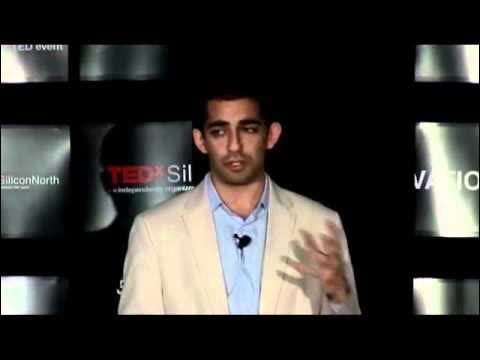 TalkTEDxSiliconNorth
An independently organised TEDx event for Canada’s tech community.
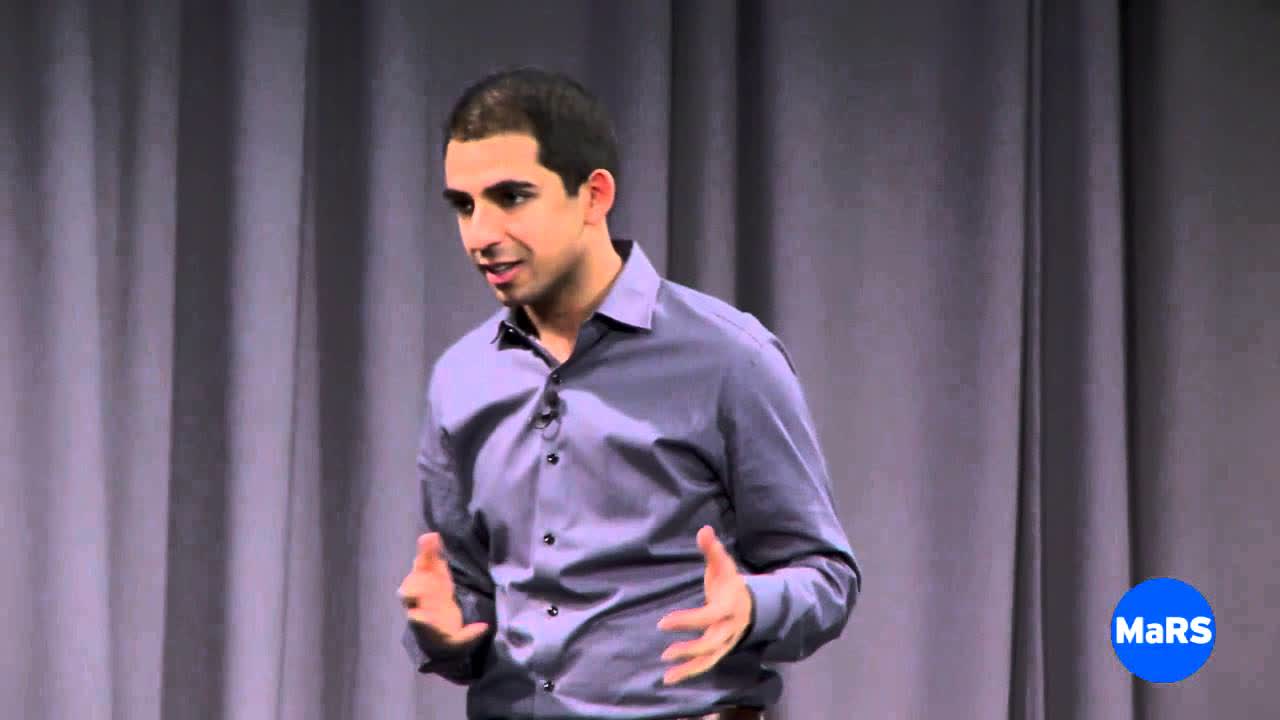 TalkMaRS Entrepreneurship 101
MaRS, Toronto’s innovation hub, and its Entrepreneurship 101 lecture series.
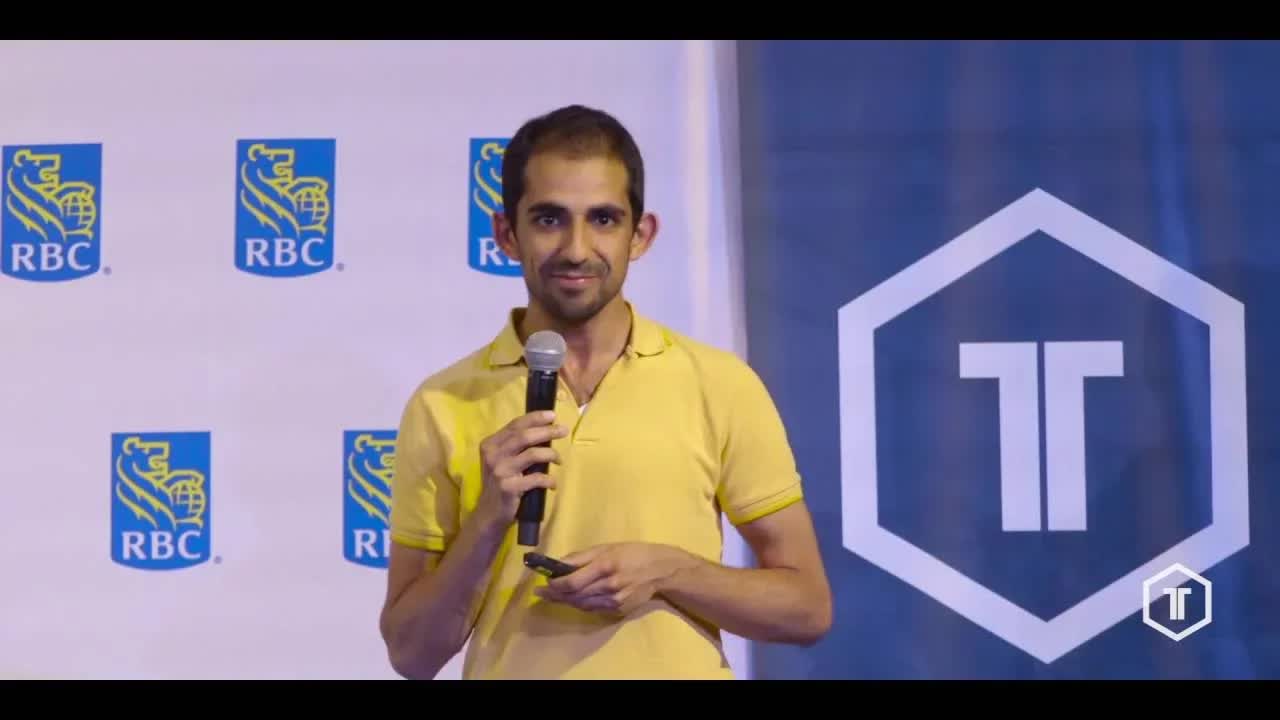 TalkTechTO
Toronto’s monthly tech community meetup.
The University of Waterloo’s startup programme.
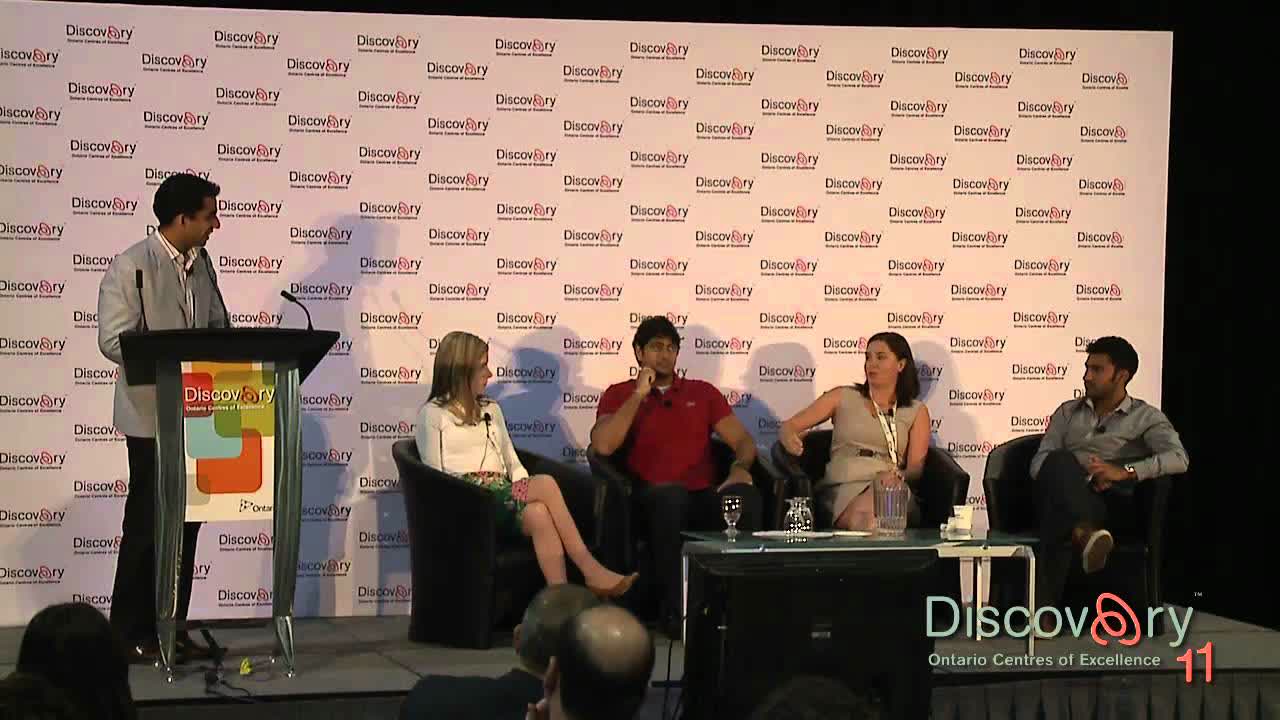
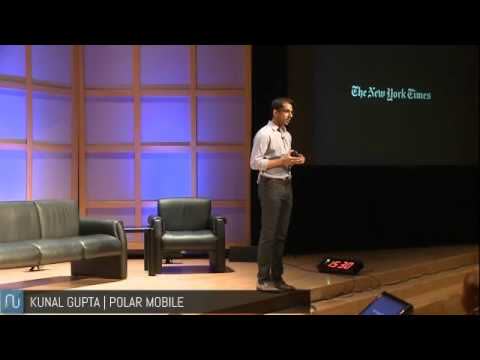
Ontario Centre of Innovation’s annual Discovery conference. Kunal moderated.
The Financial Post’s technology desk.
A show about the mobile industry and the people building it.
Canadian technology news for business leaders.
The national voice of Canada’s universities.
No conversations in this format yet.