AI, cognitive load and the things we no longer have to do
Chapters
Quotes
Host
Ross Dawson
Futurist, keynote speaker and founder of Humans + AI, a community and podcast on how AI can amplify human thinking.
Podcasts, talks and interviews where someone else held the microphone.
PodcastHumans + AI Futurist, keynote speaker and founder of Humans + AI, a community and podcast on how AI can amplify human thinking.
 Video podcastIn The Blink of AI
Georgie Healy hosts In The Blink of AI on the Day One network, talking to people shaping how we live with AI.
 Video podcastThe Seen
Kaia Tham’s show about people building unusual lives and companies.
 Video podcastThe Seen
Kaia Tham’s show about people building unusual lives and companies.
 TalkBetter Societies
Adrien Harrison’s Better Societies: a how-to guide for building better societies.
 Video podcastA Success of Our Own
Natalie Ruskin’s show for anyone ready to create their own authentic version of success.
 Video podcastTheStevePodcast
Conversations with the authentic unprofessionals who are changing industries.
 InterviewSander Recommends
For people thinking about moving abroad, buying property, starting a business or investing internationally.
Jon Davids talks to entrepreneurs and creators about how they made it.
 Video podcastThe Red Chair
Índico Capital Partners, a Lisbon venture firm, hosts a monthly close-up conversation in two big red chairs.
 Video podcastThe Business Leadership Podcast
Edwin Frondozo interviews business leaders on how they lead and grow.
 PodcastThe Growth Suite Leadership Podcast
Jonathan Spiess on leadership and building high-growth teams.
 PodcastStigma Podcast
Stephen Hays on mental health, and the people working to remove its stigma.
Speaker This is Stigma, where we talk with leaders from many industries about how mental health and addiction have impacted their lives. Many people suffer silently from mental illness, addiction, depression, anxiety, and trauma. They never seek help because of stigma. In this podcast, host Steven Hayes and his guests share their stories of recovery in order to encourage others to do the same. Here's Steven.
Stephen Hays Today, I have the privilege to speak with Kunal Gupta, founder and CEO of Polar, a trusted web platform provider for global media publishers. Kunal is a member of the board of directors at the Center for Addiction and Mental Health in Canada, an organization with a 3,000-person team that operates a hospital in Toronto, provides mental health education and advocacy programs nationally within Canada, and has one of the largest research teams in the world focused on understanding and solving mental health conditions. I can't think of anyone that I've met in the last year that has more connectivity, insightful conversations, and access to the best minds around mental health technology than Kunal. In addition to his credentials, Kunal has truly been a friend and a mentor to me on my mental health journey. In this episode, which begins with Kunal checking in with me about my own mental health, Kunal asks some really great questions and pushes me to be very honest about where I am with my own mental health.
Stephen Hays This part of the conversation is a great model for how entrepreneurs should be checking in with each other regularly. As the conversation unfolds, Kunal shares about his mental health journey and how becoming mindful of his mental well-being made him a better entrepreneur, a better leader, and a better CEO. If you want to hear more from Kunal, check him out on his blog at findfocustoday.com. So let's get into it.
Kunal What was, uh, what was something that surprised you this week?
Stephen Hays What surprised me this week really was that I, I've s- I've,
Kunal Yeah
Stephen Hays ... I've been sober for almost 11 months, and I've been starting to focus on my mental health during that time, but there's things that I, I make, I make these really ground-shaking realizations every week. And just that alone, like I, I guess I'm reminded pretty emphatically once a week that I, how little I know and how far I have to go on this mental health and recovery journey.
Kunal Yeah. I mean, I, uh, I'm just gonna get pretty deep pretty quick into our conversation. No surprise.
Stephen Hays Right.
Kunal I, I, a teacher had explained to me this framework, and he, he drew it, and I really, really liked it. Picture a circle in the center of a page, and in it the word suffering, and that's our default state. That's like a very Buddhist view as well, that the default s- state, the human condition is, is one of suffering. And to the left of that circle, imagine on this paper another circle, and in it the word ignorance. And then an arrow from this circle of suffering to this circle of ignorance, and that's really what we begin to do once we realize, "I'm suffering, so let me ignore my suffering. Let me ignore my reality." And substances, um, Netflix, Instagram, shopping, uh, there's lots of addictions and basically tools that take us from a place of suffering to a place of ignorance, and it feels good.
Kunal But then you can like draw this other arrow from that circle of suffering back to the circle-- from the circle of ignorance back to the circle of suffering, so it's a loop. Because all of these things that take us to a place of ignorance are temporary, and then we end up back in a state of suffering. And then we take a bigger hit to get to a state of ignorance, and then we end up back to a state of suffering, and that was a, a cycle, you might connect to it. I definitely felt I was in that for many years. And then that's kind of the, the natural, maybe a depiction of like modern day. And then the other side of, on the right side of this circle of suffering, put a circle and put happiness or contentness there, and it's like a straight line from the state of suffering to a state of contentness.
Kunal And then the word he put on top of that arrow was awareness, and it's like a one-way journey. It's as we start to become more aware of ourselves and our reality and the world around us, not in a state of ignorance, but a state of awareness, then we start to understand where contentness, where happiness, where peace is sitting and, and sitting, spoiler alert, inside of us. As I've started to go down that path, I'm like a little stick figure halfway through, halfway around that line. I have like zero interest to be in a state of ignorance. So all of these things like TV and social media and sugar and caffeine and alcohol and all these things that would take me to a state of ignorance, I, I no longer have them in my life, and that's helped me just become even more aware in a very, like, pure way of what's actually happening.
Kunal And in that, the work now for me is learning to find the contentness and peacefulness and happiness, which I definitely get glimpses of from time to time.
Stephen Hays That's really fascinating because-- and I, I relate to a lot of that analogy. Um, honestly, I wanna draw it and put it in the show notes for this podcast. Um, but it-- because that, like with addiction, addiction is very similar to what you described. There's trauma that's happened in your life. It's happened in your past. It's happened in your present, and, you know, you have these neural pathways in your brain, and when your brain says, "Ah, there's trauma," uh, a neuron goes down the neural pathway, and it finds the ... place in the brain that says, "Oh, this is what you do when you experience trauma." And in, in an addict's brain, that's do all of those things that you've removed from your life. Numb, numbing, become ignorant. And you're right, and then the consequences of those, of those actions are catastrophic at times.
Stephen Hays Uh, were, they were in my life. And it's really interesting. Like, that's a great analogy. I, uh, yeah, that resonates with me a lot.
Kunal Whenever I, I, I catch myself doing something, and sometimes I'll be like, "Am I doing this to become more aware, or am I doing this to ignore the reality that I'm in or that I'm feeling?"
Stephen Hays Yeah
Kunal Like, am I feeling like I don't wanna do something that I know that I really should do right now, and I might check my phone, or I might decide to, like, cook a meal even though I just ate. Or I decide to, like, call my sister. Like, why am I doing that? So I sometimes catch myself. Like, yeah, yeah, no, I'm trying to, like, move away from what's actually staring at me in the face.
Stephen Hays Yeah. Yeah, I think it, is it, maybe it's safe to say this, but it feels like anything that we do that we use to disengage or become ignorant or to numb feelings, ultimately, I would imagine that you would, th- that, that those things lead to addiction. Um, I'm thinking 'cause I... When I was in rehab, the, the speaker came, and he, he talked about, uh, addiction interaction, and he had this tool that he put up on the screen in front of us called the, the l- the, uh, periodic chart of the addictions. And, and it was just about addiction interaction. And it, it, he explained how the dopamine center in the brain and how it reacts to various behaviors around trauma, and then how eventually those behaviors, you know, will lead you to hardcore addictions and, and, and areas that you didn't...
Stephen Hays You didn't think that video games would eventually lead you to coke, but it will. It could. It might. Sugar, nicotine, all of it can all lead you to each other and to the same places.
Kunal Mm-hmm. So I wonder what that means for our current state of tech addiction, uh, like with screen syndrome or... I'm, I'm in New York now, and like I, I walked into an elevator earlier this morning for my first meeting, and I felt like my heart just dropped. I just looked, and it's like 9:00 AM, start of the day, and there's five people around me. And I'm sitting, sitting at the back of the elevator, and I can look at all of their phones, and every single person was on Facebook. And I was like, "Ugh. What a terrible way to start the day."
Stephen Hays I think... So I, I wanna relate to that in a very personal way. Um, so when you come back from rehab, and you've, they, you're there for alcohol and drugs and all these other things. When you come back, as long as you're sober, you kinda, people kinda let you do whatever else you want. So for me, that was eating really poorly. So right after rehab, I didn't leave the house for a couple months, and I was ordering Domino's and eating garbage. And to be honest with you, I haven't really eaten very well even since then. Eating poorly, eating sugar, eating, you know, high-carb foods was something else I became addicted to, to replace other addictions, and but the thing is nobody yelled at me for them. I couldn't get arrested for that. So Facebook is the s- is similar in my mind.
Stephen Hays It's an addiction that we can indulge, we can numb, and no one is going to... You can't get a DUI because of Facebook. I guess you can get a texting and driving fine, but, but just indulge me here. It's a safe addiction, air quotes. It's something that we can be addicted to that no one's gonna say, "Oh, I can't believe he puts a needle in his arm," or, "I can't believe he does that." It's, "Oh, I can't believe he uses Facebook." Well, that's fine. Everybody uses Facebook.
Kunal Yeah. Yeah, but, uh, I can't believe he uses Facebook for three hours a day.
Stephen Hays But no one's ever gonna know that.
Kunal Yeah. Yeah, so it's like-
Stephen Hays Like, what, what if we, what if we walked around with, like, a sign over our head that said how much we were on Facebook today? What if our profile picture actually had, like, a overlay that said, "He's been on here for four hours today"?
Kunal Yeah.
Stephen Hays What if we socially pressured each other to not be on Facebook because by, by touting our time, like, in an automated way?
Kunal Yeah. I mean, it's- ... it's killing us. It's killing part of our human experience very slowly, so our attention span, the quality of our relationships and connections. Not just that it's... 'Cause conversations are, are quite surface level, and everything is, is kind of curated. Somebody sends me a note, I can think through, "Okay, how do I wanna respond?" Versus in real life, IRL, a real conversation, I guess like we're having right now.
Stephen Hays Yeah, kinda rare these days. I feel like all, all real conversations are recorded and put on podcasts.
Kunal That'll never happen to this one.
Stephen Hays N- no.
Kunal So on, on, on addiction, just to com- give it, like, completeness, what do we think about good addictions like meditation?
Stephen Hays Ah, that's a great question. Um, so let me back up just for a second. So a lot, I think a lot of people use this term of it's a healthy addiction around exercise and, and other things. My therapist would say to me, "Anytime you choose to avoid dealing with a feeling by using some process, some substance, or whatever, that is unhealthy." So there, I think there probably could be an unhealth... Yeah, there, there can definitely be an unhealthy application of me- of meditation. If you become addicted to that process, and then you use it to, you know, avoid dealing with emotions that you otherwise should have processed in a healthy way, then yeah, there could be a problem there. But I, I, I find it hard to believe that after a 30-minute meditation that I wouldn't have dealt with that emotion.
Stephen Hays So-
Kunal Yeah. Yeah
Stephen Hays ... so it's like I have to... Hmm, the book knowledge in me about addiction has to answer that question that way, but I also feel like the, the, the person in me who's learned to meditate would say it'd be really hard for me to sit there for 30 minutes with that thought and not actually deal with it in a healthy way.
Kunal Yeah. I mean, I... It's like I, I stopped-- I don't know if I'd shared this with you, I stopped drinking alcohol five years ago or so, and it was kind of my body probably rejecting it, and then I had the courage to one morning after a night out at a friend's wedding, that next morning I didn't feel very good and I just said to myself, "I'm done, like for good." And then I was done. I was just tired of my body feeling that way.
Stephen Hays So you're the guy who said, "I'm never drinking again" when hungover and then actually did it?
Kunal Yes.
Stephen Hays That's awesome.
Kunal Yes.
Stephen Hays Good for you.
Kunal Yeah. And then, but it was probably like a few months later I noticed I was like, you know, I was fairly deep into my meditation practice, and I was like, "Hold on. Did I just replace alcohol with meditation?" And I was kind of like stuck on that for a few days when that thought came up. And then I realized like, no, it's because I guess what I was originally saying, alcohol was taking me to a state of ignorance where meditation was helping take me to a state of awareness and becoming more aware.
Stephen Hays Hmm. See, you just said what I said in 45 seconds, but way more concisely and intelligently. That's the good thing about a podcast, I can delete my answer.
Kunal Well, the world, the, the world is a mirror, my friend. It's mirroring back to you.
Stephen Hays Yeah.
Kunal How, um, how is your meditation this week?
Stephen Hays Meditation has been good so far this week. Um, shorter than I would like. Frequency has been fine. I've... I, I don't know what is going on in my life, but I'm allowing myself to overbook. I think it's because of the fundraising. I've jammed myself from 8:00 a.m. till the kids go to bed just about every day, and I'm finding myself having less time for meditation, uh, this week. And this week I went to less meetings, you know, AA and such. And, um, so, you know, next week I've, I've done more... That was the wrong start to the sentence. I have consciously gone into my calendar for next week and scheduled time for meditation and AA because I didn't do it enough this week.
Kunal Cool. Cool.
Stephen Hays I did-- or I did it, I did it frequently, but I didn't do it... The duration was not what I wanted.
Kunal Yeah. Well, so part of... Thanks for sharing that. Part of the meditation practice of what I've learned is like actual like meditation is accepting whatever is, whatever reality as it is. The reality is I meditated for long- shorter or longer today than I intended to, and like the balance of peace comes from not being disappointed when I meditate for less time and also not being, uh, joyful or ecstatic when I meditated for longer than I normally do. Does that make sense?
Stephen Hays Yeah. Yeah, that does make sense. I, I need to get there. You know, meditation is something that I need, I, I need to do it for longer periods of time. I struggle with that. I'm great at the 10 to 15-minute meditation. I struggle to get a solid 30 to 45-minute episode in dur- during a weekday.
Kunal Yeah. It definitely took me time to build, um, confidence to, to, to sit for longer periods of uninterrupted time. And I think learning to sit with myself and everything that comes with it is probably one of the hardest things I could do. And as a result, it's one of the scariest things to like sit with your thoughts 'cause you don't know what's gonna come up, or you may have a sense of here's what's gonna come up, and that means I gotta deal with it. That means I gotta sit with it. That means I gotta watch it and observe it and process it and let it go. It's just so much easier to feel productive or get on with my work or do something fun or call a family member or friend. So meditation is actually not always a, it's not like a pleasant experience usually.
Kunal Uh, that's been my experience, is that I joke that awareness does not discriminate, and that I don't just become aware of here are all the great things and serene things in my find or my day. It's like I become aware of here are the things I'm anxious about and stressed about, and here are the things that I'm not so sure about or fearful about, and all of that starts to come up. Awareness does not discriminate. I become aware of the beautiful flowers, and I become aware of the, the ugly truths.
Stephen Hays What do you do with that awareness, the, call it n- if I can call it negative awareness, when you are in a, a meditation session? What do you like to do with it?
Kunal It took me some time to learn this, but I have to go deeper and go deeper in awareness with that. What that means is learning to find the goodness in it. So for example, like I've had a back injury for the last month and it's getting much better now, and at times I've started to think like, "Oh, like, why did I get the back injury?" Or, "What does this mean?" Or, "What are the activities I'm not gonna do because of this?" And I could get... I could and I have gone down this path of like, "Oh, there's a loss of all these things that I used to do," like I did a lot of yoga that right now I'm not doing. But the deeper awareness of it led me to, "And now I have all this extra time.
Kunal Where am I gonna put that?" Instead of spending an hour and a half on yoga each day, I have an extra hour and a half of time, and then like I come out on the other side of that, and then all of these ideas start to come up saying, "Oh, I wanna explore this and this and this."
Stephen Hays I would say just listening to you talk about meditation That you are someone that I would put on the proactive end of the mental illness, wellness and, and, you know, health spectrum. And have you always been that way?
Kunal No. I've always been calm in my demeanor, but I've never really been calm on the inside, and meditation's just helping me become aware of that. It doesn't make me more calm. It just made me more aware of my state. And once I'm more aware, I can accept it. And then actually it's like the process of acceptance allows me to, uh, to feel differently.
Stephen Hays When did you start meditating as much?
Kunal I started five years ago-ish, yeah, five-ish years ago. And it was kinda like the universe decided that it was time for me to start meditating. I remember probably like four or five months before I'd started meditating, I was at a friend's house, and he had come back from a silent retreat, and it was my... one of my first times hearing about it, and I was not interested at all. I'm usually pretty interested. I was, like, not interested, and you could tell that I wasn't interested. So he, he just looked at me at the dinner table and he's like, "You should go on a retreat. You should start to meditate." And I just looked at him with this, like, stone-cold face and said, "I don't need to meditate."
Stephen Hays Oh.
Kunal And now, like, all I talk about is meditation. So that's, that's, that's a, a, a moment of humility to realize that everything does change. Uh, so I started five years ago, and the universe kind of decided, like, uh, some books just showed up, like, in my life through friends, and then, uh, on Netflix, I ended up on this documentary that was called "10 Questions with the Dalai Lama." And then I was at a yoga retreat, and yoga was new for me at the time as well, and there was a meditation component. Like, it was a 10-minute meditation as part of the, the daily practice, and I'd been reading about meditation a little bit for the two months before that, and actually just reading about meditation, I felt like I was getting the benefits. And I was like...
Kunal I was still like, "I don't need to meditate. I can just understand meditation as a concept, and I'll, like, apply it in my own way."
Stephen Hays What are the benefits for you of meditation, of, of increased awareness?
Kunal So it's, it's like strength training for the mind, and that awareness, it's not how I feel while I meditate. It's how I feel when I'm not meditating, and that's, like, the big misperception. Like, meditation is br- branded as not thinking. I think that's a total lie. I think there's... I think thinking is like breathing. It's what makes us human. And to not think would be to not breathe, and there's nothing admirable about that. And just to put the nail in the coffin here, if, if you think that, if you believe that you can clear your mind, you're lying to yourself. It's like saying, "Yeah, yeah, I could go the, through the day without breathing." You're lying. So thinking is completely natural, and meditation actually involves so many thoughts, but it's, like, becoming aware of the thoughts.
Kunal So all that to say is, like, strength training for my mind. So as I become more aware of the thoughts that are actually going through my mind, then I start to, like, deal with them and understand them and accept them and accept myself, and then through that, accept others. And it just goes through... allows me to go through the rest of my day and the rest of my week and the rest of my life with a little more ease and a little less friction.
Stephen Hays How has this helped you as an entrepreneur, as a CEO?
Kunal You know, I've been running my business now for over a decade, and within a decade, we've had many chapters and iterations of our products and services and business models, and even parts of our team. And the business is called the same, and my title is the same, but my relationship to the business, my identity with the business has completely transformed and changed over the last five years since I started to cultivate greater self-awareness. Um, I'll give you a very specific example. So in a B2B tech company, which is what I run, you sign customers and you lose customers. Pre turning inwards, when I lost a customer, I would freak out, and as a result, I would stress out a lot of people around me.
Kunal And in a still very, like, calm tone, but it'd be like, "Somebody left us. Everybody's gonna leave us. What do we do? Let's stop everything we're doing and think and talk about this." And that was, like, the drill every, like, three to six months when a customer would leave. And I had this moment, it's about three years ago, I met with a customer, and they're probably one of our top five customers, and I was sitting in their office, and they were explaining to me how they were about to leave us and why. Their business had changed. Their needs had changed. They appreciated everything we had done for them three years in the making, and, uh, it was time for them to, to not use our software, so that was their way of explaining that to me. I did not say anything in the meeting. I just thanked them for the transparency, and I walked out of their building.
Kunal It was on 9th Avenue here in New York. And I remember before hailing a cab, I just stood on the sidewalk, and I was like, "Let me just take a moment to check in to see how I feel." And I just paused, and I had, like, a mindful moment just standing there on the sidewalk with my eyes open, holding my laptop bag. It was a sunny day. And I was aware, and I was reserving my judgment. I was just, "Let me just observe what happened." And I just reflected on what they had shared with me, and I realized based on the information they shared with me, they should have left us a year ago. And then I thought about, "Why didn't they leave us a year ago?" And I was like, "Oh, 'cause we did this thing, and so and so on my team did this, and we did that, and they asked about this, and this is how we responded to it." And then I, like, in that instant- Trace back all the people and activities and projects we did in the last year to still create value for them, even though their business had changed a while ago.
Kunal And I'm very transparent with my team, and if we lose a customer, I tell the whole team. And my note to the team to explain we lost the customer was a giant thank you note, and it was thanking people on the team for what they had done with this client. And then after that, that, later that day, I was like, "Wow, I totally handled this situation in a completely different way than the situat- than how I would have handled the exact same situation a few years ago." And here's the, here's the cherry on top. They're still a customer of mine three years later.
Stephen Hays Wow.
Kunal And I see that everything changes. The people there changed, their business changed again, and they did need our products after all. And now I can look back with hindsight and be like, if I reacted in that moment negatively the way I had in the past, and then if I caused stress and anxiousness for those around me as a byproduct of me feeling that way, it would have all been for nothing. So that's an example of how, I call that, like, mindful leadership, and I'm getting obsessed with that, is bringing an awareness practice into my identity as a, as a leader.
Stephen Hays When you think of entrepreneurship in general and other founders, do you think that other founders are meditating or should they do it more? Are they not doing it enough? Like, what do you, what do you think the, the landscape of people who are founders meditating is really the question.
Kunal If they, if they know me, then they are 'cause I don't show up without one. Over the last-
Stephen Hays How do, how do we get more founders meditating? And I guess, like, this question is really rooted in this idea of how do we improve founder mental health and how do we as a community, entrepreneurs and investors, help founders find their way to more awareness or mindfulness?
Kunal I mean, it's, it's like living with the lights on, and I realized I was living with the lights off. I'm sure you feel... I mean, do you feel that way?
Stephen Hays I feel like I was not alive until about two months after I got back from rehab. I feel like I lived the first 38 and a half years of my life just not alive, honestly. Now I feel alive.
Kunal That's awesome. I'm so glad to hear that. I think awareness is such a valuable tool. I mean, it probably has to be positioned or pitched to founders and investors and entrepreneurs and leaders as, "This is going to help you." I mean, that's the on-ramp, like, almost like gamify it a little bit or pitch it or sell it a little bit.
Stephen Hays It feels like, I guess what's frustrating, not frustrating, challenging about this idea is that I feel like those of us that are practicing mindfulness, like we should, we feel like we shouldn't have to pitch it.
Kunal Mm-hmm.
Stephen Hays It seems so obvious.
Kunal No, and, and I, and I-
Stephen Hays But pe- but me, but me a year and a half... Kunal, if you had called me a year and a half ago and said, "I want you to... Let's have a call, and let's meditate together," I would have said, "Why don't you meditate and call me when you..."
Kunal Then I would have been like, "We really need to meditate. You really need to meditate." Then I wouldn't let you go.
Kunal It'd be like trying to close a deal. I'm like, "I'm not letting this go." "I'm gonna get you to sign on the dotted line." I think I... So the, the, the best teachers that I've come in contact with really embody the practice, and that comes through their language, their choice of words, their attitude, just the energy, the way I feel in their presence. And I think to inspire anybody to, to look inwards, it really helps if they come in contact with somebody who embodies the practice. It's kind of like how kids learn from parents through modeling more than words. Similarly, we can write about meditation, people can listen to this podcast about it, they could, we could do science and research about it, but it's all at an intellectual level.
Kunal It's not until we experience it or see s- and by seeing somebody who embodies it, we share in that experience, that we actually under- start to understand it and maybe become more open to it.
Stephen Hays Yeah. Something similar happens in AA where we have this concept where people, y- you say, "I want what they have."
Kunal Hmm.
Stephen Hays Uh, and I, and I'm willing to go to any length to get it.
Kunal Hmm.
Stephen Hays And when someone gets to that point, you know, like AA doesn't really go out and advertise. You will never see an AA member at a bar saying, "Hey man, when you guys are wake up tomorrow, why don't you come in and I'll, I'll, I'll help you get straight."
Kunal Hmm.
Stephen Hays Um, like that doesn't, that's not how it happens. AA members are all willing to sponsor others, but it's, you have to come in and say, "I want what you have." And then once you make that de- declaration that you are powerless, that you have unmanageability in your life, and that you, you want what the s- the sober people have, and you're willing to go to any length to get it, at that point, someone grabs you by the hand and says, "Okay, I got you."
Kunal Yeah. Yeah, there definitely has to be an openness to, "I want, I want help," in that context, or, "I want new tools or new skills." There has to be that openness, and I guess those seeds need to be planted. If somebody's listening to this conversation this far into it, then hopefully a seed has been planted.
Stephen Hays Yeah. Yes.
Stephen Hays So when you think, well, I kind of want to talk a little bit about tech and mental health. Do you think that there are going... Are there solutions in the tech space? Are there tech solutions around mental health? Like is there... What should we be building to help people with their mental health? Maybe that's the right question.
Kunal Yeah. So I've, I've shared with you, I'll touch on it verbally, this idea of what is mental health to start with, and I loved what you shared with me last week. I absolutely loved that, that one in five people have a mental illness. One, uh, sorry. One in five people have a mental illness, five in five people have mental health
Stephen Hays Yeah. That's my new... That's the first page of my pitch deck
Kunal I think that is so powerful and so true. And we-- it's another thing when you hear it, and you're like, "Yes, I know it's true, but I haven't been seeing it that way," but it is true. So mental health applies to every one of us. So this spectrum or framework that I've been, uh, that I'd published based on conversations with people in the space was this spectrum from mental illness on one side to mental wellness in the middle to mental performance on the other side. And pic-
Stephen Hays Which I, I stole and is also in my pitch deck
Kunal Great. So think of like a bell, a bell curve. So we go through this spectrum. You could graph the population on it, or you could just graph you as an individual and your day on it. So to answer your question of, like, what do we need to build to support better mental health, I, I think it starts by asking, like, where on the spectrum do you wanna solve for? Because the types of problems to solve in mental illness are very different than mental wellness, and those are very different than mental performance. So I think that's, like, probably the first thing to answer is where in the spectrum do you wanna focus? The other part of this idea of, like, a mind tech ecosystem is that it's not gonna be like search, which is there's, like, one search engine. Online commerce, there's one place you go for that.
Kunal To watch videos online, there's one place you go for that. Social networking, there's one place you go. To call, uh, a rideshare, there's probably one, maybe two places you go for that. I don't think mental health and wellness and performance is gonna be that way. I don't think there's gonna be one point solution that works for every single person at every part of their journey. There's a lot of different problems to solve for a lot of different people. That's gonna require a lot of different solutions, and hence, that's where an ecosystem is needed
Stephen Hays Where does that ecosystem stand today? Is, is there one? Where will it come from? What does it look like right now?
Kunal So what I've in the last maybe year and a half started to become curious about is my own passion and interest in mental health, defined super broadly, has been growing. I've started to ask who's doing stuff in this space, and why are they doing it, and what are they trying to solve? What are the problems they're trying to solve? And I've probably come in contact with now 150 entrepreneurs or leaders working in what I'll call the mind tech space. And these are people that have put up their hand. They've committed full-time or mostly full-time, like part-time, and I'm gonna work on solving problems somewhere on the spectrum. And they may be doing it through technology, most are, or through processes or organizations.
Kunal In looking at what everybody is, is looking to try and solve for, the biggest thing that I've noticed, and I've asked people, like, "Why are you doing this?" It's coming from a place of passion. It's coming from a place of purpose, and it's not coming from a place of profit. And I think that's really, really compelling, really interesting, and really different. And I've learned as an entrepreneur for the last ten plus years and leader for, like, 20 years, when somebody's passionate about something, the quality of work, the quality of solutions, like, everything goes up, not, like, 10% but, like, 200, 300%. You get the best of the person when they're passionate about something, when they feel connected to the purpose behind it.
Kunal It's like this... The resources become unlimited and infinite, and they become like superheroes versus profit-driven. We think society and people are motivated by money, but we, we know they're not. We know we are not, and as a result, we don't get-- we don't bring our best self to the table. That's probably what excites me the most about this industry that's forming, that we call mind tech, is that the people in it are driven by passion and purpose. And these are real big problems to solve, which means we need real resources. Uh, capital is definitely a resource that's needed, and you're, you're working hard, Steven, on trying to bring that to the table.
Kunal Uh, I think the human resource or the talent, I'm super excited by not only the type of people that I've met but the level of enthusiasm and excitement and energy they're bringing to it, and I think because it's coming from a, a pure and grounded sp- place, it's gonna be sustainable. And it's gonna be lasting, and you're not gonna see what you see in a lot of profit-driven industries where it's short-lived
Stephen Hays What is bringing those people to this industry now?
Kunal I think it's this understanding that we, we understand a lot about our physical health. We've made a lot of advances in the last 30, 40 years. We have a lot of science to thank for that, a lot of technology to thank for that, and we haven't solved all of the issues, and there's new discoveries to still happen. But we, we kinda know what we don't know in the sense of, okay, there's cancer, and there are certain diseases we, we still need to do more work on. And there's a lot of good work and good people working towards those. But I think we're understanding, and I'm curious for your take on this too, but I think we're starting to realize that on mental health, we're just scratching the surface, and it's the first inning. And we don't know very much about this, and this is something that is having a bigger and bigger impact on a lot of other societal issues. This is sitting kind of under it.
Kunal That's what I think. What do you think?
Stephen Hays I think that more of the population experiences their mental condition or wellness however well or not well they may be than they let on. And, and what I mean by that is I think it's more than one in five that have a mental illness. I think that people are afraid to get help. Stigma is the biggest problem. I think that reduction in stigma because celebrities and others are talking about mental health, um, asking for help, and publicizing the fact that they have received help and that they're better for it, that's making people feel comfortable about sharing their stories, which makes other people feel comfortable about sharing their stories and then getting help.
Stephen Hays And what that's allowed is allowed for founders to come to the space because... And I've never been a founder, but, you know, I understand the journey, and the journey is, it's very personal. And if you fail, which is very possible as a founder, it's very personal. But if you fail building a solution around something that you've experienced around your mental health and you fail, that's not just personal. That's, that's, that's dangerous. That's threatening to you, the core of who you are and what you are. And I think the reduction in stigma has made that potential failure more palatable to founders, so you're seeing an influx. And that influx has brought some good ideas, which has brought some capital, which has now brought an even bigger influx of founders to the space.
Kunal Yeah. And I would a-add on is with, with the mindfulness practice, it's very hard to actually connect with the idea of failure because you see, you start to see goodness in everything. And it doesn't mean that everything is good. That's very different. But it's being able to see reality as it is, and then start to choose how to connect to that and how to relate to it.
Stephen Hays I like that.
Kunal And that's very powerful.
Stephen Hays Yeah. Yeah. It is powerful, and I think as we see more founders come to the space, this is, this is, I, I... This question hasn't been asked, but what's the way forward? I think founders come to the space. They build. I think there'll be data. That data comes out of the first wave of startups in the space. That data becomes very valuable because we don't really have a lot of empirical data on people's mental health and what impacts it. And once we get it, then there'll be a whole new wave, a s- a gen- a 2.0 or a second generation mental health startup ecosystem that'll come about on the back of that data. And a lot of the startups that are building in the space today are building tools that can measure and gather and, and, and, and detect and test, and that will lead to the data that will lead to broader platform solutions, so.
Stephen Hays And all of that, all of that because stigma has reduced.
Kunal Yeah. I mean, in terms of tech evolution, I, I like to look at the, the cellphone and mobile communications kind of evolution, and we think it's, it's so cool and easy and normal to be carrying an iPhone or Samsung whatever in our pockets, and the power we have there. But we're in 2019, and this has been, like, 40 years in the making. So it takes, it takes time. Like, you had the version, like the first iteration, which is, uh, you know, before my time, but in the '80s, like the big brick phones that were paid for by companies, sitting in, like, cars, you know, giant devices the size of a shoe. And then into the late '90s, early 2000s, that's when I got my first phone.
Kunal It was a flip phone, and the Motorola Razr and the Nokia. You don't hear those companies anymore. And then kind of the third iteration, which was smartphones. So it's been, like, three major evolutions where we've had a step-up change, and yeah, that took thir- 30, 40 years. Now, with mental health technologies, with mind tech, uh, I think we're in that first stage with those brick shoe-sized phones, but the bridge to this next stage is what you're saying, Steven. It's the data. 'Cause then we start to understand and start to look at signals, and the data may not be accurate, but the, the way the data changes based on practices or tools or technologies, you know, will tell us a lot. It'll give us a lot of information. So the data's going to accelerate this jump from brick phones to flip phones.
Kunal And that makes it more available across a bigger segment of society. We're probably still a major evolution away, though, from it being the smartphone, which unlocks kind of superhuman capabilities and powers, um, you know, for the, for the mental health and wellbeing.
Stephen Hays Yeah. Yeah. I can see that. So you're in the B2B software space. How did you find your, you know, your way into having all these conversations with hundreds of, of people in the, the mind tech space? Like, where, where did the... Mindfulness and meditation is one thing, but where did your passion for the mind tech space come from?
Kunal Yeah. Yeah. So I've, I've been, I've been meditating for five years, and about two years ago, two and a half years ago, I was, it was, it was one day. I was, I remember it vividly. It probably all was well. I was, I was meditating, and the question came up, "Why do I meditate?" It's a very dangerous question. And initially, the initial thought that came up as the answer was to gain more awareness and to practice acceptance of myself and others and to learn to see reality more clearly, and from that, feel more content and more peaceful and more calm. And then immediately I had this, like, visceral reaction. I was like, "No, that's not why I meditate. Why do I meditate?" And I had this long pause, and then what came up was to be of service.
Kunal And I realized at that moment a switch had been turned on, and the practice of introspection, the purpose behind it changed, and it changed from being a practice for myself to being now a practice I'm doing, like, by myself, but for the purpose of others and helping others And then it was pretty amazing what happened. So, like, literally a few weeks later, I got asked to join the board at CAMH, the Center for Addiction and Mental Health. It's a large three thousand person mental health organization in Canada, including nine hundred researchers, and they didn't have anybody from the tech industry or under the age of, like, forty-five or fifty years old on the board. So I said yes. And, um, that got me exposed to the h- uh, a, a very large healthcare organization and a very large research organization.
Kunal I started to volunteer with other organizations in the space, uh, be it around fundraising, be it around technology. Uh, I'm in the media and publishing industry, so I have a lot of relationships and understanding of digital media. So I started to just bring different skills and connections I had to these organizations. And all of this has been a giant learning experience for me, and it's got me way, way more exposed. So I love entrepreneurship. I connect to it, and then I l- I understand and love technology. I studied software engineering at Waterloo, and I understand the power of technology, and I see the need for mental health in a very clear way. I've been through my own journey.
Kunal People in my family have been through their own journeys, and I've tried to support them. Friends have. And I can just extrapolate it and see it in the big picture for society. So yeah, MindTech for me is the combination of these three things. It's entrepreneurship applied to technology focused on problems that support our mental health.
Stephen Hays Yeah. That's really great. Well, I'm, you know, I'm glad that you're focused on this space. You have been educational for me. You've helped me learn. You've motivated me. Um, you were someone that I met through a friend, uh, when I was just kind of coming around from my, like, the, the really hard part of my journey. And, you know, you were encouraging to me, and I'm really grateful for that. And, you know, some of... one of the results of that encouragement is that I'm, you know, raising this fund for mental health technology, and, you know, I wouldn't be doing it without your encouragement. So thank you.
Kunal Thank you. And we have big expectations of you.
Kunal You gotta, you gotta, you gotta do this. And not only this, but the things that'll come after this.
Stephen Hays Yes. Yes. Yes. It's really interesting. You know, one, one of the things you said that resonated with me was that your purpose of introspection had changed from, from self to helping others. And, you know, one of the things that we talk about in twelve-step programs, uh, is that, you know, when you get to the twelfth step, it's all about service and giving back and helping other people, and that's how you, that's how you maintain your sobriety. And, uh, the Narcotics Anonymous book says that we, we keep what we have by giving it away, and that's the truth. And, you know, so this, this fund for me, yes, I'm gonna raise money. I'm gonna be a fiduciary to my investors. I am going to invest in deals to try to drive returns from them, for them that they can't get in the stock market or anywhere else. It's also a twelfth step.
Stephen Hays Uh, this is, this is my way of helping. This is my way of taking some skills that I have around finance and venture and helping entrepreneurs and then pointing it towards a cause that is helpful to, you know, towards mental wellness and towards sobriety of other people. So that's the way you feel about the MindTech space is kind of the way I feel about it. It's, it's really part of my own process by just doing this.
Kunal Yeah. So let me... That's beautiful. Let me ask you, a year from now, we're having a similar conversation. Don't tell me, like, what you're doing or what a fund looks like. Tell me, a year from now, how do you feel?
Stephen Hays A year from now, I feel like I've created better balance in my life. I've continued to prioritize my mental health, uh, and my physical health, and I have helped a lot of people. Uh, and this, uh, this is outside of the fund or, or entrepreneurship. This is, I've sponsored people AA. I've helped people get sober. I've, you know, helped people find their way with their mental wellness. And, you know, I don't know what that number of people is. I mean, I, I, I feel like setting a goal of, "I wanna help ten people," feels a little disingenuous. I just wanna be, I wanna be at a point in my path where my sobriety and my wellness is attractive to other people so that they come to me and ask for help.
Kunal That's great that you're setting the intention to be an inspiration to others who need it and will benefit from it.
Stephen Hays Yeah. Absolutely. Well, look, this has been awesome. I, I... this conversation has been great, no doubt. But all of our conversations go this way. I, I, I really feel like we can tape them all and put them out there and they'd be beneficial to folks with respect to the, the mental health and wellness and entrepreneurship. And so, uh, what that means is... I'm just kidding. I was gonna- ... start recording all of our phone calls, but I'm not gonna do that. Really grateful that you, uh, spent this time with me today and that you were willing to come on and, and share some insights. I think-- I don't, I don't know somebody, somebody reach out to me and prove me wrong, but I don't think anybody has spent more time having diligent and thoughtful conversations around entrepreneurship and MindTech and mental health as you.
Stephen Hays And I think there's a lot of knowledge and a lot of understanding and direction for where the ecosystem should go that is tucked away in your mind. And, you know, it's gonna be really valuable for that to be shared, uh, not just on podcasts but, you know, with the entrepreneurs working in the space and such over time. So you will, you will definitely be hearing, uh, from me and from other entrepreneurs for, for guidance and help and some sort of input or feedback in many, many ways o-over the next couple of years.
Kunal Yeah. I, I can't wait. And it's already happening. Yeah. It's already happening. Thank you for that. It's, it's such an important problem for society that we all need to just work together and learn from each other and come up with real solutions because these are all real problems.
Stephen Hays Agreed. And that's, that's why I'm doing what I'm doing. So look, I'm gonna wrap it up there. Thank you for coming on. What's the best way for people to learn more about you, your business, and connect with you if, if they're so inclined?
Kunal My blog, findfocus, one word, F-I-N-D-F-O-C-U-S, findfocus.today. And you'll get to see some of my reflections. I treat it like a public journal. I've been writing actively for the last three years. It's one of the ways I chose to be of service to others, and my contact information is there as well.
Stephen Hays Excellent. Well, thank you again for coming on today. And I, I really appreciate it.
Kunal Thanks, Stephen. I enjoyed it.
 PodcastSober Company
Nik and Lacey on living alcohol-free, with guests on the habits that replace drinking.
 PodcastAdExchanger Talks
The podcast of AdExchanger, the trade publication for advertising and marketing technology.
 Video podcastThe JOMOcast
Christina Crook, author of The Joy of Missing Out, on living well with technology.
 TalkUniversity of Waterloo
The University of Waterloo’s alumni webinar series. Kunal studied software engineering there.
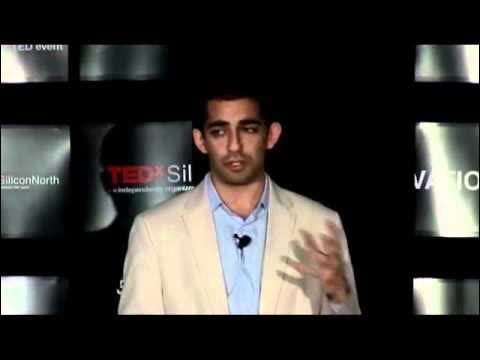 TalkTEDxSiliconNorth
An independently organised TEDx event for Canada’s tech community.
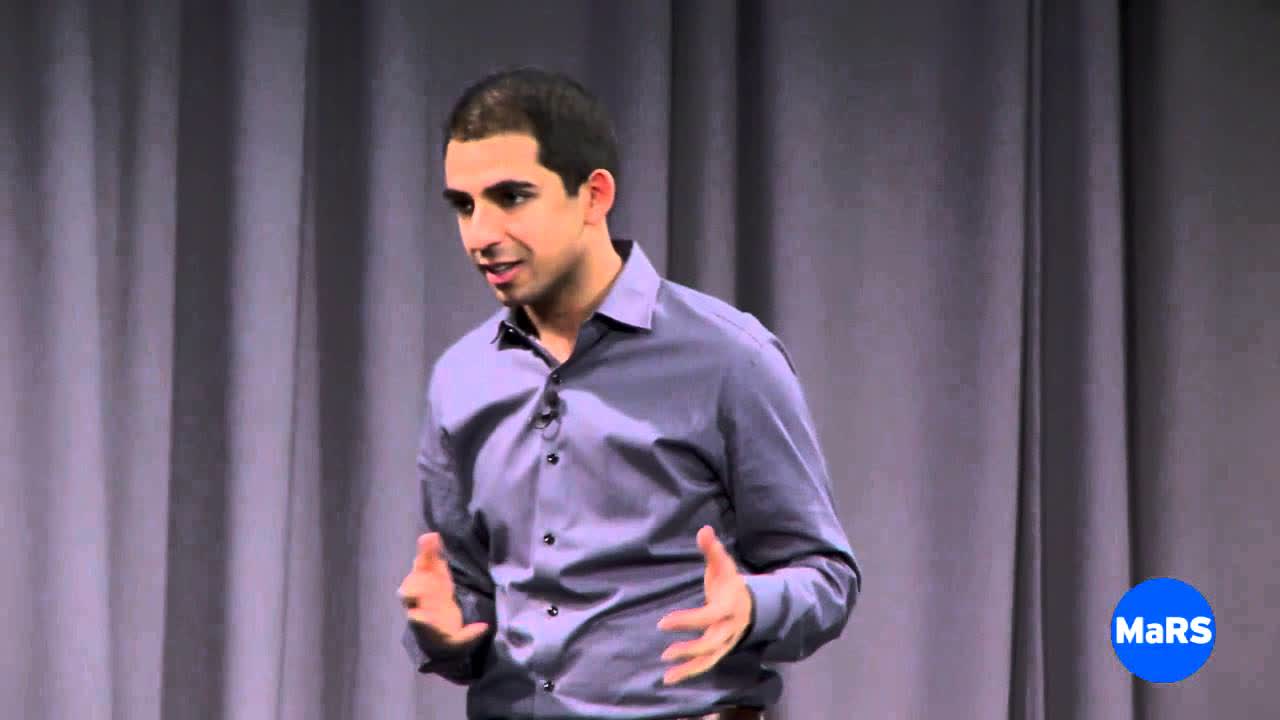 TalkMaRS Entrepreneurship 101
MaRS, Toronto’s innovation hub, and its Entrepreneurship 101 lecture series.
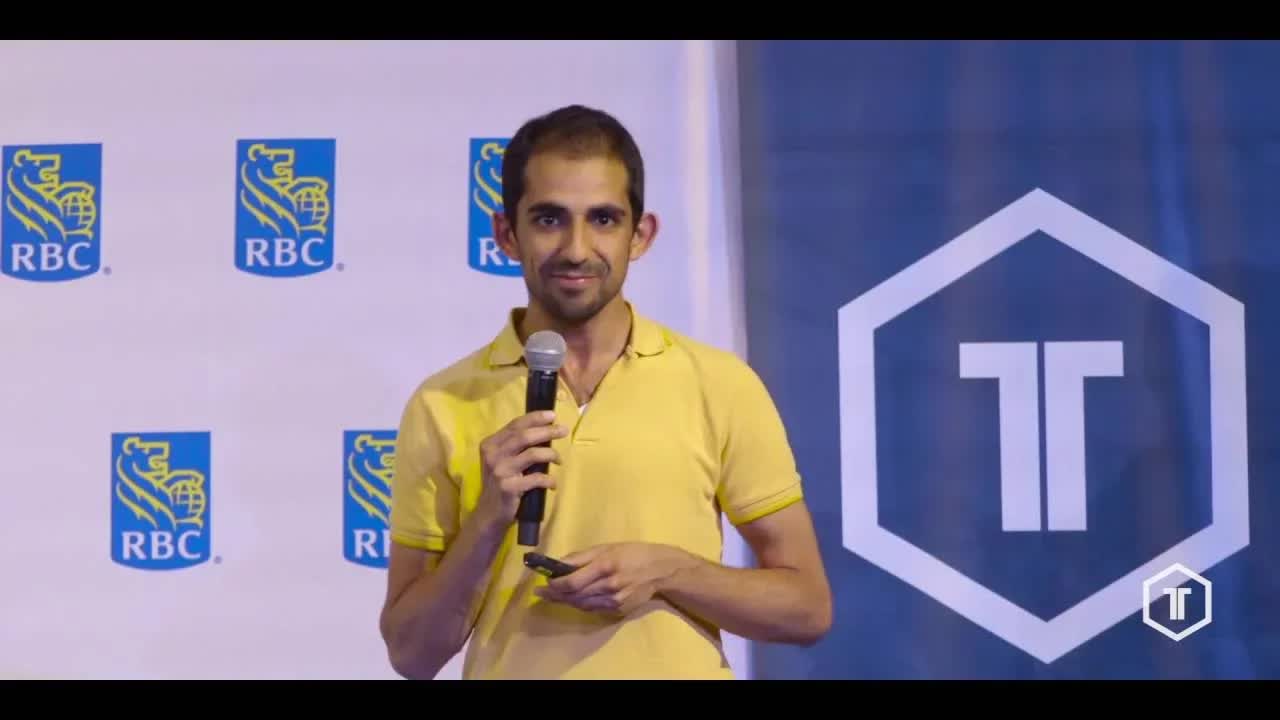 TalkTechTO
Toronto’s monthly tech community meetup.
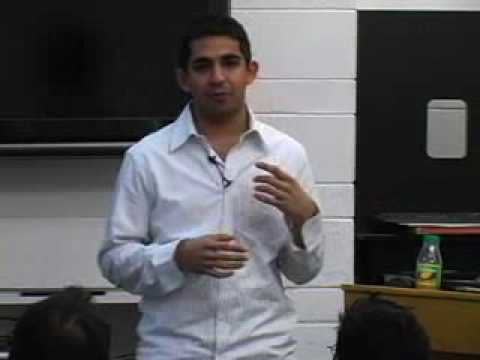
The University of Waterloo’s startup programme.
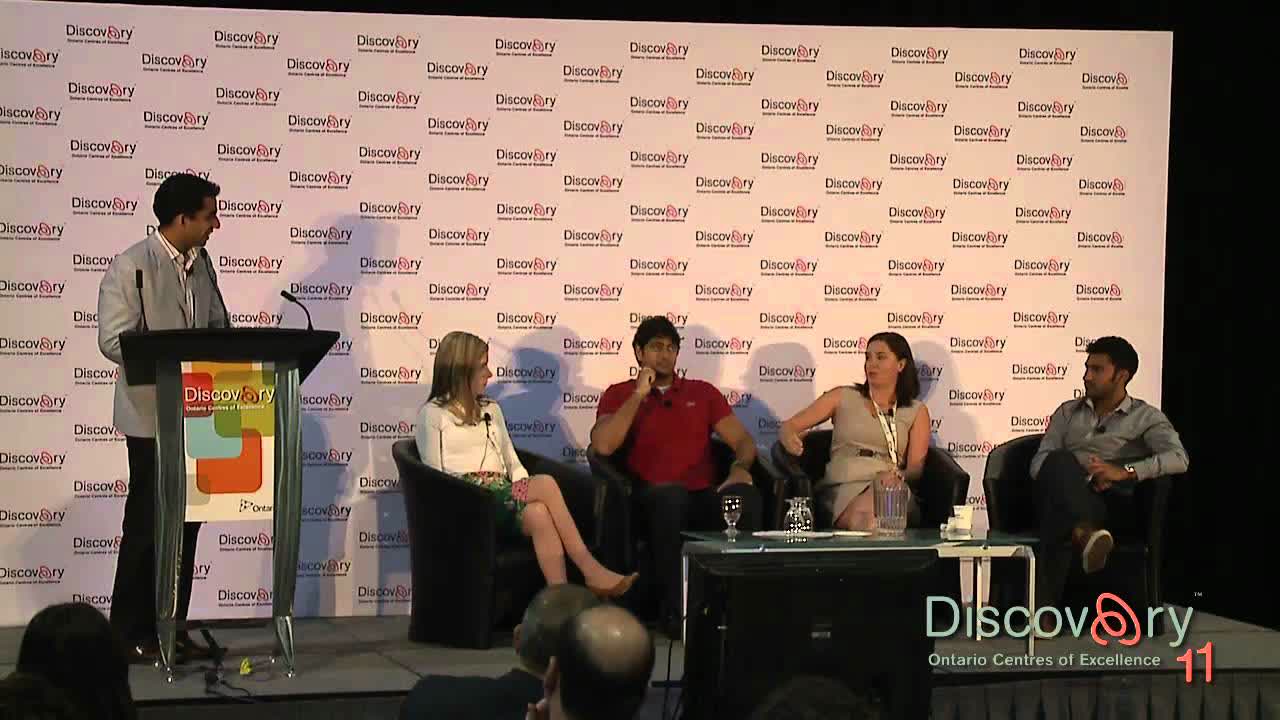
Ontario Centre of Innovation’s annual Discovery conference. Kunal moderated.

The Financial Post’s technology desk.
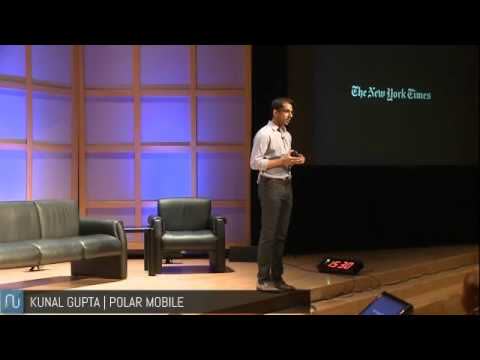
A show about the mobile industry and the people building it.
Canadian technology news for business leaders.
The national voice of Canada’s universities.
No conversations in this format yet.