AI, cognitive load and the things we no longer have to do
Chapters
Quotes
Host
Ross Dawson
Futurist, keynote speaker and founder of Humans + AI, a community and podcast on how AI can amplify human thinking.
Podcasts, talks and interviews where someone else held the microphone.
PodcastHumans + AI Futurist, keynote speaker and founder of Humans + AI, a community and podcast on how AI can amplify human thinking.
 Video podcastIn The Blink of AI
Georgie Healy hosts In The Blink of AI on the Day One network, talking to people shaping how we live with AI.
 Video podcastThe Seen
Kaia Tham’s show about people building unusual lives and companies.
 Video podcastThe Seen
Kaia Tham’s show about people building unusual lives and companies.
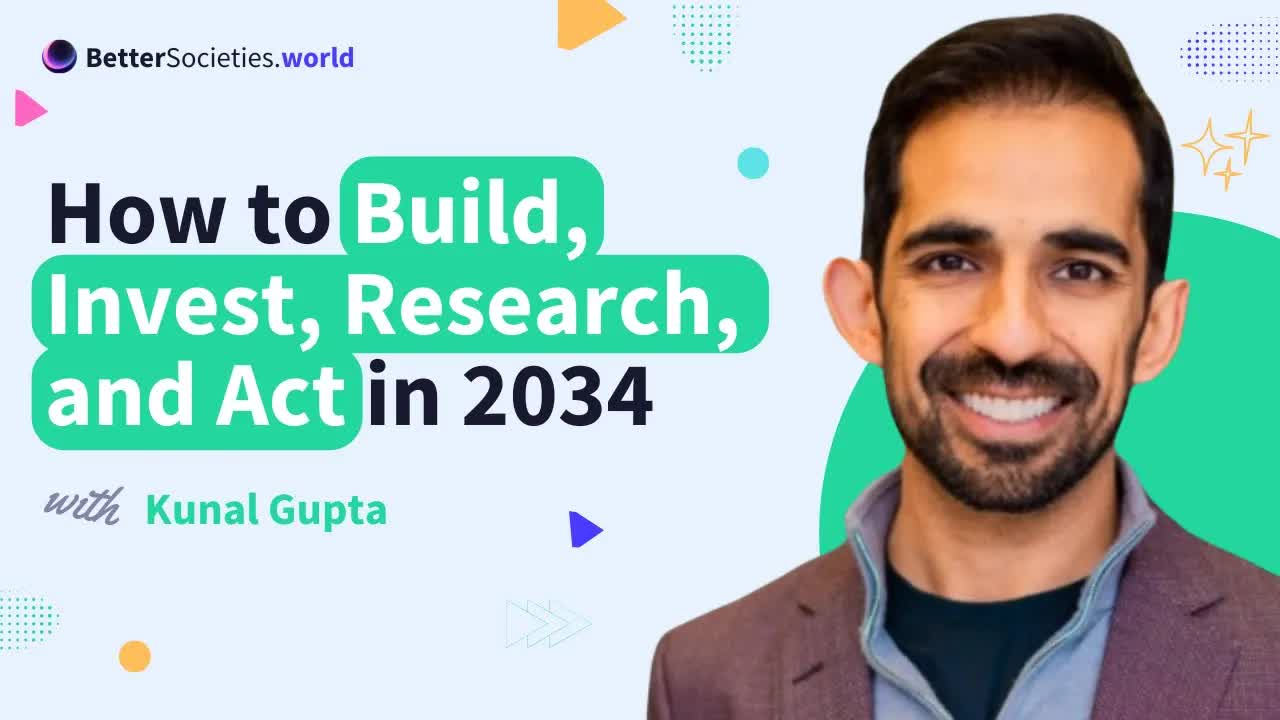 TalkBetter Societies
Adrien Harrison’s Better Societies: a how-to guide for building better societies.
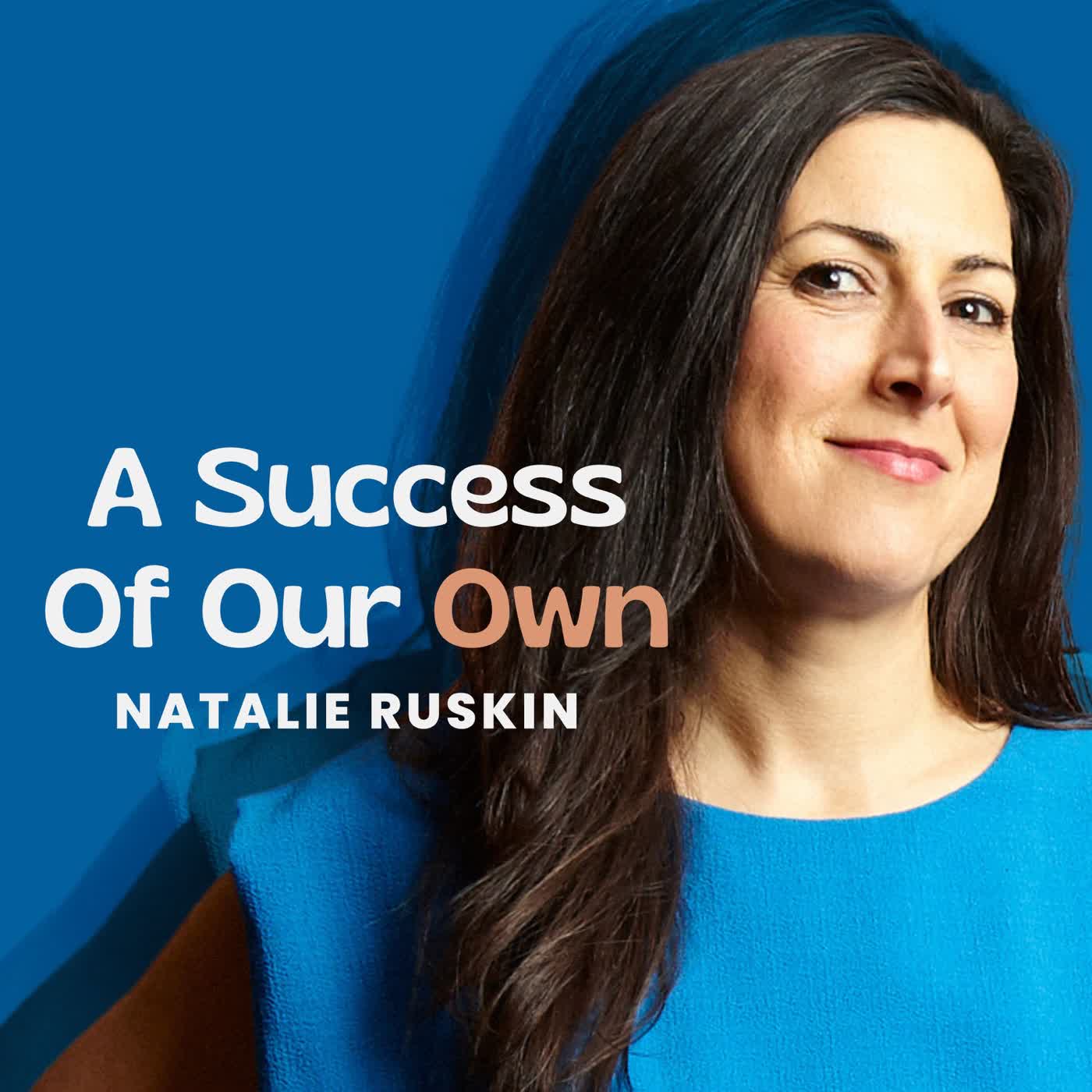 Video podcastA Success of Our Own
Natalie Ruskin’s show for anyone ready to create their own authentic version of success.
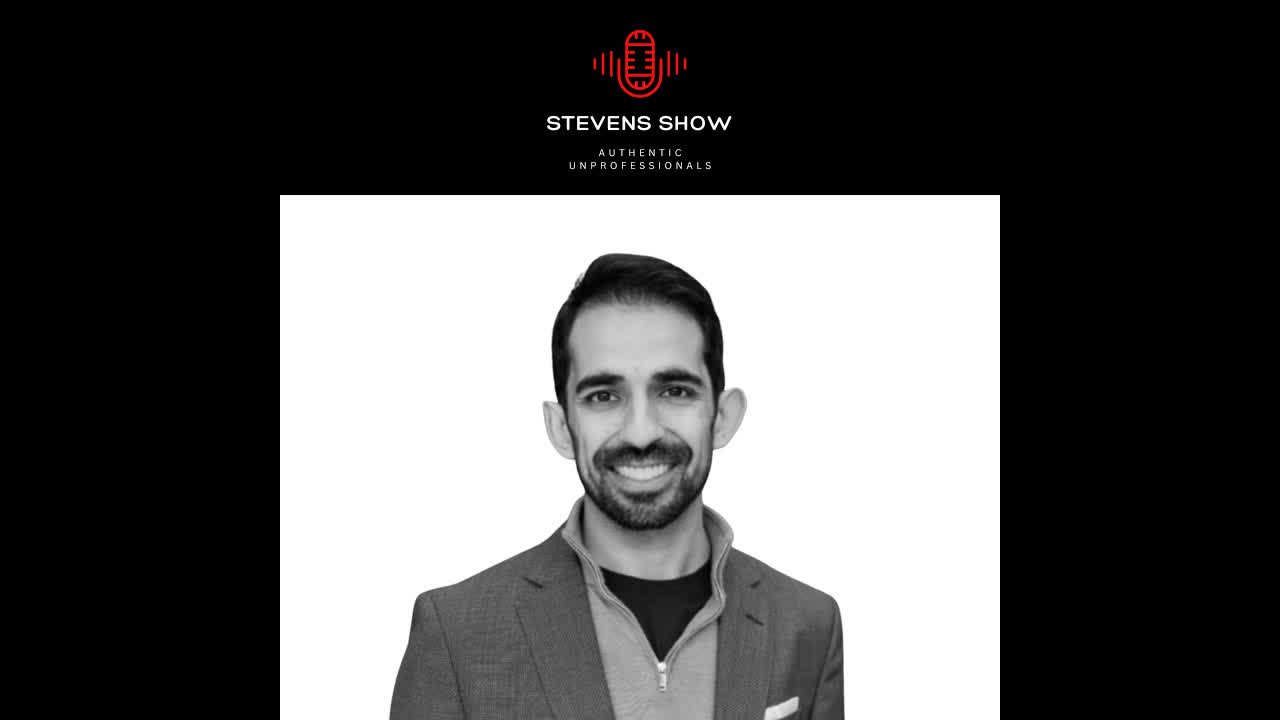 Video podcastTheStevePodcast
Conversations with the authentic unprofessionals who are changing industries.
 InterviewSander Recommends
For people thinking about moving abroad, buying property, starting a business or investing internationally.
Jon Davids talks to entrepreneurs and creators about how they made it.
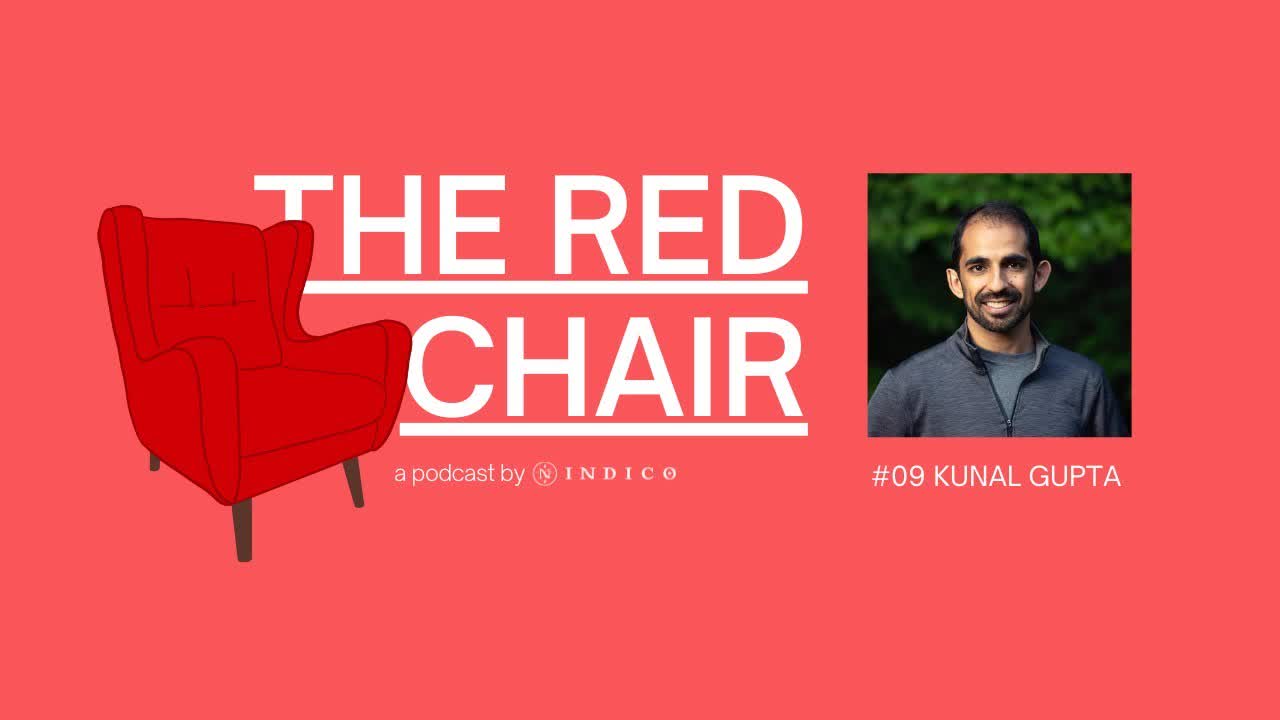 Video podcastThe Red Chair
Índico Capital Partners, a Lisbon venture firm, hosts a monthly close-up conversation in two big red chairs.
 Video podcastThe Business Leadership Podcast
Edwin Frondozo interviews business leaders on how they lead and grow.
Speaker Join Edwin Frondozo on the Business Leadership Podcast every week for a unique program featuring insights and actionable items from the world's most successful business leaders. Hear firsthand the exclusive interviews and personal journeys on how today's transformational leaders made it to the top.
Kunal Well, I did a couple of improv courses myself. It really wasn't about improv. It wasn't about comedy acting. It was about life. It was about learning how to work with other people in a collaborative manner. Anytime the, the teacher would say the word improv, I just replaced it with life. So she would be like, "In improv, we do this." In my mind I'm like, "Okay, in life we do this."
Edwin Frondozo This is the Business Leadership Podcast and I'm your host, Edwin Frondozo. Welcome. How's it going today? How are, how are you doing? Well, first off, thank you for joining me. This is episode number 73, and really excited to share the conversation with my guest, and my guest today is Kunal Gupta. He is the founder and CEO of Polar, a technology platform provider whose mission is to enable a business model for premium content. Polar's partners include major global media publishers, and the business has offices in Toronto, New York, London, and Sydney. Kunal is passionate about finding calm and focus in a modern era. He writes about leadership, mindfulness, and technology culture on his blog at findfocus.today.
Edwin Frondozo I caught up with Kunal in his Toronto offices. In our conversation, we discuss how improv helped him harness his creative thinking, the five reasons why anybody works at any organization, and how mindful leadership made him an effective business leader. Our sponsors today are Pungo Payments, a business payment solution that instantly sends disbursements and electronic transfers at a fraction of the cost of checks and bank transfers. The Business Leadership Podcast is a friend of the ITWC Podcast Network and supported by our media partner, IT World Canada. Now, here we go.
Edwin Frondozo Kunal, welcome to the Business Leadership Podcast.
Kunal Thanks for having me.
Edwin Frondozo Well, thank you for inviting me to, to, to your office here in Toronto, and really happy to meet you in person. But can you start off by introducing yourself to our listeners today? Let us know what you like to do when you're not working or growing, scaling businesses.
Kunal Great. Uh, my name is Kunal. I'm the founder and CEO of a company called Polar. It's a business I started 10 years ago, and through that it's been a journey to learn more about myself. And when I'm not running the business, uh, day-to-day, I'm spending a lot of time learning more about myself. So that means, uh, that means meditating, that means practicing yoga, that means going on retreat, that means a lot of reading and a lot of other activities that I've really found a lot of joy and meaning from.
Edwin Frondozo Oh, that's, that's a- that's awesome. And, and I really like in terms of, uh, that sense of that personal development, and I'm sure we're gonna get into this, Kunal, in terms of how that's actually really related into, you know, your personal insight and how it brought back to your business and, and how it helped your, your company grow as well. But before we get to that, why don't we start off about telling us about Polar? Let us know obviously what your current role is, or even, even more importantly, what you're trying to accomplish in the next, let's say, 6 to 12 months.
Kunal Sure. Polar is a technology business. We work in digital media and advertising and publishing. So our customers are large media companies like a Toronto Star or, uh, Condé Nast or News Corp or AOL and Yahoo or Telegraph, and they use our software to power parts of their website, their advertising, their analytics, their content. And we've been working with these types of companies for 10 years now. We've seen this industry change a lot. Uh, our business has customers around the world, uh, which means I get to travel quite a bit and get new perspectives. We have offices in Toronto, New York, where I'm now living, uh, London, and Sydney. And over the next year or so, we're launching a number of new products. We're growing our team, and we're continuing to help publishers navigate what's a, a challenging time for their business models, and we're building products 'cause we see that as an opportunity to, to solve real problems that they have.
Edwin Frondozo I mean, it's really interesting, and you, you had just mentioned this. And quick story, as I was coming here to meet Kunal, I ran into an old friend, an old colleague, and I told him I was, I was meeting with you, and he had said, "Oh, I, I, I k- I know Polar. Polar Mobile, right?" And he was, like, saying that you were working in BlackBerry. I don't know if... Might age us-
Kunal Yeah
Edwin Frondozo ... but in terms of that, but, uh... And that's... You were working with publishers at the time as well.
Kunal Yeah. So there's this thing called the BlackBerry. It was a precursor to the current generation of smartphones, and we all went to... The people behind Polar all went to Waterloo. And back then, 15 years ago now, BlackBerry was a big deal, and well, and the first iteration of Polar as a business was a platform for publishers to create mobile apps, and that was back when, uh, the iPhone was just launching, and then the iPad had launched, and Android was just coming on the market. So it was a really exciting time, and that was our, our first five years in business. Uh, and then we, then we pivoted the business five years ago into more content and advertising products and same customers, same vertical, different tech, and that's been the last five years for us, and we've had some good growth.
Edwin Frondozo Yeah. And, and the... And what was interesting to me when he had said that and, and what you had just mentioned was that you've seen this growth of marketing and these publishers and, and you've been through the whole You know, from the start, maybe not from the start, but maybe from the mobile start and really understanding the needs of these, these publishers and that point. So it was really interesting the journey that, that, that the company has gone and, and, and where you've taken it from there. So looking back at this last 10 years, Kunal, can you share with us some key turning points that you encountered? Ideally, what I like to know is some perhaps there, there were difficult decisions that you had to make that obviously, or not, maybe not obviously, but actually eventually made you a better business leader.
Kunal Yeah. A couple of things come up, come up. Uh, you know, I think five years ago when we decided to pivot the company, it was at a time where we had very little information about the new direction and what we were doing-
Edwin Frondozo Mm-hmm
Kunal ... and it was really a, a big leap of faith. Uh, we had assets like cash and customers and tech and a team, but we didn't have a clear strategy because what we were trying to do is do something that had never been done before in a space that we were expecting to grow. Just like 10 years ago we said, "Hey, mobile devices are gonna become consumption devices," and we took that bet and it worked. We were making another bet. But unlike when starting a business, this time we actually had something to lose. And I think in those situations, when you've got something to lose, it's harder to make decisions because you're making trade-offs. Whereas when you're starting from a blank slate, it becomes a little easier, uh, because you're comparing different potential bets knowing that you're gonna make one of them. Whereas when you've got something going and you're choosing to change it purposefully, you're also choosing to, to let go or to, to stop putting the gas on what you have been in the past.
Kunal Uh, so those are... That, that, that was a really important decision for us. But I think it taught me how to, to make decisions like that where you don't have a blank slate and you need to choose, "I'm gonna stop doing this so I can start doing that."
Edwin Frondozo So what helped you get over that decision? I mean, looking back, and obviously it sounds like it was just a, a snap of the moment, but this could have been drawn out. It could have been a month, three months, a year that you were thinking about this, or you and your leadership team was thinking about this. So, so what helped you get over that or make those decisions at the time?
Kunal I think something I've learned now when reflecting back is a lot of the answers are sitting inside of us. We just have to find them. So all of the signs of us making that decision at the time were, were pretty clear when we look back.
Edwin Frondozo Right.
Kunal And they were probably building over eight to nine months.
Edwin Frondozo Mm-hmm.
Kunal And then it got to a point where inside of me, I remember the specific moment, there was a tipping point. I was in California, I was there for a conference.
Edwin Frondozo Yeah.
Kunal I was there to see some, some extended family and I left early and I just said, "I need to get back to Toronto and I'm sensing something inside of me that, uh, I need to make this change." And just on that flight back is when I decided inside of me that, "Okay, we're gonna pivot this company." And, uh, within about five weeks or six weeks of that realization, it happened. So I think a lot of things, what I've learned, um, start to build inside. All the signs are there, and if we can learn to just, uh, find those answers and look inside ourselves and ask ourselves, like, what do we actually think, as I've come to, to do and practice quite a bit now, things become pretty clear and it becomes easier to follow through on the decisions that we make.
Edwin Frondozo No, that's amazing. And it sounds like, and maybe correct me if I'm wrong, the team that you had as you started, was it the same team that-
Kunal Yep
Edwin Frondozo ... came through to the pivot as well?
Kunal Yep.
Edwin Frondozo So what I'm curious about is as those things change, and obviously your product, your services changed at the time, how were you at the time encouraging or how do you encourage creative thinking within your organization?
Kunal Yeah. We, we use a lot of Post-It notes at Polar. And a lot of whiteboards. Uh, but more, more seriously, we, we, we, we, we pose and have learned, I just did this yesterday with our team, we just ask really big questions about the future, about things that are not known, and then we ask and expect people to come up with answers and responses to that. So I think that's been one approach. We, we call 'em forums, we call 'em workshops, uh, we call 'em summits. Uh, that takes many different shapes and sizes, but ultimately it's asking a big question and then creating the space for people to come to the table and, and also setting the expectation that you need to come to the table with your own points of view, your own ideas, and your own thoughts. And a lot of the ideas that come on the table are gonna be conflicting. A lot of them are not gonna be grounded. Uh, some of them will be grounded, but what it does is it starts to make the ground more fertile for everybody and it's...
Kunal people start to build off of each other, kind of like an improv, the, the yes and, you know, mantra.
Edwin Frondozo Mm-hmm.
Kunal I've seen that happen many times, you know, in these settings.
Edwin Frondozo Oh, that's interesting. And for me, I've, I've ta- I've taken an improv course. Uh, I'd like to take more 'cause I think it's really helps the creative thinking. For those who are listening, how, how do, how did you implement like that yes and within these type of sessions?
Kunal Well, I did a couple of improv courses myself. I think we're very fortunate in Toronto to have Second City.
Edwin Frondozo Right.
Kunal I didn't realize how, um, how strong of a school it is-
Edwin Frondozo Mm-hmm
Kunal ... on a global s- stage, so don't take it for granted. Uh, I did a couple of courses there and I absolutely loved it, and I, uh... It really wasn't about improv, it wasn't about comedy acting, it was about life. It was about learning how to work with other people in a collaborative manner. Anytime the, the teacher would say the word improv, I just replaced it with life. So she would be like, "In improv we do this," in my mind I'm like, "Okay, in life we do this." So we did improv workshops with my team naturally after I built a passion for that. Uh, the, the, the term yes and started to show up in different places in our language and our vocabulary, and really starting to just make, zoom out and make people aware that, hey, this is an option to build on each other's ideas.
Edwin Frondozo Yeah. And for, for tho- those who are listening and who may not never heard of improv or have taken a course, the yes and, and maybe Kunal has a better way of explaining it, is, is, uh, in my eyes, it's I could say anything. I could have an idea And Kunal's gonna say, "Yes, and maybe we do this" And I, I don't know, better or lack of better words, it's just a really super collaborative idea
Kunal Yeah.
Edwin Frondozo Kunal, how do you adjust and continually grow as an effective leader? And, and if you could share some specific things that you are doing personally now that will ensure you to continue to grow for maybe the near and, and the far future.
Kunal I'll share three, three practices that we've introduced here-
Edwin Frondozo Mm-hmm
Kunal ... and that I've really come to appreciate and, and get attached to really. Uh, the first one is something that we call why are you here, and it's a question that I started asking people on my team about two years ago. I got curious as to why do people work here, and I went around asking people, "Why are you here?" And the faces I got back, the answers I got back were pretty underwhelming. And then I realized, like, that's a really hard question to answer.
Edwin Frondozo Especially if you ask it out of nowhere.
Kunal Yeah, yeah. I tend to do that sometimes-
Edwin Frondozo Sure
Kunal ... or all the time. I then went away for a few months passively thinking about how do I help people answer this really important question, why are you here? And polling a couple of other entrepreneurial friends, what I developed was a, a light framework. Came up with five reasons why I think anybody works at any organization. Very simply, their mission and purpose, growth and development, people and community, recognition and compensation, or wellness and balance. So we built this framework, we shared it with the team, and then I asked people, "Why are you here?" And it became very easy for people to answer. And what I found through that process were a couple things. One is that everybody's values and reasons for being here are slightly different. I think when I was starting the business, I was naive to think everybody's here for the same reason.
Kunal And then it kind of becomes a peanut butter approach, is you treat everybody the same way. But I think for me as a leader, I've really grown by acknowledging the diversity in values that exist in any group of people, and then being able to support that or nurture that, which is like a massive leadership challenge. It's a big ask to accommodate and support and guide people who all value slightly different things, but are expected to work together cohesively towards a shared mission. Um, so we now do that every six months, and we ask people, and we've seen people's values change, and it becomes a way to have really rich and meaningful conversations. So that's kind of the first thing-
Edwin Frondozo Mm-hmm
Kunal ... which is building awareness of why, uh, of what the people around me value, and that's totally changed my leadership style. Um, the second thing is I've been doing 360 reviews probably for five years now, and I ask somebody on my board or one of our advisors to interview, uh, my leadership team, and they, uh, anonymize and aggregate the feedback. It becomes usually, I've done this a lot now, but 50% of the feedback is about the company actually-
Edwin Frondozo Mm-hmm
Kunal ... and the culture, and then about 50% is, is towards me from a place of helping me develop and grow as a leader. So I've really valued and appreciated those. They've driven a lot of change. And, uh, the third thing is, is just taking time for myself. So I've, I've learned now to, to take time away from the business and take retreats, which I'm now doing on a monthly basis for a few days. Last year I did, uh, longer retreats less frequently. And while being on retreat, I'm fully disconnected from day-to-day, uh, from all technology, all communications, all media, all information, and it's really a chance to just go inside and process and reconnect with myself, with my vision for the business, and I always feel when I come back from retreat reenergized and excited to lead, uh, to drive, to grow, to inspire both the team and, and the market that we serve.
Edwin Frondozo So how you doing? How, how are you enjoying this conversation that Kunal and I are having? After the chat, after the conversation, we started talking about the number of apps we had on our phones. We compared and, and it's... He's such an inspiration in terms of being a, a founder, a CEO of a tech company, and how little he relies on technology in his life. Join me on Facebook, where I recently launched a Facebook group called The Business Leadership Group, where emerging leaders can learn, share, and network with each other. Go to thebusinessleadership.com/fbgroup or search for The Business Leadership Group directly in Facebook. Now let's get back to it.
Edwin Frondozo That's really interesting, and retreats are stuff that I'm, I'm in... thinking about doing, and I talk to a lot of people as well. So how did you get into retreats? Um, is this something recent, or is this something that you've been evolving for, for, for a number of years now?
Kunal Yeah. So I, I purposely used the word retreat and not the word, like, vacation, in that when you think vacation, it's, we think maybe we're, we're looking to go rest-
Edwin Frondozo Mm-hmm
Kunal ... and, you know, be vegetables. Uh, retreat actually is a different form of work. It's, it's inner work. I think I first got exposed to it through, through yoga, and, uh, a friend and I went to a yoga retreat in Mexico, and it was in Spanish, which was really fun. I don't know Spanish that well yet. Uh, and then started to do meditation retreats, and started to do other retreats around mindfulness practices. And from that, I started to just learn the value of structure and practice. And now I've been doing self retreats, which are really simple. Showing up somewhere random. It actually does not matter where you go physically because-
Edwin Frondozo Mm
Kunal ... it's about going inside yourself. It's not about distracting yourself from the outside.
Edwin Frondozo It's not the physical.
Kunal Yeah. It took me a couple years to, to learn that.
Edwin Frondozo Mm-hmm.
Kunal Um, and then it's just learning to spend time with myself and getting comfortable in my own skin, in my own truth, in my own realities. And specific activities like reading and journaling are very useful in a retreat mode, and especially if you can read something inspirational, um, something that touches you emotionally, I think it, it opens your mind. Uh, it opens your heart and gets you tapped into a different side of you that, uh, you may not be accessing on a daily basis
Edwin Frondozo Kunal, what, what does mindful leadership mean to you now?
Kunal I've really tried to incorporate that in my own identity, in my own day-to-day as a leader. A couple of things. So it starts with listening, be it my team, be it customers, be it the market.
Kunal As an entrepreneur, as a founder, as a CEO, you know, I generally have strong points of view on our market or on our products or on our business model. It's my job to... I feel it's my job to, to, to, to have that point of view and refine it. But as a mindful leader, it's about listening, and it could be asking questions, it could be showing curiosity and creating an openness and a space for other points of view and letting those influence my point of view. So that's been one shift and change that's been valuable in learning how to do that.
Edwin Frondozo And how difficult was that? Because as an entrepreneur, I mean, you're really, as you said, have strong points, maybe very egotistical, may- not super, super confident on, on your thoughts. I mean, how difficult was that to, to make even that shift on that point?
Kunal I think it's important as an entrepreneur to have confidence in your point of view, but I think it's equally important to understand when is the right time to form that point of view. So I think what's shifted for me is starting a pr- like a, an unconscious process to gather signals, gather data points before I form that point of view, and to kind of almost trust in the process that if these ingredients were put into the meal, then the meal is gonna turn out well versus, uh, focusing on like, "Let me put this together right now and then adjust it later."
Edwin Frondozo Mm-hmm. Mm-hmm.
Kunal Uh, so you become a lot more patient, a lot more tolerant to different ideas and views, and I've seen my leadership style change because of that.
Edwin Frondozo When it comes to technology culture, what are some of the best key learnings and tips that you, that you'd love to share to, to the emerging business leader today?
Kunal I have a lot of strong points of view on this. It is grounded from my own experience and practice and experiments. Uh, I'll just share a couple of things I do.
Edwin Frondozo Yeah.
Kunal So cultivating awareness of how I interact with my devices has been helpful, specifically my phone. There's a- an app called Moment that I've been using for almost three years now. It's very simple. It tells you how many minutes a day you spend on your phone. So I've seen my usage go down drastically just by becoming aware of my screen time. So I highly recommend that. Uh, Slack is a, is a very challenging, uh, platform.
Edwin Frondozo Mm-hmm.
Kunal It's not Slack itself, but it's how organizations like adopt it. So four years ago when we started to use it, it wasn't that big of a deal. I was all in on it, and we've transitioned to a culture where there's no email inside of our company. Nobody emails. I haven't got an email from anybody on my team in three years now. Everything happens on Slack. I've now recently started to question how we adopt and use Slack and, and tools like that to collaborate, um, and their ability to ha- you know, distract, um, you know, people.
Edwin Frondozo Do you find it more distracting than email?
Kunal I'm, I'm pretty okay with it, but I'm more concerned about, uh, the broader organization-
Edwin Frondozo Mm-hmm. Mm-hmm
Kunal ... um, and the level of discipline it requires, or self-discipline to, to not make it a distraction.
Edwin Frondozo Right. Right.
Kunal Uh, the, the third experience that I'd share is, is, is my relationship with email. You know, I specifically took email off my phone about seven years ago, and it's out of a place of necessity, if I'm honest. It was, um... I was feeling overwhelmed, I was feeling overloaded, I was feeling stressed, and then I decided, uh, almost as a knee-jerk reaction, to take it off my phone just for a few days to see if that would help calm me down, and it did. And I also noticed nothing outside of me, in the outside world, in the team changed. I didn't tell anybody I did it. So I did it for a week and then I did it for a month, and then I did it for two months, and then I did it for a year, and now it's been seven years. And I've just recently in the last few years started telling people. I have... You know, when I'm on business trips, I find I do put it back on the phone just for logistics.
Edwin Frondozo Mm-hmm.
Kunal But I realize like, you know, over all these years, I've trained myself to not get used to reading or writing emails on a phone, and I can't imagine life any other way now.
Edwin Frondozo Oh, that's amazing. And I guess when you... For logistics reasons, you can almost... It's just an idea that came to mind. You could almost, not that you wanna do this, is print out the logistics-
Kunal Yeah
Edwin Frondozo ... so you don't even have to bring the, the app back on the phone and reconfigure it. And, and but now we're really going backwards. But it could be, it could be something, right? Tell me about the impact that Yuval Harari made in your life.
Kunal Yuval Harari is the author of a well-known book called Sapiens.
Edwin Frondozo Mm-hmm.
Kunal And his second book, Homo Deus, which I actually, uh, enjoyed even more. He, uh, is a longtime meditator, which I didn't realize while I was reading the books, but that's part of the reason probably why I connected so well with his writings. And his, his Sap- the book Sapiens looks at the last two and a half million years in the history of, of humankind. And it talks a lot about how we've evolved and, and why we've made the decisions we've made and trying to make sense of that. And then in Homo Deus, he starts to present different options or scenarios for the future of humankind. And I think one of the, one of the thoughts, without giving it away, that, that really provoked me is he asked the question, "What's the purpose of history?" And we often think that, you know, we used to do it this way, so we should do it the same way.
Kunal And he presented an alternative, an alternative approach, which is to think maybe the purpose of history was so that we don't repeat it.
Edwin Frondozo Mm-hmm.
Kunal So that really speaks to the entrepreneurial side of me, which is the opportunity to create and to invent and to do something new. And I see a lot in, uh, big business, I even see it in small business, uh, a bias to res- to, to lean back on what we've known and what we've done. But I think- There's another way, and I think, uh, if we were able to really think, "Hey, maybe the reason for that is we can learn from it, but it's not to repeat it," then we'll start to create the space to come up and, uh, express and create, uh, new ideas, new options, and new paths forward. So that, that excites me.
Edwin Frondozo Oh, that's really interesting. I just had started reading it as well. Um, such a fascinating... Even just the first chapter or two where, where it just talks about where the Homo sapiens just, just split off and, and, and how it did that. So really interested to, to finish that and, and get to the second book. Kunal, fun question. Uh, but I mean, speaking with you now and, and seeing you in real, maybe I even... I mightn't even know how to answer this question. But, so if I were to ask any of your, any of your team members, colleagues, peers, business partners, clients, what's the best leadership quality that you possess, what do you think they would say?
Kunal I think for a long time, most people around me would, would say the word calm.
Edwin Frondozo Mm-hmm.
Kunal I think what I would say now in the last couple of years is I've, I've learned how to be calm on the inside. And I'll share a, a, a quick story about, uh... About a year and a half ago, one of our, our customers in New York, uh, I was in a meeting with them, and they shared that they were going to, to move on and stop doing business with us.
Edwin Frondozo Mm.
Kunal And they explained the reasons why. And it was a pretty large, you know, top 10 customer of ours. And I walked out of the meeting, and I had this moment where I just stopped to check in with myself and asked myself, like, how do I feel? I just received some new information that was not expected, and I just let myself process that. And then as I was processing that, I was reflecting on what they had told me, and I realized that they probably should've actually left, stopped doing business with us, like, over a year ago and based on the reason and the logic that they walked me through.
Edwin Frondozo Mm-hmm.
Kunal So then I started to actually feel gratitude towards all the things that had happened over the past year of our work with them, that we were able to show them value and, you know, keep the relationship going. So in the past, if we lost a customer, I would get stressed. I would take it personally. I would distract a few people on my team. We would huddle, and we would be like, "Okay, the world is falling, and-" "... all of our customers are gonna leave us." And this time, I sent a note on Slack to announce it, 'cause we're very transparent on the good and the bad, and my note to the team was a giant thank you note. And it was a thank you to people who did specific things over that past 12-month period to continue to provide value and support them in a way that kept them with us even though logically they probably should have moved on.
Edwin Frondozo Wow.
Kunal So I re- I responded in a completely different way than I would've responded, you know, before. And then what's further interesting is, like, they're still a big partner of ours today, and they didn't actually move on.
Edwin Frondozo Wow.
Kunal So then in hindsight, like, if I had reacted in that moment, I would've, uh, created all of this agitation in myself and those around me. Uh, and it would not have served us, and it would not have served the customer either. And now the wisdom through that experience has taught me that everything changes, and in the moment when I receive something that may not be, uh, expected or desired, I can now understand that, let me just process it. Let me sit with it. Maybe it'll change. All the things like that have changed, and I can stay calm through situations that might appear stormy out, you know, on the outside.
Edwin Frondozo I mean, that's really interesting, and I, I mean, personally thinking about many, many times that that's have happened to me as well. And, and it's just really taking things in, like you said, and maybe let yourself process it and, and ask the questions. And that could happen in a business leadership setting, whether it's stakeholders, you know, amazing employees that need to leave, or whatever it has be. It's li- uh, you just need to sit back and relax. So thank you for sharing that. I really appreciate that. Kunal, what else? Do you have any other special projects now, initiatives, or something really fun that, that you're, you're, like, you're super excited about right now?
Kunal I've become really passionate about, about mental health and wellness-
Edwin Frondozo Okay
Kunal ... uh, through my own journey, uh, those around me and close to me, and now seeing the importance of it for society over the next couple of decades.
Edwin Frondozo Mm.
Kunal I'm passionate about technology. I'm passionate about entrepreneurship. So, uh, the collision of these three themes and passions is starting to, to happen. So I'm, I'm volunteering quite a bit in the community. Uh, I joined the board for an organization called CAMH, the Centre for Addiction and Mental Health.
Edwin Frondozo Mm-hmm.
Kunal And it's a large 3,000-person organization. Locally, it's a hospital. Nationally, it's an education body. But globally, it's, it's the, one of the largest research teams on mental health. So, uh, that's been fun. I've been learning a lot. Uh, there are a couple other initiatives related to, uh, mental health, uh, technology, and entrepreneurship where I've been volunteering my time. So I'm excited to continue to give back in those areas.
Edwin Frondozo Right, and we'd be excited to hear some new initiatives that we could also share with our community as well. Uh, I mean, just sharing this type of information to emerging business leaders is, is definitely helpful. But Kunal, before we end, any final thoughts, observations, or ideally, uh, some actual recommendations that you could share with our listeners today?
Kunal Learning to spend time with myself and be comfortable with that was probably the, the most important part of my existence and the most important, uh, source of insight, source of energy, source of inspiration that I've ever been able to tap into. So that's the, the one thing I feel the most grateful for, and it gives me grounding. It gives me centeredness, and then from there I can go and do my life's work. I, uh, I share a lot about my own experiences in, in practicing that on my blog, which is findfocus.today. So you may find some inspiration or some ideas and tips on how to get started. But learning how to spend time with yourself is probably the greatest gift you can give yourself and, and the world.
Edwin Frondozo That's amazing. Thank you for sharing that, Kunal. But to close, I know you just shared findfocus.today. Anywhere else where we could find information about you, or is that your main central hub at this point?
Kunal That's where I've been sharing things that I'm curious about, and it's all grounded from my own experience. And then LinkedIn is the best way to stay in touch with me.
Edwin Frondozo Awesome. Well, Kunal, it's been a pleasure spending this time with you and joining us on the Business Leadership Podcast.
Kunal Thank you.
Edwin Frondozo That's it, biz leaders. Thank you for joining me on the Business Leadership Podcast, episode number 73 with Kunal Gupta. If you wanna learn more about Kunal, Polar, or anything else we discussed, please go to thebusinessleadership.com/073. Our sponsors today are Pungo Payments, a business payment solution that instantly sends disbursements and electronic transfers at a fraction of a cost of checks and bank transfers. The Business Leadership Podcast is a friend of the ITWC Podcast Network and supported by our media partner, IT World Canada. And if you have not done so yet, please subscribe to this podcast on iHeartRadio, Spotify, iTunes, or wherever you're listening to your podcasts today.
Edwin Frondozo Thank you again. Edwin signing off.
Speaker Thank you for listening to the Business Leadership Podcast at thebusinessleadership.com.
 PodcastThe Growth Suite Leadership Podcast
Jonathan Spiess on leadership and building high-growth teams.
 PodcastStigma Podcast
Stephen Hays on mental health, and the people working to remove its stigma.
 PodcastSober Company
Nik and Lacey on living alcohol-free, with guests on the habits that replace drinking.
 PodcastAdExchanger Talks
The podcast of AdExchanger, the trade publication for advertising and marketing technology.
 Video podcastThe JOMOcast
Christina Crook, author of The Joy of Missing Out, on living well with technology.
 TalkUniversity of Waterloo
The University of Waterloo’s alumni webinar series. Kunal studied software engineering there.
 TalkTEDxSiliconNorth
An independently organised TEDx event for Canada’s tech community.
 TalkMaRS Entrepreneurship 101
MaRS, Toronto’s innovation hub, and its Entrepreneurship 101 lecture series.
 TalkTechTO
Toronto’s monthly tech community meetup.
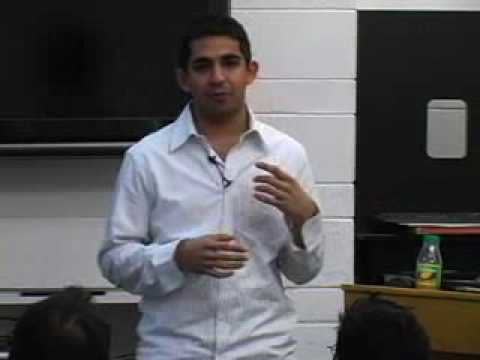
The University of Waterloo’s startup programme.
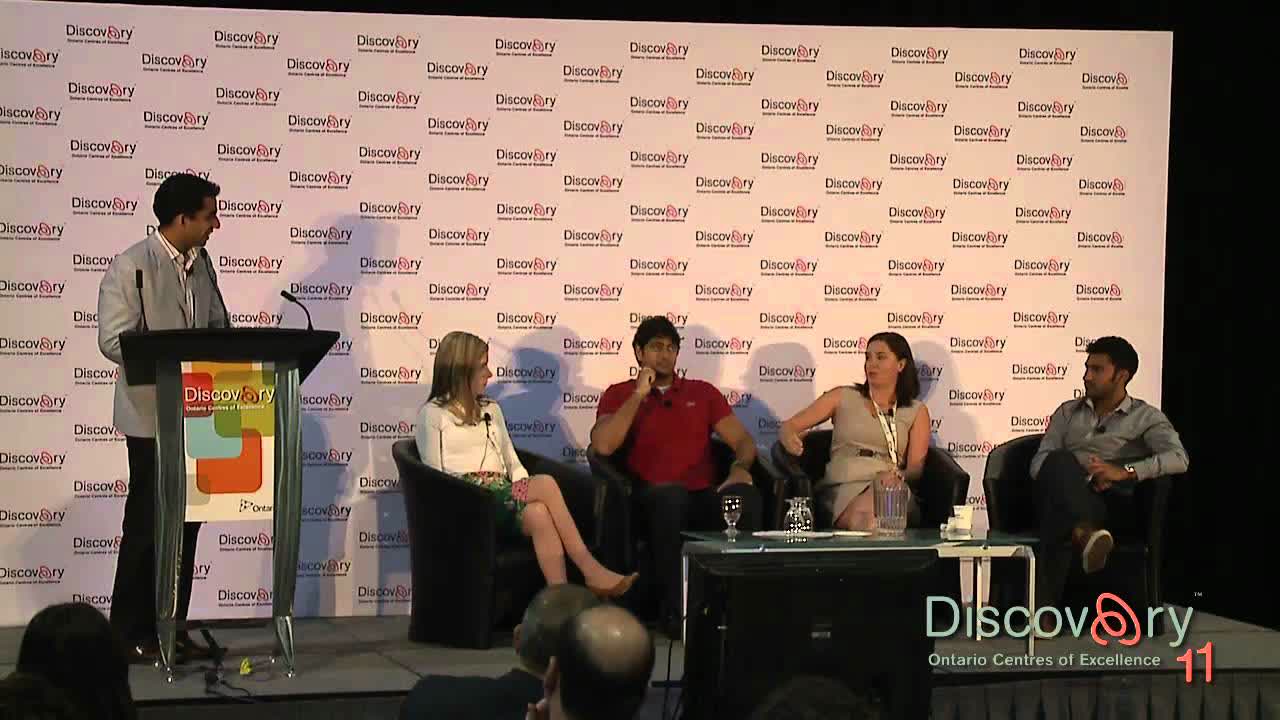
Ontario Centre of Innovation’s annual Discovery conference. Kunal moderated.
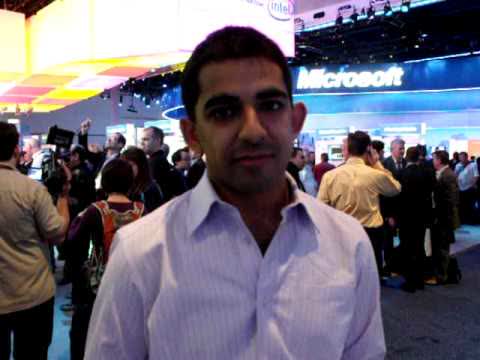
The Financial Post’s technology desk.
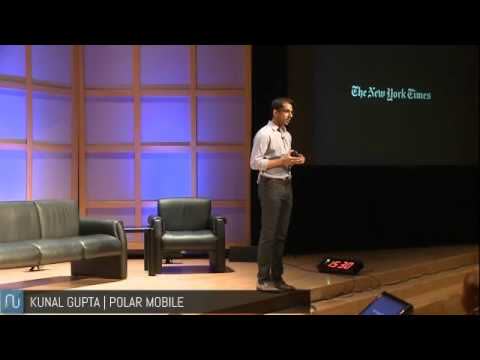
A show about the mobile industry and the people building it.
Canadian technology news for business leaders.
The national voice of Canada’s universities.
No conversations in this format yet.