AI, cognitive load and the things we no longer have to do

Chapters
Quotes
Host
Ross Dawson
Futurist, keynote speaker and founder of Humans + AI, a community and podcast on how AI can amplify human thinking.
Podcasts, talks and interviews where someone else held the microphone.
PodcastHumans + AI Futurist, keynote speaker and founder of Humans + AI, a community and podcast on how AI can amplify human thinking.
 Video podcastIn The Blink of AI
Georgie Healy hosts In The Blink of AI on the Day One network, talking to people shaping how we live with AI.
 Video podcastThe Seen
Kaia Tham’s show about people building unusual lives and companies.
Kaia Tham Who spent over 15 years as CEO, hired over 700 people-
Kunal So I decided I needed to start a company before I graduate university. So I'd say six months from idea to the product being live. Moved to New York, started to target bigger companies.
Kaia Tham What would it look like today if you'd started that same company now knowing what you know?
Kunal I've never felt so empowered before with these tool sets. It has enabled, um, almost anybody to become a builder. I'm not gonna get-
Kaia Tham Mm-hmm
Kunal ... ahead by reading what everybody else is reading. So that's why I, I created Pivot5 for myself, and today it goes to over 1 million people every day. It's growing very quickly. We'll be at a million-dollar run rate on an annual basis, and that was zero, you know, three months ago. That is completely AI-powered. There's no humans involved.
Kaia Tham Just in the research of this, I was talking to your clone-
Kunal I didn't know how to do any of this six months ago. There's only one way to get that experience, and that's by doing it. So I'm running a CEO of my company with offices in four countries and clients in 15 countries. I didn't think it was actually possible. Doors really start to open up when you're curious.
Kaia Tham You raised over $80 million.
Kunal I don't actually believe raising money is difficult. What's more important is-
Kaia Tham Hi, everyone. Today, we're here with Kunal Gupta, someone who has spent over 15 years as CEO, hired over 700 people, and raised over $80 million, collecting customers in over 30 countries. Kunal, for someone who doesn't know your full story, can you run me through the key chapters, what you've built, and what's led you to where you are now?
Kunal Yeah, absolutely. So excited to be here and share more. I started my business when I was 20 years old. I was in school, just graduating. I went to school, and I grew up in Canada, and I had a desire to work for myself, and that was my motivation. I didn't, I didn't really wanna work for anybody else, and I was too stubborn, so I decided I needed to start a company before I graduate university so that my parents don't ask me to go get a job. And that's what I did. I recruited five other people that were in school with me to also not do a job after school and come join me. We didn't really care or know what we were gonna do initially, so the first idea was really just to start a company. And then we s- got together and we're like, "Okay, let's figure this out." So we prototyped and tested tons of different ideas, and we had about six different projects at the same time that we were testing in completely different industries.
Kunal And one of them stuck and happened to be in the media and publishing industry, and then that led to me growing the business over 15 years as CEO. The business is quite large now. I learned a lot through the journey, definitely a roller coaster. And then about five years ago, I hired a CEO to run the company. I still own the business today, and over the last five years, I've been living now in Portugal and enjoying a slower pace of life.
Kaia Tham And for that initial company, you have a mantra now called prove it and then make it. And in those, in initial days when you're testing all these products in different niches, how are you proving your idea, and how are you validating it? What's that process like?
Kunal Yeah. I-I-I've had this mantra, it's like prove it before you try to scale it and, and build it because it's very easy to go and build something to scale that doesn't actually work or that's not needed. And it's also very easy to get stuck, uh, in the proving phase where you're constantly trying to prove something but never actually able to scale it. And I've done both. So I've learned from that to develop this mantra of first testing it and then once it's proven, then work on scaling it. So during testing it, it's really about being scrappy, being entrepreneurial, understanding what are the key aspects that I'm trying to test. Usually, it's not does the product work, and usually it's about does the market actually have a problem that I'm trying to solve? And a lot of people start companies by looking at what's their idea. I, I think the better way to start a company is to start by focusing on the problem.
Kunal What is the problem that I wanna solve? Knowing that the way I solve that problem can keep changing and keep evolving. So the real validation is actually the problem, not the solution.
Kaia Tham And for your initial media company, Polar, how did you validate that idea?
Kunal Took a prototype that we built for our initial product, and that was a mobile application. This is before the iPhone existed. Actually, it's probably before most of the listeners of this podcast were born. Back then, there was a time before the iPhone, before smartphones, before, uh, data on your mobile device, and it was only cellular networks for texting and phone calls. The initial idea was consumption on these devices. So we built an app, it was on the BlackBerry, which is, uh, a device that's no longer that interesting or popular to anybody. And I went and talked to media companies and publishers, really just one company that I, I, I had a contact with, and I showed them the idea of reading a magazine on a phone. And at the time, it had never been done before. And their initial feedback was, "Are people actually gonna do this?
Kunal Do people actually wanna read on their phone? People just use phones to make phone calls and write emails and send text messages." And I said, "Well, no, I think people are gonna wanna do more with these devices, and reading content while on the go is, I think, what people are gonna wanna do." So that's what we sold them as an idea, and then they initially got on board, and they became our first client. And with their help, we built the first product and launched it, got feedback, and got the second client, and then continually grew from there.
Kaia Tham And how long was that timeframe between when you had that idea, when you tested it, and then when you got your first client?
Kunal It would be a lot faster today because of AI and because it's much easier to build than it was back then 20 years ago, but it was measured in months. Uh, so from the idea to the prototype was about two months, and we were still students, so this was all being done off to the side as a, a side project. So nobody was working on it full-time. We're spending a few hours a day type deal on it. And then it took a few months to convince them and get organized, and then we launched. So I'd say six months from idea to the product being live.
Kaia Tham And then after that, how much time were you spending on acquiring new clients versus, like, satisfying this client, and then the five of you? What was the split between that?
Kunal Yeah. So I took the lead on sales and client interactions, and the other five members or six of us were all focused on building the product. And we built it as a platform, so it wasn't services, it wasn't custom development. It was a platform with templates that could scale. And once we had the first client live for about three months, we were still in school by the way, and they didn't actually know we were in school. We didn't disclose that 'cause we didn't think that they would trust us. Uh, so thankfully they, they did trust us, and after three months we had enough validation, and it was around the time we were graduating, we said, "Okay, there's something here. Let's not take jobs. Let's go in full time on this." And that's when we really started to grow and try to find new clients, move to New York, started to go and target bigger companies. But I would say, like, the first two years it felt like we were spinning wheels.
Kunal We had clients, we had revenue, we had a product, but everything felt like a slog. It was a long process to get clients on board. The products were buggy and hard to make work. It didn't feel like we were successful until two years in where the momentum started to, you know, catch fire.
Kaia Tham What do you think changed at that point? Was it just all the work started catching up to you and the momentum caught on, or was there something that you did that changed that?
Kunal It was two things. So one is the market caught up, so it felt we were actually a little too early, and that's the hard part when you're being innovative is you may be right and you may s- have clarity of what the future will look like, but if the world around you doesn't believe that today, then you kind of have to wait. Uh, there's only so much convincing, so much willpower you can apply to get the market to move. So we were early. We were probably about 18 months early. Thankfully we were young and naive and stubborn, so we stuck with it. We didn't give up. And the second thing was that we actually, in those first two years, actually got to learn how do you build software properly beyond the classroom, beyond school projects. And we made a lot of mistakes, and all of those mistakes helped us learn.
Kaia Tham If you were starting that company over today, was there anything that you would've done differently?
Kunal Everything I would do everything differently. And that's the whole point. It's about, like, incorporating what we learn and then being different and better. To think that at 20 years old I knew how to start and run a company, I would be foolish. I didn't, and I'm, I'm the first to say that. And today, I'm 40 years old and I, I do know how to start and run a company because I've done it and I have that experience. It doesn't mean, though, if you don't have the experience you shouldn't do it, you shouldn't try to do it. There's only one way to get that experience, and that's by doing it.
Kaia Tham So what would it look like today if you'd started that same company now knowing what you know?
Kunal Well, I think today, at least in technology, everything has changed because of AI. It has lowered the barrier. It has enabled, um, almost anybody to become a builder. So I've been working on a few side projects out of fun and out of passion, and I've been going at them solo. And I would've never thought that I'd try to build a business on my own, but that's what's been happening, and I've been having a lot of fun. So I think what I would do differently now is actually really lean into this mantra that less is more, and that less can be more. It's not about having a big company, a big team, a big customer base, big investors. There was a time and place for that, but I think now, at least for me, but I think for many others as well, I think it pays to be small and to be lean and to be focused on the actual purpose of a business, which is solving a problem for somebody.
Kunal It's not about meetings, it's not about structures, it's not about, you know, slog. It's not about all these other things that kinda get in the way.
Kaia Tham And I wanna talk a little bit more actually about your involvement with AI, because you're doing a lot more than what I think the typical person is doing on ChatGPT or Claude. Like, even just in the research of this, I was talking to your clone on the phone that I think you made with ElevenLabs. How are you staying ahead of the curve, and how are you investing in all these technologies and discovering them?
Kunal How was your experience speaking to my AI avatar?
Kaia Tham It was really good. It sounds like I was speaking to you as I am right now. It was really helpful.
Kunal If you want, as an experiment, you can do another podcast interview, like an entire interview with my AI, and then-
Kaia Tham I may have to try that
Kunal ... and then see what-- and record, and record it, and then see what the, what the viewers and listeners prefer.
Kaia Tham I will do that. Viewers, stay tuned for the next AI Kunal.
Kunal And I wanna listen to that as well. I, I wanna listen to that podcast. I, I'm obsessed with AI. I actually can't sleep these days. And it's from a place of passion and curiosity, not from a place of stress or boredom. I think I've never felt so empowered before with these tool sets, in that I'm an ideas person, I'm a creative. And even building a business, being an entrepreneur is really a creative act. It's expressing oneself. It's expressing a point of view. It's expressing an opinion. And AI now has given us all these tools to express ourselves so much more impactfully and so much more quickly. So I've been doing, uh, I've been doing a lot. So I wrote, I wrote a book. It's called "2034." You can check it out on Amazon. You can listen to it on Spotify for free. It's my AI voice that narrates it.
Kunal It's a book that I started-- So the first line of the book is January 1st, 2034, and I transport us all into the future, 10 years into the future, and the entire book describes what the world might look like in 2034. It was a lot of fun to write it. I interviewed over 250 people, uh, shortly after ChatGPT released, so over the course of 2023. Had conversations with 250 people. They were all recorded. Uh, with AI and with an editor, we went through the transcripts and then pulled out 100 ideas that different people came up with, and this was two years ago, so it was before we knew what AI was gonna do to our world, and we still don't fully know, obviously. And that's what the book is. It, it looks at every aspect of society and humanity, um, from all of these different lenses and, and, and, and, and builds out these 100 ideas.
Kunal That's just one example of something I'm doing with AI.
Kaia Tham And as all these new AI tools are coming out, how are you finding the tools that you are using, and then how-- what's your process for discovering, for playing with them and finding out how to use them best?
Kunal I mean, I use AI to learn AI, and that's, that's table stakes. I always have ChatGPT open. I actually just upgraded my computer because it was slowing down because I was using- ... ChatGPT so much, and I use the pro version. I, I do have a lot of other friends, and you know, like likes like attracts like. We are the company we keep. So a lot of people around me are also AI geeks and enthusiasts and playing around with it. And I will say, like, I'm not technical. I do not write any code. I've never written code actually since leaving university, and I, I don't need to anymore. It's been, it's, it's been so much fun playing with these tools, and I, I highly encourage, especially anybody who's young, to get your hands dirty. ChatGPT is not enough. There's so much more out there.
Kaia Tham What are the top tools that you're using, and how are you using them in your businesses?
Kunal I'm really getting into vibe coding.
Kaia Tham With Lovable?
Kunal Lovable.
Kaia Tham Yeah.
Kunal Lovable is... I keep having to, like, every week add more credits. Keep running out of credits. And then connected to Lovable, I would say n8n, so the n- letter N, the number eight-
Kaia Tham Mm-hmm
Kunal ... and the letter N, n8n, is probably my second most used tool, and that's really the brains. It's a workflow orchestration tool. And Lovable is being used really for the front end.
Kaia Tham Mm-hmm.
Kunal And then n8n is actually doing all the heavy lifting. It's like the engine of the car, where n8n is the cover and the paint. And then the third is Airtable. I use Airtable a lot as a very simple, easy-to-use database. And the three actually talk to each other very, very well, like they're friends. They don't get into fights or arguments. They know, they have experience playing with together, and it, it works really well. So I'm amazed, once you learn those three tools and then have ChatGPT or Claude open to, to tutor you, to teach you, to troubleshoot for you, those four together, um, you can make magic.
Kaia Tham What have you thought of the new ChatGPT Atlas? Have you played with that?
Kunal Yeah, I played with it the day it came out. I use ChatGPT so much, it didn't actually feel like that big of a difference.
Kaia Tham Yeah.
Kunal I haven't gotten into agents yet, like in terms of the browser agents-
Kaia Tham Mm
Kunal ... and them taking actions for me. I, I hope to and I intend to for sure. I actually got hung up though because my 1Password that I use for password management and a bunch of things that are so baked into Chrome that I didn't-
Kaia Tham Mm
Kunal ... even realize made it very hard for me to use any new browser.
Kaia Tham Yeah.
Kunal So the switching cost is actually much higher than we think for a browser.
Kaia Tham And you started Pivot5, which is an AI daily newsletter, and you release every day for five days a week. Can you tell me a little bit more about when you started that, and what was the initials, the idea that sparked that concept?
Kunal Yeah. I started Pivot5 two years ago, and it came from a place of feeling the information overload. I wanted to stay up to date of what was happening in AI, but there was way too much information coming at me, and it felt overwhelming and intimidating. And there are other AI newsletters out there, but I felt at an emotional level, whenever I read one of them, I felt worse than when I... before opening it. And what I mean by that is I felt this FOMO. I felt there was so much information. I felt that I didn't know what was actually happening, scared I might miss something, and cognitively tired of having to filter through so much content to find the signal from the noise. And you know, I read the business news, been doing that for, for years, and it was too high level.
Kunal Knowing, you know, when you read Bloomberg or The Wall Street Journal or CNN, you just know, like, the whole world is reading these things, so I'm not gonna get-
Kaia Tham Mm
Kunal ... ahead by reading what everybody else is reading. And so that's where I f- I created Pivot5 for myself, and that's the best way to build a business is to scratch your own itch because you really understand the problems to solve, back to my first point. So that's, that's where Pivot5 started, and, uh, it's a daily newsletter, Monday through Friday, and it's very simple. It's got five stories. Takes less than five minutes a day to read, uh, and it's five days a week. And today it goes over, out to over 1 million people every day. People really love it, and it's growing very quickly.
Kaia Tham And once you had that problem, how long... What did you start doing after that? Did you just start writing the newsletter immediately, or what was that? What was the process you had to go through to get to the product to where it is today?
Kunal So Pivot5 is completely AI powered. There's no humans involved.
Kaia Tham Wow.
Kunal It's, it's, it's AI powered the entire process. I do spend about five minutes a day confirming-
Kaia Tham Mm-hmm
Kunal ... the stories that get chosen, but I've got an AI agent that filters what's happening across the web, an AI that could be relevant over the last 24 hours. So it picks a subset of stories.
Kaia Tham Mm-hmm.
Kunal I'll go in there and order them based on importance, um, and that's it, the entire workflow. So the images, the headlines-
Kaia Tham Wow
Kunal ... the subject lines, the summaries. The summaries are bold on the key points. It's entirely the stack I, I, I mentioned, Lovable, Airtable, n8n, those three, and ChatGPT.
Kaia Tham That's incredible.
Kunal So it's, it's, it's more than running the newsletter. It's been fun building an AI native company, and I've done it 100% on my own, and I didn't know how to do any of this six months ago. Um, so it was being done a little manually before, but now it's, it's fully automated.
Kaia Tham And what were the exact steps you went through? Like, how did you... What are you prompting ChatGPT? How are you connecting these agents together?
Kunal I just started, uh, with one feature at a time, and I think this approach is relevant for building anything. It's thinking through, like, what's the simplest way I could get something to work? So you know, I was showing a friend the other day how to use my stack to build something. So we opened up Lovable. We created an empty text box with a submit button, and then we figured out how do you enter text, hit submit, store it into n8n, have it put into Airtable-
Kaia Tham Mm-hmm
Kunal ... and then have it show back on the page. So any of the AI apps I build just start really simply, like, let me just get the underlying plumbing working. Takes less than an hour, and then let me just add one feature at a time. And every feature after I add it, I make sure the app still works. I never go too far, so that way if something doesn't work, then I can solve it then and there versus getting too far ahead of my skis-
Kaia Tham Mm-hmm
Kunal ... and then feeling stuck. So I mean, this is after, you know, years of experience of building products, but just taking a very iterative approach one feature at a time, not trying to boil the ocean, not trying to do a million things. It's kinda like walking. You just take one step at a time.
Kaia Tham So once you had that initial draft and you had that first newsletter, who were the first people to read it? Was it your existing base of consumers in your network? Were you putting out ads?
Kunal Yes. I have- I have an existing newsletter called HowToLive. It's howto.live if you are curious about it, and that's been going on for 10 years, and that goes to about 100,000 people. So that's where I started, using my existing newsletter. That newsletter is about personal reflection, uh, leadership, philosophy, culture. So it's a completely different topic than, than what Pivot5 is. But these are people that I know engage and appreciate getting content over email. And then with my business, you know, we've over the years built up quite, you know, large lists. So the short answer is I repurposed existing audiences that I've already had relationships with, and then once that created the foundation, then started to drive both organic and paid efforts to grow the audience. I would say I'm still experimenting with how to, you know, further grow the audience.
Kaia Tham Mm-hmm.
Kunal Some things are working. Frankly, most things that I've tried for audience growth haven't worked, and that's all part of the process.
Kaia Tham So if you were starting a newsletter today or a new company today, what would be your process if you didn't have that existing base of consumers in your network to finding your very first customer?
Kunal I would start by really understanding the problem and going to find, uh, and interview and speak with people who might have that problem. I often get pitched people, from people who are starting companies, and they're asking me questions, and they get annoyed with me 'cause my answer is often, "Why are you asking me these questions?" Like, you need to be asking your customers. You need to be asking people who are in the industry if that's a problem they have.
Kaia Tham Mm-hmm.
Kunal So the biggest thing is, like, going to the right people, not wasting time trying to get opinions from people who don't actually have the problem. Talk to people who have the problem you're trying to solve. And then the second thing is to be curious, is to ask questions. It's not about trying to get them to buy your product or sell it. It's really understanding and confirming that they have the problem, understanding why they haven't solved it, understanding what alternatives they've considered, understanding how much the problem is worth to them. Would they pay for a solution to that problem? Um, who has to weigh in to, you know-
Kaia Tham Yeah
Kunal ... agree on the solution to that problem? It's asking question after question after question to really, like, understand them.
Kaia Tham And just to go back to Pivot5 quickly, 'cause you said, like you said, it has over one million active users, subscribers, sorry, and I pulled up some statistics as a comparison for what are good metrics for a newsletter for that size. So it said that a good metric would be an unsubscribe rate of less than 0.5%. You have 0.09%. Another good metric for that u- newsletter of that size would be an open rate of 15 to 25%, and you have 44%, and an active rate of 83... a- ac- active retention, sorry, of 83%. What about Pivot5 do you think separates it from those other newsletters and makes those statistics so significantly higher?
Kunal Yeah, so two things. So one is the product itself is, is a good product, and I've spent two years refining the format. It is designed for me. Like, it's designed for somebody who's busy, who doesn't have a lot of time, who wants to stay in the know, is more business-oriented than product-oriented. So it, it kind of hits the target market, and it gets... it's very sticky in that sense. And then the second is actually, which helps the metrics, which is what you've quoted, is that if people aren't engaging with the newsletter, then we actually take them off. So the newsletter's actually been sent to, like, 1.6 million people.
Kaia Tham Wow.
Kunal Um, so, but we've stopped sending it to people who aren't engaging with it.
Kaia Tham And what, uh, like, what's the metric for them not engaging with it? Not opening it regularly enough?
Kunal Opens and clicks, yeah. Opens and clicks are the main, main metrics.
Kaia Tham And then do you permanently take them off your mailing list?
Kunal Yeah. Yeah, permanently take them off.
Kaia Tham And what was the intentionality? Like, what changed from the initial product to, uh, where it is today? Were those metrics always that high, or have you really refined it as it's grown?
Kunal It's definitely refined, and the metrics are definitely growing. You know, just being able to use the product myself has been very helpful, and look at it with a critical lens and a fresh set of eyes as much as that's possible. I think at an emotional level, it's not being attached.
Kaia Tham Mm-hmm.
Kunal It's not being stuck into thinking, "Well, this is what we did before, so that's what we're gonna do now." For example, we have images. We have five images in the newsletter every day. Initially, they were orange. The theme, the color theme for the brand is orange, and they were a bit robotics and, you know, AI. You stick AI into any image gen tool, you end up getting a lot of robots and things like that. And we did that for, like, over a year, and I never liked the images, and I just felt like I had to do it because we kept doing it. And then today, the images are completely different. They're colorful.
Kaia Tham Mm-hmm.
Kunal They're a watercolor sketch. They're inviting. They're soft. It very much changes the, the, the brand. And I can guarantee you a year from now the images will be different, or not that we haven't been successful at iterating and adapting.
Kaia Tham And since you have so many subscribers, uh, how are you getting advertisers? 'Cause I see on the website that you can apply to advertise on it. Are you actively going out and doing outreach to get advertisers on, on the newsletter?
Kunal Yeah, we have quite a few advertisers. It's a hot vertical. A lot of companies wanna reach professionals who are-
Kaia Tham Mm-hmm
Kunal ... interested and curious about AI. A few means, so, so advertisers contact us because they themselves get the newsletter and, and like it. Another way is that I have an agency that I've partnered with that have experience specifically with email ad sales. So they actually represent advertising sales for a number of newsletters, and they'll bundle it together. So that's been effective. And then my business was in the advertising industry, so I have quite a few relationships.
Kaia Tham Mm-hmm.
Kunal So I've also leveraged that to secure some, some longstanding advertisers.
Kaia Tham Can you share any revenue numbers from those? Like, how much are the spots going on the newsletter? If you can't as well, that's okay.
Kunal Yeah, I mean, in aggregate, the newsletter over the next month or so will be at a million dollar run rate on an annual basis.
Kaia Tham Wow.
Kunal And that was zero, you know, three months ago. So just started to, to, to, to, to run ads, and I expect that to, to grow quite a bit next year.
Kaia Tham Are you investing a lot of that back into paid advertisements for the newsletter, or no?
Kunal Some. Because there's no staff-
Kaia Tham Mm-hmm
Kunal ... there's not that many costs, and that's the thing about having an AI native business is you can approach it in a very different way and do it much more efficiently. It's been actually a lot of fun to, like, build it from scratch-
Kaia Tham Mm-hmm
Kunal ... with AI being, like, the primary objective. So it's a business that covers the AI industry, but what's more interesting about it is that it's AI powered.
Kaia Tham For someone who is looking at starting a business that's AI native, would you have any advice for them?
Kunal Be ready to iterate. Be ready to change courses quickly. Be ready to zig and zag. Because the cost and the effort to build a prototype is so low, one shouldn't get too attached to their initial starting point. As you go forward, then keep iterating and evolving, uh, until you find something that fits.
Kaia Tham Do you think any company can now be built with AI as a backbone, or only specific niches will work as AI, AI native companies as of today?
Kunal Within the digital economy, within the knowledge work-
Kaia Tham Mm-hmm
Kunal ... economy, uh, yes, 100%. Um, you know, am I gonna create like a water bottle company that's AI first or a, a restaurant? Sure, you can use some AI, but, um, it's not gonna make or break the business. But I think anything that's knowledge-based, that's digital, like absolutely.
Kaia Tham And I wanna talk a little bit about your books, 'cause you've written four books now, and well, one of them in particular called Unlearning, you discuss 15 real life experiments that you conducted in your own life that challenged your belief and current held conventions. I want to ask, just ask, what's your, what was the best experiment that you think that you ran? What, what was the one that had the biggest impact on your life personally and on your business?
Kunal So my book Unlearning covers a 10-year period of my life from the age of about 25 to 35, and it includes a number of experiments that I did on life. And I, at the time I was doing the experiments, I didn't share with really many people that I was doing these experiments, and that is because I was doing them for myself. I wasn't doing it to talk about them or to share them. I only in the last few years actually decided to write the book and, and share them out there to hopefully inspire and support other young people. I did an anti-consumerism experiment, so I went two years and didn't buy a single thing, didn't buy a single physical good.
Kaia Tham Wow.
Kunal And that was really impactful because at the time I was buying a lot of things.
Kaia Tham Mm-hmm.
Kunal So for me, it was a helpful reset. It was obviously a very extreme one. Uh, this was before the minimalism movement and whatnot, so this is a few years before that. But I got inspired by the idea of, of less is more, where before I was very much on the wheel of more is more.
Kaia Tham What did you learn about yourself through that process?
Kunal I learned that I don't really need very much stuff, and I learned that I don't need to be as attached to things as well. I learned to take care of the things I have better, where before I was quite careless. And I realized a lot of stuff gets in the way of what is actually important in life, and we can often get distracted to think that this object is going to bring me happiness or satisfaction. By removing all physical, um, you know, acquisitions of goods for two years, I had to learn to find that satisfaction, uh, where it actually is, and that's in connection with people, that's in challenging myself. That's a lot of self-reflection. That's when I started to meditate. So a number of things became clear for me once I removed the distraction of stuff.
Kaia Tham And two years is quite a long time. Why did you come up with that specific number? And was that a number that you came up with right from the get-go? You said, "I'm gonna do this challenge and I'm gonna do it in two years," or did that number come along as you started d- doing the challenge every day?
Kunal I didn't think I could do it. When I had the idea to do this experiment, I said, "I'm not gonna tell anybody," because I didn't think it was actually possible. And I initially said to myself, "Let me try it for six months." And then after a few weeks I was like, "Okay, I'm still not sure if I'm actually gonna be able to do it for six months." And then once six months hit, I felt the experiment was still very juicy for me.
Kaia Tham Mm.
Kunal Like, I was still learning. I was still feeling discom- uncomfortable. I was still feeling challenged, and I was like, "Okay, I need to keep going because this experiment is still teaching me quite a bit." And then after a year, same thing. I was like, "I, I'm not, I don't feel I'm done with this yet. I still feel I have more to learn." But around 18 months or so, I was like, "Okay, this is starting to feel a little dry, a little repetitive. I'm not-"
Kaia Tham Mm-hmm
Kunal ... "learning. I'm not changing." And then at the two-year mark, it kind of naturally faded away, and it's not like I went and bought a bunch of stuff. Like, it wasn't that I was holding back, I just, it had-
Kaia Tham Mm
Kunal ... transformed me and that I didn't have that desire anymore. Um, and that led to my second experiment, which was to experiment with my, my physical space. So I went-
Kaia Tham Mm-hmm
Kunal ... um, over the next year on and off, I spent 107 nights sleeping in people's homes.
Kaia Tham Wow.
Kunal And not sleeping in my own home, not sleeping in Airbnbs or hotels, or my parents' home or my sister's home. Uh, at that point I gave up my apartment, so-
Kaia Tham Wow
Kunal ... I either was like at my sister's home or my parents' home-
Kaia Tham Mm-hmm
Kunal ... hotels or Airbnbs, and all of that was considered home because I had control over the space. So two thirds of that year I spent in spaces I had an influence or control over, but then-
Kaia Tham Mm-hmm
Kunal ... you know, 107 nights, it was learning to ask people for a place to stay. And I didn't tell anybody why I was doing this, and unless somebody was directly involved, they had no idea that I was doing this experiment. And it was hard. Yeah. And that's why I wanted to do it. I wanted to challenge myself, and I'd already gotten rid of all of my stuff 'cause the last two years I didn't buy anything. And, uh, still running as CEO of my company with offices in four countries and clients in probably 15 countries at that point. I was traveling every week for business, and I'd be doing like a full day of meetings in New York City-
Kaia Tham Wow
Kunal ... and then crash on a friend's couch in Brooklyn that night with my backpack, and the next day kind of dress up and go back in the city and pretend like, uh, I had stayed at a hotel and I was comfortable- ... even though I was anything but that.
Kaia Tham And what's your ideation process for coming up with those experiments? 'Cause they're very unique, and especially before you had AI to talk to and to ask for ideas and things like that. How did you come up with those?
Kunal A lot of it was self-reflection. And so I got really into mindfulness and meditation, journaling. Uh, so a lot of these came from deep inside myself-
Kaia Tham Mm-hmm
Kunal ... by taking a moment to sit and think and reflect and observe myself. Some of it came from watching documentaries and, and I guess really being curious, so reading books and documentaries and conversations with other people. You know, the houseless experiment, I was on a meditation retreat, a 10-day silent retreat, and at the end of it you start to talk to each other, you know, for about half a day once you come out of silence. And I met somebody who had lived out of his van for four years.
Kaia Tham Wow
Kunal And that, like, clearly planted a seed in me. I saw this documentary called The Kindness Diary of this Australian man who traveled the world off the kindness of others, and he documented it. So a lot of these were influences that inspired me to do my own version. And I was much younger, you know, then, very motivated in a different way than I am now. So it was the right thing to do, uh, you know, at the right time.
Kaia Tham And are you running any of these experiments today?
Kunal Not in the same way, partly because I feel satisfied. Like, I feel like-
Kaia Tham Mm
Kunal ... got it out of my system. They challenged me. They helped me learn. They helped me grow. And I feel much more at peace with-
Kaia Tham Mm-hmm
Kunal ... with who I am and how I am and how I move through the world today. My experiments now have a probably more creative lens, like writing a book or vodcoding an app-
Kaia Tham Mm
Kunal ... or learning a new topic or a new skill. So it's less about challenging myself and more about exploring curiosity.
Kaia Tham And as you're doing all these things, as you're writing books and running your companies and you've got the newsletter and you're playing with AI, how are you auditing your time?
Kunal So I, uh, in my other book, Chief Everything Officer, which is my business memoir, uh, I have a chapter on this topic, and I talk about how I started to do time audits in a very methodical way. And I had a spreadsheet. This is like 12... longer. This is like 14 years ago. And I would pull up my calendar and try to audit where am I spending my time. And I did an annual audit for like four or five years, and I published it to the team, and I published it publicly on my blog to say like, "Here's how I spend my time, what cities I'm in-
Kaia Tham Mm
Kunal ... you know, what activities I'm doing, what type of meetings I'm doing, how much of it is with my team versus clients versus investors," and it was really enlightening. But under that is really a desire to be aware-
Kaia Tham Mm-hmm
Kunal ... a desire to bring awareness and put the attention on a very valuable resource, which is our time. I think today because I'm not active operationally in a company, I have a lot more flexibility. I don't really keep a calendar. I don't have meetings. I don't have Zoom calls. So that forces me to implement my own structure, which I do through a morning routine that's, you know, quite grounding for me. Uh, a few daily activities that I enjoy, be it professional or personal. Me and my partner enjoy spending time together. So it looks very different today in terms of how I spend my time than I, than when I was, you know, running a company.
Kaia Tham And through doing that audit, how much of your behavior changed and what, what changed?
Kunal The first audit I did, before I did the audit, I estimated how much time I'm spending in each bucket. And when I did the audit and then I realized how wrong I was, and that was pretty eye-opening. And, uh, one example was that is I looked at all the meetings I have, I had in that year, which was like thousands, and I categorized them as how many are with the team internal versus clients, you know, versus press versus investors versus partnerships. And my guess was I probably would've done 10 or 15% of my time as internal meetings, and it came out close to 40%.
Kaia Tham Wow.
Kunal And I was appalled because I was the number one salesperson on the team, and my job was to be with clients.
Kaia Tham Mm.
Kunal But I was spending more time with the team than with clients, and that like, that didn't feel right. And the fact that I didn't even know that was the case-
Kaia Tham Mm-hmm
Kunal ... you know, really inspired me. So literally a week later, I turned around to the whole team and I announced that I realized for me to have less meetings internally, the whole company had to have less meetings.
Kaia Tham Mm-hmm.
Kunal So I, uh, did an experiment with the team where we said every Tuesday and Thursday was gonna be a meeting-free day. And that happens a bit today, but this is like-
Kaia Tham Mm
Kunal ... 12 years ago. That is a long time ago before anybody had ever, uh, done it. And I continued to do the time audit, and the number of meetings I did with the team, you know, came down to under 15%, thanks to this practice.
Kaia Tham Wow.
Kunal And everybody in the company was also doing less meetings and more work. Uh, so that's like an example of how bringing awareness to something, uh, can be eye-opening, and that awareness itself inspires action, and that action leads to change.
Kaia Tham So if someone wanted to gain more awareness about themselves, where would you suggest they start? With a time audit, with something else?
Kunal I think reflection is very helpful, and how one reflects doesn't really matter. Could be through meditation, could be through prayer, could be through getting into a flow state with a sport, could be through reading something inspiring, going on a retreat, going on a walk, could be a close friend, therapist. Journaling I find very, very effective. So the modality of reflection are plenty. The modalities are plenty. But having a reflection practice, having an intention and a desire to reflect, I think is really powerful because reflection, like lit- the literal reflection is like looking in a mirror and seeing your reflection. And if we don't pause on a daily basis to do that, then we don't actually see who we're becoming. We don't see how we're acting.
Kaia Tham Mm-hmm.
Kunal We don't see how we're showing up. The reflection just by seeing ourselves allows us to course correct and self-adjust, and it almost happens unconsciously. Like if I see an injury on my hand or my arm or my leg-
Kaia Tham Mm-hmm
Kunal ... I don't have to think, "Hey, should I go like care for it?" I'll go get a Band-Aid-
Kaia Tham Mm
Kunal ... or I'll go get an ice pack. Like it'll be unconscious of like, I need to take care of this. So similarly like reflecting of like, okay, today I'm feeling a lot of emotion, um, on this one topic. Okay, clearly I need to bring my attention on that versus trying to-
Kaia Tham Mm-hmm
Kunal ... ignore it. So reflection as a practice would be the number one way I would say to catalyze change.
Kaia Tham Mm-hmm.
Kunal Because once you see yourself, then you start to see what you want to change.
Kaia Tham Are there any specific practices of reflection that can make people more conscious about doing it and more impactful in the way that they do it? Like are there any specific questions you have or that you ask yourself or specific times of the day that you started doing this so that eventually becomes unconscious?
Kunal So the first is to set the intention. That's, and that's the hardest part is to say like, "I want to become reflective," or, "I want to reflect regularly or daily." That's the first step. It's not like, "Uh, I might think about this," or, "Maybe one day I'll start this," or, "After I finish this project or year or job." Then I'll start it, is to say, like, I wanna start to reflect. Second step is to, I would say look at what gets in the way of reflection. And for your generation it's probably technology-
Kaia Tham Mm-hmm
Kunal ... that gets in the way of reflection, in the sense that technology, it could be social media, it could be phones, could be devices, just takes us out of ourselves and takes us into another world, which is exhilarating, and there's dopamine, and there's like-
Kaia Tham Mm-hmm
Kunal ... learning and curiosity, and it's interesting. But it takes us out of ourselves, and the whole point of reflection is to go within ourselves and to see ourselves. Understanding, even at a cognitive level, that there's certain things that help us be reflective-
Kaia Tham Mm-hmm
Kunal ... and certain things that hurt and make it hard to be reflective. And I'm not saying, like, you need to be reflective 24 hours a day. I'm not saying you need to be off social media. But it's just, like, understanding I can't reflect if I'm being transported into somebody else's world.
Kaia Tham Mm-hmm.
Kunal The whole point of reflection is to transport myself into my world. Um, so that's kind of the mindset, and then to what you're asking, you know, meditation is useful, breathwork is useful, journaling is useful. Even a deep conversation with a friend is useful.
Kaia Tham Mm-hmm.
Kunal These are all just tools. I don't think the tools matter too much. If one is set the intention and determination to be reflective, then you'll find the tools that work for you.
Kaia Tham I wanted to talk a little bit about, this is a different topic, but you raised over $80 million, and I wanted to ask how many companies was this split over?
Kunal This was my main company that I ran.
Kaia Tham Just over the one company. And what was that process like? Like, what was the first time that you raised money, and how did that affect how you raised money later on, and you got up to a cumulative 80 million?
Kunal The way that money's raised today is probably looks a lot different than my experience. So I'll try to focus on the parts that are most likely to be similar. The first one is that I don't actually believe raising money is difficult, and I, I write about that in my book, Chief Everything Officer, and it's controversial because a lot of people starting businesses spend a lot of time fundraising, and I think that time is better spent solving a problem for a customer-
Kaia Tham Mm-hmm
Kunal ... or a user, building the product or spending time with customers. If you're solving a problem for a customer and they value that solution, then raising money is easy because it's very easy-
Kaia Tham Mm
Kunal ... to demonstrate, like, here's the market, here's the problem we're solving, and here's what people are saying and paying us to solve that problem. If that's very clear, as in if you have a good business, then the raising the money is becomes a bit more administrative, a bit more of a process that's, that's, um, it's quite tactical versus strategic. If you have to work really hard on raising money, then I think you need to ask, "Is this actually a good business?"
Kaia Tham Mm-hmm.
Kunal "Am I actually doing something that is valuable if I have to work so hard to convince other people that it's valuable?" The same thing with selling a product to a customer in case of B2B, or B2C in the case of a user. If I have to put a lot of effort to convince somebody to use my product or pay for my product, or to keep using my product once they've started using it, then there's probably something not right about the product.
Kaia Tham Mm-hmm.
Kunal So it's not the answer you were looking for, but it's what I believe, which is to, like, focus on the problem you're trying to solve, and if you do that well, then everything else becomes easy. And if you can't do that well, everything else will feel hard.
Kaia Tham And there's a story I read actually talking to your Eleven Labs clone about when you were at Waterloo raising your first $13,000 for a student conference for the university. Can you tell me a little bit more about that?
Kunal Yeah. So when I was a university student, I started an entrepreneurship club on campus. It was the first one of its kind in Canada. This was a very long time ago, before entrepreneurship was cool. And
Kunal we had rented a hotel, we had gotten entrepreneurs to come and speak, we had gotten sponsors. And the day before the conference, the conference was on a Saturday morning, and the Friday afternoon the hotel called me and said, "Hey, you need to pay a deposit for the event." And I didn't have the money. And we had sponsors, so we knew where the money was coming from, but the sponsors were IBM and Mastercard and Deloitte-
Kaia Tham Mm-hmm
Kunal ... and they take forever to pay. Which I was 18 years old at the time. I didn't know that. So I didn't understand that, like, the timing of my revenue versus my expenses mattered.
Kaia Tham Mm-hmm.
Kunal So I... It was 4:30 PM, I still remember this. I, I went to the vice president of finance for the student council for the university, and I said to him, "I need you to write me a check for $13,000. Now. Otherwise, I can't host this conference tomorrow." And he kind of stared at me and he's like, "Are you crazy?" And I explained to him, I was like, "Don't worry. We're good for the money. You know, the sponsors will pay us after the event. But I just need basically a loan." And, uh, he gave it to me.
Kaia Tham Wow.
Kunal He took out the checkbook and, and wrote the check, and then I took a taxi to the hotel and gave it to them. Then we had the conference, and the sponsors paid us in the following few weeks, and then we, you know, paid the government, student government back. But that was an example of, like, we were really-
Kaia Tham Mm-hmm
Kunal ... you know, down to the wire, didn't know, we were naive. I was 18 years old, and you kind of just find a way when you're motivated.
Kaia Tham And has that shaped how you started to build your other companies and how you started to raise money for them?
Kunal It's less about raising money, and raising money is not actually that important, I feel.
Kaia Tham Mm-hmm.
Kunal What's more important is solving the problem for the customer. I think especially now, if anybody's thinking of starting a company, because AI has made it so easy, at least within a digital context-
Kaia Tham Mm-hmm
Kunal ... to start something, you shouldn't need to raise money. You should be able to start something, and if you're solving a problem for somebody, then they'll pay you for that eventually.
Kaia Tham Mm-hmm.
Kunal And there's nothing wrong with raising money, but that shouldn't be on the critical path to starting the company.
Kaia Tham Do you believe that then that problem you should have as an entrepreneur yourself, and it should be a personal problem, or could it be a problem that you've seen in others? Like, how do you know whether your problem is good enough and is faced by enough people to have a big enough addressable market, a big enough TAM?
Kunal You have to talk to people. You have to get out there. You have to put it out there, and once you've put it out there and spoken with people, you have to be open to listening. I, initially I, I went through periods where I was not open to listening, and we launched lots of products that failed. They were dead on arrival. And I al- I always attribute it back to the character trait of in those moments, I wasn't listening-
Kaia Tham Mm-hmm
Kunal ... close enough to what people were telling me. If enough people are saying, "Yes, I want this," that's a sign to do it. If enough people are saying, "Interesting, but not required. Nice to have, but not a must-have," if enough people say that, then it's better to listen. So learning to listen, which is very humbling, because you have an idea, you're excited by it, you're gonna pitch it.
Kaia Tham Mm-hmm.
Kunal But learning to listen is, I think, one of the most important characteristics of, of, of a leader and an entrepreneur.
Kaia Tham And just to wrap this up, the scene is yours. Is there anything else that you wanted to share with our listeners today that you haven't yet?
Kunal I would say to stay curious. You'll be surprised how far pulling your own thread of curiosity can take you, and how doors really start to open up when you're curious about what might be on the other side.
Kaia Tham Thank you so much. That's a wrap
 Video podcastThe Seen
Kaia Tham’s show about people building unusual lives and companies.
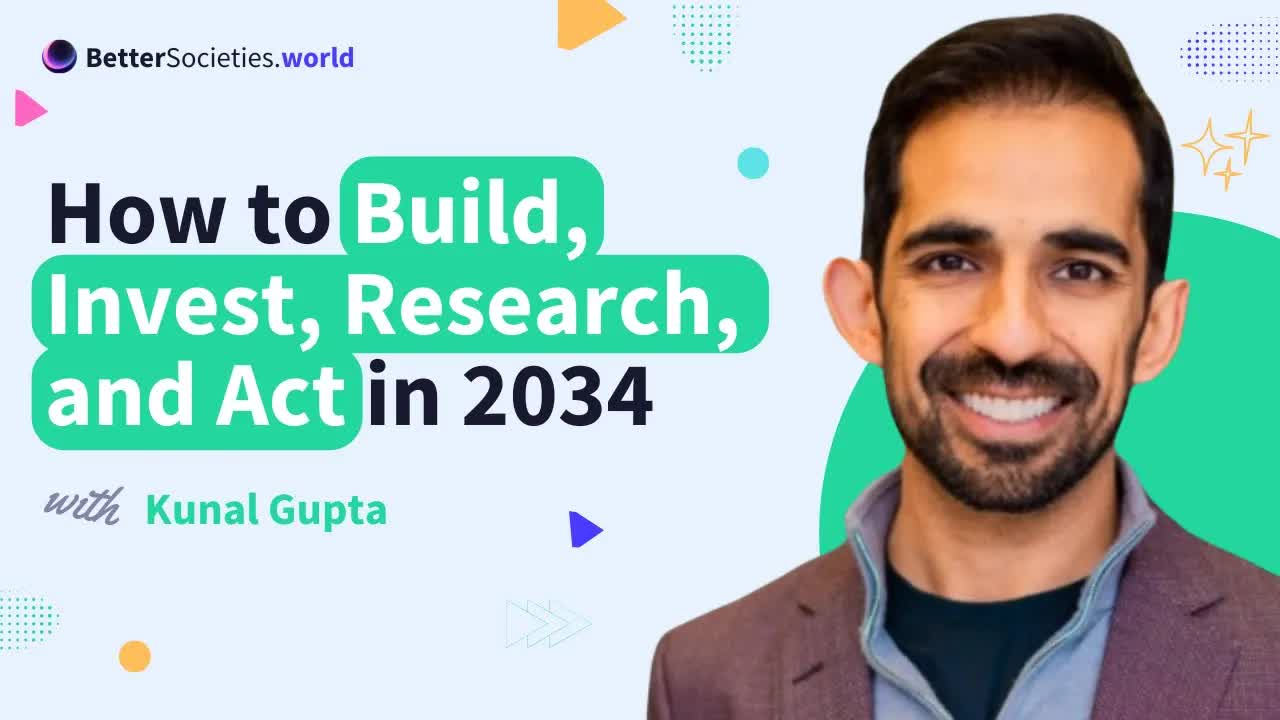 TalkBetter Societies
Adrien Harrison’s Better Societies: a how-to guide for building better societies.
 Video podcastA Success of Our Own
Natalie Ruskin’s show for anyone ready to create their own authentic version of success.
 Video podcastTheStevePodcast
Conversations with the authentic unprofessionals who are changing industries.
 InterviewSander Recommends
For people thinking about moving abroad, buying property, starting a business or investing internationally.
Jon Davids talks to entrepreneurs and creators about how they made it.
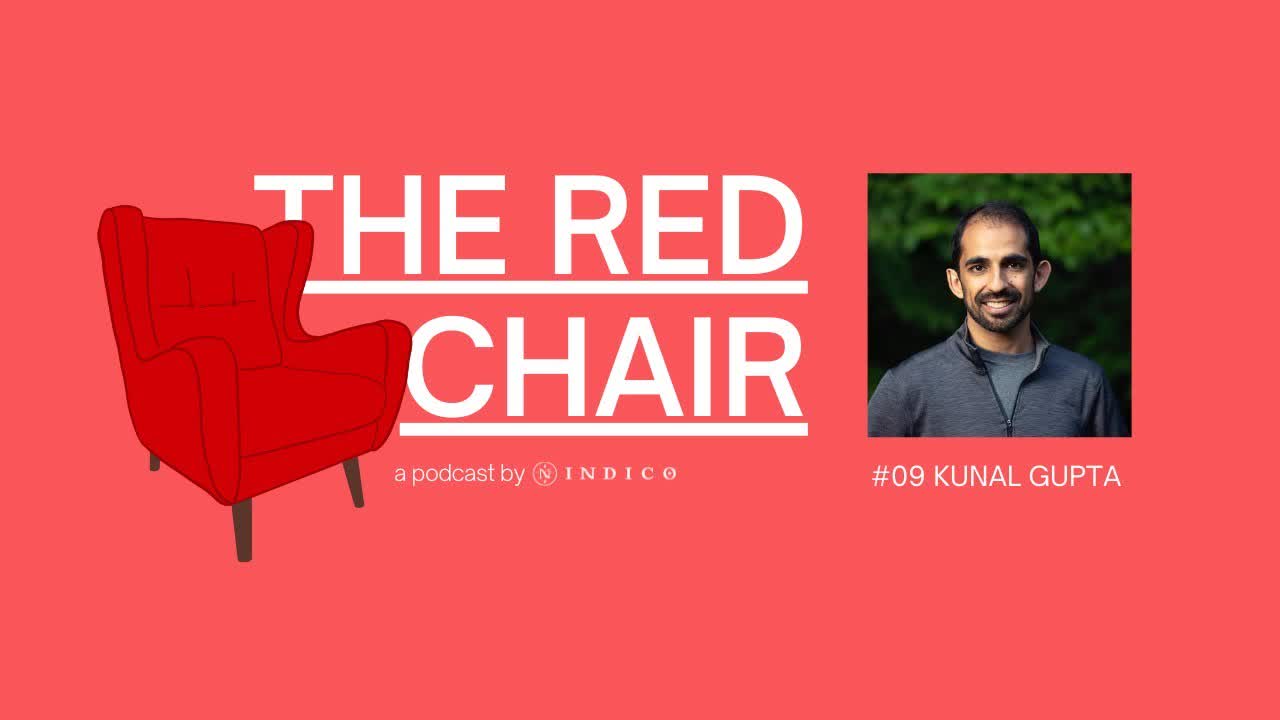 Video podcastThe Red Chair
Índico Capital Partners, a Lisbon venture firm, hosts a monthly close-up conversation in two big red chairs.
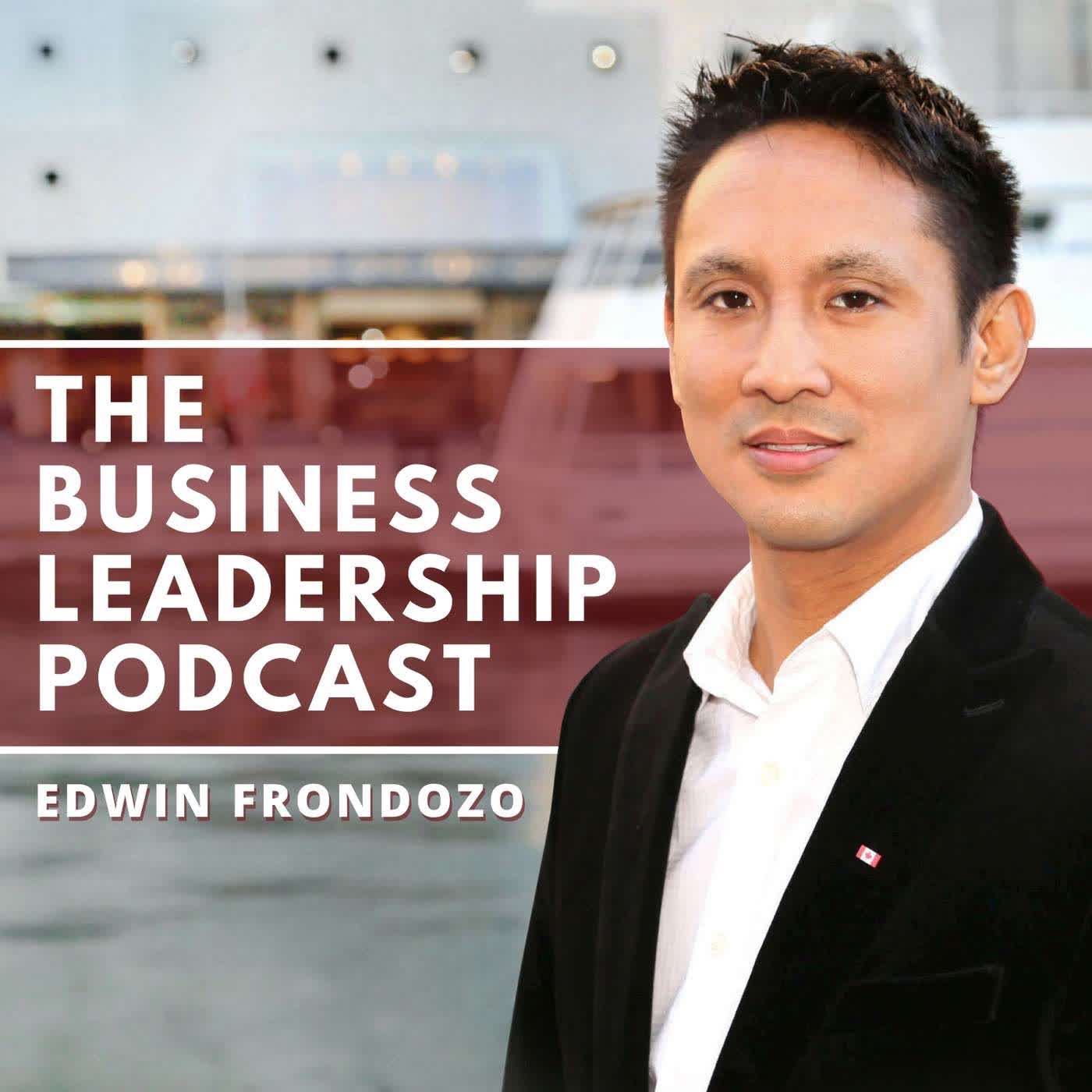 Video podcastThe Business Leadership Podcast
Edwin Frondozo interviews business leaders on how they lead and grow.
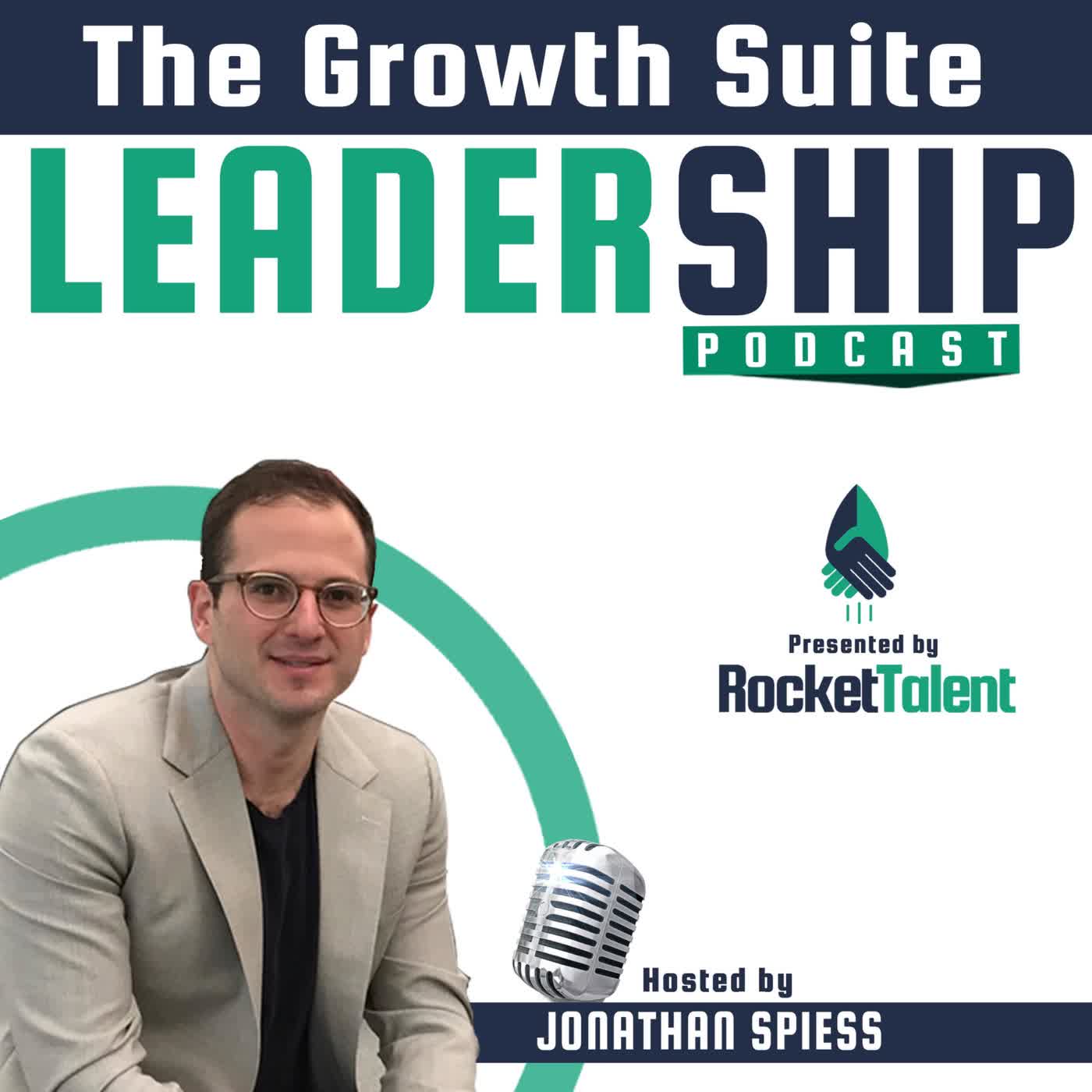 PodcastThe Growth Suite Leadership Podcast
Jonathan Spiess on leadership and building high-growth teams.
 PodcastStigma Podcast
Stephen Hays on mental health, and the people working to remove its stigma.
 PodcastSober Company
Nik and Lacey on living alcohol-free, with guests on the habits that replace drinking.
 PodcastAdExchanger Talks
The podcast of AdExchanger, the trade publication for advertising and marketing technology.
 Video podcastThe JOMOcast
Christina Crook, author of The Joy of Missing Out, on living well with technology.
 TalkUniversity of Waterloo
The University of Waterloo’s alumni webinar series. Kunal studied software engineering there.
 TalkTEDxSiliconNorth
An independently organised TEDx event for Canada’s tech community.
 TalkMaRS Entrepreneurship 101
MaRS, Toronto’s innovation hub, and its Entrepreneurship 101 lecture series.
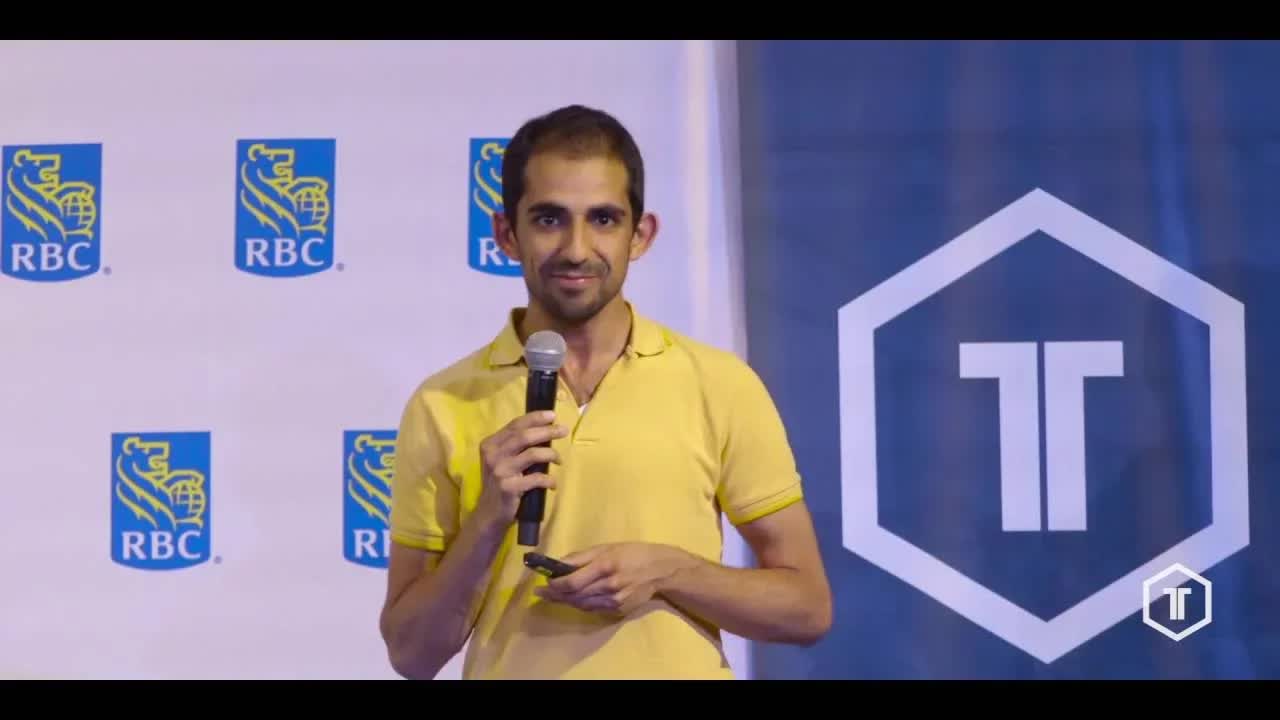 TalkTechTO
Toronto’s monthly tech community meetup.
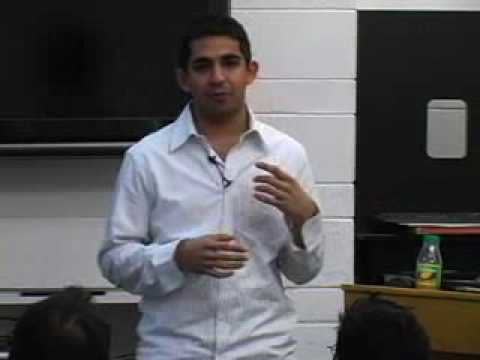
The University of Waterloo’s startup programme.
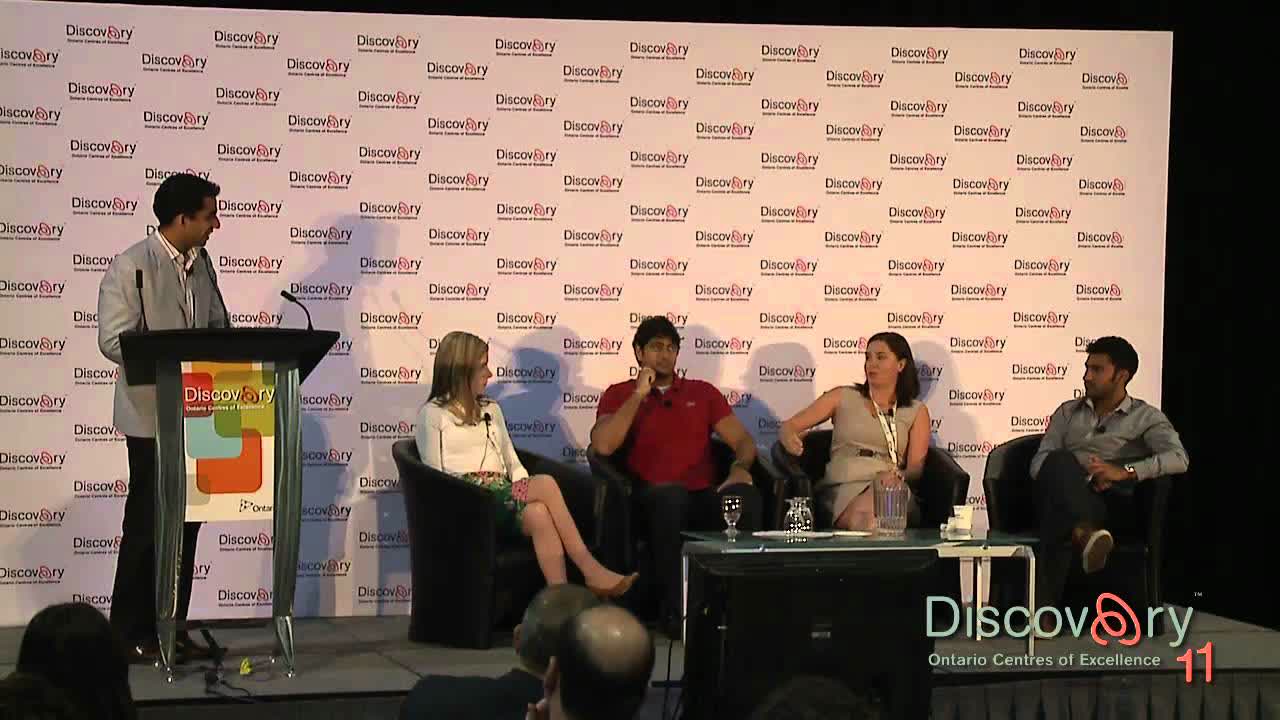
Ontario Centre of Innovation’s annual Discovery conference. Kunal moderated.

The Financial Post’s technology desk.

A show about the mobile industry and the people building it.
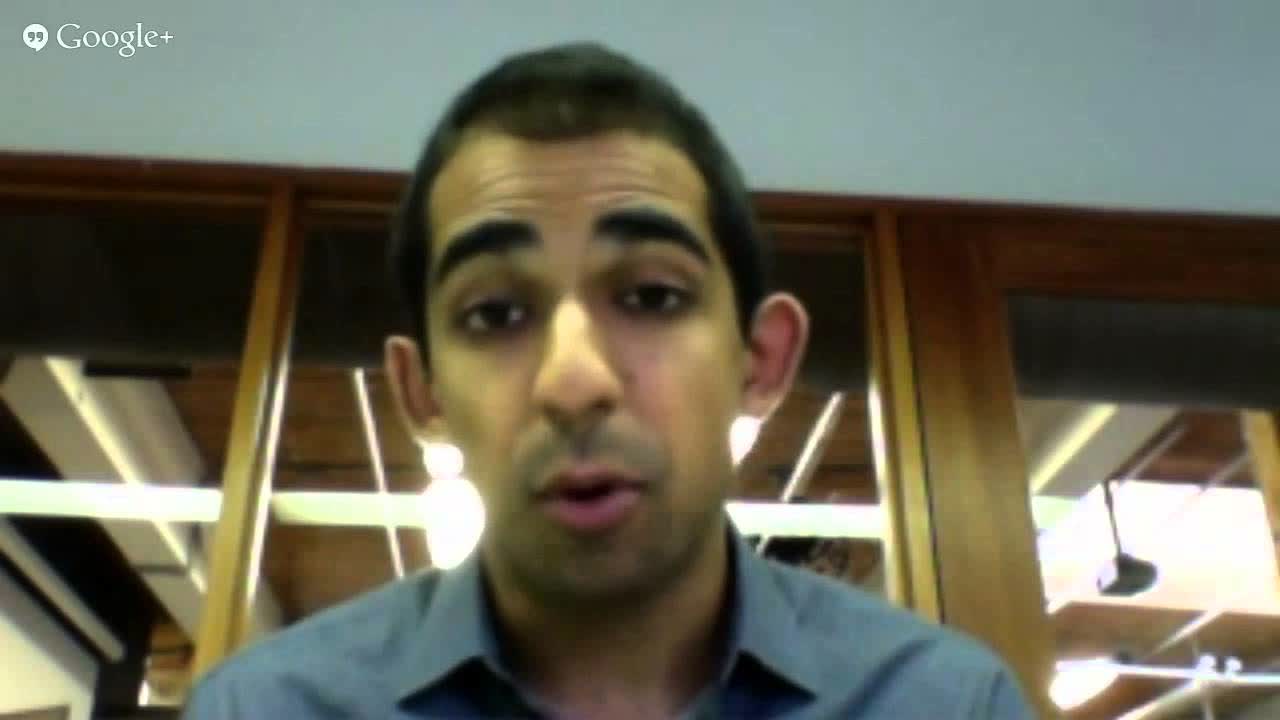
Canadian technology news for business leaders.
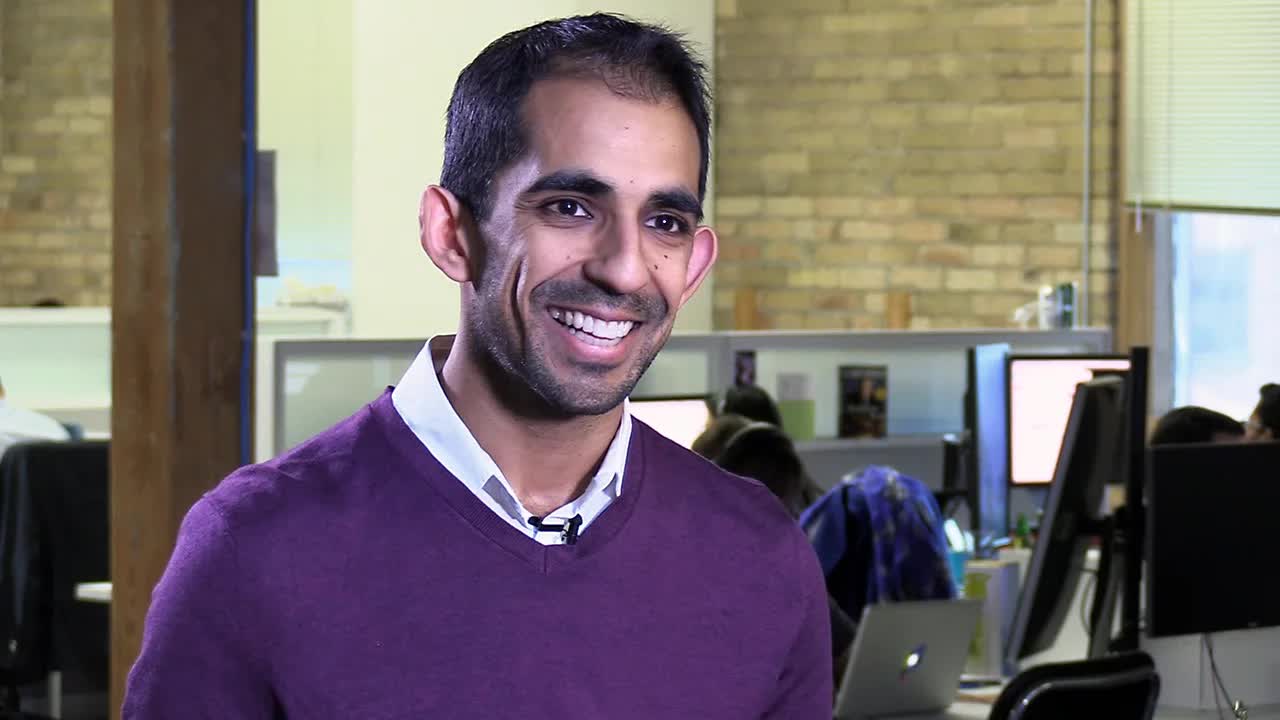
The national voice of Canada’s universities.
No conversations in this format yet.